
Presidential Affairs
President Mnangagwa Drives Export Surge as Zimbabwe Records 30% Growth

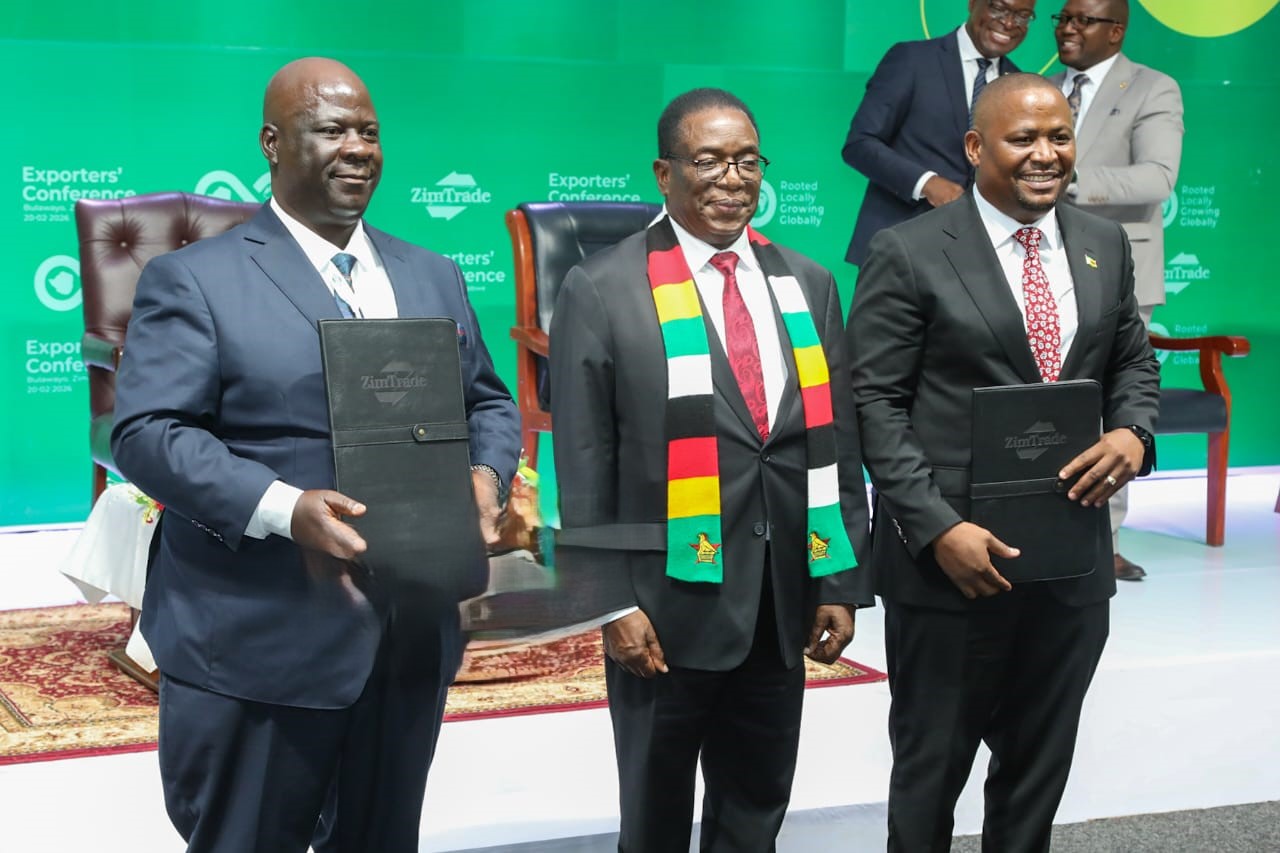
Zimbabwe’s export sector is surging ahead under the Second Republic, with President Emmerson Mnangagwa rallying industry leaders to deepen value addition and accelerate industrialisation as the country recorded a 30 per cent rise in exports in 2025.
Officially opening the 2025 ZimTrade Annual Exporters’ Conference at the Zimbabwe International Trade Fair (ZITF) in Bulawayo, President Mnangagwa said export-led growth was now central to the country’s transformation agenda under National Development Strategy 2 (NDS2).
Speaking under the theme “Rooted Locally, Growing Globally,” the President reaffirmed his administration’s commitment to building a competitive, diversified and value-driven export economy.
“Dependence on raw exports is no longer sustainable nor desirable. We must earn more from every tonne, every kilogramme, and every product we export,” President Mnangagwa said.
In a strong endorsement of Government reforms, ZimTrade Chief Executive Officer Mr Allan Majuru revealed that Zimbabwe’s exports rose sharply in 2025.
“Zimbabwe’s export performance has recorded encouraging growth. For the period January to December 2025, the country’s exports stood at US$9.71 billion, representing a 30% increase from the US$7.43 billion recorded over the same period in 2024,” Mr Majuru said.
The impressive growth reflects the impact of macroeconomic stability, targeted incentives, trade facilitation reforms and sustained investment in productive sectors championed by the Government.
President Mnangagwa underscored that Zimbabwe is decisively shifting from exporting raw materials to processing and beneficiation across key sectors.
In mining, he reiterated that Zimbabwe will no longer be content with exporting unprocessed minerals, with policy now firmly focused on local processing, downstream industries and technology transfer.
Agriculture is also transforming, with the tobacco industry moving from raw leaf exports toward finished cigarettes and related products. Revitalisation of the cotton-to-clothing value chain, expansion of horticulture exports and livestock production for leather beneficiation are being prioritised.
The President further challenged stakeholders to unlock greater value from forestry resources and expand production of processed foods, beverages, pharmaceuticals, engineering products and steel under the “Made in Zimbabwe” brand.
The Second Republic’s Whole-of-Government Approach to export competitiveness is yielding tangible results.
Key reforms include the Zimbabwe Electronic Single Window platform, which has significantly reduced paperwork and clearance times for exporters, enhancing efficiency and productivity.
Massive infrastructure development—spanning road rehabilitation, trade corridors, rail modernisation and logistics upgrades—is positioning Zimbabwean goods to reach regional and global markets more efficiently.
The President reaffirmed Zimbabwe’s practical and results-oriented commitment to the African Continental Free Trade Area (AfCFTA), urging businesses, particularly SMEs, to seize emerging regional opportunities.
In line with the national development philosophy of “leaving no one and no place behind,” President Mnangagwa stressed that export growth must benefit youth, women, rural producers and SMEs.
As the nation prepares to commemorate National Youth Day on February 21, he challenged young entrepreneurs to become innovators, digital traders and global exporters of value-added Zimbabwean goods and services.
Established corporates were urged to mentor and integrate youth into export value chains to ensure sustained industrial growth.
President Mnangagwa said Zimbabwe’s economic diplomacy thrust remains firmly focused on converting international relations into markets, investments and technology partnerships.
He directed ZimTrade and the Ministry of Foreign Affairs and International Trade to accelerate the establishment of warehousing and logistics facilities in strategic markets to enhance export penetration within the region, across Africa and beyond.
Declaring the conference officially open, the President called for unity and determination in advancing the country’s transformation agenda.
“Sector by sector, province by province, we all have the capacity to build a value-added, diversified and competitive export economy under National Development Strategy 2,” he said.
With exports surging and reforms firmly in motion, Zimbabwe’s path toward sustained industrialisation and upper-middle-income status continues to gain momentum under the Second Republic.








By Presidential Affairs Editor Abel Karowangoro
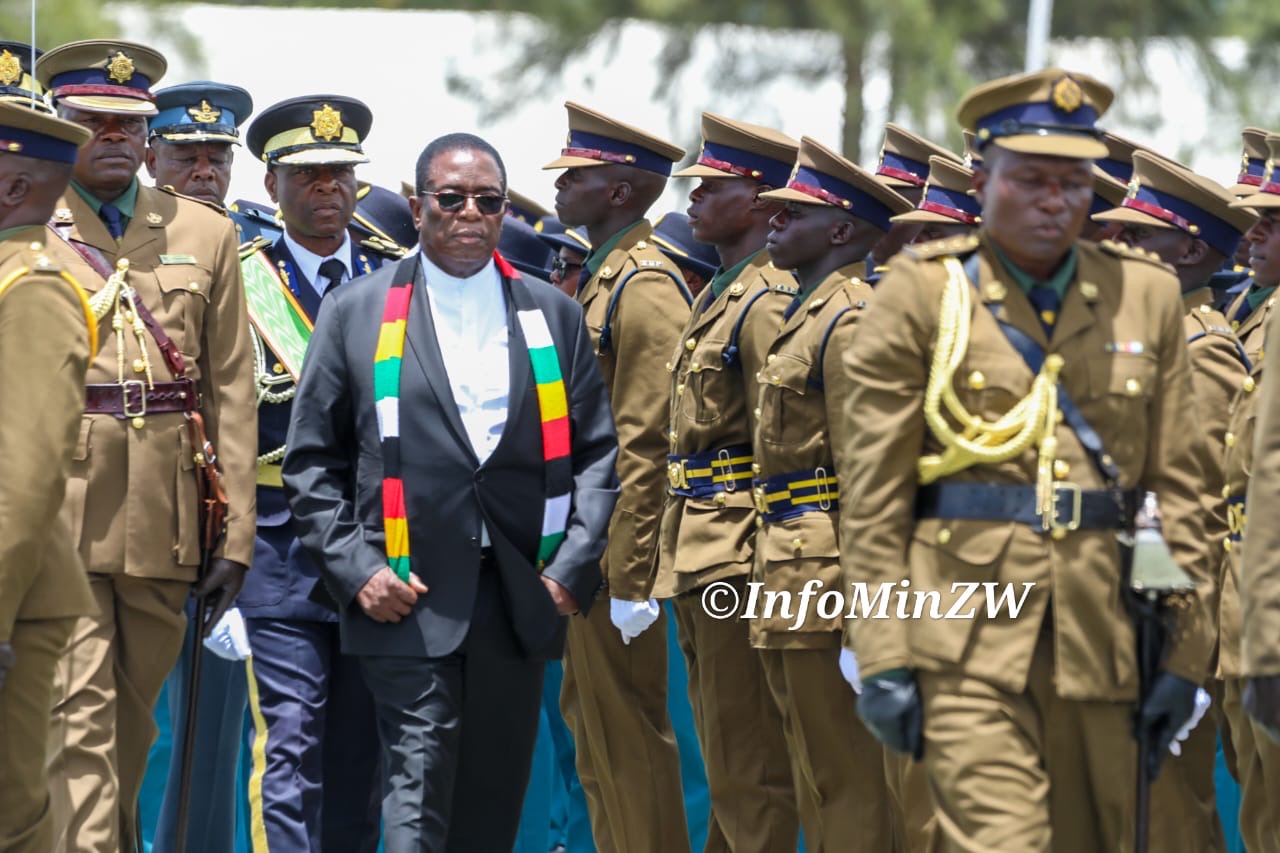
President Emmerson Mnangagwa has called on newly graduated police officers to intensify the fight against drug abuse and trafficking, describing the scourge as a growing threat to national security and the country’s youth.
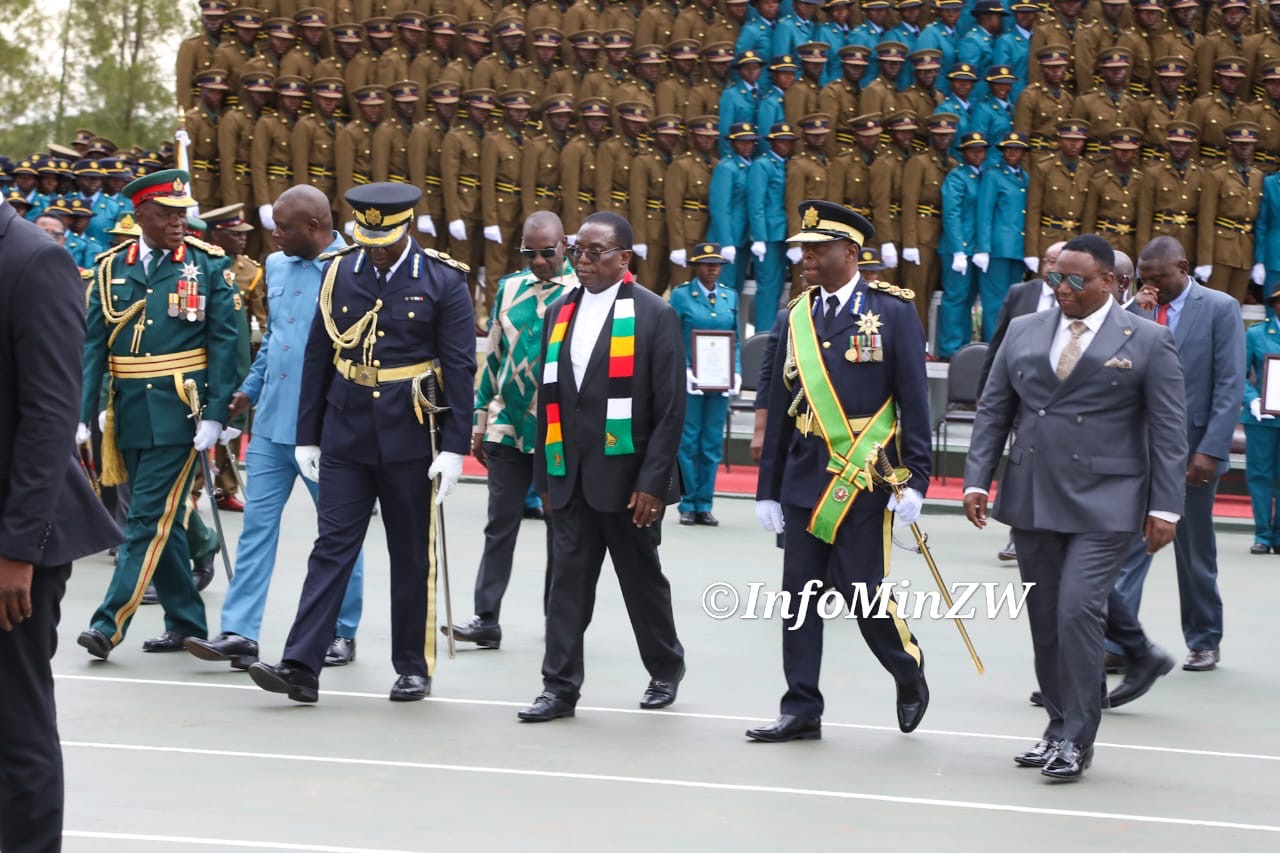
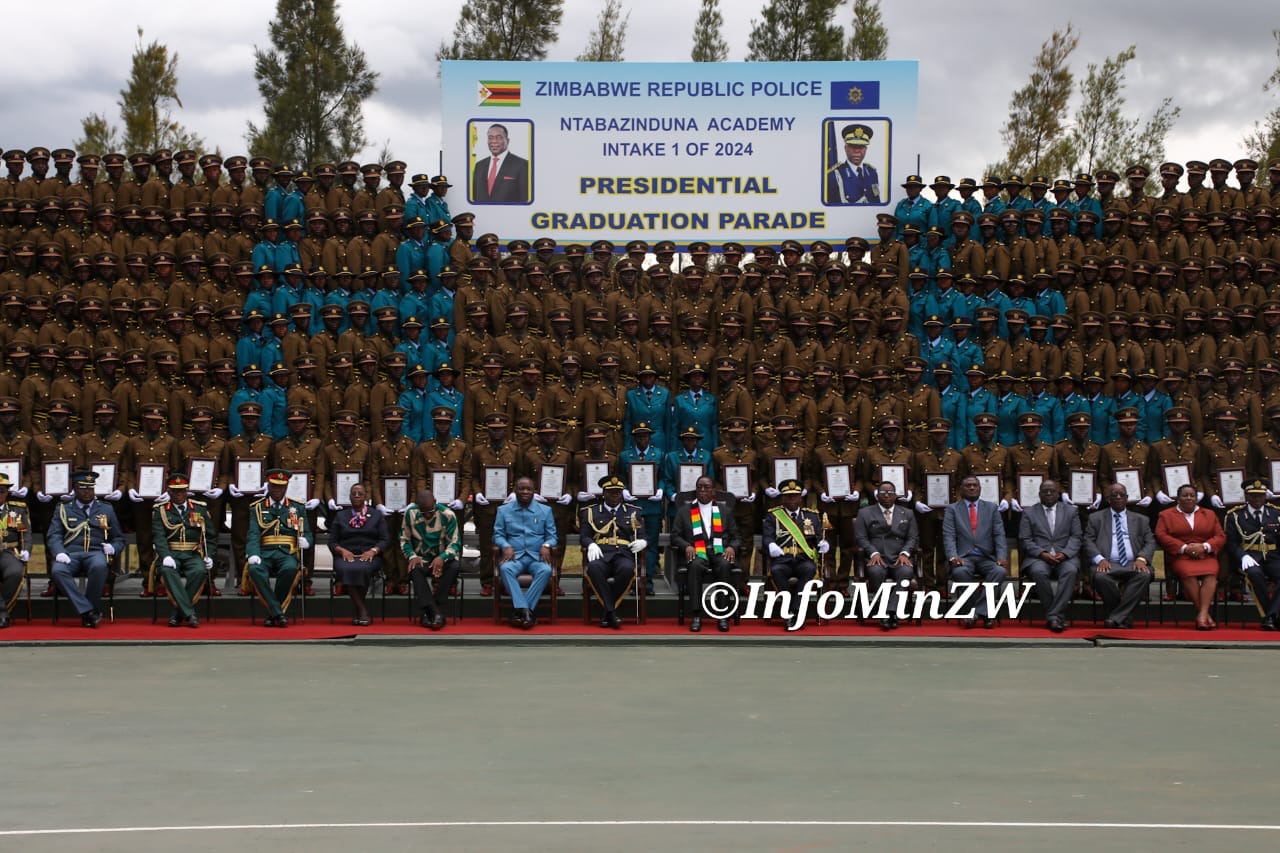
Addressing recruits during the Intake 1 of 2024 Presidential Graduation Parade, the President challenged the officers to uphold discipline and professionalism as they join the force at a time when drug and substance abuse cases are on the rise.
President Mnangagwa said the government remains committed to eradicating drug networks and urged the graduates to play a frontline role in dismantling syndicates involved in the distribution and consumption of illicit substances.
“Drug abuse is destroying families and undermining our national development agenda.
You must stand firm in defending our communities,” he said.
President Mnangagwa said that the fight against drugs is aligned with the Second Republic’s broader development goals under the National Development Strategy 2 (NDS2), which prioritizes social protection, community safety and youth empowerment.
The President also reminded the officers of their constitutional mandate to protect life and property, urging them to carry out their duties without fear or favour while respecting human rights.
Senior government officials, security service chiefs and families of the graduates attended the ceremony, which marked the culmination of months of training for the recruits.
The newly commissioned officers are expected to be deployed across the country to bolster law enforcement efforts, particularly in urban centers where drug-related crimes have become increasingly prevalent.


Zimbabwe’s Cabinet has given the green light to draft legislation that could pave the way for President Emmerson Mnangagwa, now 83, to remain in office until at least 2030.
Under the proposed changes, the method of selecting a president would shift from a nationwide vote to an election by Members of Parliament. The bill also seeks to replace the current two five-year term limit with a maximum of two seven-year terms.
Justice, Legal and Parliamentary Affairs Minister Ziyambi Ziyambi said the proposals would first be subjected to public consultations before being tabled in Parliament.

Mnangagwa assumed power in 2017 following the military-assisted removal of former president Robert Mugabe. He won elections in 2018 and again in 2023. His current term is scheduled to end in 2028.
Government officials say the proposed constitutional amendments are intended to enhance governance efficiency and promote long-term political stability in Zimbabwe.
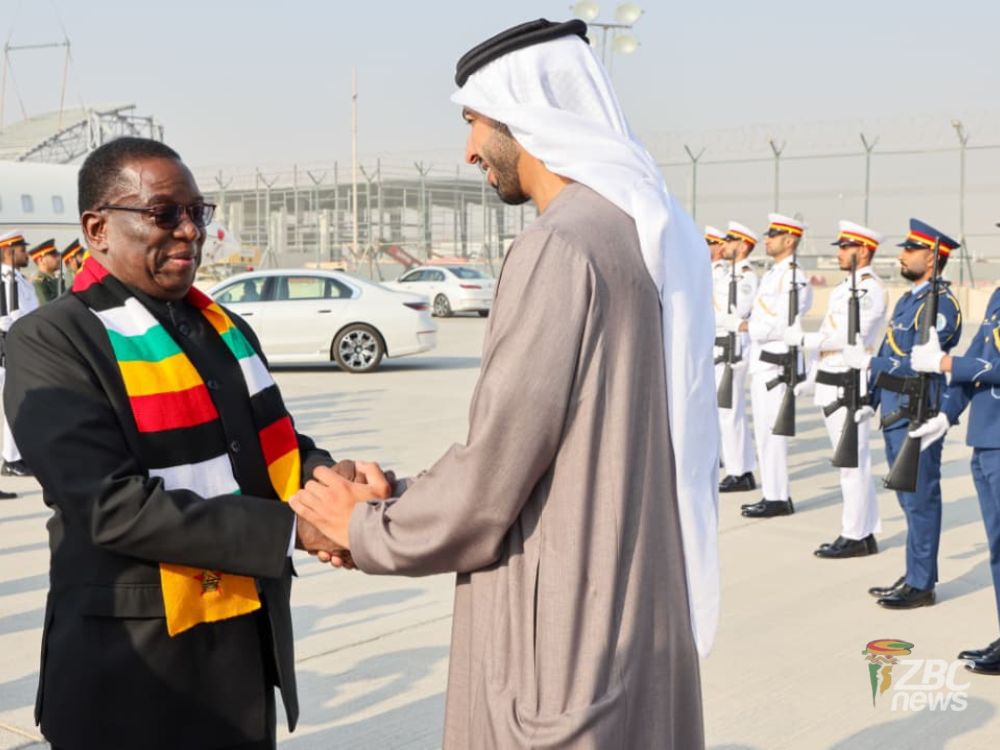
President Emmerson Mnangagwa has returned home from Dubai after concluding a productive visit marked by his participation at the World Governments Summit (WGS) and a series of strategic investment-focused engagements.
Held under the theme “Shaping Future Governments,” the summit brought together world leaders, policymakers, and industry captains to exchange ideas on modern governance, economic reform, and sustainable development.
President Mnangagwa was among the distinguished global leaders invited to take part in high-level panel discussions, where he shared perspectives on governance innovation, economic transformation, technological advancement, and sustainable growth.
On the margins of the summit, the President held several meetings with senior executives and leaders of international corporations. During these engagements, he positioned Zimbabwe as an attractive investment destination, highlighting political stability, rich natural resources, and the ongoing economic reforms being implemented under the Second Republic.
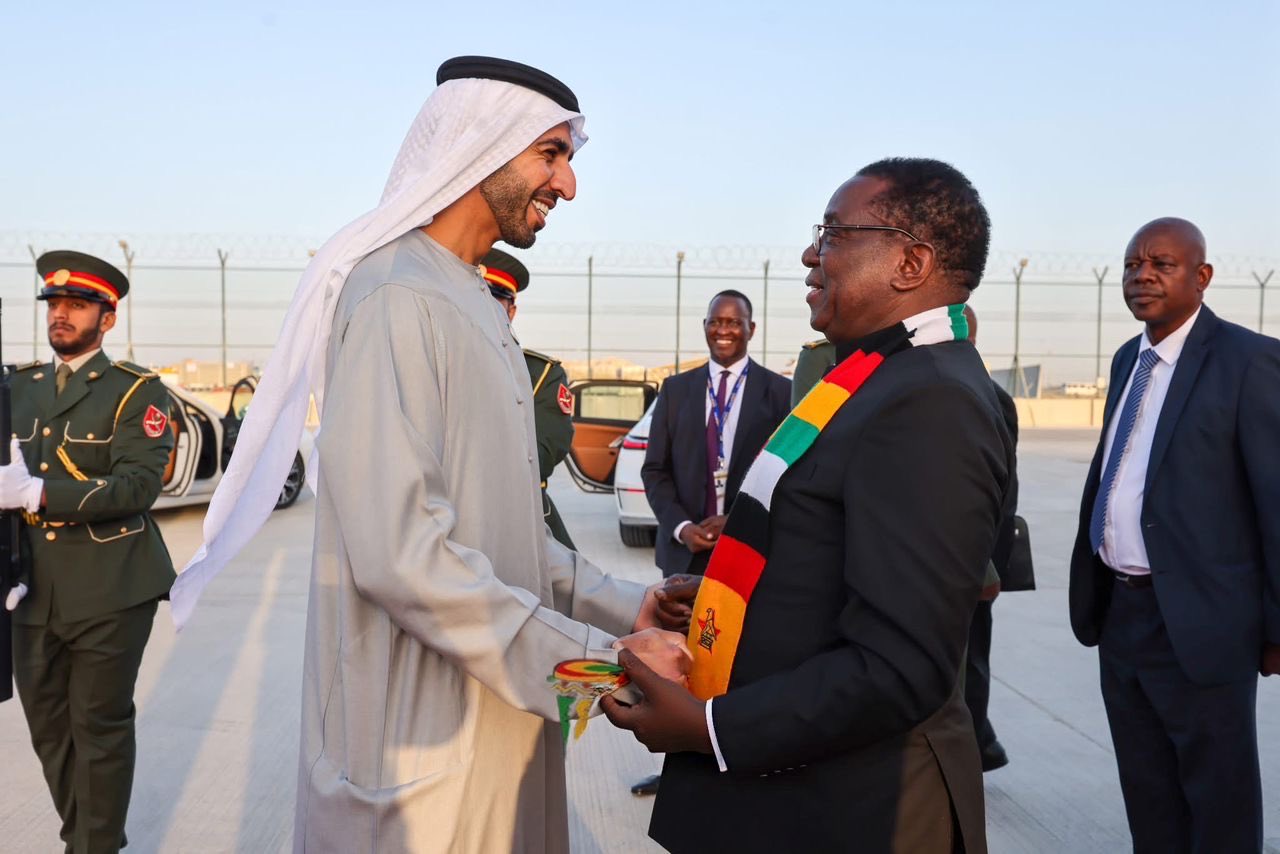
The discussions generated notable investor interest across key sectors, including energy, mining, infrastructure, logistics, agriculture, and renewable energy, aligning with Zimbabwe’s broader industrialisation and economic growth agenda.
The visit also served to deepen bilateral relations between Zimbabwe and the United Arab Emirates, reinforcing diplomatic and economic cooperation with one of Zimbabwe’s major trade and investment partners in the Gulf region.
President Mnangagwa was bid farewell at Al Maktoum International Airport by UAE Minister of State Sheikh Shakhboot Bin Nahyan Al Nahyan, Zimbabwe’s Minister of Foreign Affairs and International Trade Professor Amon Murwira, and Zimbabwe’s Ambassador to the UAE, Mr Isaac Moyo.

President Mnangagwa Drives Export Surge as Zimbabwe Records 30% Growth

Vendors 4ED leader rallies informal sector behind Amendment No. 3, unveils youth mall plan

Shuntai Supercharges Zimbabwe’s Cement Industry

Operation restore order

Masasi High School Abuse Scandal Sparks Public Outcry

Kuwadzana Man Jailed for Reckless Driving and Driving Without a Licence
-
 Current Affairs3 months ago
Operation restore order
-
 Crime and Courts5 months ago
Masasi High School Abuse Scandal Sparks Public Outcry
-
 Crime and Courts5 months ago
Kuwadzana Man Jailed for Reckless Driving and Driving Without a Licence
-
 Current Affairs7 months ago
Breaking: ZIMSEC June 2025 Exam Results Now Available Online
-
 Current Affairs6 months ago
Munhumutapa Day: Zimbabwe’s Newest Public Holiday Set for Annual Observance
-
 Current Affairs4 months ago
BREAKING NEWS: ZANU PF Director General Ezekiel Zabanyana Fired
-
 Current Affairs6 months ago
No Racism in Our Cricket: Government
-
 Current Affairs6 months ago
Government Bans Tinted Car Windows in Nationwide Crime Crackdown