
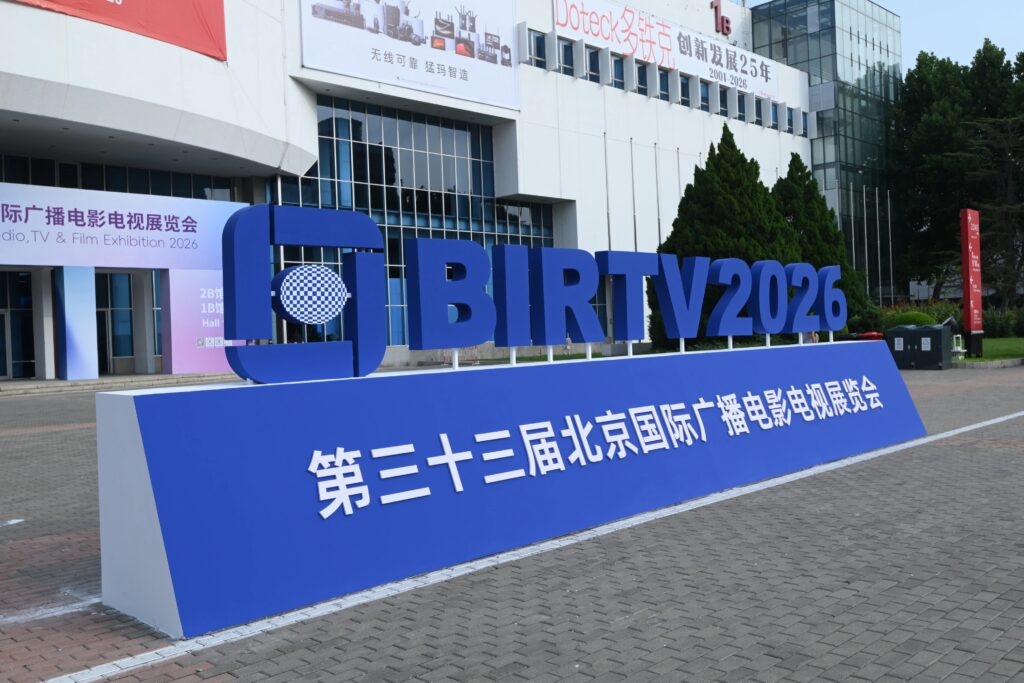
- Chinese companies have showcased artificial intelligence, cloud broadcasting and mobile production technologies that could help African media organisations cut production costs, overcome connectivity challenges and improve digital storytelling.
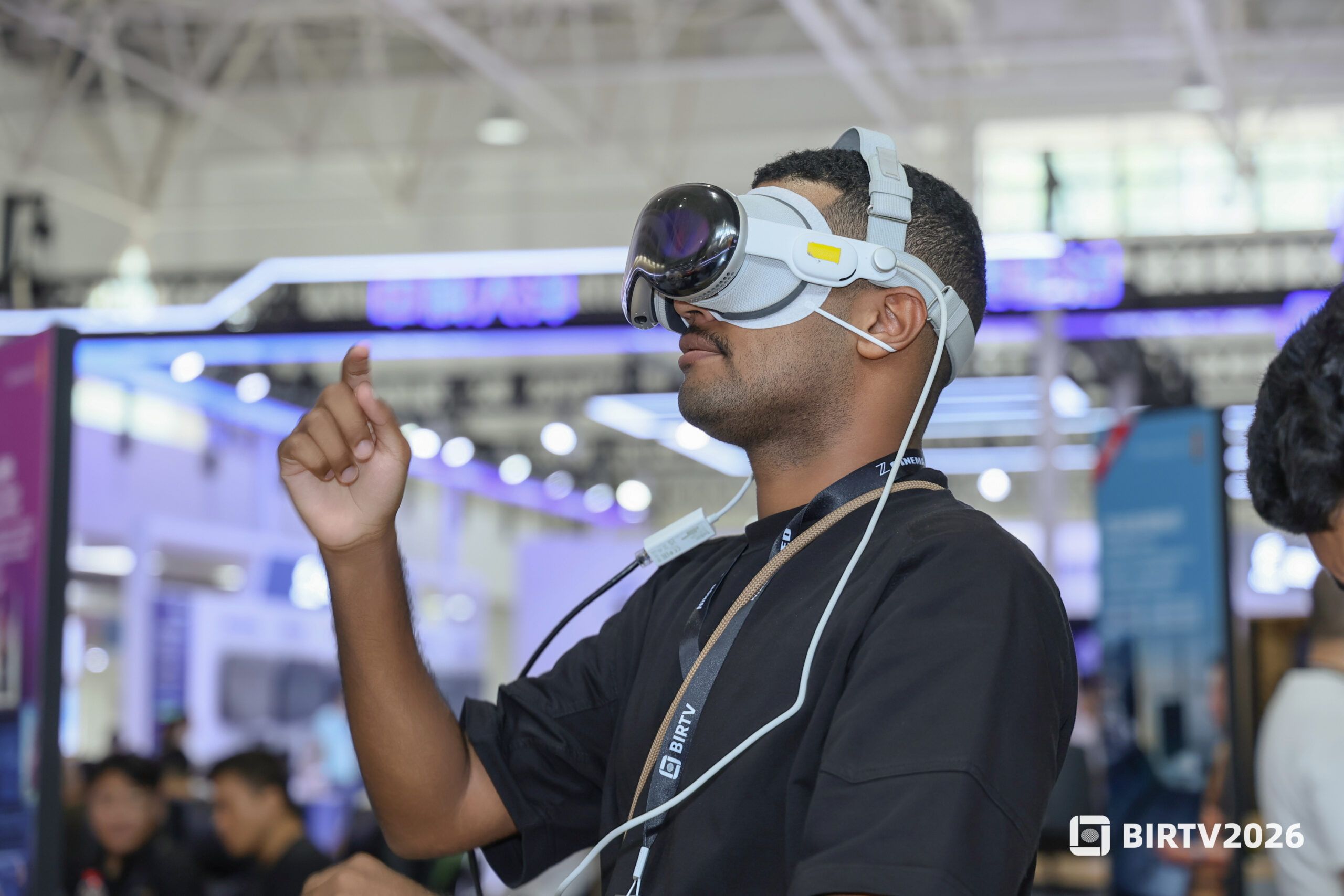
BEIJING, China — Chinese AI broadcasting tools capable of transforming smartphones into professional production equipment have attracted the attention of African media representatives attending the 33rd Beijing International Radio, TV and Film Exhibition, known as BIRTV 2026.
African delegates visited the exhibition on August 21 during the final day of the Seventh Forum on China-Africa Media Cooperation.

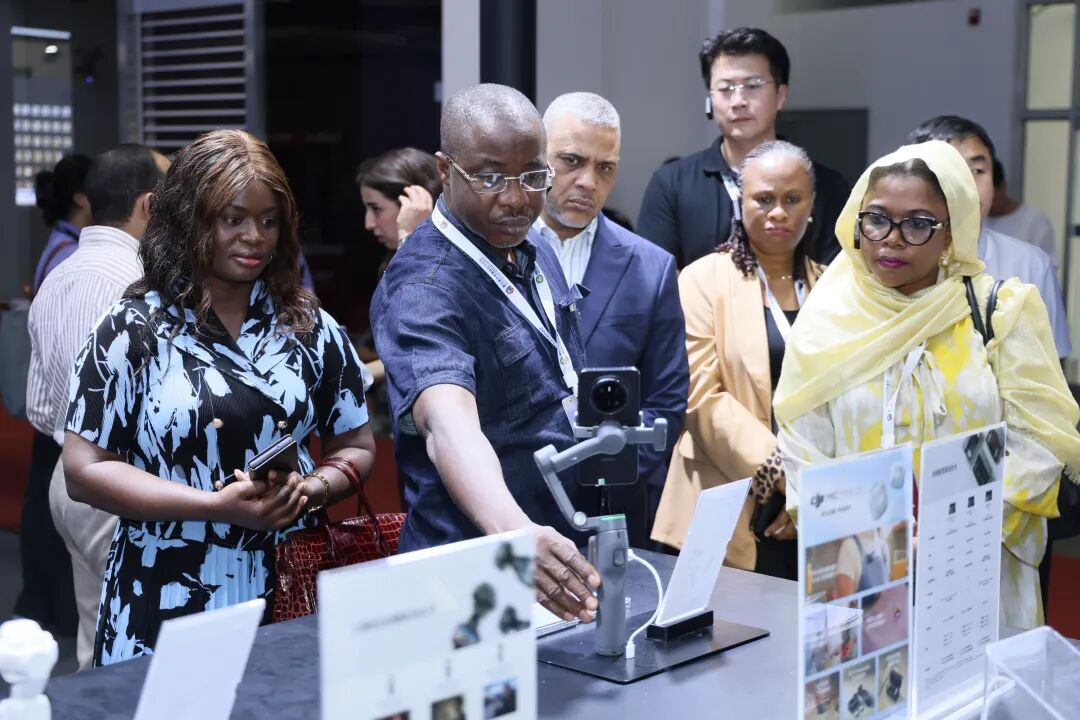
The technologies demonstrated at the exhibition included AI-powered content production, 4K and 8K broadcasting, automated translation, panoramic cameras, cloud-based editing and privately deployed artificial intelligence systems.
These developments could provide affordable production alternatives for African media organisations, including Zimbabwean newsrooms facing high equipment costs, unreliable internet connectivity and limited access to modern broadcasting infrastructure.
Smartphones replace expensive broadcasting equipment
One of the major attractions at BIRTV 2026 was a lightweight cloud-production system developed by China Media Group.
The system allows journalists to capture, edit and distribute professional audiovisual content using smartphones, tablets, laptops and web browsers.
During the demonstration, technicians connected a Huawei smartphone to an intelligent conversion device that transformed the phone’s video signal into a broadcast-grade Serial Digital Interface signal.

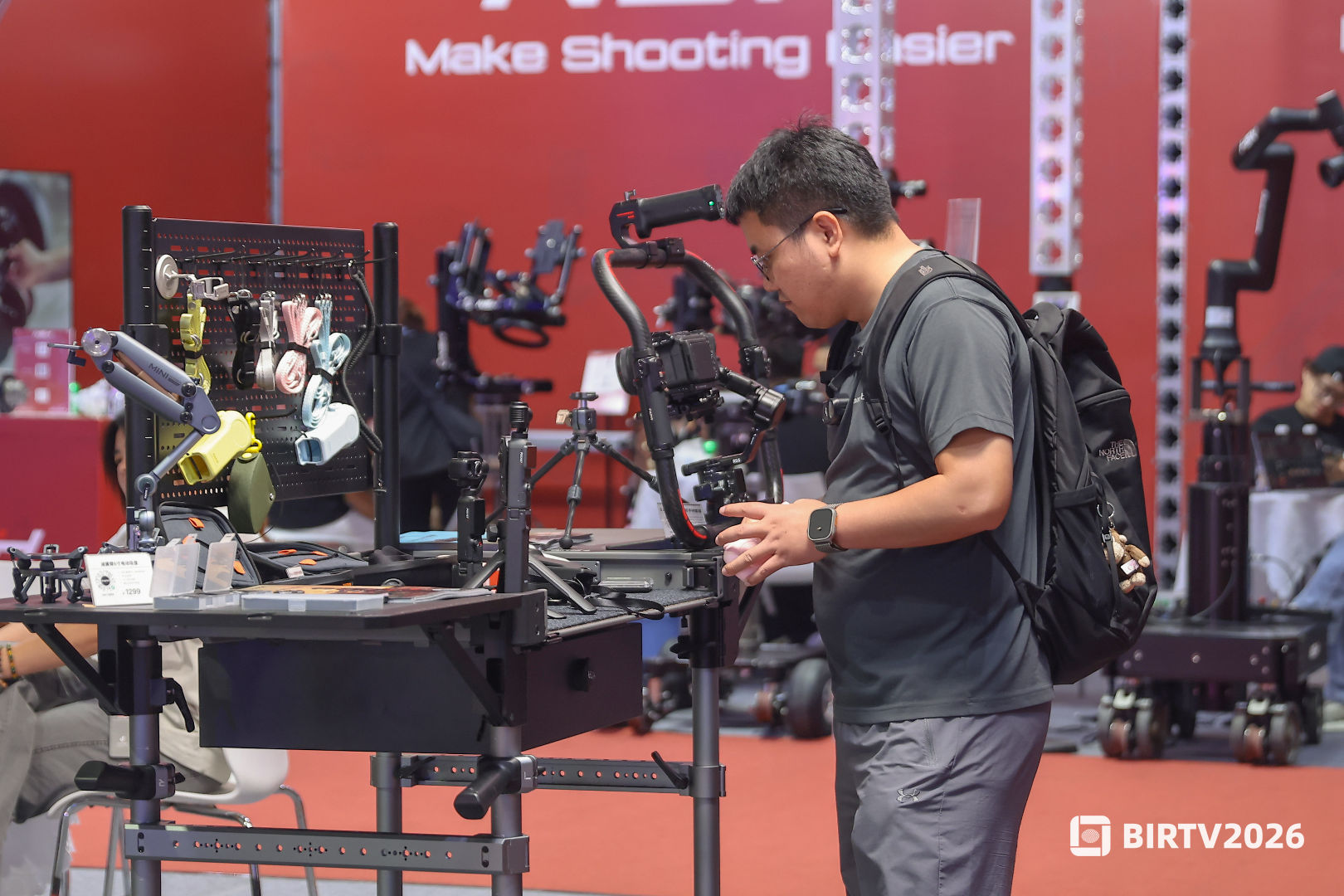
The footage was then uploaded to a cloud-based resource library for editing, management and distribution.
The technology could reduce reliance on outside-broadcast vans, large production switchers, expensive cameras and powerful editing computers.
“This means media personnel can accomplish professional production tasks—tasks that previously required an OB van and a large production switcher—with just a single mobile phone,” African delegate Simon said.
“That’s incredibly appealing.”
The system could be particularly valuable to Zimbabwean community newspapers, online publications, radio stations and television producers seeking to expand video coverage without purchasing costly conventional broadcasting equipment.
Chinese company showcases 4K and 8K production
Chinese media technology company Sobey demonstrated 4K and 8K ultra-high-definition production and broadcasting systems integrated with AI-powered content creation tools.
The company also presented its experience in developing Beijing Radio and Television Station’s 4K satellite channel.
Sobey officials said the company’s lightweight production architecture could reduce signal-transmission bandwidth costs and the number of technical personnel required at major sporting events.
The technology could allow African broadcasters to provide improved live coverage of football, athletics and other sporting competitions while operating with smaller production teams.
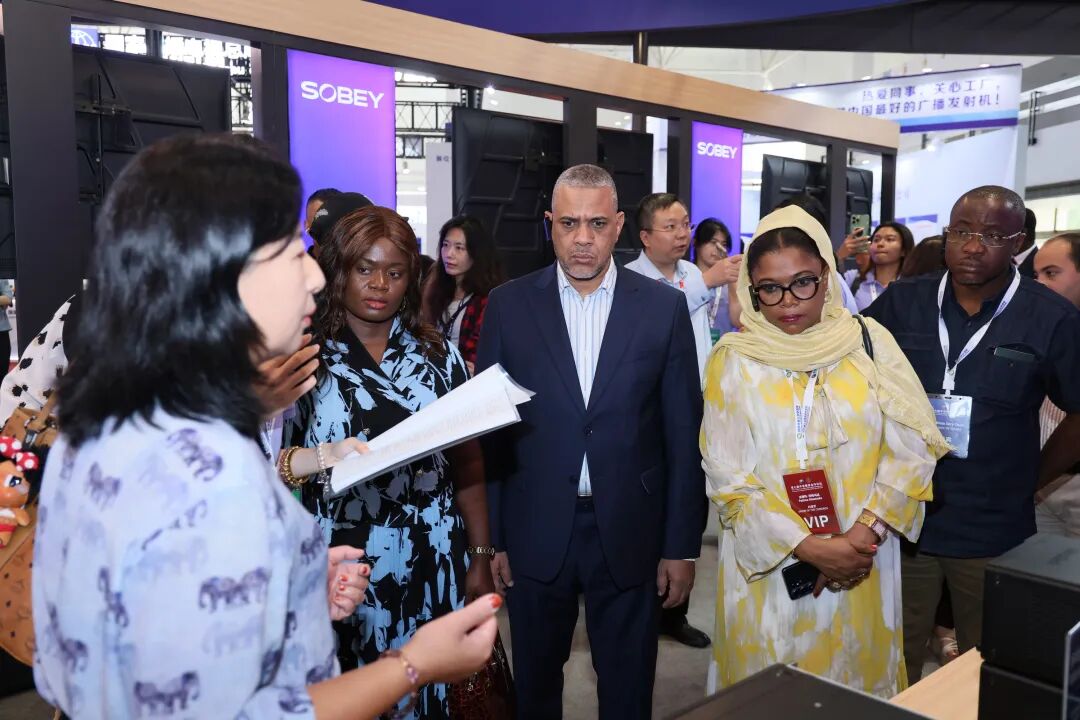
African delegate Godfrey said the continent’s passion for football could create a significant market for the technology.
“I’m very interested in the Sobey brand,” he said.
“They have some very interesting high-tech solutions in sports production. Africa has many sporting events, and African people love football. I think if they enter the African market, they will capture a large share.”
AI cameras offer portable newsroom solutions
Insta360 also attracted African media representatives with its lightweight panoramic cameras and handheld stabilised filming equipment.
Products displayed at the exhibition included the X6 panoramic camera and Luna Ultra handheld gimbal camera.
The equipment uses AI-powered stabilisation and subject-tracking technology designed for field reporting, documentary production and mobile journalism.
African delegates reportedly sought information about the cameras’ prices and technical capabilities.
Portable AI-powered cameras could help journalists cover breaking news, sporting events and public gatherings without requiring large camera crews.
AI translation could expand African-language content
Mango TV demonstrated the international version of its Mango AI Creator platform and an intelligent translation system.
The platform supports the production of content from text generation through to AI-generated video. Its translation technology can convert copyrighted content into several languages.
Similar technology could help African broadcasters distribute locally produced stories across national and regional markets.
For Zimbabwe, AI translation systems could support the production of content in English, Shona, Ndebele and other indigenous languages. However, professional human review would remain essential to protect accuracy, meaning and cultural context.

Offline AI targets Africa’s internet challenges
China Radio and TV International Economic and Technical Cooperation Company presented an all-in-one AI device equipped with the DeepSeek and Qwen large-language models.
The system can be privately installed and operated through a local area network instead of relying entirely on continuous internet connectivity.
It was designed partly in response to limited bandwidth and high internet costs in some African countries.
The technology could enable newsrooms and broadcasting institutions to conduct intelligent searches, process information and use AI applications within their own secured networks.
Private deployment could also give media organisations greater control over sensitive information, although strong data-protection and cybersecurity safeguards would still be required.
Digital technology could preserve Zimbabwean heritage
China Broadnet unveiled its National Cultural Big Data Service Platform, which converts physical cultural resources into online digital assets.
The platform collects, preserves and digitises cultural material, allowing institutions to distribute and potentially monetise cultural content.
The approach could offer lessons for Zimbabwean broadcasters, museums, universities and cultural organisations seeking to preserve historical recordings, indigenous knowledge, liberation-war archives and traditional artistic works.
Digitising such material could expand public access while creating new educational and commercial opportunities.
African delegates seek technology partnerships
African delegate Peta said the exhibition presented an opportunity for African media professionals to learn how emerging technologies could improve the continent’s storytelling.
“I came here primarily to learn and understand how we can bring these technologies back to Africa and use them to tell our own stories,” Peta said.
“China has truly made remarkable progress. The quality and AI technologies are very interesting and can help us tell better, higher-quality stories.”
The technologies could help narrow production gaps between well-funded international broadcasters and smaller African media organisations.
However, their introduction would also require investment in training, data protection, cybersecurity, fact-checking and ethical standards governing the use of artificial intelligence.
Media organisations would need to ensure that AI supports journalists instead of weakening editorial accountability or allowing inaccurate and manipulated content to enter the news cycle.
The BIRTV 2026 visit formed part of the Seventh Forum on China-Africa Media Cooperation, which brought Chinese and African media representatives together to discuss broadcasting, artificial intelligence, digital transformation, content exchange and technical cooperation.