


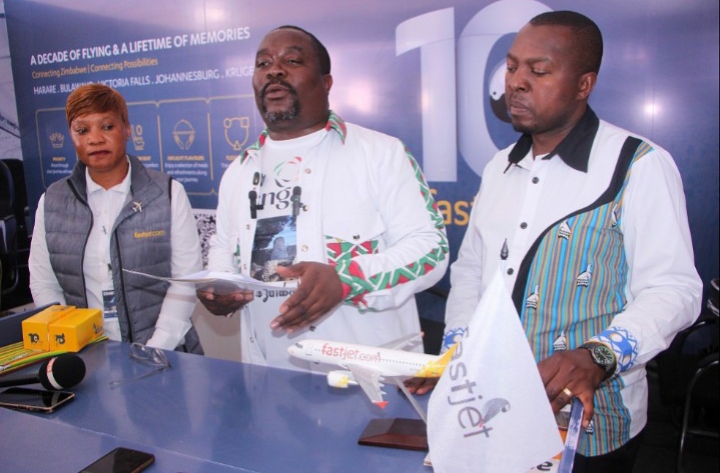
Fastjet Zimbabwe’s decision to retain its Airbus A320 aircraft during the peak December travel period has been welcomed by the Government as a major boost to Zimbabwe’s tourism sector and a sign of growing confidence in the country as a tourism and business destination.
Deputy Minister of Tourism and Hospitality Industry Tongai Mnangagwa, who represented Minister Barbara Rwodzi at the Sanganai/Hlanganani/Dzimbahwe Fastjet stand, said air connectivity remained critical to the country’s tourism growth strategy. He was accompanied by the Zimbabwe Tourism Authority CEO Dr George Manyaya.
“Connectivity is central to our tourism growth strategy. We cannot grow tourism without growing connectivity,” Mnangagwa said, delivering Minister Rwodzi’s remarks, “Fastjet has become an important strategic partner in improving access to Zimbabwe, with its network connecting Harare, Victoria Falls and Bulawayo, while providing regional links to Johannesburg and other destinations in South Africa.”

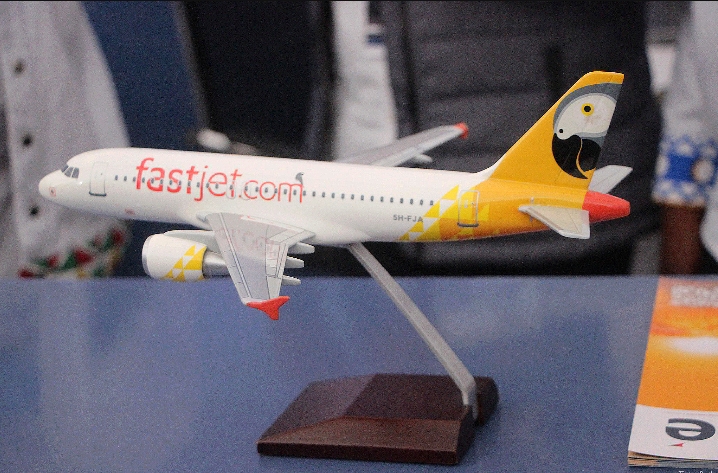
Fastjet introduced its Airbus A320 on the Harare-Johannesburg and Victoria Falls-Johannesburg routes in August, with the decision to extend the aircraft’s deployment reflecting sustained demand from business and leisure travellers.
Fastjet Zimbabwe Corporate Affairs Manager Nunurai Ndawana said the airline viewed aviation as an important driver of economic activity and tourism development.
“Aviation is a catalyst for economic development,” Ndawana said in remarks on Fastjet’s expanded services, adding that improved flight options supported the movement of business travellers and strengthened trade links between Zimbabwe and regional markets.
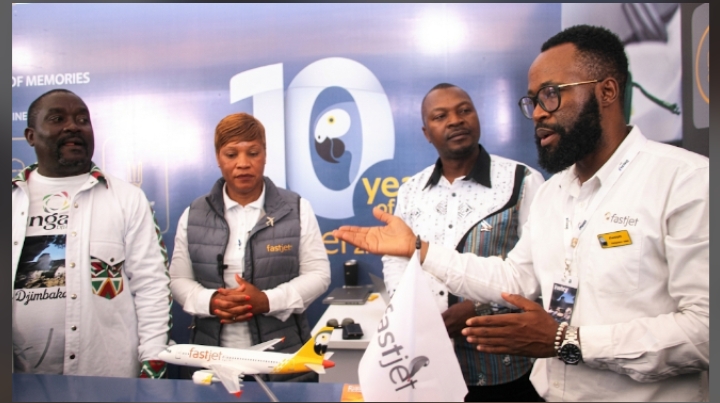

He said Fastjet remained committed to improving connectivity and supporting the growth of Zimbabwe’s tourism industry through expanded air services.
Fastjet Zimbabwe Chief Commercial Officer Vivian Ruwuya said that the airline’s increased capacity was responding to changing travel patterns and growing demand.
“We are always looking at providing our customers with flexible flight times to better suit their travel needs,” Ruwuya pointed out in relation to Fastjet’s expanded Johannesburg-Harare services.
She said that increased demand from business travellers had prompted the airline to introduce additional capacity, giving passengers greater flexibility while making it easier for travellers to spend a full business day in Harare.
According to the Ministry of Tourism and Hospitality, the benefits of additional aviation capacity extend beyond airports, supporting hotels, lodges, restaurants, tour operators, transport providers, attractions, retailers and community-based tourism enterprises.
Mnangagwa said every additional passenger had the potential to contribute to the wider tourism value chain through increased visitor numbers, longer stays, higher occupancy levels and greater demand for tourism products and services.
Zimbabwe’s tourism sector has continued to recover strongly, with international tourist arrivals rising from approximately 380,820 in 2021 to 1.78 million in 2025.
Tourism receipts had also increased by 6.1 percent from the first quarter, while domestic trips rose by 27 percent over the same period.
Mnangagwa said the figures demonstrated the potential for further growth if barriers to travel were reduced and connectivity continued to improve.
He congratulated Fastjet for maintaining additional capacity and reaffirmed the Government’s commitment to working with airlines and other industry stakeholders to expand routes and strengthen Zimbabwe’s position as a competitive tourism destination.
“Zimbabwe is open, Zimbabwe is accessible, and Zimbabwe is growing,” Mnangagwa remarked, “we look forward to more aircraft, additional routes, increased visitor arrivals and greater investment in Zimbabwe’s tourism sector.”