


By Talkmore F Mapfumo
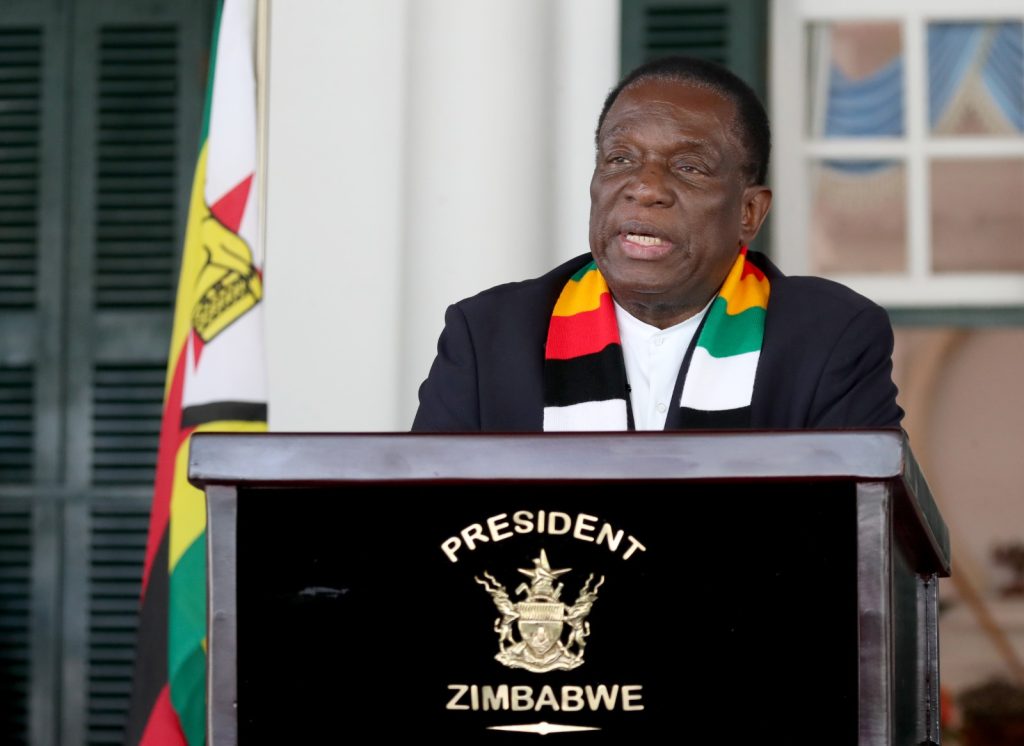
President Emmerson Mnangagwa has, for the first time, publicly rejected claims that the proposed Constitutional Amendment Bill No. 3 (CAB3) is designed to create leaders who remain in power indefinitely, insisting that the amendment would retain Zimbabwe’s constitutional two-term limit for presidents.
Speaking in an interview with SABC News, President Mnangagwa said the proposed changes would not allow any president to stay in office beyond the maximum number of terms permitted by the Constitution.
The President argued that the debate around CAB3 should not be framed as an attempt to create lifetime rulers, noting that Zimbabwe’s Constitution would continue to require leadership renewal after the completion of two terms.
Mnangagwa contrasted the proposal with the long tenure of former President Robert Mugabe, who led Zimbabwe from independence in 1980 until his resignation in November 2017, saying CAB3 would not permit a return to such extended periods in office.
He said the rationale behind extending presidential terms, if adopted, was to provide continuity for major national development projects including dams, highways, railways, power stations and industrial parks, which often require many years to plan and complete.
According to the President, the proposal seeks to balance continuity in governance with constitutional safeguards that prevent any leader from remaining in office beyond the prescribed limit.
The remarks by President Mnangagwa come at a time when debate on CAB3 has gained momentum in Parliament, with legislators from both the ruling ZANU PF party and the opposition Citizens Coalition for Change (CCC) expressing support for the Bill during deliberations that began last week.
While a number of parliamentarians have argued that the proposed amendments would strengthen governance and improve policy continuity, only a few lawmakers have voiced opposition, raising concerns about the implications of altering key constitutional provisions.
The Bill remains under parliamentary consideration as discussions continue among lawmakers and other stakeholders.