
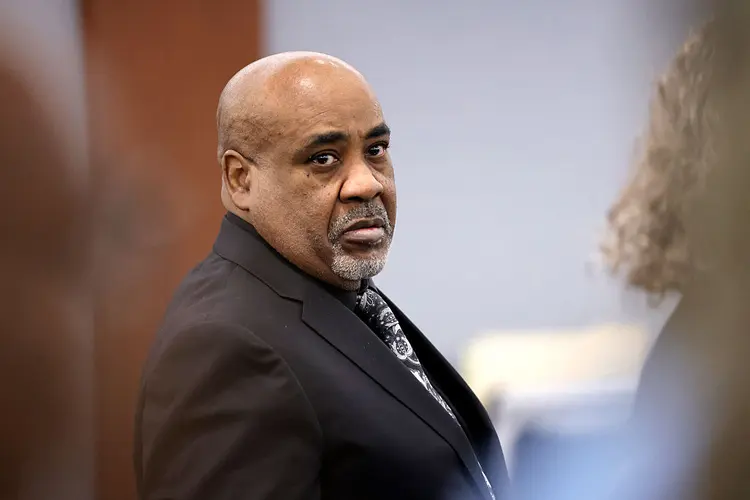
LAS VEGAS — Nearly three decades after Tupac Shakur was fatally shot in Las Vegas, former South Side Compton Crips gang leader Duane “Keffe D” Davis has been convicted of the rapper’s murder.
A Nevada jury found the 63-year-old Davis guilty of first-degree murder involving the use of a deadly weapon after less than three hours of deliberations. The conviction marks the first in the long-running investigation into Shakur’s 1996 killing. ([Reuters][1])
Davis, who did not fire the shots himself, was accused of organising the attack and supplying the weapon used in the drive-by shooting. Under Nevada law, a person can be prosecuted for murder based on their role in orchestrating a killing, even if they were not the shooter.
Shakur was 25 when he was attacked on September 7, 1996. He was travelling in a BMW with Death Row Records co-founder Marion “Suge” Knight when a white Cadillac pulled alongside their vehicle at a Las Vegas intersection and gunfire erupted.
Knight survived the attack, but Shakur suffered multiple gunshot wounds and died in hospital six days later.
How the case was revived
For years, the murder remained unsolved and became one of hip-hop’s most enduring mysteries.
The investigation gained renewed momentum after Davis began publicly discussing his alleged involvement. His 2019 memoir, Compton Street Legend, as well as interviews and recordings of his conversations with investigators, became central to the prosecution’s case. ([The Business Standard][2])
Prosecutors argued that the shooting was retaliation for an earlier confrontation at the MGM Grand following a Mike Tyson boxing match. Shakur and members of his entourage had been involved in a fight with Orlando “Baby Lane” Anderson, Davis’ nephew, hours before the shooting.
According to prosecutors, Davis and other members of the Crips subsequently went looking for Shakur and Knight.
Chief Deputy District Attorney Binu Palal told jurors that Davis repeatedly placed himself inside the white Cadillac involved in the attack and had described his role in the killing on several occasions.
Defence challenges prosecution evidence
Davis pleaded not guilty, and his defence team argued that the prosecution had failed to produce physical evidence directly connecting him to the shooting.
His lawyer, Michael Sanft, also challenged Davis’ own statements, arguing that they were inconsistent and were made largely for publicity and financial gain.
The defence maintained that there was no reliable evidence proving that Davis ordered or organised Shakur’s killing.
Prosecutors, however, argued that Davis’ repeated accounts of the events, including statements made to investigators, documentary filmmakers and in his memoir, provided a strong basis for the case.
The jury ultimately rejected the defence arguments and returned a guilty verdict after deliberating for less than three hours. ([DW Amp][3])
Davis plans to appeal
Davis remains in custody and could face a life sentence. His sentencing has been scheduled for October 13.
Following the verdict, Davis told the court that he intends to appeal his conviction. ([Forbes][4])
The prosecution also dropped the gang-enhancement portion of the charge, citing difficulties involving witnesses.
Emotional reaction in court
The verdict triggered an emotional response from members of Shakur’s family who were present in court.
His sister, Sekyiwa “Set” Shakur, was seen crying after the verdict, while other relatives embraced and celebrated the decision.
Shakur’s murder became a defining moment in hip-hop history, coming during the height of the East Coast-West Coast rivalry and the era of gangsta rap.
For many fans, Davis’ conviction represents a major development in a case that remained unresolved for almost 30 years.