


By – Constance Zuni
In Mashonaland Central, women are trading classrooms, farmland and their health for the chance to feed their families
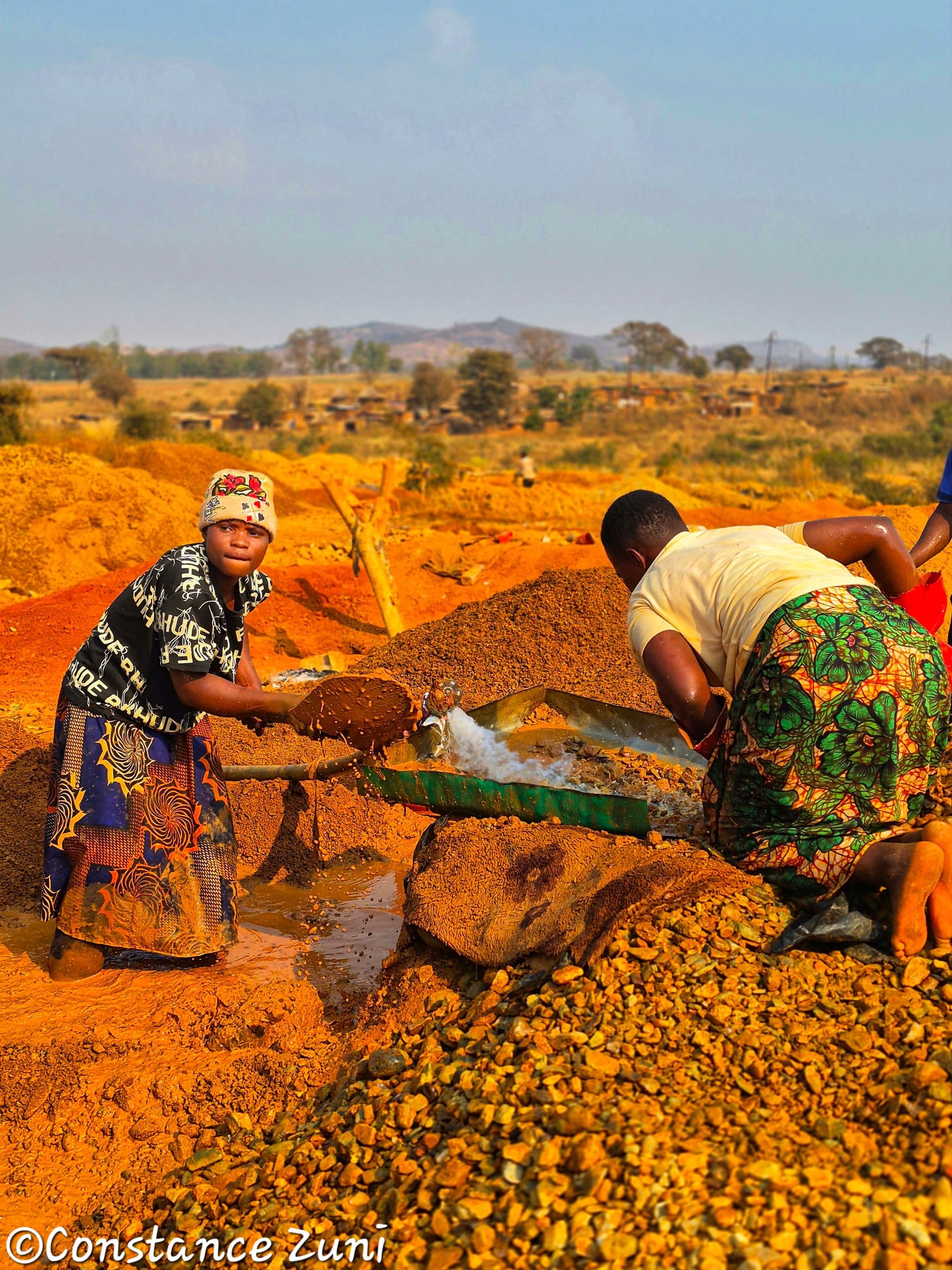
MAZOWE, Mashonaland Central — Before the sun disappears behind Mazowe’s gold fields, women bent over riverbanks will have shifted tonnes of earth in search of something small enough to fit in a pan — and valuable enough to buy a meal.
They work with shovels, sieves and exhausted hands, washing load after load of soil as they chase the glitter that has become a lifeline for families abandoned by a collapsing economy.
In this mineral-rich district, artisanal mining is no longer only a man’s business. For women such as Fadzai Kumwala, Alice Waya and Yvonne Kachika, the pits have become a workplace of last resort — a place where survival is measured not in salaries or contracts, but in whether the day’s dirt produces enough gold to pay for food, school fees and other basic necessities.
The work is dangerous, punishing and uncertain. Yet the alternatives are even fewer.
Kumwala entered the gold fields after an unplanned pregnancy brought her education to an abrupt end. She and her husband now work the claims together, trying to keep their household afloat in an economy where formal employment is increasingly beyond reach.

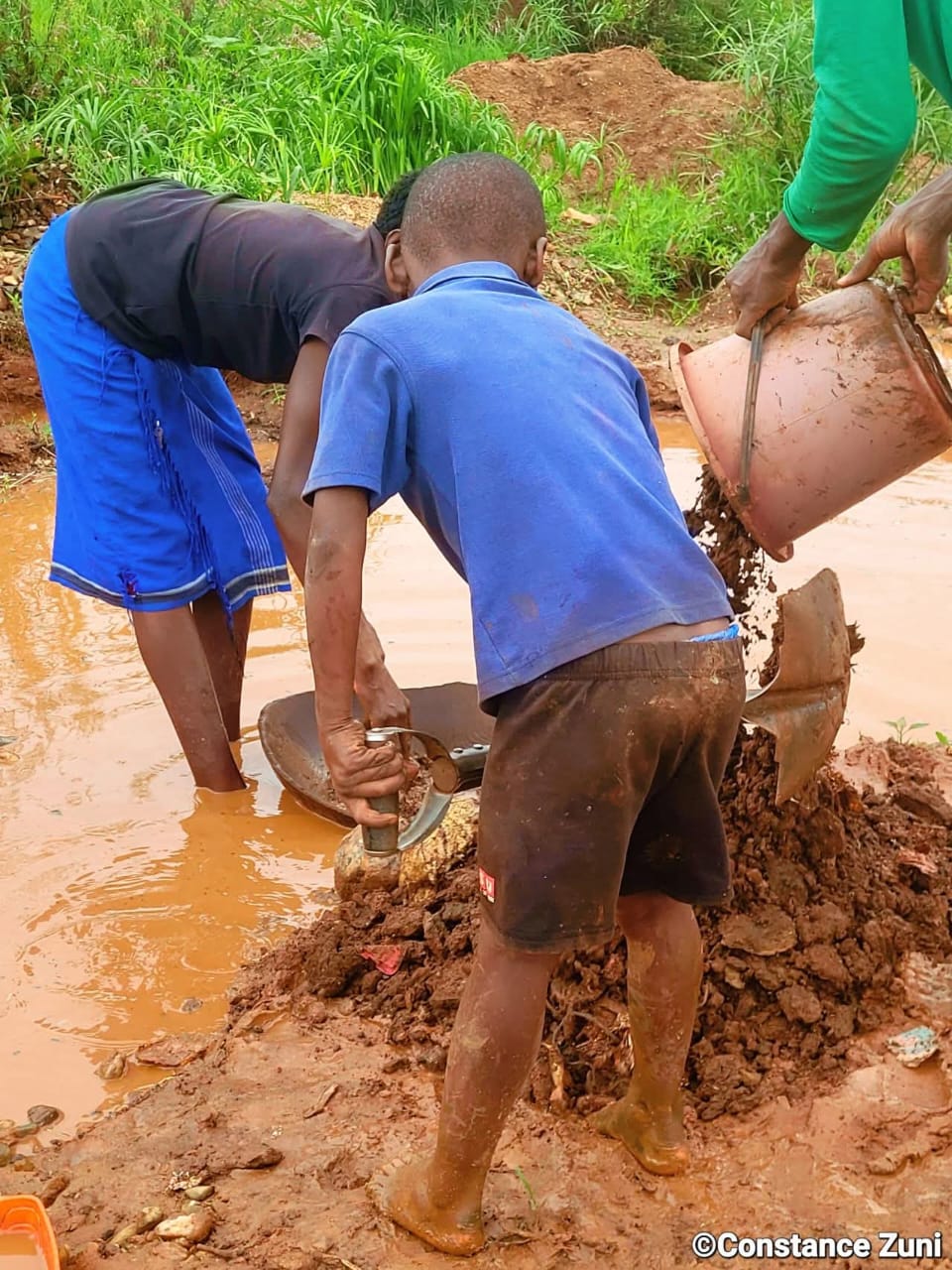
“I started mining after I got pregnant and dropped out of school,” Kumwala said.
Her story is also a warning about the next generation. Kumwala said worsening poverty is pushing teenagers into mining because many families can no longer afford school fees — or even daily meals.
The income from mining can cover the most immediate needs, she said, but it is rarely enough to provide security. There are no contracts, no guaranteed wages and no certainty that tomorrow’s labour will produce anything at all.
For women like Waya, the struggle begins before the first shovel enters the ground. They must fight for access to mining spaces in an industry controlled largely by men, often with better equipment, stronger networks and greater access to capital.
“Mining in a male-dominated environment has not been easy for us,” Waya said.
Every speck of gold matters. Waya said finding even a small amount is enough to make miners “thank the Lord”. But the relief is fleeting. The money must be stretched across groceries, school fees and household expenses, while the next day’s return remains entirely uncertain.
There are no safety nets in the pits. A productive day may bring a modest payout. A bad one brings nothing except injuries, fatigue and the knowledge that the family still needs to eat.
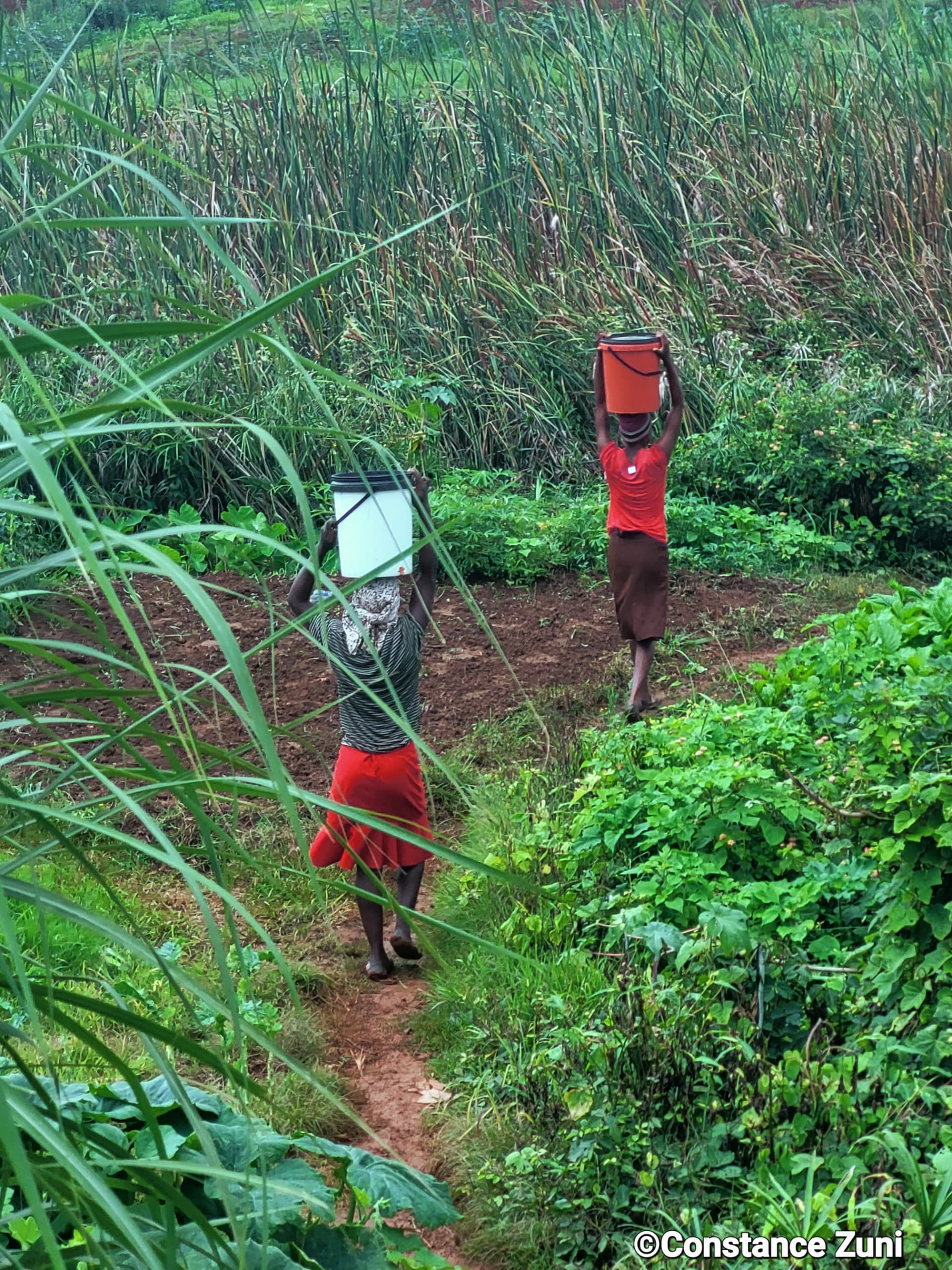
Kachika described the daily journey to the river as a matter of survival rather than choice. With formal jobs scarce, the riverbanks have become the only workplace available to many households in the area.
But the gold rush is destroying the same land that communities depend on for food.

Kachika accused foreign mining companies of tearing through agricultural land and worsening the threat to local food production.
“The Chinese have destroyed our lands through mining, affecting food security, and the community’s ability to grow its own food is being severely crippled,” she said.
Her accusation points to a devastating contradiction at the heart of Mazowe’s mining economy: families are digging for gold to buy food while the expansion of mining is making it harder to grow food locally.
The damage is not limited to farmland. As the search for gold intensifies, communities face the loss of productive land and the growing pressure to exchange long-term livelihoods for immediate cash. For people living from one day to the next, environmental destruction can appear distant — until the harvest fails, the water is polluted or there is nowhere left to plant.
Women in the pits carry the burden in multiple ways. They perform back-breaking work in an industry where they have historically had less access to claims, machinery, finance and decision-making power. They also remain responsible for feeding families and paying school costs, even when the day’s earnings collapse.
Their labour is essential, but largely invisible. The gold may leave the community, yet the women who extract it remain trapped in poverty, exposed to harsh conditions and dependent on buyers and claim holders over whom they have little control.
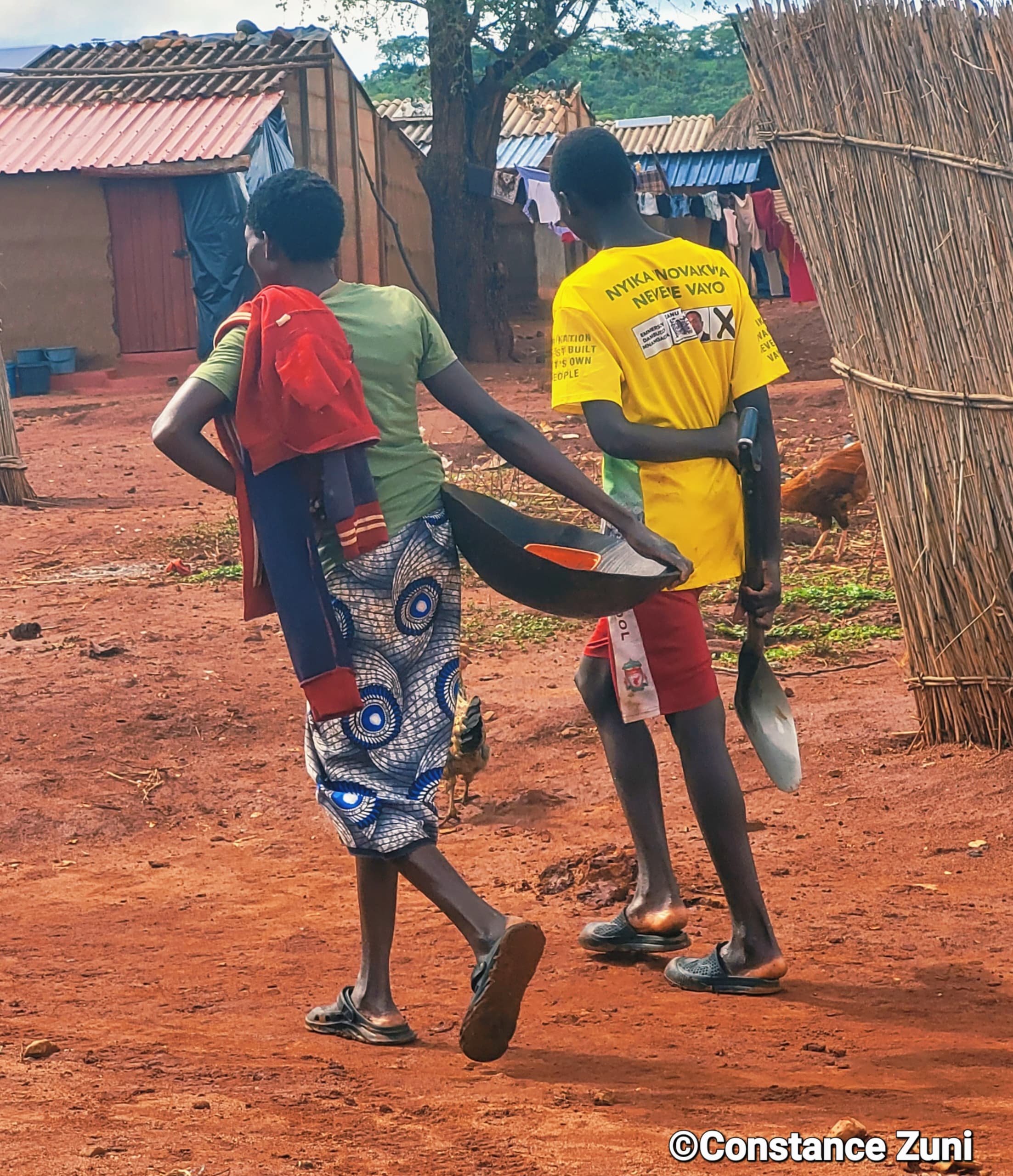

Still, they return every morning.
They return because unemployment has closed the formal economy to them. They return because children need to eat. They return because school fees must be found. They return because, in Mazowe, a woman may have no land left to farm, no job to apply for and no institution willing to protect her from exploitation.
This is not a story of miners chasing sudden wealth. It is a story of women washing the earth for bread — sacrificing their health, their education and the future of their land for the possibility of surviving another day.