
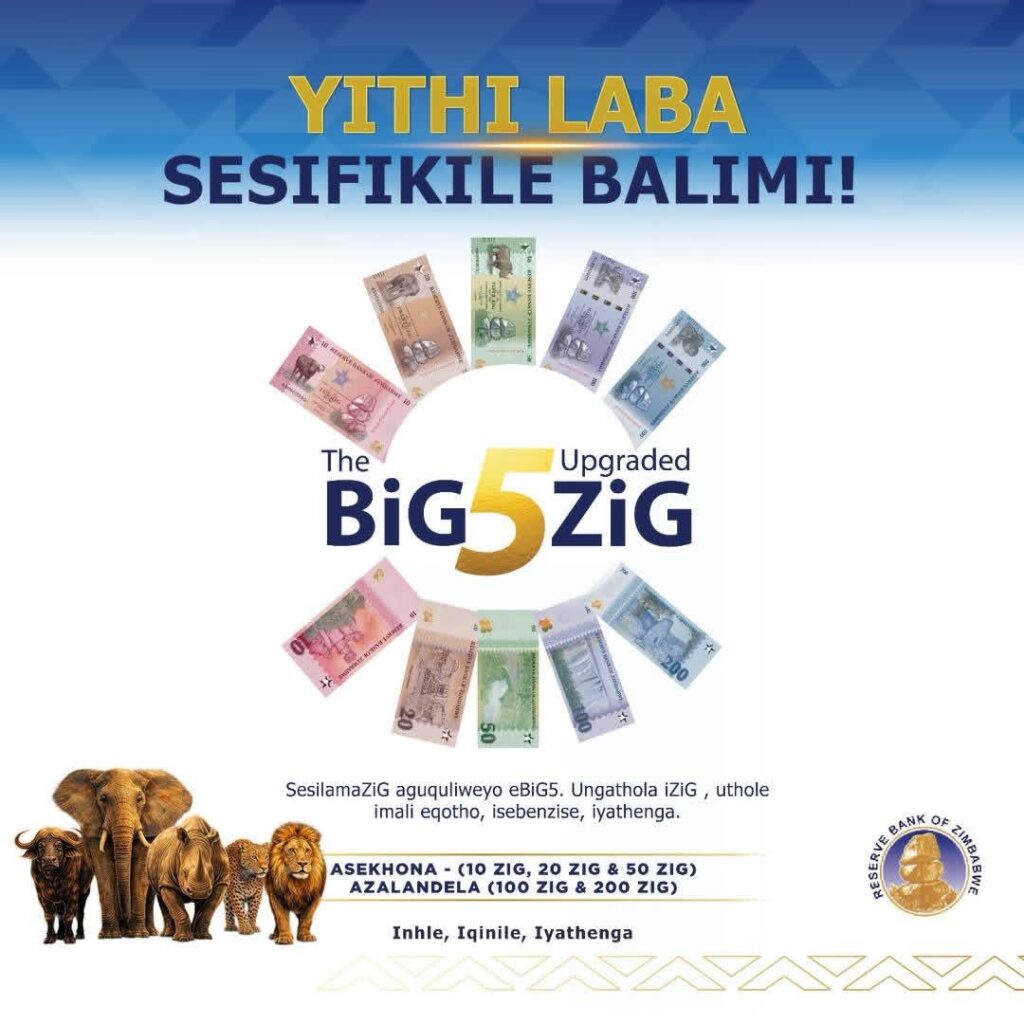
Zimbabwe’s annual local-currency inflation declined to 2.9 percent in August 2026, its lowest level since 1980, according to Reserve Bank of Zimbabwe Governor Dr John Mushayavanhu.
The figure represents a further slowdown from 3.2 percent recorded in July and extends the country’s run of single-digit ZiG inflation to eight consecutive months.
“The Reserve Bank is encouraged by the low single-digit inflation attained in January 2026 and persisted through to August 2026,” Mushayavanhu said in a statement.
He described the August inflation rate as “the lowest single-digit inflation outturn since 1980 — a milestone achievement.”
The central bank attributed the slowdown to monetary and fiscal measures which it said had supported price, currency and exchange-rate stability.
“This is indeed a clear testament that the prudent policies being pursued by the authorities have been effective,” Mushayavanhu said.
Annual ZiG inflation remained below five percent between January and August, averaging four percent during the period. It increased from 4.1 percent in January to 4.8 percent in April following a global oil-price shock that raised domestic fuel prices before retreating in subsequent months.
The Governor said Zimbabwe absorbed the external pressure better than several other countries in sub-Saharan Africa, where inflation reportedly increased by an average of between two and four percentage points.
Annual ZiG inflation of 2.9 percent now compares closely with domestic US-dollar inflation of 3.1 percent. The narrow difference indicates that prices of domestic goods and services have increased at broadly the same rate in the two currencies since August 2025.
“Businesses should be indifferent in terms of pricing and accepting payment in either foreign currency or ZiG,” Mushayavanhu said.
Zimbabwe continues to operate a multicurrency system dominated by the US dollar, while authorities are seeking to expand the use of ZiG and rebuild confidence in the domestic currency.
The RBZ said sustained low inflation should improve predictability in business planning and investment while supporting the wider acceptance of ZiG.
However, lower inflation does not mean that prices are falling. It means prices are rising more slowly. The benefit to households will therefore depend on whether wages and incomes keep pace with the cost of goods and services.
Public confidence will also depend on continued exchange-rate stability, access to foreign currency and consistent monetary and fiscal discipline.
“Going forward, the Reserve Bank remains committed to ‘stay the course and walk the talk’ in ensuring price, currency and exchange-rate stability,” Mushayavanhu said.
He said maintaining stability was critical to strengthening confidence in ZiG and consolidating broader economic stability under the National Development Strategy 2 and Vision 2030.