
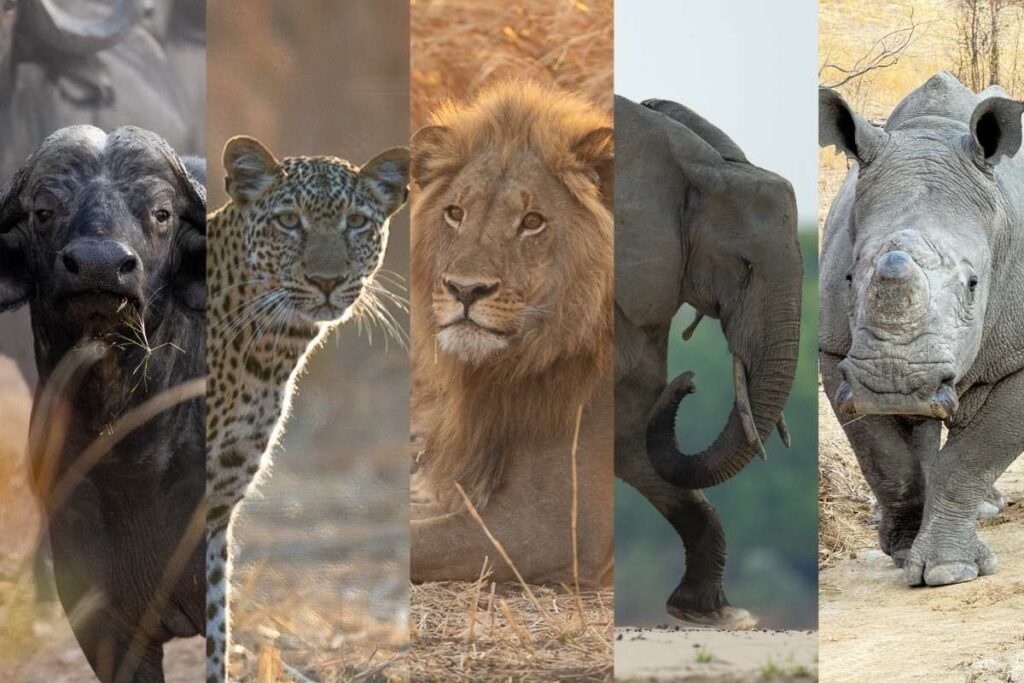
The Zimbabwe Parks and Wildlife Management Authority (ZimParks) has begun the capture and translocation of selected plains game species to Equatorial Guinea under a government-to-government conservation cooperation agreement aimed at restoring wildlife populations in the Central African nation.
The initiative follows a formal request from the Government of Equatorial Guinea for technical assistance to restore selected wildlife populations and strengthen biodiversity conservation within its protected areas, according to a ZimParks press statement issued on Tuesday.
ZimParks spokesperson Luckmore Safuli said the programme forms part of Zimbabwe’s commitment to supporting conservation efforts across Africa while ensuring the country’s own wildlife resources remain protected.
“The translocation is being undertaken under an approved Government-to-Government conservation cooperation arrangement following a formal request from the Government of Equatorial Guinea to help restore selected wildlife populations and strengthen biodiversity conservation within its protected areas,” Safuli said.
He said comprehensive ecological and habitat suitability assessments were conducted before the operation commenced.
“Wildlife experts confirmed that the proposed release sites are appropriate and that the programme will support long-term conservation, ecotourism development and sustainable community livelihoods,” Safuli said.
ZimParks said the animals being relocated are common plains game species drawn from healthy and sustainable populations in Zimbabwe.
The authority said scientific assessments guided the selection process to ensure the removals would not adversely affect the country’s biodiversity, ecological integrity or wildlife populations.
Safuli also sought to reassure the public that the operation poses no threat to Zimbabwe’s wildlife heritage.
“The species being translocated are not threatened or endangered, and the capture, handling and transportation processes are being carried out by experienced wildlife professionals in accordance with Zimbabwe’s law, internationally accepted animal welfare standards and the International Air Transport Association (IATA) Live Animals Regulations,” he said.
He added that Zimbabwe remains committed to responsible wildlife management and collaboration with other African countries in advancing practical conservation solutions that promote resilient ecosystems and sustainable development.
ZimParks said the current operation is lawful, scientifically guided and professionally managed, while reaffirming its commitment to providing accurate information on matters of national conservation interest.