
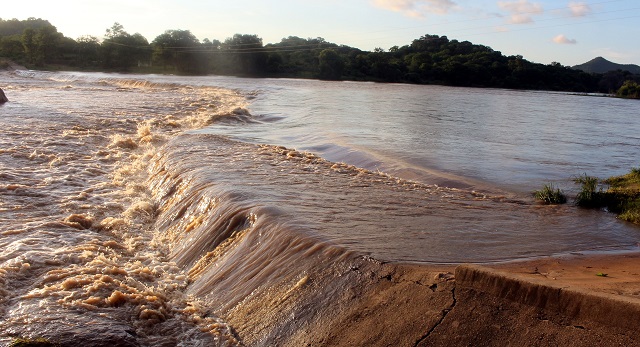
Zimbabwe’s major dams are currently holding an average of 93.1% of their water capacity, with authorities saying the country has enough supplies to meet demand until the next rainy season.
Speaking during Tuesday’s Cabinet briefing, Zimbabwean politician Anxious Masuka said dam levels are higher than those recorded at the same time last year, when national storage stood at 88%.
Masuka said most urban and rural centres are adequately supplied with raw water, with dam levels ranging between 70% and 98% full across the country.
The water reserves are expected to sustain irrigation activities covering more than 243,000 hectares during the current agricultural season.
Government also highlighted the implementation of the “The Dam is the Economy” strategy, which positions water infrastructure as a critical pillar for economic development and improved rural livelihoods.
Through the Presidential Rural Development Programme, authorities have drilled 5,258 boreholes and rolled out 4,837 solar-powered water systems in rural communities nationwide.
Officials added that access to clean water in schools has improved significantly, with nearly 79% of learning institutions now connected to borehole water sources.
Authorities said projects including the Siakobvu Water Project and the Save Alluvial Aquifer initiative are progressing as part of wider efforts to improve national water security and help prevent cholera outbreaks.