
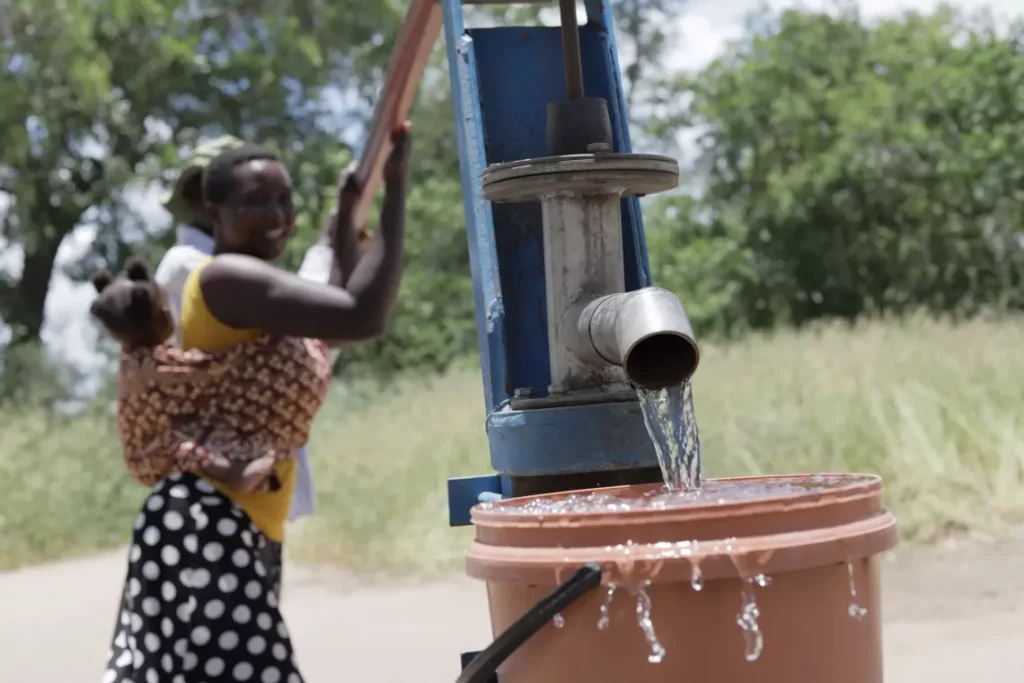
Bulawayo, Zimbabwe – A tragic incident in Bulawayo has highlighted critical public health concerns, with a resident succumbing to acute gastro-enteritis, commonly known as stomach flu. The death is reportedly linked to the consumption of contaminated borehole water in Pumula South, following disruptions to the municipal reticulated water supply.
The unfortunate fatality was documented in the latest health surveillance report issued by the Bulawayo City Council (BCC). Investigations detailed in the report indicate that the deceased did not seek timely medical intervention, leading to severe diarrhea and dehydration that ultimately proved fatal. Post-mortem examinations confirmed that the patient died from hypovolemic shock, a direct consequence of acute gastro-enteritis.
Further compounding the household’s distress, another individual within the same residence subsequently fell ill. Fortunately, this person recovered after receiving treatment at Mpilo Central Hospital, underscoring the severity of the water contamination.
Laboratory tests conducted on water samples from the affected borehole in Pumula South revealed significant contamination, specifically identifying the presence of non-faecal coliforms. This finding points to a serious breach in water safety standards, posing a substantial risk to public health.
Council health officials noted challenges in their investigation, as family members reportedly declined stool sampling and contact tracing efforts. This non-cooperation can impede comprehensive epidemiological assessments and the implementation of effective public health interventions.
The broader context of Bulawayo’s water infrastructure raises further alarms. Recent council water quality checks indicated that a staggering 62% of water points tested across the city failed one or more safety criteria, including instances of faecal contamination. This widespread issue has impacted numerous public facilities, including schools and clinics, in areas such as Nkulumane, Emganwini, and Luveve.
Adding to the crisis, the council’s most recent environmental health report also brought attention to persistent sewer overflows in Emganwini and numerous complaints regarding foul-smelling water in various residential zones. The report explicitly warned that the city’s aging sewer systems and the increasing pressure on existing water networks are significantly elevating public health risks.
In March alone, Bulawayo recorded 247 cases of diarrhea, with one fatality, as detailed in the report. Residents in the western suburbs, particularly affected by the worsening water situation, voiced their concerns, stating that they often have no alternative but to rely on potentially unsafe borehole water sources.
In response to these alarming developments, council health officials have issued an urgent advisory. Residents are strongly urged to boil or disinfect any water obtained from unverified sources. Furthermore, they emphasize the critical importance of seeking immediate medical attention for symptoms such as diarrhea, vomiting, and dehydration to prevent further tragic outcomes.