
Everisto Zhuwao
The Reserve Bank of Zimbabwe (RBZ) says its tight monetary policy stance is helping to stabilise the economy and build confidence in the country’s local currency, the Zimbabwe Gold (ZiG).
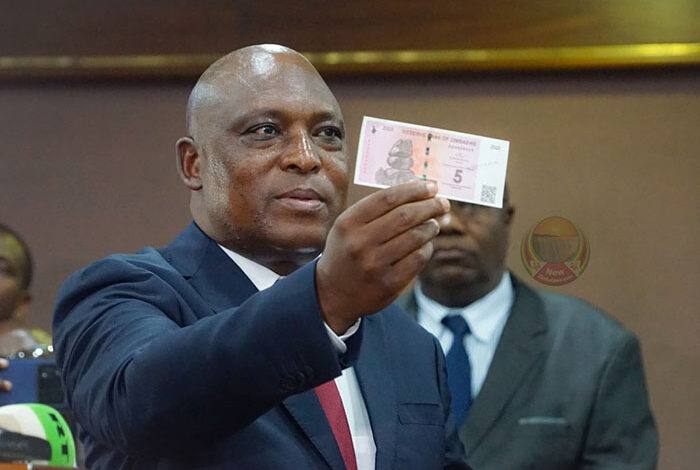
Reserve Bank Governor John Mushayavanhu presented and unpacked the Monetary Policy Statement to Members of Parliament at the New Parliament Building in Mt Hampden, giving legislators a clearer understanding of the country’s economic direction and the measures being taken to maintain stability.
“This engagement allows lawmakers to fully appreciate the policy direction we have taken and the measures designed to safeguard macroeconomic stability,” said Dr Mushayavanhu.
The Governor said the central bank will continue to carefully manage money supply in order to keep prices stable and protect the value of the ZiG. He explained that the Bank’s strict approach is intended to prevent a return to high inflation while supporting sustainable economic growth.
“Our priority remains price stability. We are committed to ensuring that inflation remains low and predictable,” he said.
According to the RBZ, confidence in the ZiG is growing, with more people choosing to keep their savings in local currency bank accounts for longer periods instead of quickly converting them to United States dollars.
“The growing confidence in ZiG is reflected in the behaviour of depositors, who are now holding local currency balances for longer,” the Governor noted.
Figures from the National Payment Systems show that the use of the ZiG for transactions rose to 43 percent in May 2025 and averaged between 35 and 40 percent for much of the year, indicating wider acceptance of the local currency in everyday business.
“The increased usage of ZiG in the payment systems demonstrates rising public confidence in the currency,” he said.
The exchange rate has also remained stable, ranging between ZiG25 and ZiG27 per United States dollar since September 2024. The Reserve Bank attributes this stability to tight control of money supply and strong foreign currency reserves.
“Exchange rate stability has been achieved through disciplined monetary management and adequate reserves backing,” Dr Mushayavanhu explained.
The central bank also conducted stakeholder consultations in February 2026 and gathered feedback through surveys in 2025 to better understand public perceptions of the ZiG. The findings helped shape the current Monetary Policy Statement.
“Consultations and surveys are key to ensuring that our policies respond to the concerns and expectations of the market,” he said.
The RBZ said the tight policies introduced in late 2024 helped reduce inflation to single digits, and it plans to maintain this stance in 2026 to keep prices stable and inflation expectations under control.
“Maintaining single-digit inflation is critical for protecting incomes, savings, and business planning,” the Governor said.
Stable and low inflation is necessary to promote investment and support economic growth under the National Development Strategy 2, as well as to prepare the country for a possible future transition to a single-currency system.
“A stable macroeconomic environment is the foundation for long-term growth and the eventual move towards a mono-currency framework,” he said.
The Reserve Bank emphasised that the reforms introduced in April 2024 marked a turning point in restoring order to the monetary system and rebuilding confidence in Zimbabwe’s domestic currency.