
Itai Mazire
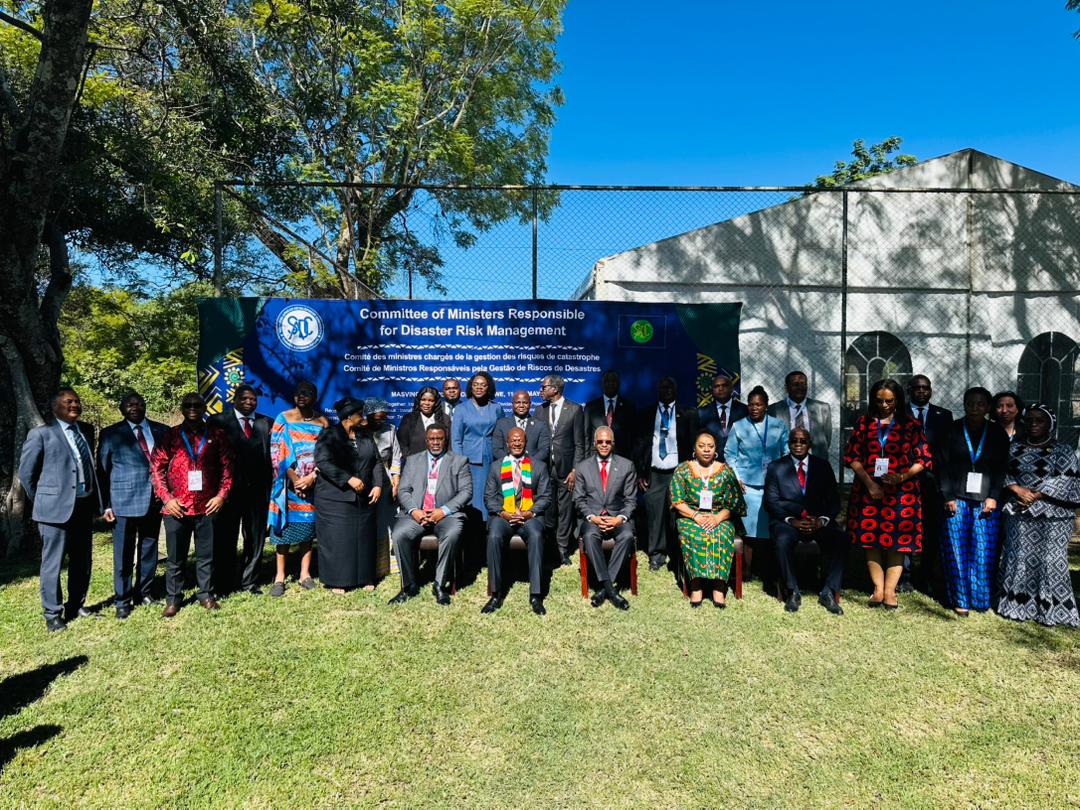
The 6th Ordinary Session of the SADC Ministerial Meeting on Disaster Risk Management was officially opened yesterday at the Great Zimbabwe Hotel, showing a unified regional commitment to safeguarding lives, livelihoods and development gains against the backdrop of increasingly frequent and severe environmental shocks.
The meeting, which commenced with senior officials on Monday, saw ministers from across the Southern African Development Community (SADC) convene to bolster regional cooperation in disaster management.
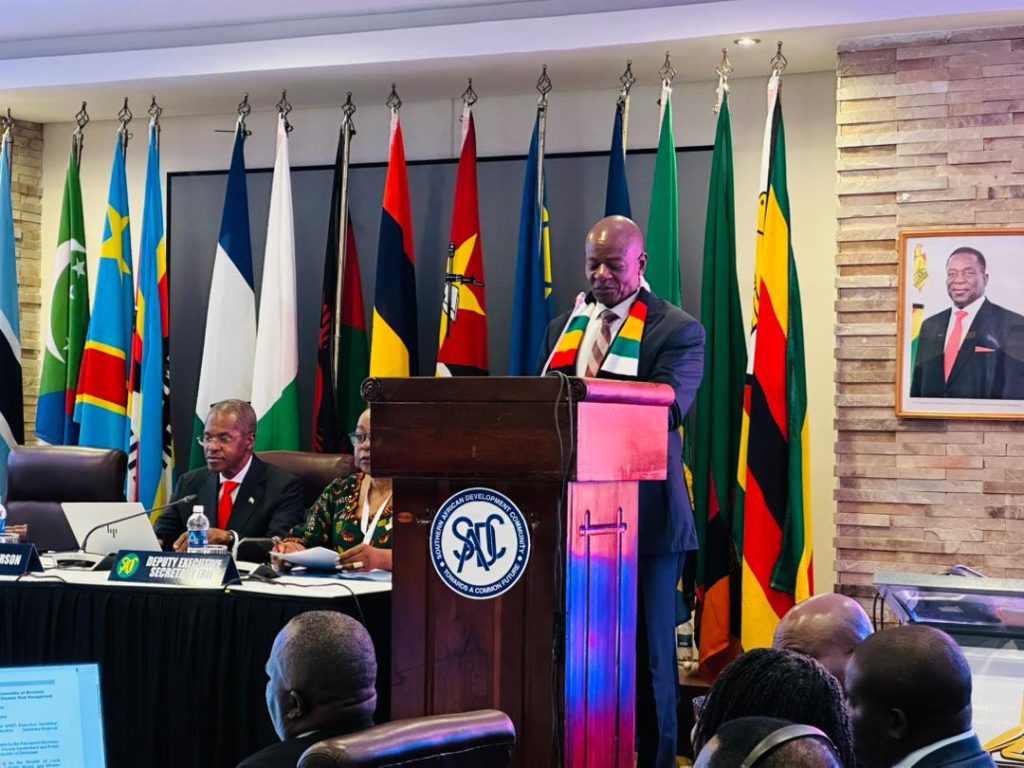
Hon. Daniel Garwe, Minister of Local Government and Public Works, addressed his counterparts, appreciating the critical timing of the gathering.
He highlighted the recent devastating floods and cyclones that impacted Malawi, South Africa, Mozambique and Madagascar during the previous rainfall season.
“This meeting is convened at a critical moment for our region. The recent rainfall season has once again reminded us of the devastating power of nature,” said Hon. Garwe, framing these events as part of escalating patterns driven by climate variability and change.
Hon. Garwe lauded the SADC Humanitarian and Emergency Operations Centre (SHOC) for its swift deployment of Emergency Response Teams to affected nations.
He urged continuous strengthening of SHOC’s capacity to assist Member States in disaster preparedness, response and recovery.
He commended SADC Member States, partners and responders for their exemplary regional solidarity, noting the ongoing development of a SADC Prepositioning Strategy.
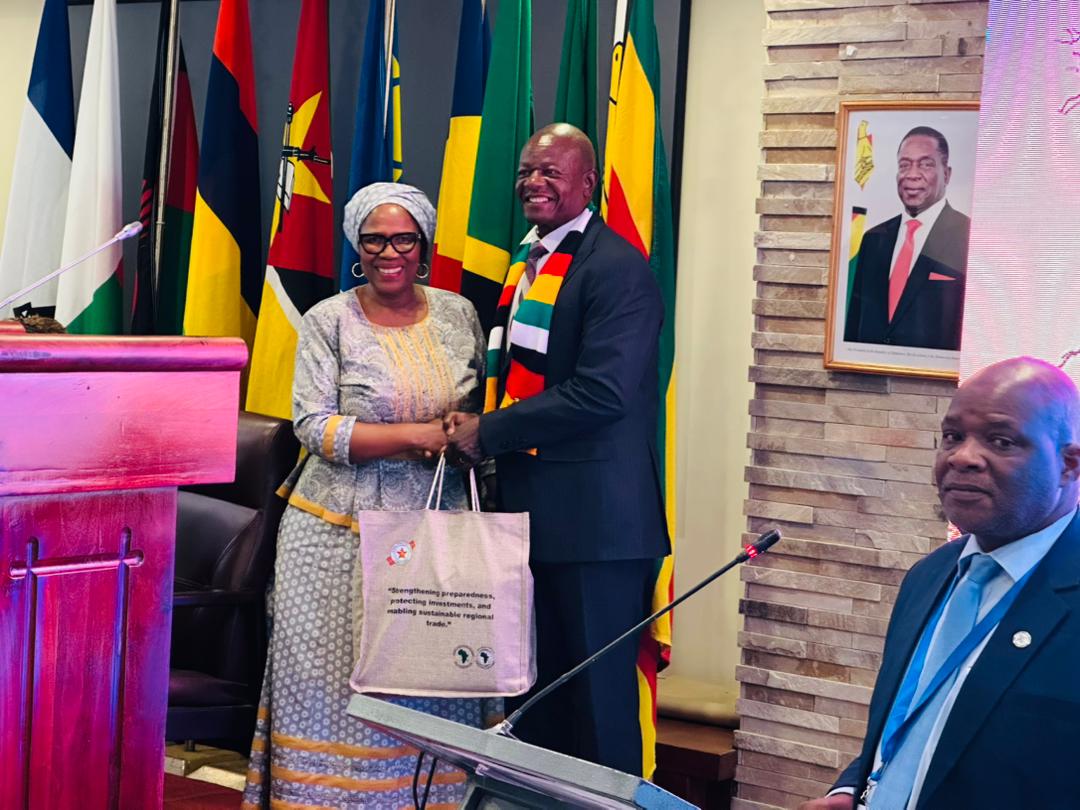

This strategy aims to enhance regional preparedness through the mobilisation and stockpiling of humanitarian relief resources for anticipatory action.
He further stressed the evolving nature of disasters, remarking,
“The disasters we face today are becoming more complex, more intense and more interconnected.
“Floods, droughts, cyclones and other hazards are no longer occasional shocks; they are recurring challenges that threaten our development trajectory.”
In light of this, Hon. Garwe stressed the imperative to integrate anticipatory approaches to shield communities from adverse weather impacts.
He encouraged Member States to prioritise the operationalisation of the SADC Disaster Risk Management Strategy, translating it into tangible outcomes.
Commendable progress has been made in fortifying disaster risk management systems, including the establishment of regional frameworks, early warning systems (EWS) and coordinated response mechanisms.
He called upon Member States to invest in data, technology and information sharing to enhance early warning for early action.
Identifying climate change as a primary driver of disaster risk in the region, Hon. Garwe advocated for the inclusion of climate adaptation and disaster risk reduction into national development plans.
“In that regard, infrastructure must be climate-proofed to withstand the vagaries of climate change; agriculture must also adapt, while urban planning must be alive to climate risk. In doing so, we will not only reduce vulnerability but also unlock opportunities for green growth and innovation.”
He concluded by asserting that resilience building originates at the local level, necessitating the empowerment of communities through community-based disaster risk management and inclusive approaches that involve women, youth, and persons with disabilities.
Member States were also encouraged to leverage technology to improve their predictive, preparatory, and responsive capabilities regarding disasters.
Hon. Velenkosini Fiki Hlabisa, Chairman of the Committee of Ministers Responsible for Disaster Risk Management, echoed these sentiments, highlighting that the meeting convened at a time when the region grapples with increasingly complex and interconnected disaster risks.
He pointed out that climate change, rapid urbanisation, environmental degradation and socio-economic vulnerabilities collectively exacerbate the frequency and intensity of disasters.
Hon. Hlabisa emphasised that the meeting provided a crucial opportunity for the region to reflect on progress, assess existing gaps and reinforce regional cooperation in disaster preparedness, early warning systems, response, recovery, and resilience building.
He implored Ministers Responsible for Disaster Risk Management to ensure the full integration of DRM into regional and national development planning and to recognise the importance of resilience, recovery and reconstruction efforts that not only restore what has been lost but also mitigate future risks.
Speaking on behalf of SADC Executive Secretary Mr Elias Magosi, SADC Deputy Executive Secretary for Regional Integration Ms Angele Makomo N’tumba asserted that preparedness must be a permanent function of government and regional cooperation.
She urged SADC to strengthen its internal mechanisms to reduce vulnerability to external shocks in humanitarian financing.
The meeting also saw the attendance of Hon. Ezra Chadzamira, Minister of State for Provincial Affairs and Devolution for Masvingo; Hon. Eng. B. Kabikira, Deputy Minister of Local Government and Public Works and various development partners.