


Zimbabwe’s journey toward attaining Vision 2030 is closely tied to the protection and development of its human capital, as Government and key stakeholders ramp up efforts to combat drug and substance abuse, now seen as a serious threat to national progress.
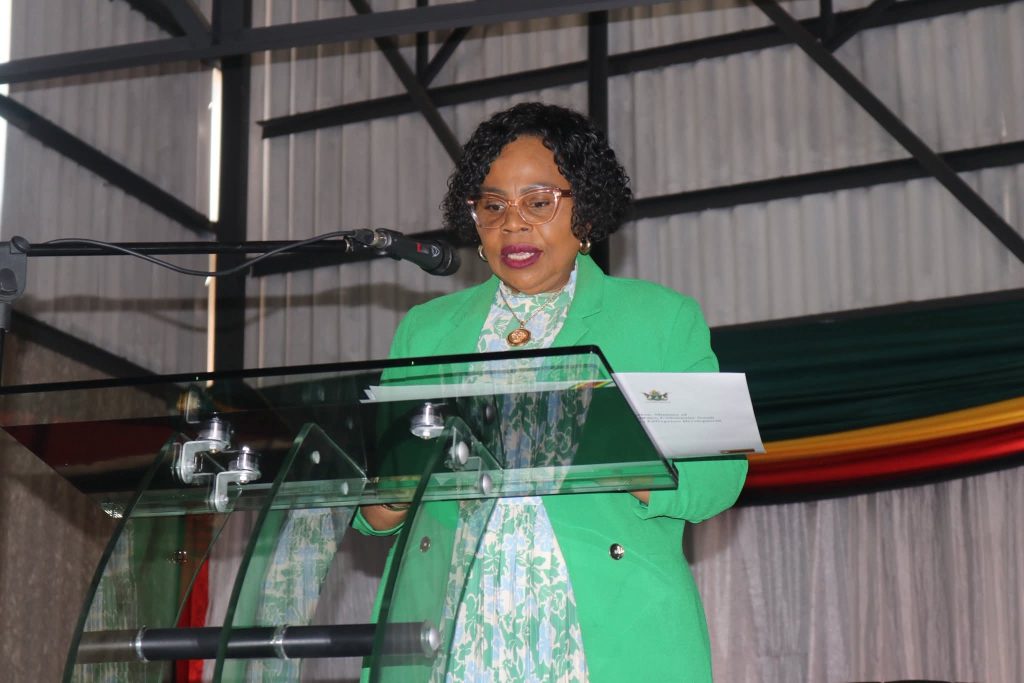
Speaking at an anti-drug awareness march organised by the United Methodist Church (UMC) Harare West District, Minister of Women Affairs, Community, Small and Medium Enterprises Development, Senator Monica Mutsvangwa, stressed that addressing substance abuse is critical to achieving an upper middle-income economy by 2030.
“Drug abuse continues to erode the country’s human capital base, thereby undermining productivity, innovation and long-term economic transformation,” she said.
“A nation’s progress is built on the strength, productivity, and innovation of its people. When drugs rob our youth of their purpose and productivity, they disrupt families, reduce economic output, and threaten the successful attainment of our national aspirations under Vision 2030 and the National Development Strategies.”
She noted that Zimbabwe’s key development frameworks, including National Development Strategy Two (NDS2), place strong emphasis on human capital development an objective that cannot be achieved if young people fall victim to substance abuse.
“These ambitions cannot be fully realised if our youth, who are the backbone of our future workforce and leadership, are lost to substance abuse. Failure to decisively mitigate this challenge would inevitably compromise our ability to fully achieve the aspirations of NDS2 and Vision 2030,” she added.
Senator Mutsvangwa highlighted that Government is implementing a coordinated approach that involves multiple sectors, working alongside institutions such as the Church to ensure a well-rounded response focused on prevention, rehabilitation, and empowerment.
“Government provides policy leadership, coordination, and resources, while the Church offers moral leadership, grassroots reach, and spiritual transformation. Together, this partnership creates a holistic response that addresses both the physical and spiritual dimensions of this crisis,” she said.
Zimbabwe Republic Police (ZRP) Criminal Investigations Department (CID) Drugs Section Detective Sergeant Calphen Foya said law enforcement agencies have stepped up operations targeting drug-related activities and supply networks.
“Between January and April 30, police arrested more than 5 000 individuals in connection with drug-related offences, with the majority being males,” he said.
Authorities also arrested over 800 suspected drug dealers most of them women in a bid to dismantle distribution channels. Additionally, 849 individuals were taken through the courts, while 82 drug bases were identified and shut down.
Det Sgt Foya explained that drugs fall into both legal and illegal categories, cautioning that even prescribed medications like morphine are often misused.
“Abused substances include marijuana, cocaine, illicit brews such as ‘tumbwa’, and cough syrups, with many users initially experimenting due to lack of awareness before developing dependency,” he said.
He warned that substance abuse not only damages individuals’ health but also places strain on families and contributes to rising crime, as some users resort to illegal activities to sustain their habits.
“Individuals who fall into substance abuse require rehabilitation to reintegrate into society, emphasising the importance of prevention, awareness and community support in addressing the crisis,” he said.
The awareness march underscored the strengthening collaboration between Government, law enforcement agencies, and faith-based organisations in addressing drug and substance abuse, reaffirming a shared commitment to safeguarding Zimbabwe’s future and realising Vision 2030.