


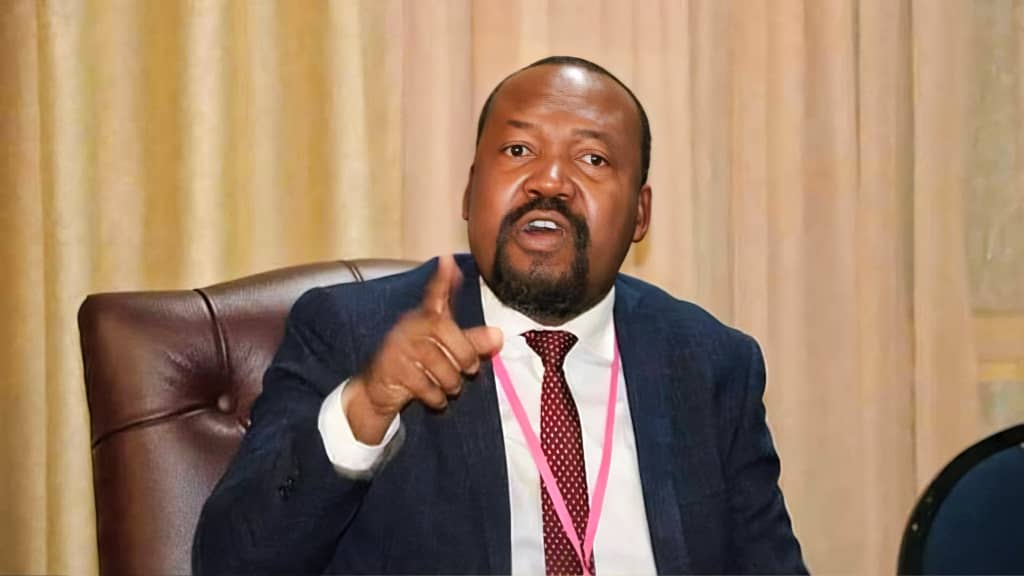
Male MPs in Zimbabwe’s Parliament are leading the charge for gender equality, pushing for a binding rule that would block any bill that fails to meet constitutional gender-equality standards.
The debate on the ZIMSEC Amendment Bill has sparked a passionate plea from MPs like Daniel Molokele Tsiye, who argues that gender balance should be a condition, not just a principle, in every law passed by the National Assembly.
Tsiye, the MP for Hwange Central, emphasised that gender balance is not a favour, but a constitutional requirement that must be met.
“A bill should not pass if it fails the gender-equality test because, as a country, we aim to achieve gender equality,” he said.
His proposal calls for a compulsory 50% women representation clause across all public institutions, citing Sections 17, 56, and 80 of the Constitution.
The proposal also suggests alternating leadership positions in statutory bodies between men and women to reflect the equality guaranteed under the Constitution.
“If the chairperson is a woman, then the vice-chairperson should be a man. If the chairperson is a man, then the vice-chairperson should be a woman,” Tsiye said.
This move aims to address the country’s long-standing struggle with gender parity, where one in three women face gender-based violence and patriarchal norms hinder equal representation.
The calls for change are gaining momentum, with Ruwa MP Thomas Muwodzeri backing Tsiye’s proposal.
Muwodzeri emphasises that women should be prioritised in ZIMSEC board appointments, given their significant role in education and community responsibilities.
“Women should be prioritised… They understand how the education system works,” he said, adding that women’s decision-making power would resolve ZIMSEC’s problems faster.
This unexpected push from male MPs has sparked hope among women’s rights organisations, who have long advocated for constitutional promises to be honoured.
If adopted, this proposal would set a strict 50% gender threshold for all bills, appointments, and statutory bodies, marking a significant turning point in Zimbabwe’s journey towards gender equality.
The move has also sparked interest among international observers, who are watching Zimbabwe’s compliance with global gender-rights conventions.