
World News
China’s Smart Toilets Trade Ads for Toilet Paper


In a new effort to cut costs and curb paper waste, several public toilets across China have introduced a facial-recognition and advertisement-based system that requires users to watch short digital ads before receiving toilet paper.
The initiative, which has been rolled out in select parks and transport hubs in major cities including Beijing and Shanghai, combines smart dispensers with advertising screens. Users stand in front of the device, view a 10–15 second advertisement, and then receive a limited amount of paper , typically about 60 to 80 centimetres per scan.
The technology is part of a broader campaign to reduce resource waste and modernise public facilities. The system also serves as a new avenue for digital advertising, allowing companies to reach consumers in unconventional spaces.
A Beijing municipal official told local media that the program aims to “encourage responsible use of public resources while supporting innovation in service delivery.”
However, public reaction has been mixed. Some residents have praised the move as a “smart and eco-friendly” innovation, while others have criticised it as invasive and inconvenient, raising concerns over privacy and data collection from facial-recognition systems.
The idea is not entirely new — similar toilet paper rationing systems were first introduced in Beijing’s Temple of Heaven Park in 2017, after reports of excessive paper theft. The new generation of dispensers expands on that concept by integrating commercial advertising to help offset maintenance costs.
Technology analysts say the model could mark the start of a growing trend where public utilities double as digital ad platforms, blending civic management with corporate sponsorship.
As China continues to promote “smart city” technologies, the humble toilet paper dispenser has now become an unexpected symbol of the country’s push toward efficiency and monetization, in everyday life.










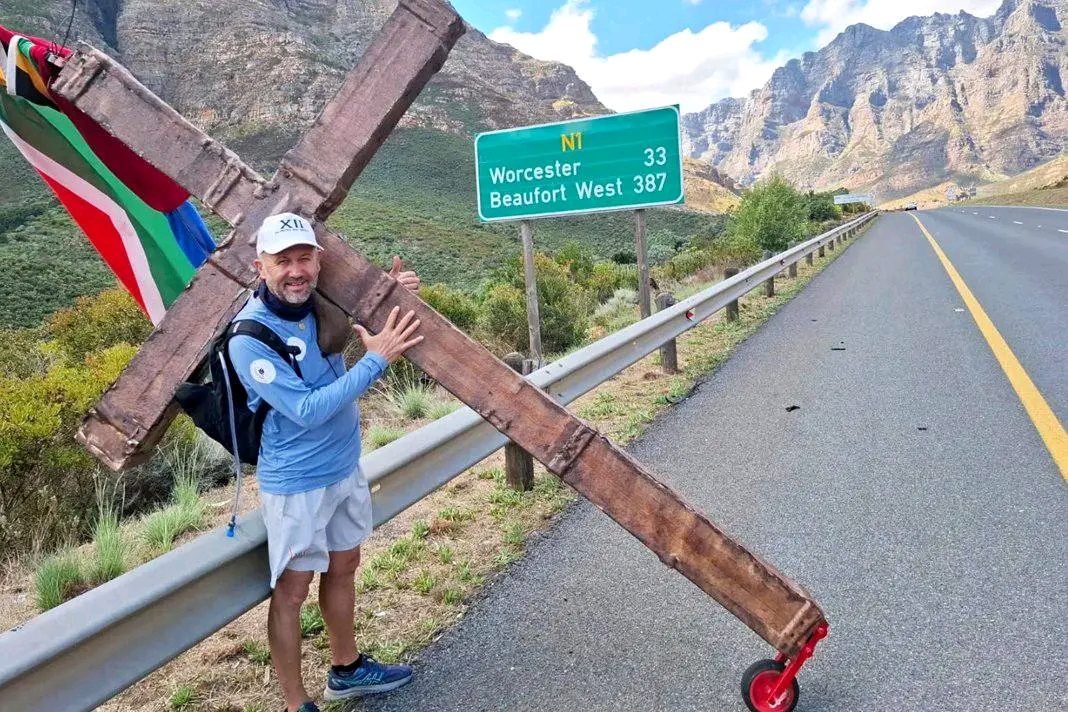
A South African evangelist, Reini Coetzee, has arrived in Masvingo, Zimbabwe, as part of an extraordinary faith-driven expedition that will see him walk from Cape Town to Israel while carrying a wooden cross.
Coetzee, who began his journey earlier this year, plans to cover an estimated 10,000 kilometres, moving through several African countries before eventually heading toward the Middle East. His pilgrimage, he says, is guided by a deep conviction to share hope, peace, and the love of Christ with the people he meets along the way.
Speaking during his stop in Masvingo, the evangelist said he is relying entirely on God for strength, protection, and provision.
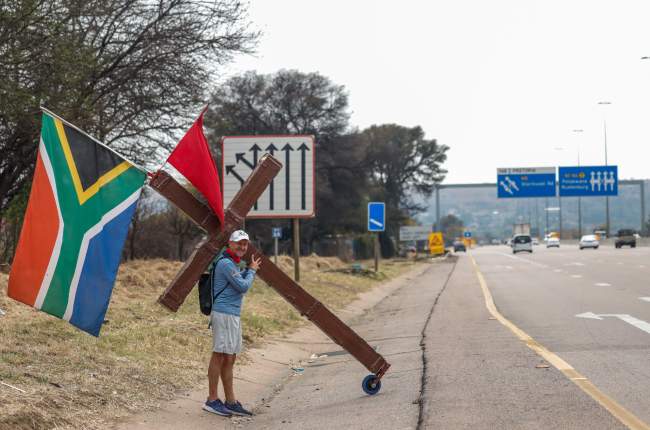
“I am trusting God to bring people who will support me along the way,” he said, noting that he does not travel with a support vehicle or team. Instead, he depends on the kindness of strangers and the hospitality of communities he passes through.
Coetzee says the walk is not a race but a spiritual assignment. He takes each day as it comes, allowing God to guide his steps and the encounters he has along the road.
Along his journey, Coetzee takes time to pray with individuals, encourage families, and speak to communities about the message of Christ. The wooden cross he carries has become a symbol of hope and a conversation starter everywhere he goes.
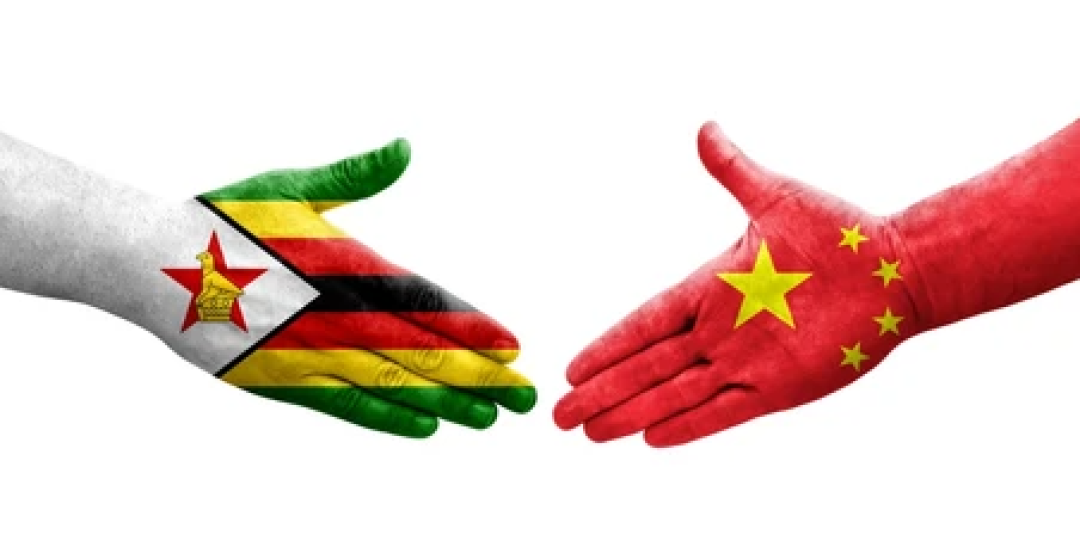
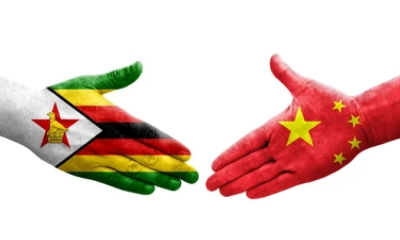
Zimbabwe is strategically positioning its economic future in closer alignment with China, as both nations enter a period of overlapping reform agendas, according to political analyst Dereck Goto.
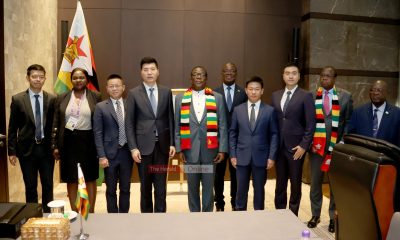
Speaking at a Xinhua News Agency–hosted dialogue at the Golden Peacock Hotel, Goto noted that China’s 15th Five-Year Plan (2026–2030) closely corresponds with Zimbabwe’s National Development Strategy 2 (NDS2), creating opportunities for synchronised reforms under President Xi Jinping and President Emmerson Mnangagwa.
“This alignment offers a rare chance to enhance cooperation in technology, industry, energy, and governance the convergence provides Zimbabwe with strategic advantages at a pivotal stage of its reform process,” Goto said
He also underscored the political significance of China’s decision on 4 September 2025 to elevate its relationship with Zimbabwe to an “All-Weather Community with a Shared Future.”
“This is one of China’s top partnership recognitions, reflecting deep political trust and positioning Zimbabwe as a strategic ally rather than a subordinate partner,” Goto explained.
The analyst highlighted China’s longstanding support, from the liberation era to major projects such as the Kariba South Extension, Victoria Falls International Airport, and the National Defence University.
Under NDS1, cooperation continued with Hwange Units 7 and 8, the expansion of Robert Gabriel Mugabe International Airport, the New Parliament Building, and the Dinson Iron and Steel Company.
Goto further stated that the parallel of China’s 15th Five-Year Plan with NDS2 could fast-track Zimbabwe’s ambitions in energy transition, manufacturing, digital innovation, and the electric vehicle and lithium sectors.
“If leveraged properly, the period from 2026 to 2030 could mark a defining chapter where our countries evolve from strong partners to a shared destiny,” he concluded.
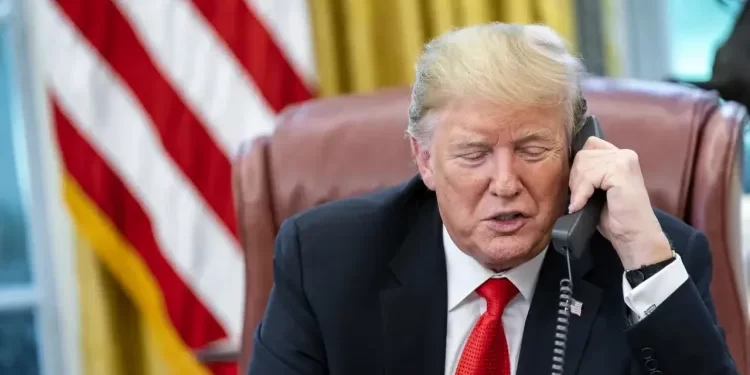
South Africa has announced that it will not take part in the 2026 G20 activities following its exclusion by the United States, which assumes leadership of the grouping next year. Government officials described the decision as a “commercial break” for the duration of Washington’s presidency.
The announcement comes after U.S. Senator Marco Rubio issued a sharp statement on Wednesday confirming that South Africa would not receive an invitation to the U.S.-chaired G20. Rubio criticised Pretoria’s policy direction, claiming that its land reform approach, regulatory framework and equity laws had weakened investor confidence and hampered economic growth. He also accused the government of pushing what he termed “extreme agendas” linked to climate policy, diversity programmes and an overreliance on external assistance.
Rubio went further, alleging that the ruling party had blamed both citizens and international partners for domestic challenges, tolerated attacks on white farmers, and forged close ties with states viewed unfavourably by Washington. He also accused South Africa of ignoring U.S. positions, frustrating negotiations, and exposing personal details of American officials during its recent G20 presidency.
Presidential spokesperson Vincent Magwenya said that South Africa plans to resume its participation once the G20 chairmanship rotates in 2027. Until then, Pretoria will stay out of all G20 engagements.
Political analysts warn that stepping back from the forum could reduce South Africa’s influence on major global issues, especially climate finance, debt relief and development priorities for the Global South. With geopolitical tensions rising, some observers caution that the withdrawal could weaken collective advocacy by developing countries.

Minister Garwe: Housing solutions for War Veterans and Youths in 2026

Mahendere Breaks Down at Outcry Experience, Honours Mother with Car Gift

Championing Service Delivery and Housing Development Ahead of Year-End – Minister Garwe

Operation restore order

Masasi High School Abuse Scandal Sparks Public Outcry

Kuwadzana Man Jailed for Reckless Driving and Driving Without a Licence
-
 Current Affairs1 month ago
Operation restore order
-
 Crime and Courts3 months ago
Masasi High School Abuse Scandal Sparks Public Outcry
-
 Crime and Courts3 months ago
Kuwadzana Man Jailed for Reckless Driving and Driving Without a Licence
-

 Current Affairs5 months ago
Breaking: ZIMSEC June 2025 Exam Results Now Available Online
-
 Current Affairs4 months ago
Munhumutapa Day: Zimbabwe’s Newest Public Holiday Set for Annual Observance
-
 Current Affairs3 months ago
BREAKING NEWS: ZANU PF Director General Ezekiel Zabanyana Fired
-

 Current Affairs4 months ago
No Racism in Our Cricket: Government
-
 Current Affairs4 months ago
Government Bans Tinted Car Windows in Nationwide Crime Crackdown