
Current Affairs
Over 4 000 People With Disabilities to Benefit From Free Funeral Cover

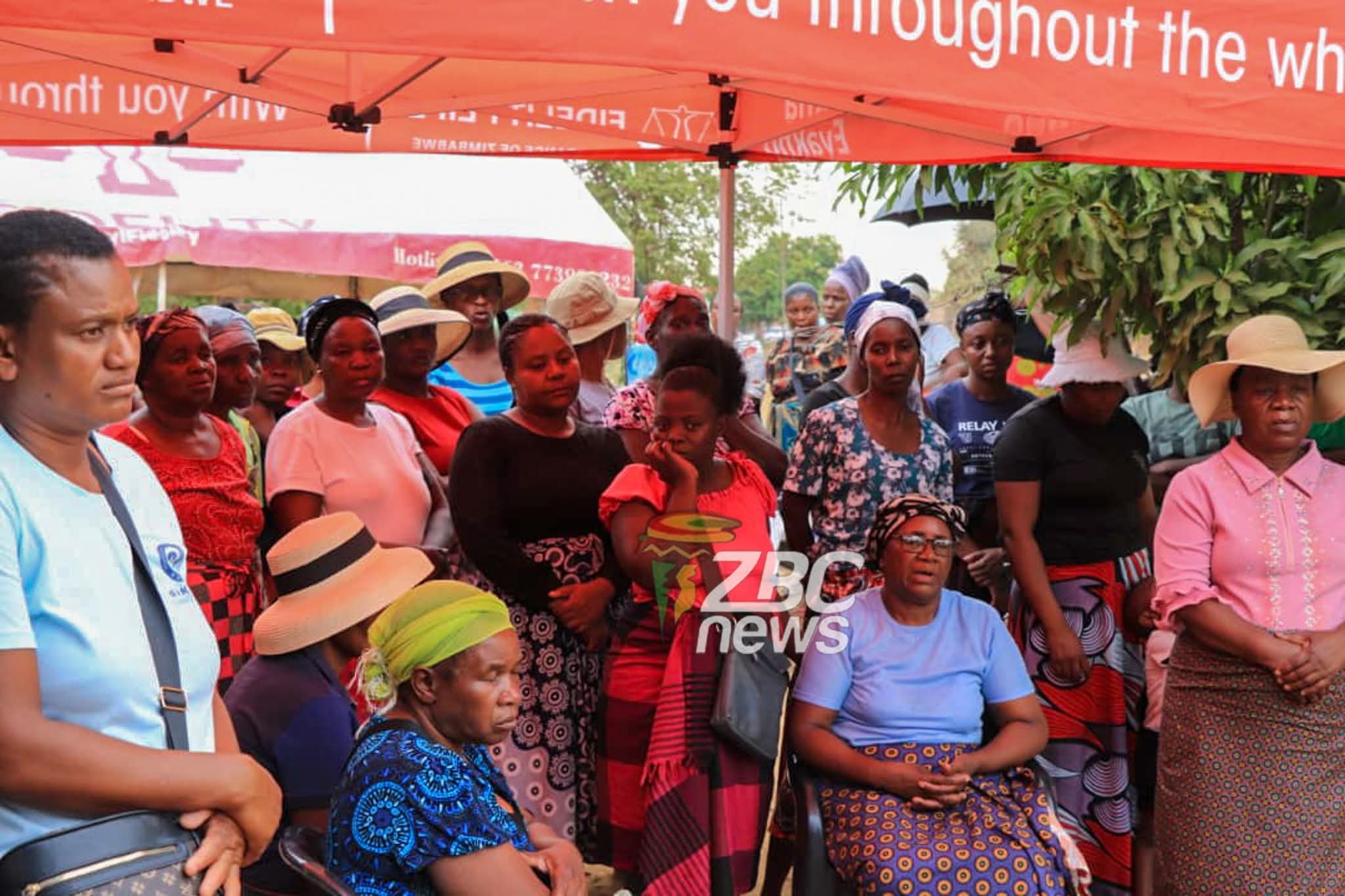
More than 4,000 people living with disabilities are set to receive free funeral cover through a partnership between the Jimayi Muduvuri Foundation and two local funeral service providers.
The initiative, rolled out under the banner People With Disabilities for ED, is being implemented in collaboration with Fidelity Life Assurance and Doves Funeral Services.
The programme’s impact was recently demonstrated following the death of wheelchair-bound Kadoma resident Tawuya Gundani, who became the first beneficiary of the new scheme.
“I am the late Tawuya’s brother, and both of us were born with disabilities. Life has never been easy, but this support gave us dignity in our time of loss. We couldn’t afford a proper funeral, yet this partnership made it possible,” said a family member.
Another relative commended the initiative, saying, “It’s comforting to know that people with disabilities are being recognised. This is true empowerment, and we appreciate the Second Republic for promoting inclusive development through such gestures.”
The free funeral cover is expected to bring relief and dignity to members of People With Disabilities for ED and the Zimbabwe Amalgamated Council of Churches (ZACC) across the country.
“This goes beyond funeral assistance, it shows that we are part of national development,” said one member. “Many of us face financial struggles, so this arrangement gives us peace of mind,” added another.
National chairperson of People With Disabilities for ED, Cde Jimayi Muduvuri, said the initiative reflects the government’s commitment to inclusivity under the Second Republic.
“At least 4,000 members are benefitting from this arrangement at no cost,” he said. “We are guided by the national philosophy that ‘Nyika inovakwa nevene vayo’. Our mission is to respond to the needs of our people, particularly the vulnerable. The Foundation also continues to offer free medical services nationwide.”
The development complements the government’s ongoing efforts to promote inclusive growth, which include the drafting of the Persons with Disability Bill, a key step in protecting and empowering people with disabilities across Zimbabwe.


Itai Mazire
IN A MOVE to enhance road infrastructure and safety, the Government has announced a five-month closure of a critical section along the Harare-Nyamapanda Highway to facilitate toll plaza construction and major rehabilitation works.
The Ministry of Transport and Infrastructural Development, in conjunction with the Zimbabwe National Road Administration (ZINARA), in a statement said that the section between the 40kilometre and 40.5kilometre peg will be completely closed to traffic starting 18 February, until 31 July 2026.
The closure, mandated under the Roads Act, is a necessary step in the upgrading of the vital arterial route.
During this period, all traffic will be diverted onto a detour road, and authorities have called for utmost cooperation from the motoring public.
“The closure is necessary to facilitate toll plaza construction,” it stated.
In a full list of directives to ensure public safety, the Ministry implored drivers to adhere strictly to the following rules:
“Reduce speed when approaching the construction zone and strictly adhere to traffic control signs and signals.
“Drive with due care and attention, exercising patience and following instructions from traffic control personnel.
“Plan for extra travel time to account for potential delays; and”
“Yield the right of way to all construction vehicles and respect the safety of the teams working on-site,” said the Ministry.
The development is expected to impact cross-border hauliers and commuter omnibuses, with delays anticipated particularly during peak hours.
In a closing appeal for understanding, the Ministry stated: “Your patience during this period is greatly appreciated. We look forward to your continued support and cooperation in maintaining road safety.”
The project falls under the ongoing Kilometre by Kilometre road rehabilitation program.
In a related matter the Ministry announced the temporary and partial closure of a route stretching from J.M. Nkomo Street (at the statue) through Masotsha Ndlovu Avenue and Lady Stanley Street, and along Victoria Falls Road up to Masiyepambili Drive.
The closure, which began on 16 February 2026, is scheduled to last until 30 April 2026.
With the affected area being heavily built-up, authorities have outlined specific alternative routes for different vehicle types. Light vehicles will navigate the work zones using “stop-and-go” mechanisms, while residential routes will remain open for local property access. In a critical directive for hauliers, the Ministry stated: “All heavy vehicles must reroute via Masiyepambili Drive to access the CBD.” Access on Old Falls Road will be strictly limited to local residents only.
In a safety advisory issued to the public, the Ministry strongly urged drivers to obey all posted traffic signs, drive with caution at reduced speeds, and allow for extra travel time in their schedules.
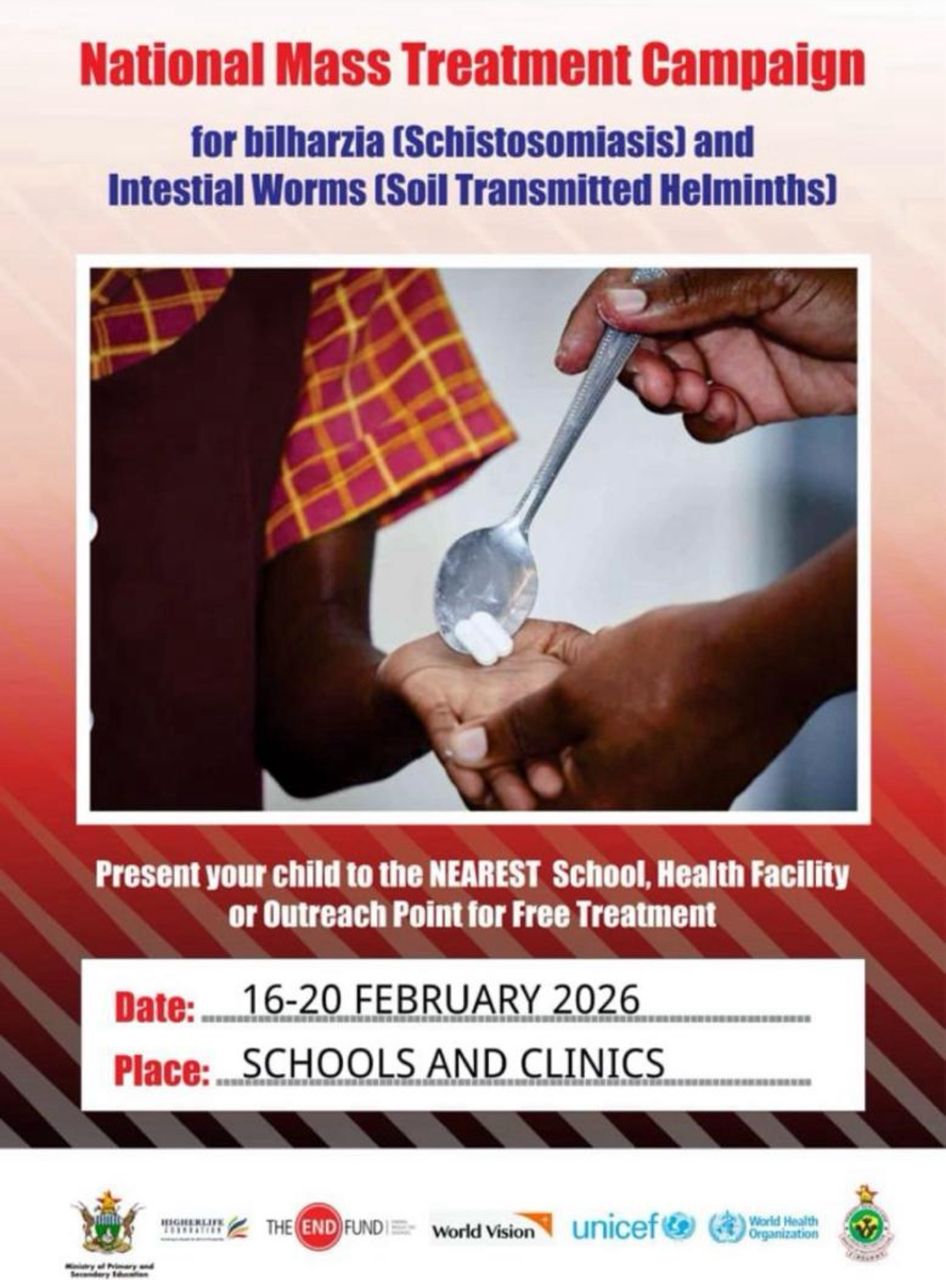
The Ministry of Health and Child Care has rolled out a nationwide Mass Drug Administration (MDA) campaign targeting schistosomiasis (bilharzia), marking a major step in efforts to eliminate the disease as a public health concern in Zimbabwe.
The campaign, which runs from 16 to 21 February 2026, focuses on protecting children aged 5 to 14 years, the group most vulnerable to bilharzia infection. A total of 1,477,966 children are expected to receive free treatment using Praziquantel, the recommended medication for schistosomiasis.
The MDA targets seven rural provinces: Mashonaland East, Mashonaland West, Mashonaland Central, Midlands, Manicaland, Matabeleland South, and Masvingo areas where the disease remains a persistent health challenge due to limited access to safe water and sanitation.
Treatment will be provided free of charge at the nearest health facilities, primary and secondary schools, and designated static health points, ensuring wide coverage and easy access for both school-going and out-of-school children.
The campaign is being implemented with critical support from key partners. Higherlife Foundation has contributed financial and technical assistance, while the World Health Organization donated the Praziquantel required for the mass treatment exercise.
Health officials say the combined school- and community-based approach is designed to significantly reduce infection rates, prevent long-term complications, and improve overall child health and wellbeing in the targeted provinces.
“This intervention represents a significant milestone in our national goal to eliminate schistosomiasis,” the Ministry said, urging parents, guardians, and communities to support the programme and ensure all eligible children receive treatment.
Schistosomiasis, commonly known as bilharzia, is a preventable and treatable disease. Authorities emphasize that sustained community participation is essential to breaking transmission cycles and safeguarding the health of future generations.
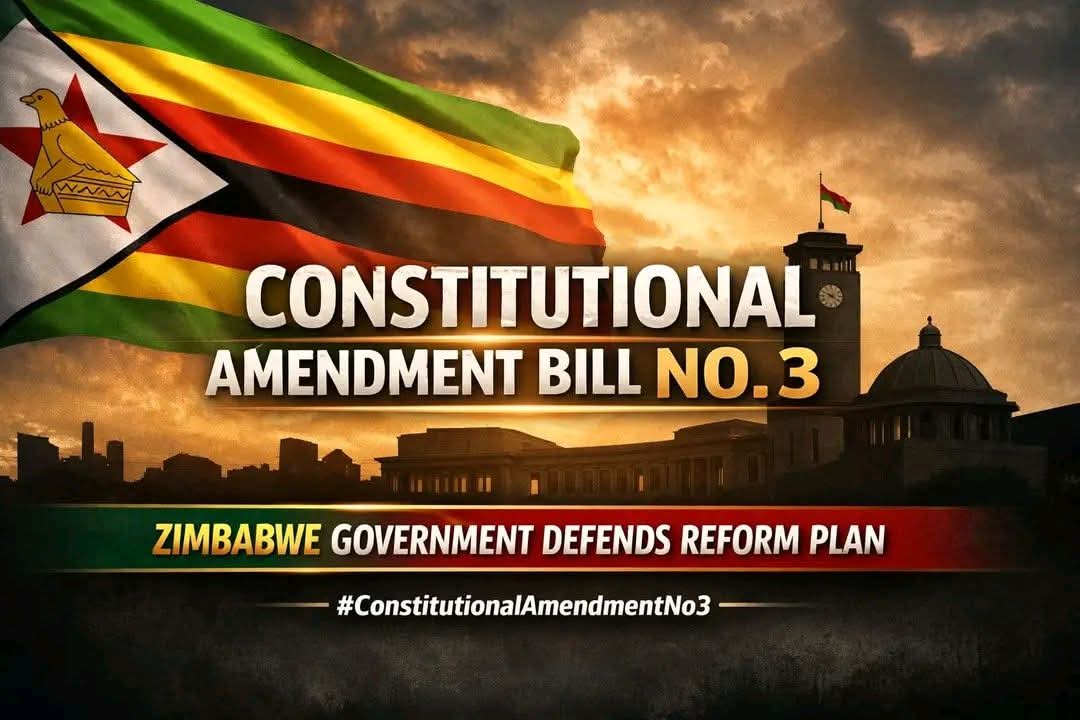
The Government has gazetted the draft Constitutional Amendment No. 3 Bill on Monday, 16 February 2026, setting in motion a major constitutional review process that could significantly reshape Zimbabwe’s governance system.
If passed, the proposed amendment would allow President Emmerson Mnangagwa to extend his current term and would fundamentally change how national leaders, including the President, are elected. Parliament has now opened a 90-day period for public debate, after which the Bill will be formally tabled for consideration.
According to the official Memorandum, the Bill is presented as a package of “constructive reforms” aimed at strengthening constitutional governance, improving institutional efficiency, and aligning Zimbabwe’s constitutional framework with practices used in other African countries. Government says the proposals are meant to modernise the 2013 Constitution while preserving its core values.
One of the most far-reaching proposals is the introduction of a parliamentary method of electing the President, replacing the current system of direct presidential elections. Under this model, Members of Parliament would elect the President, with a run-off if no candidate secures an outright majority. The process would be overseen by electoral authorities to ensure fairness and transparency.
The Bill also proposes extending the presidential and parliamentary term from five years to seven years, a move government argues will reduce frequent election pressures and allow more time for long-term development projects to be implemented.
In another major change, responsibility for voter registration and the voters’ roll would be transferred from the Zimbabwe Electoral Commission (ZEC) to the Registrar-General. Government says this will improve efficiency, as the Registrar-General already manages national population records.
The proposed amendment further restructures electoral institutions by creating a Zimbabwe Electoral Delimitation Commission, which would take over boundary-drawing functions. This would effectively remove ZEC’s current dual role, a move authorities say promotes institutional integrity and good governance.
Other provisions include increasing the number of appointed senators to 90, giving the President power to appoint ten senators to bring in technical expertise and promote inclusivity. The Bill also expands the powers of the Constitutional Court, allowing it to hear cases of major public importance beyond constitutional disputes and presidential election petitions.
Several constitutional commissions are also affected. The Bill proposes dissolving the Zimbabwe Gender Commission and the National Peace and Reconciliation Commission, with their functions reassigned to existing bodies such as the Zimbabwe Human Rights Commission. Government argues this will reduce duplication and streamline oversight.
Judicial and security sector provisions are also amended, including changes to the appointment of the Prosecutor-General and clarifying the constitutional role of the Defence Forces.
As the 90-day consultation period begins, the proposed Constitutional Amendment No. 3 Bill is expected to generate intense national debate. Supporters say it promotes stability and efficiency, while critics are likely to question its implications for democracy, accountability, and executive power.
The coming months will determine whether these sweeping changes gain public and parliamentary approval.

Govt Closes Key Harare-Nyamapanda Stretch For Toll Plaza Construction

Zimbabwe Launches National Bilharzia Drug Campaign

Police Arrest Two in Major Drug Bust That Shocks Plumtree

Operation restore order

Masasi High School Abuse Scandal Sparks Public Outcry

Kuwadzana Man Jailed for Reckless Driving and Driving Without a Licence
-
 Current Affairs3 months ago
Operation restore order
-
 Crime and Courts5 months ago
Masasi High School Abuse Scandal Sparks Public Outcry
-
 Crime and Courts5 months ago
Kuwadzana Man Jailed for Reckless Driving and Driving Without a Licence
-
 Current Affairs7 months ago
Breaking: ZIMSEC June 2025 Exam Results Now Available Online
-

 Current Affairs6 months ago
Munhumutapa Day: Zimbabwe’s Newest Public Holiday Set for Annual Observance
-

 Current Affairs4 months ago
BREAKING NEWS: ZANU PF Director General Ezekiel Zabanyana Fired
-

 Current Affairs6 months ago
No Racism in Our Cricket: Government
-

 Current Affairs6 months ago
Government Bans Tinted Car Windows in Nationwide Crime Crackdown