
Current Affairs
CHINESE EMBASSY WARNS NATIONALS IN ZIMBABWE

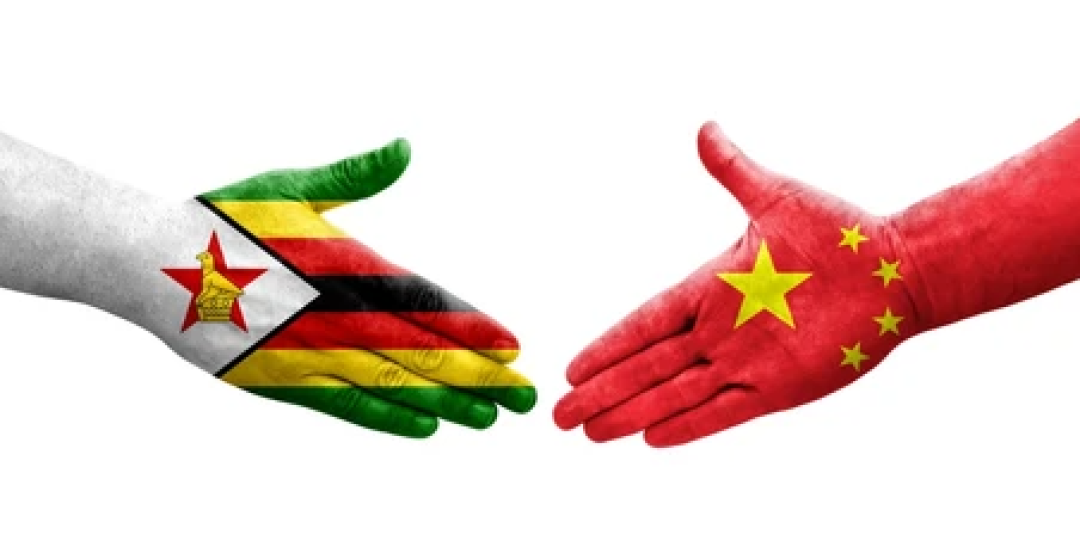
The Chinese Embassy in Harare has issued a strong warning to its citizens working and investing in Zimbabwe, urging them to obey local laws, respect communities, and avoid activities that harm the environment.
In a notice titled “Important Notice to Chinese Nationals: A Reminder on Investment and Business Operations in Zimbabwe,” the embassy told Chinese investors to act responsibly and follow Zimbabwe’s regulations.
The warning follows several incidents that have angered the public, including the shooting of a local man in Mutoko by a Chinese security officer at Zhuhe Mining Investments, and the collapse of unsafe mining sites linked to foreign-owned companies.
The embassy said Chinese nationals must carry out proper research before investing and avoid conflicts or illegal activities. It also reminded them that the misuse of firearms is against the law and should be strictly controlled.
Chinese companies were urged to treat workers fairly, protect the environment, and take part in community development projects. “Act as a partner in Zimbabwe’s development,” the embassy said, encouraging Corporate Social Responsibility (CSR) initiatives to build trust.
The statement also warned against bribery and corruption, saying these are crimes in both China and Zimbabwe. It advised investors to report any cases of corruption to Zimbabwean authorities.
Chinese businesses in Zimbabwe are now required to register with the embassy and stay in contact for consular support.
The embassy’s warning comes amid growing concern over the behaviour of some Chinese investors accused of labour abuse, pollution, and ignoring community rights in Zimbabwe’s mining areas.


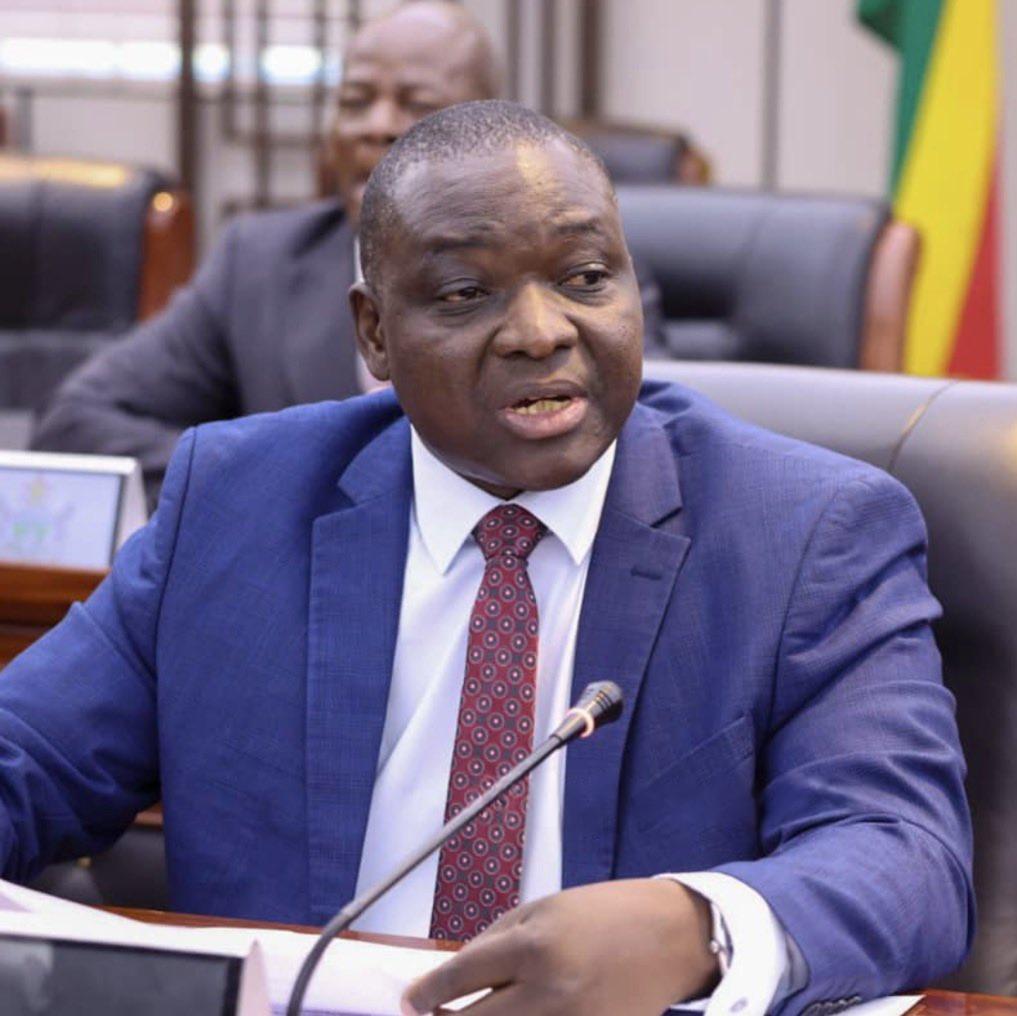
Harare, Zimbabwe – On the occasion of World Press Freedom Day, Hon. Dr. Z. Soda, Minister of Information, Publicity and Broadcasting Services, emphasized the fundamental value of a free, independent, and responsible press as a cornerstone of democratic society. In his statement, Minister Soda highlighted the government’s commitment to fostering an informed citizenry and uniting Zimbabwe through responsible journalism.
Minister Soda pointed to significant advancements in press freedom under the Second Republic, led by His Excellency Dr. E.D. Mnangagwa. These include the enactment of the progressive Freedom of Information Act, the operationalization of the independent Zimbabwe Media Commission, and the licensing of 40 new independent community and commercial radio stations. He stated that these developments have created a transparent environment for information, fostering trust in public institutions and recognizing an informed citizenry as essential for democracy.
Addressing the growing challenges posed by fake news, disinformation, and hyper-realistic manipulated content (deepfakes), Minister Soda issued a stern warning. He asserted that press freedom does not grant license “to lie, to manipulate, or to destroy.” The Minister stressed the ethical responsibility of every journalist, editor, and media house to verify information, correct errors, and reject sensationalism, ensuring that media serves as a vehicle for truth and not disinformation.
To counter the spread of misinformation, the government has initiated a national program to promote Media Literacy. This initiative aims to equip citizens with critical thinking skills to evaluate information, identify credible sources, and recognize manipulated content. Minister Soda underscored that media literacy is crucial, as press freedom alone is insufficient without an informed public. He reiterated that an empowered citizenry is the best defense against disinformation, and the program seeks to ensure all Zimbabweans become active, informed, and responsible consumers of media.
Furthermore, Minister Soda emphasized that press freedom should not be an excuse to import or propagate ideas alien to Zimbabwean values, traditions, and way of life. He highlighted the importance of honoring Zimbabwe’s rich cultural practices, including respect for elders, communal spirit, Ubuntu, languages, and heritage. He affirmed that the media has a sacred duty to be a custodian of Zimbabwean culture, telling national stories and celebrating heroes, while offering constructive critique rooted in love for the nation.
In closing, Minister Soda reiterated the Ministry of Information, Publicity and Broadcasting Services’ role as a partner, not an adversary, in building a better Zimbabwe. He encouraged all media workers, from veterans to rookies, to collaborate constructively and ensure that the nation remains unified. “Your work matters. Your freedom is precious. Protect it, and use it well,” he concluded, reinforcing the government’s dedication to a vibrant and responsible media landscape.

Harare, Zimbabwe – Zimbabwe’s National Pharmaceutical Company (NATPHARM), the critical backbone of the nation’s medicine supply chain, is in dire need of a substantial financial injection to avert a collapse that could severely impact public health.
This stark revelation emerged from Aspect Maunganidze, the Secretary for Health and Child Care, during a recent appearance before the Health and Child Care Portfolio Committee.
Maunganidze painted a grim picture for legislators, stating unequivocally that NATPHARM is currently in a precarious financial position and requires immediate intervention. “NATPHARM is currently not financially sound to deliver its mandate and there is a need for some form of capitalization at this stage,” he emphasized, highlighting the urgency of the situation.
In response to this looming crisis, the Ministry of Health and Child Care has already initiated efforts to secure emergency funding. Maunganidze confirmed that the ministry is actively mobilizing US$10 million through the Treasury for an immediate release. This sum is deemed crucial to “allow for immediate medicines to replenish stock,” a vital step to prevent further deterioration of medicine availability.
The financial woes extend to NATPHARM’s obligations to its suppliers. The company is currently burdened with approximately US$7.5 million in outstanding payments to two key contractors, IntraFAMO and Clean Planet.
As a wholly state-owned entity, NATPHARM’s mandate encompasses the procurement, warehousing, and distribution of all medicines and medical supplies to public health institutions nationwide. Its operational stability is thus intrinsically linked to the overall functionality and effectiveness of Zimbabwe’s healthcare system.
Further insights into NATPHARM’s struggles were provided by Maunganidze, who disclosed that the company significantly underperformed financially in 2025. Total revenue reached only US$25.5 million, falling substantially short of the projected US$36.2 million. While handling income slightly surpassed its budget at US$9.7 million (against US$9.1 million), sales revenue stood at US$15.8 million.
However, these figures are overshadowed by considerable liabilities and operational inefficiencies. Maunganidze pointed out a total debt of US$1.1 million and a staggering US$3 million worth of expired stock written off in 2025. Internal assessments indicate that a significant portion—nearly 80%—of this expired stock could have been salvaged with improved systems and more effective planning.
The Health Ministry also raised concerns about the persistent shortage of essential medicines in public health facilities. “The ministry expects that 50% of its institutions should at least be well stocked on tracer medicines. Currently, our performance is at about 47%,” Maunganidze reported, indicating a shortfall in critical drug availability.
Tracer medicines, along with the Vital, Essential, and Non-essential (VEN) classification system, are standard metrics used to evaluate the availability of crucial drugs and the efficiency of supply chain performance. NATPHARM’s current performance on the VEN system is 65%, which is below the minimum acceptable threshold of 70%. “We are generally below the levels on both the tracer medicines and on the VEN for us to be supplying medicines adequately for our institutions,” Maunganidze concluded, emphasizing the systemic challenges that continue to plague the nation’s pharmaceutical supply and distribution network.


Businessman Wicknell Chivhayo has issued a strongly worded response to lawyer Thabani Mpofu, rejecting allegations that he wields influence over the ruling ZANU-PF and accusing the advocate of making “baseless and nonsensical” claims.
Chivhayo dismissed the claims as unfounded, stressing that suggestions he controls the ruling party are misleading and without merit.
“Such allegations were designed to tarnish his image and misrepresent his role in politics.
For the avoidance of any doubt, I do not control or wish to control the ruling party in any manner whatsoever,” he said.
He clarified that his involvement in ZANU-PF is minimal, noting that he is not part of its leadership structures and has no political ambitions. Chivhayo underscored that his life revolves around his business interests and family, not political manoeuvring.
“I am an ordinary card-carrying member whose primary focus remains on my business interests and family.”
The businessman highlighted that ZANU-PF operates under established governance systems led by President Emmerson Mnangagwa. He explained that decision-making is vested in key organs such as the praesidium, politburo and central committee, and he has no seat in any of them.
“ZANU-PF operates under established governance systems led by President Emmerson Mnangagwa. Key organs such as the praesidium, politburo and central committee are responsible for decision-making, and I do not sit in any of them.”
Chivhayo also criticised Mpofu’s professional conduct, expressing disappointment at what he described as a decline in the lawyer’s standards. He recalled previously engaging Mpofu for legal services and once holding him in high regard as a skilled advocate.
“It is disappointing to see such a decline in conduct from someone I once regarded as a highly skilled advocate.”
He linked Mpofu’s remarks to frustrations within opposition politics, suggesting that his association with Nelson Chamisa had clouded his professional judgement. Chivhayo argued that political disappointments had compromised Mpofu’s ability to separate law from politics.
“Frustrations within opposition politics have blurred his professional judgement.”
The businessman contrasted ZANU-PF’s ideological foundations with those of the opposition, stressing that the ruling party remains focused on national development. He pointed to the liberation struggle principles and the government’s long-term vision for economic transformation.
“The ruling party remains guided by liberation struggle principles and long-term development goals, including achieving upper middle-income status by 2030.”
The exchange underscores ongoing political tensions in Zimbabwe, where disputes between ruling party affiliates and opposition-linked figures frequently play out in public forums.

Minister Zhemu Soda Affirms Press Freedom as Cornerstone of Democracy

CAPS United Stumble as PSL Title Race Heats Up

NATPHARM on Brink As Urgent Financial Rescue Is Needed for Medicine Supply

Operation restore order

Masasi High School Abuse Scandal Sparks Public Outcry

Kuwadzana Man Jailed for Reckless Driving and Driving Without a Licence
-
 Current Affairs6 months ago
Operation restore order
-
 Crime and Courts7 months ago
Masasi High School Abuse Scandal Sparks Public Outcry
-
 Crime and Courts7 months ago
Kuwadzana Man Jailed for Reckless Driving and Driving Without a Licence
-

 Current Affairs9 months ago
Breaking: ZIMSEC June 2025 Exam Results Now Available Online
-
 Current Affairs8 months ago
Munhumutapa Day: Zimbabwe’s Newest Public Holiday Set for Annual Observance
-
 Current Affairs7 months ago
BREAKING NEWS: ZANU PF Director General Ezekiel Zabanyana Fired
-

 Current Affairs9 months ago
No Racism in Our Cricket: Government
-
 World News7 months ago
Burkina Faso Reaps $18 Billion in Gold Revenue Under Ibrahim Traoré’s Leadership