
World News
Pentagon Orders Sudden Exit of Army Chief During Conflict

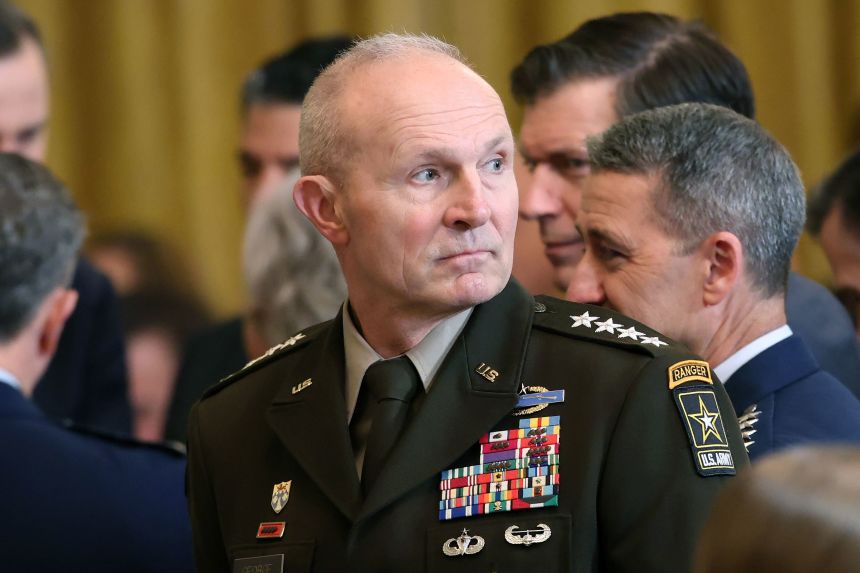
United States Defence Secretary Pete Hegseth has directed Army Chief of Staff General Randy A. George to step down with immediate effect, as tensions continue during the ongoing conflict involving the US, Israel and Iran.
In a statement shared on X on Thursday night, Pentagon spokesperson Sean Parnell confirmed that General George “will be retiring from his position,” although no explanation was provided for the sudden move during a period of active military engagement.
The 61-year-old general was appointed to the role in 2023 under former US President Joe Biden. Throughout his career, he served in several international deployments, including operations in Iraq and Afghanistan.
During his tenure as chief of staff, he focused on streamlining army structures and advancing modern warfare capabilities, such as low-cost missile defence drones and artificial intelligence-driven targeting systems.



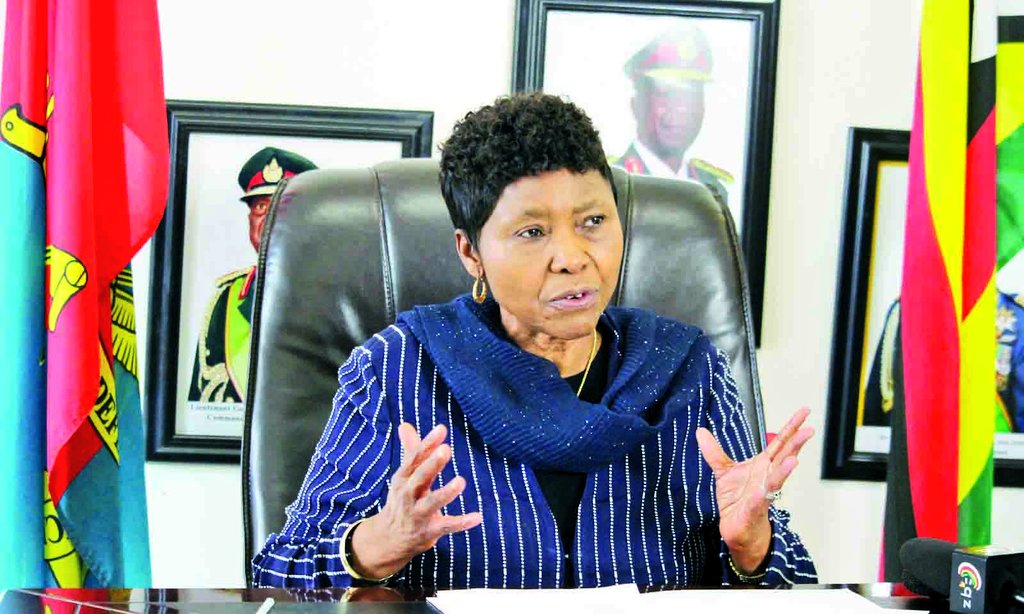
Zimbabwe has called on nuclear-armed states to stop expanding their nuclear arsenals and instead prioritise collective security, warning that the continued growth of nuclear stockpiles threatens humanity.
The call was made by the Minister of Defence, Cde Oppah Muchinguri-Kashiri, representing Zimbabwe during the General Debate of the 11th Review Conference of the Treaty on the Non-Proliferation of Nuclear Weapons at the United Nations Headquarters in New York on Monday.
“The modernisation and expansion of nuclear arsenals may enhance offensive capabilities, but do not remove the danger of global destruction.
Enhancing and modernising nuclear arsenals may strengthen offensive capabilities, but it does not eliminate the certainty of mutually assured destruction,” she said.
ALSO READ: UN Chief Condemns Xenophobic Attacks in South Africa
She also warned that any nuclear conflict would have humanitarian and environmental consequences beyond the countries directly involved.
“In the event of a nuclear war, catastrophic humanitarian and environmental consequences would affect every corner of the world,” she stated.
Cde Muchinguri-Kashiri reaffirmed Zimbabwe’s commitment to international peace, security, and nuclear non-proliferation.
She also highlighted Zimbabwe’s bid for a non-permanent seat on the United Nations Security Council for the 2027–2028 term.
“Zimbabwe is determined to serve on the United Nations Security Council in order to contribute more actively to the promotion of international peace and security,” she added.
Zimbabwe is seeking election to the Security Council in polls scheduled for June this year.
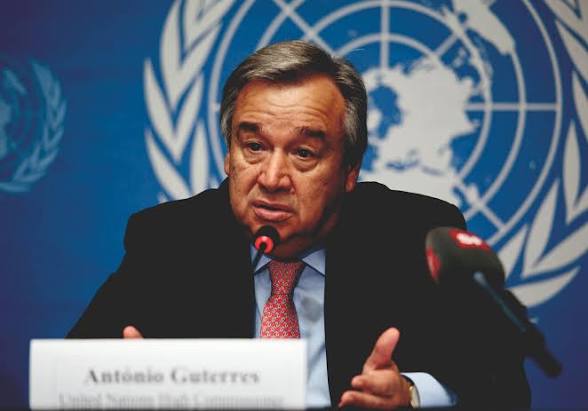
The United Nations Secretary-General, António Guterres, has raised concern over reported xenophobic attacks in KwaZulu-Natal, where Ghanaian and other African nationals were targeted over their immigration status.
In a statement issued on 28 April 2026, Guterres strongly condemned acts of violence and incitement.
“Violence, vigilantism and all forms of incitement to hatred have no place in an inclusive, democratic society governed by the rule of law and respect for human rights,” he said.
The remarks come amid growing tensions in parts of KwaZulu-Natal, where incidents of attacks on foreign nationals have been reported.
Guterres also extended his greetings to South Africans as they marked Freedom Day, while reflecting on the country’s history of unity and solidarity during the anti-apartheid struggle.
He noted that South Africa’s liberation was supported by both African nations and the international community, and stressed that the country’s development has been shaped by the contributions of diverse communities.
The statement follows condemnation from the Government of South Africa, including the Ministry of Police, which described the attacks as contrary to the principles of democracy and human rights.
Guterres emphasised that while socio-economic challenges remain, they must be addressed through lawful and non-discriminatory means.

The cost of condoms could increase if the ongoing conflict involving Iran continues to strain global supply chains, according to the head of the world’s largest condom producer.
Karex CEO Goh Miah Kiat told Reuters that the company may have to increase prices by between 20% and 30%, depending on how long the disruptions persist.
Since late February, supply chains have been affected by tensions around the Strait of Hormuz, a key route for materials used in manufacturing.
Goh noted that the situation remains unstable, with rising costs forcing the company to pass expenses on to customers.
Karex, based in Malaysia, produces a wide range of medical and personal care products, including well-known condom brands such as ONE, Trustex, Carex and Pasante. The firm manufactures billions of condoms each year and supplies over 130 countries.
In addition to higher production and packaging costs, the company is also facing shipping delays. Goh explained that many shipments are stuck in transit, leaving some markets undersupplied despite high demand.
While global attention has largely focused on rising fuel prices linked to the conflict, experts say the impact goes beyond oil.
Shortages of key industrial materials known as feedstocks are also affecting production. These include naphtha, used in packaging, as well as silicon oil and ammonia, which are essential in condom manufacturing.
According to industry analysts, disruptions in the supply of these materials many of which come from the Middle East are pushing up production costs. Asia, in particular, is vulnerable due to its reliance on the region for energy and raw materials.
The situation is further complicated by fuel rationing in some Southeast Asian countries, which is affecting transport and workers’ ability to reach factories. This could slow down manufacturing and delay exports of essential goods.
For now, Karex says it has enough stock to last a few months, but continued instability could lead to higher prices and tighter supply in the near future.

Minister Zhemu Soda Affirms Press Freedom as Cornerstone of Democracy

CAPS United Stumble as PSL Title Race Heats Up

NATPHARM on Brink As Urgent Financial Rescue Is Needed for Medicine Supply

Operation restore order

Masasi High School Abuse Scandal Sparks Public Outcry

Kuwadzana Man Jailed for Reckless Driving and Driving Without a Licence
-
 Current Affairs6 months ago
Operation restore order
-
 Crime and Courts7 months ago
Masasi High School Abuse Scandal Sparks Public Outcry
-
 Crime and Courts7 months ago
Kuwadzana Man Jailed for Reckless Driving and Driving Without a Licence
-

 Current Affairs9 months ago
Breaking: ZIMSEC June 2025 Exam Results Now Available Online
-
 Current Affairs8 months ago
Munhumutapa Day: Zimbabwe’s Newest Public Holiday Set for Annual Observance
-

 Current Affairs7 months ago
BREAKING NEWS: ZANU PF Director General Ezekiel Zabanyana Fired
-

 Current Affairs9 months ago
No Racism in Our Cricket: Government
-

 World News7 months ago
Burkina Faso Reaps $18 Billion in Gold Revenue Under Ibrahim Traoré’s Leadership