
Business
Mbare Musika: The Lifeblood of Harare’s Informal Economy

By Tatenda Muzenda
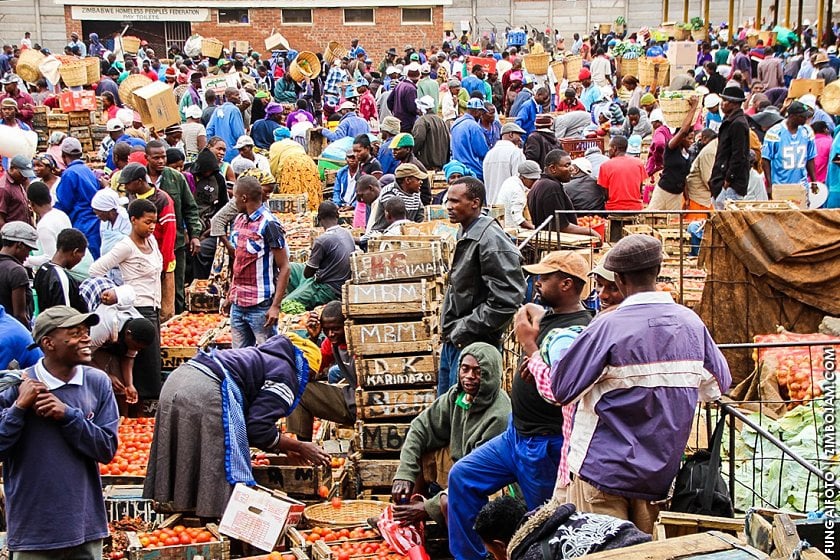
Mbare Musika, Harare’s iconic marketplace, has been the backbone of Zimbabwe’s informal economy for decades. This bustling hub, nestled in the heart of the city, sustains livelihoods for thousands of vendors, traders, and farmers.
Everyday, Mbare Musika comes alive with activity. Vendors arrive before dawn, setting up stalls overflowing with fresh produce, second-hand clothing, and household goods. The market’s labyrinthine alleys echo with lively chatter, negotiations, and the sound of hawkers calling out to passersby.
For Emily Moyo, a 35-year-old mother of three, Mbare Musika is more than just a marketplace, it’s her lifeline. “I’ve been selling vegetables here for 10 years. It’s how I feed my family, pay school fees, and put a roof over our heads, she added.
Mbare Musika’s impact extends far beyond the market itself. It supports a vast network of farmers, suppliers, and manufacturers, injecting vital revenue into the local economy. The market’s informal nature also provides opportunities for entrepreneurs and small-scale traders to establish themselves.
“Mbare Musika is a symbol of resilience,” notes economist, Dr. George Ncube. He elaborate, “despite economic challenges, the market continues to thrive, providing a safety net for vulnerable communities.”
Challenges persist as vendors face stiff competition, limited access to financing, and infrastructural constraints. Mbare Musika remains a beacon of hope, fostering community spirit and economic empowerment.
As the sun sets on another bustling day, Mbare Musika’s vendors pack up, already looking forward to the next day’s opportunities. For them, this marketplace is more than just a place to sell goods, it’s a lifeline, a source of pride, and a testament to the indomitable spirit of Zimbabwe’s informal sector.

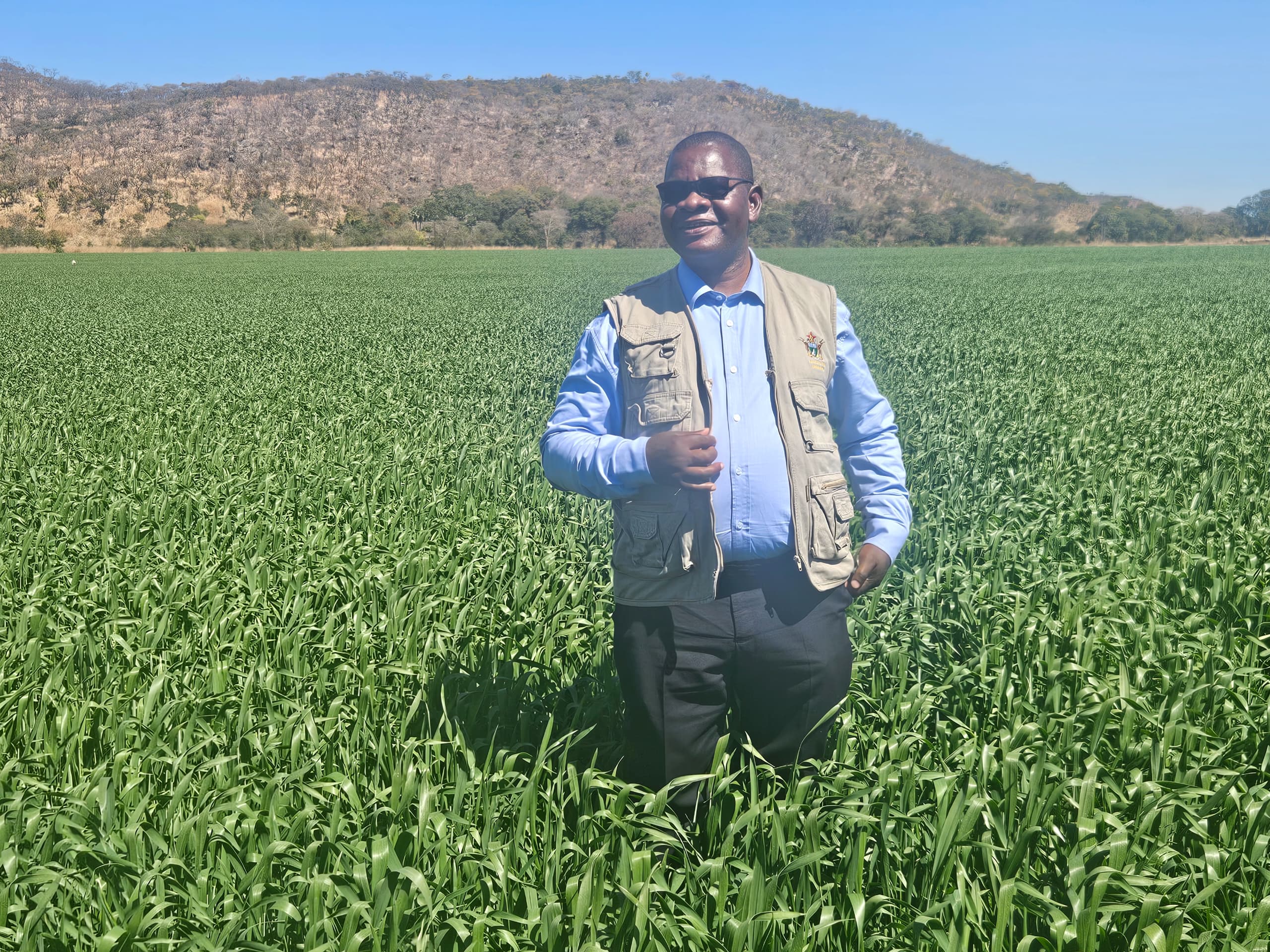
Kutsaga Research Station, once synonymous with Zimbabwe’s tobacco industry, is now spearheading a transformative agricultural revolution, pivoting its scientific prowess towards rural industrialisation and national food security.
This monumental shift, lauded by Agriculture Permanent Secretary Prof. Dr. Obert Jiri at the recent ZITF 2026, marks a critical stride in aligning research with commercial viability and the nation’s ambitious Vision 2030 agricultural agenda.
Prof. Dr. Jiri said Kutsaga’s innovative expansion beyond its traditional mandate.
He specifically praised the station’s success in developing tissue-cultured virus-free sweet potatoes and pioneering industrial hemp cultivation.
These initiatives exemplify how institutional expertise can be leveraged to create commercially viable products, underscoring the imperative that research must be commercialised to ensure its long-term sustainability.
“Kutsaga’s transformation is not just about diversifying crops, it is about building resilient value chains that directly benefit our rural communities,” said Prof. Dr. Jiri.
ALSO READ: Global seed giants eye Zimbabwe as strategic hub
This strategic redirection aims to reduce the nation’s reliance on single commodities, thereby shielding farmers from the volatile impacts of market fluctuations and climate change.
The move is a direct response to Zimbabwe’s Vision 2030, which prioritises agricultural transformation as a cornerstone for economic growth and stability.

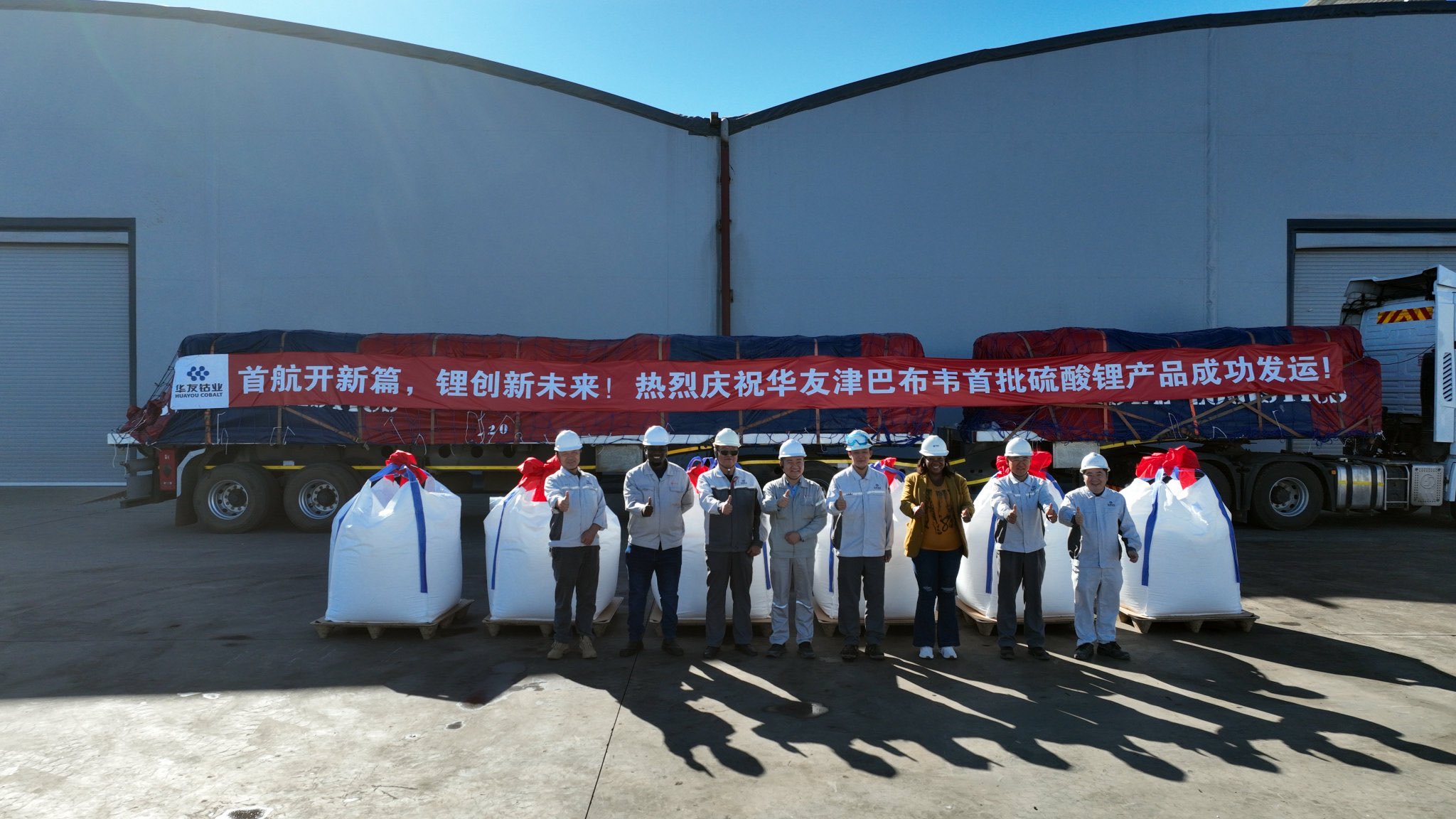
Prospect Lithium of Zimbabwe has dispatched its first consignment of lithium sulphate from its newly commissioned US$400 million processing plant at Arcadia Mine.
According to the company, this is the first time lithium sulphate has been produced not only in Zimbabwe but across the African continent.
The milestone signals a significant move towards increased local processing of lithium, rather than exporting raw or semi-processed materials.
Prospect described the development as a breakthrough for the country and region, noting that the shipment represents the first production of lithium salts in Zimbabwe and Africa, and highlights progress in mineral beneficiation and industrial growth.
Zimbabwe has been tightening its policies on lithium exports in recent years. In 2022, the government banned the export of raw lithium, pushing mining companies to process the mineral into concentrates.
At that time, major players, including Prospect Lithium (owned by Huayou Cobalt), had already begun upgrading their operations.
In 2025, authorities raised the requirements further, announcing that by 2027, lithium producers will be expected to export sulphate, a higher-value product used in the manufacture of battery materials.
To support this transition, a 10% tax was introduced on lithium concentrates to encourage further processing.
Earlier this year, the government also temporarily halted concentrate exports, later allowing limited shipments under a quota system as producers adjust to the new value-addition requirements.
Zimbabwe is working to grow its industries under Vision 2030 Zimbabwe, and local companies are playing an important role in this effort.
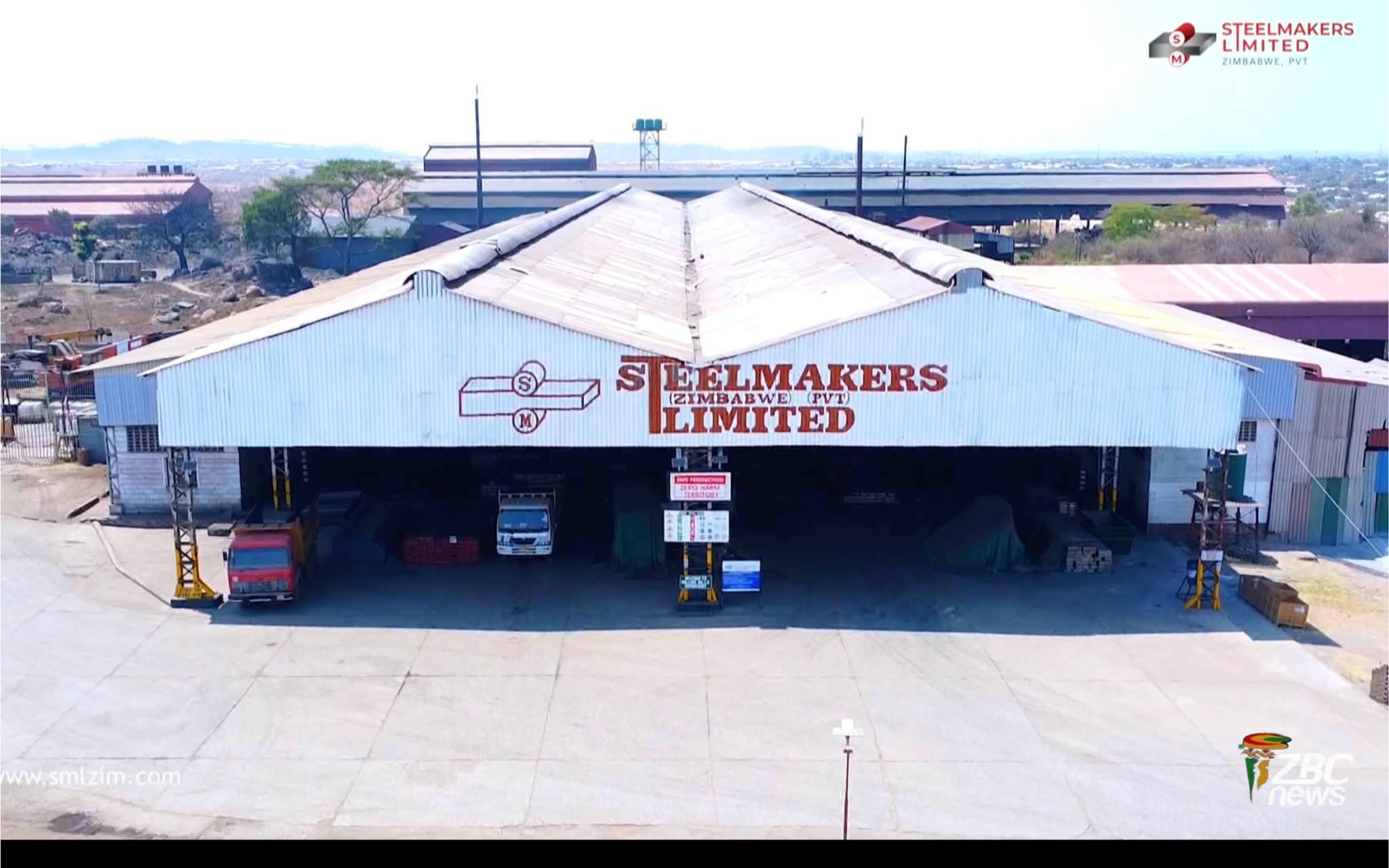
One of these companies is Steelmakers Limited, which is helping the country produce more goods locally instead of importing them. By doing this, Zimbabwe saves foreign currency and strengthens its economy.
Steelmakers Limited stands out because it controls the whole production process. It mines iron ore in Masvingo and coal in Chiredzi, then uses these materials to produce sponge iron and finally finished steel products in Redcliff and Harare.
This means most of the work is done inside the country, creating more value locally and reducing the need to buy materials from outside.
The company also took part in the Zimbabwe International Trade Fair 2026, where it showcased its products and connected with business partners, investors, and government officials. This helped promote Zimbabwean steel and opened opportunities to sell products in other countries.
Steelmakers Limited plays a big role in national development. By producing steel locally, it reduces imports and helps keep money in the country. Its products are important for building houses, roads and factories supporting mining and agriculture. Steel is essential for development, and the company helps provide it.
The company also supports other sectors of the economy. Its operations create jobs and increase demand in transport, logistics, and engineering industries. This means its impact goes beyond just making steel.

Woman loses USD 16k in Facebook car scam

Kadoma Man Arrested After Wife and Pregnant Daughter Killed

ZANU PF Politburo Convenes Amidst Economic Scrutiny and National Development Agenda

Operation restore order

Masasi High School Abuse Scandal Sparks Public Outcry

Kuwadzana Man Jailed for Reckless Driving and Driving Without a Licence
-
 Current Affairs6 months ago
Operation restore order
-
 Crime and Courts7 months ago
Masasi High School Abuse Scandal Sparks Public Outcry
-
 Crime and Courts7 months ago
Kuwadzana Man Jailed for Reckless Driving and Driving Without a Licence
-

 Current Affairs9 months ago
Breaking: ZIMSEC June 2025 Exam Results Now Available Online
-

 Current Affairs8 months ago
Munhumutapa Day: Zimbabwe’s Newest Public Holiday Set for Annual Observance
-

 Current Affairs7 months ago
BREAKING NEWS: ZANU PF Director General Ezekiel Zabanyana Fired
-

 Current Affairs9 months ago
No Racism in Our Cricket: Government
-

 World News7 months ago
Burkina Faso Reaps $18 Billion in Gold Revenue Under Ibrahim Traoré’s Leadership