
Uncategorized
Discovery Ambulance Is Coming at the Right Time as Zimbabwe Modernises Its Health Sector

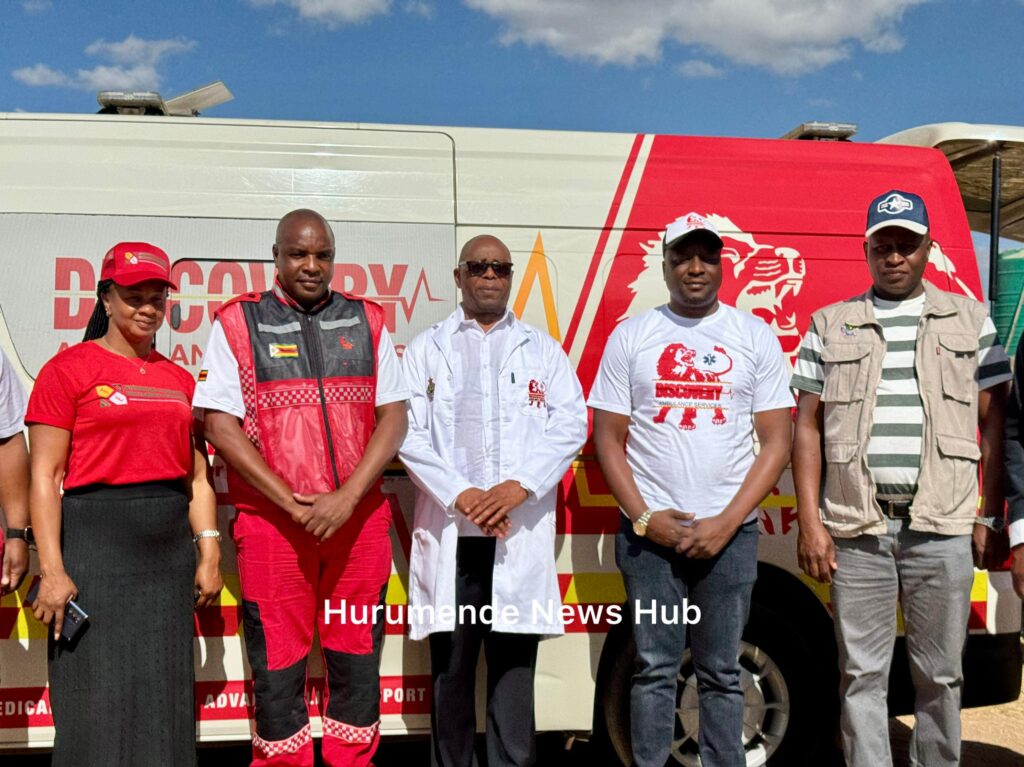
The partnership between the government and Discovery Ambulance Services (DAS) is a beacon of progress, aligning perfectly with President Emmerson Mnangagwa’s visionary mantra, “Nyika Inovakwa Nevane Vayo”. This collaboration, spearheaded by the dynamic leadership of DAS CEO and founder David Munowenyu, is revolutionising emergency medical services across the country’s 10 provinces. With state-of-the-art ambulances, free medical outreach programs, and community-based health training, Discovery Ambulance is filling critical gaps in Zimbabwe’s healthcare system at a time when modernisation is a national priority. Health Minister Dr. Douglas Mombeshora has lauded this initiative, emphasising its role in saving lives and building a healthier future for all Zimbabweans.
Partnership Transforms Zimbabwe Healthcare
The partnership between the Zimbabwean government and Discovery Ambulance Services is a cornerstone of the nation’s health sector modernisation efforts.
Speaking at a recent medical outreach program in Epworth North Constituency, Ministry of Health and Child Care Dr. Mombeshora expressed his profound gratitude for the collaboration.
“The government, through the Ministry of Health and Child Care, extends its heartfelt thanks to Discovery Ambulance Services and its CEO, David Munowenyu, for their unwavering commitment to providing free, accessible medical services to our people, leaving no one and no place behind,” he said.
The minister highlighted how this partnership embodies the spirit of “Nyika Inovakwa Nevane Vayo,” showcasing how homegrown talent and innovation can drive national development.
Dr. Mombeshora praised Munowenyu, a young Zimbabwean entrepreneur, for his dedication to his country.
“David Munowenyu is a shining example of the youth leading the charge in nation-building. His vision for Discovery Ambulance Services is not just about providing emergency care but about empowering communities and strengthening our health system,” the minister said.
This partnership is a testament to the power of public-private collaboration, with DAS bringing cutting-edge technology and expertise to complement the government’s efforts to modernise healthcare.
Filling the Emergency Response Gap
Zimbabwe’s health sector has faced significant challenges in providing timely emergency medical services, particularly in rural and underserved areas. Discovery Ambulance Services is addressing this gap head-on by deploying a fleet of modern ambulances across all 10 provinces.
The initiative, which began with a rollout of free medical services, is set to disburse at least 200 state-of-the-art ambulances to health facilities nationwide. These ambulances are equipped with advanced medical equipment, including defibrillators, oxygen supplies, and monitoring systems, ensuring that patients receive critical care en route to hospitals.
The lack of reliable emergency response systems has long been a barrier to effective healthcare delivery in Zimbabwe. In many regions, patients have faced delays in receiving urgent care due to inadequate transport or poorly equipped ambulances. DAS is changing this narrative by ensuring that every province has access to rapid, high-quality emergency services. “Our goal is to ensure that no Zimbabwean is left without help in a medical emergency,” said Munowenyu at the Epworth outreach. “We encourage everyone to dial 991 whenever they need us—we will come, and we will respond effectively.”
This commitment to accessibility and responsiveness is already yielding results. At the Epworth outreach, hundreds of residents received free medical check-ups, including blood pressure screenings, cancer screenings, consultations, and medications. The event, attended by Dr. Mombeshora and other dignitaries, showcased DAS’s ability to deliver comprehensive care directly to communities. “I was amazed at how quickly they attended to us,” said Memory Chigwada, a 45-year-old Epworth resident. “I got my blood pressure checked and even received free medication. This is something we’ve never seen before in our community.”
Empowering Communities Through Training
Beyond emergency response, Discovery Ambulance Services is investing in community-based healthcare training to build a more resilient health system. At the Epworth outreach, DAS provided free first aid training to residents, equipping them with life-saving skills. This initiative is part of a broader effort to empower communities to respond to emergencies before professional help arrives. By training individuals in basic medical techniques, DAS is fostering a culture of preparedness and self-reliance, aligning with Zimbabwe’s goal of creating a sustainable healthcare ecosystem.
Dr. Mombeshora commended this approach, noting its long-term impact. “By training our people in first aid and community-based healthcare, Discovery Ambulance is not only saving lives today but also building capacity for tomorrow. This is how we create a healthier, stronger Zimbabwe,” he said.
The minister emphasised that such initiatives are critical to achieving universal health coverage, a key pillar of the government’s modernisation agenda.
State-of-the-Art Ambulances: A Global Standard
Discovery Ambulance Services is raising the bar for emergency medical services in Zimbabwe by introducing state-of-the-art ambulances that rival those in developed nations. CEO David Munowenyu announced plans to bring more than 200 advanced ambulances to the country, further strengthening the nation’s emergency response capacity.
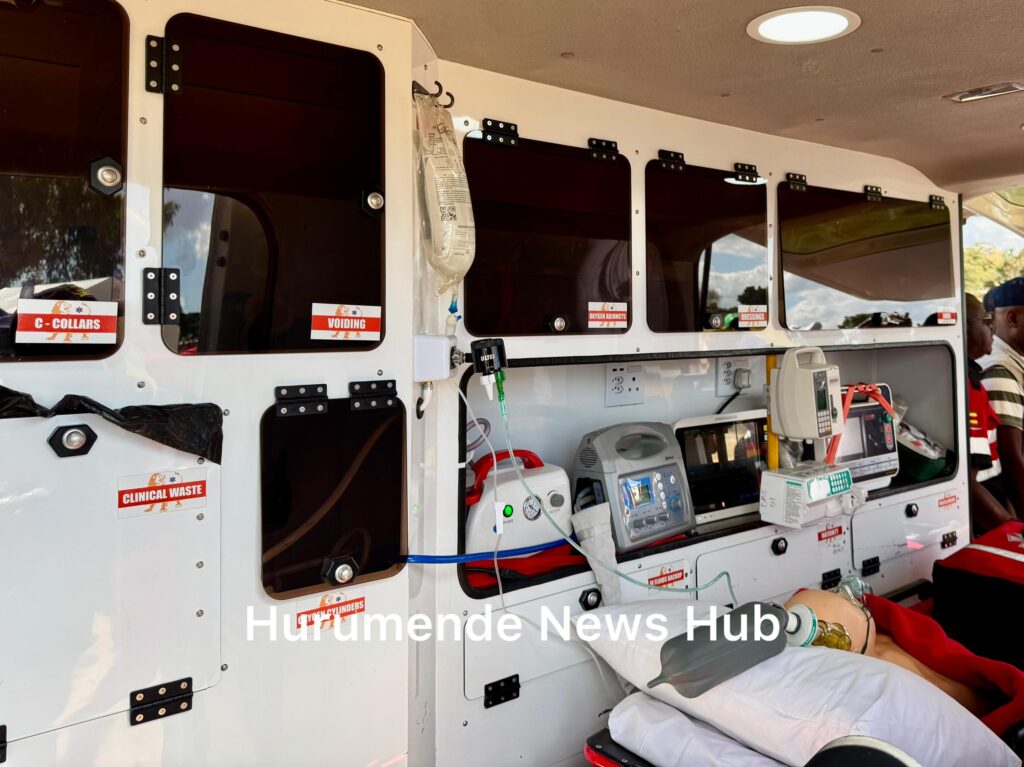
These ambulances are designed to meet international standards, featuring advanced life-support systems, GPS navigation for rapid response, and ergonomic designs to ensure patient and paramedic safety.
In countries like the United States, the United Kingdom, and Australia, modern ambulances are equipped with technologies such as telemedicine capabilities, allowing paramedics to consult with doctors in real-time, and automated external defibrillators (AEDs) for cardiac emergencies.
Zimbabwe’s new fleet, under DAS’s leadership, is adopting similar innovations, positioning the country as a leader in emergency medical services in the region. “We are not just bringing ambulances; we are bringing hope and the promise of a healthier future,” Munowenyu said.
This modernisation effort aligns with global trends in emergency care. For example, the UK’s National Health Service (NHS) operates ambulances with advanced diagnostic tools, while Australia’s St John Ambulance service uses data-driven dispatch systems to optimise response times. Zimbabwe’s adoption of similar technologies demonstrates its commitment to meeting international standards while addressing local needs. “We are modernising our health sector to ensure that every Zimbabwean, no matter where they are, has access to world-class emergency care,” Dr. Mombeshora affirmed.
Discovery Ambulance Inspires Hope
The impact of Discovery Ambulance Services is resonating with ordinary Zimbabweans, who are expressing gratitude for the initiative. At the Epworth outreach, residents lined up to receive free medical services, with many sharing stories of how DAS has transformed their access to healthcare.
“I’ve never seen anything like this before,” said Tinashe Moyo, a 32-year-old father of three.
“They checked my children’s health for free, and the staff were so kind. I feel safer knowing that if something happens, I can call 991 and help will come.”
Another resident, Grace Mutambara, a 60-year-old grandmother, shared her experience: “I was worried about my chest pains, but the Discovery team checked me and gave me advice on how to manage them.
They even trained us on what to do in an emergency. This is a blessing for our community.”
These sentiments reflect the growing trust in DAS’s services and the hope it is instilling in Zimbabweans.
Partnership Strengthens Zimbabwe Healthcare
The partnership between the government and Discovery Ambulance Services is a pivotal step in Zimbabwe’s journey toward a modernised health sector.
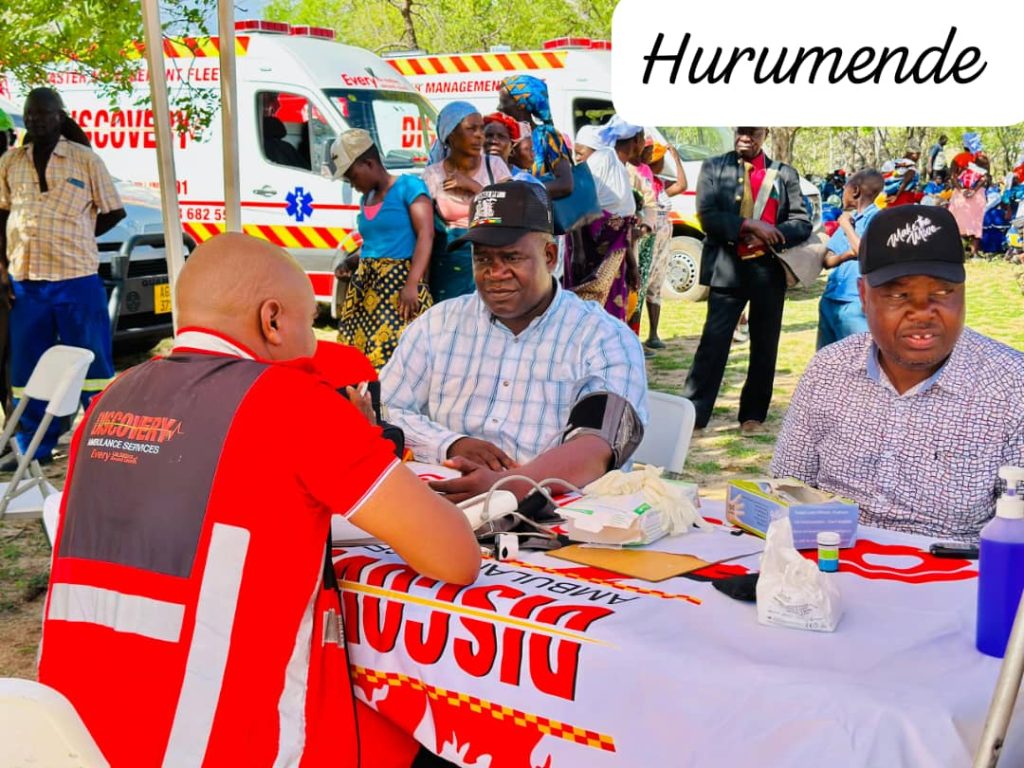
By addressing critical gaps in emergency response, providing free medical outreach, and training communities, DAS is not only saving lives but also building a foundation for sustainable healthcare. The deployment of over 200 state-of-the-art ambulances across all 10 provinces is a bold move that underscores Zimbabwe’s commitment to leaving no one behind.
Dr. Mombeshora’s praise for David Munowenyu and his team highlights the importance of local innovation in driving national progress. “This is what ‘Nyika Inovakwa Nevane Vayo’ means—Zimbabweans like David Munowenyu are taking responsibility for building our nation, and we are proud to support them,” the minister said.
As Discovery Ambulance Services continues to expand its reach, the message to Zimbabweans is clear: help is just a phone call away. By dialing 991, anyone can access rapid, reliable emergency care, regardless of their location or circumstances. This initiative is not just about ambulances—it’s about hope, resilience, and a shared vision for a healthier Zimbabwe.
In the words of Munowenyu, “We are here for the people of Zimbabwe. Our ambulances are ready, our teams are trained, and our hearts are committed to serving this nation.” With the government’s support and the dedication of visionaries like Munowenyu, Discovery Ambulance Services is indeed coming at the right time, heralding a new era of healthcare excellence in Zimbabwe.










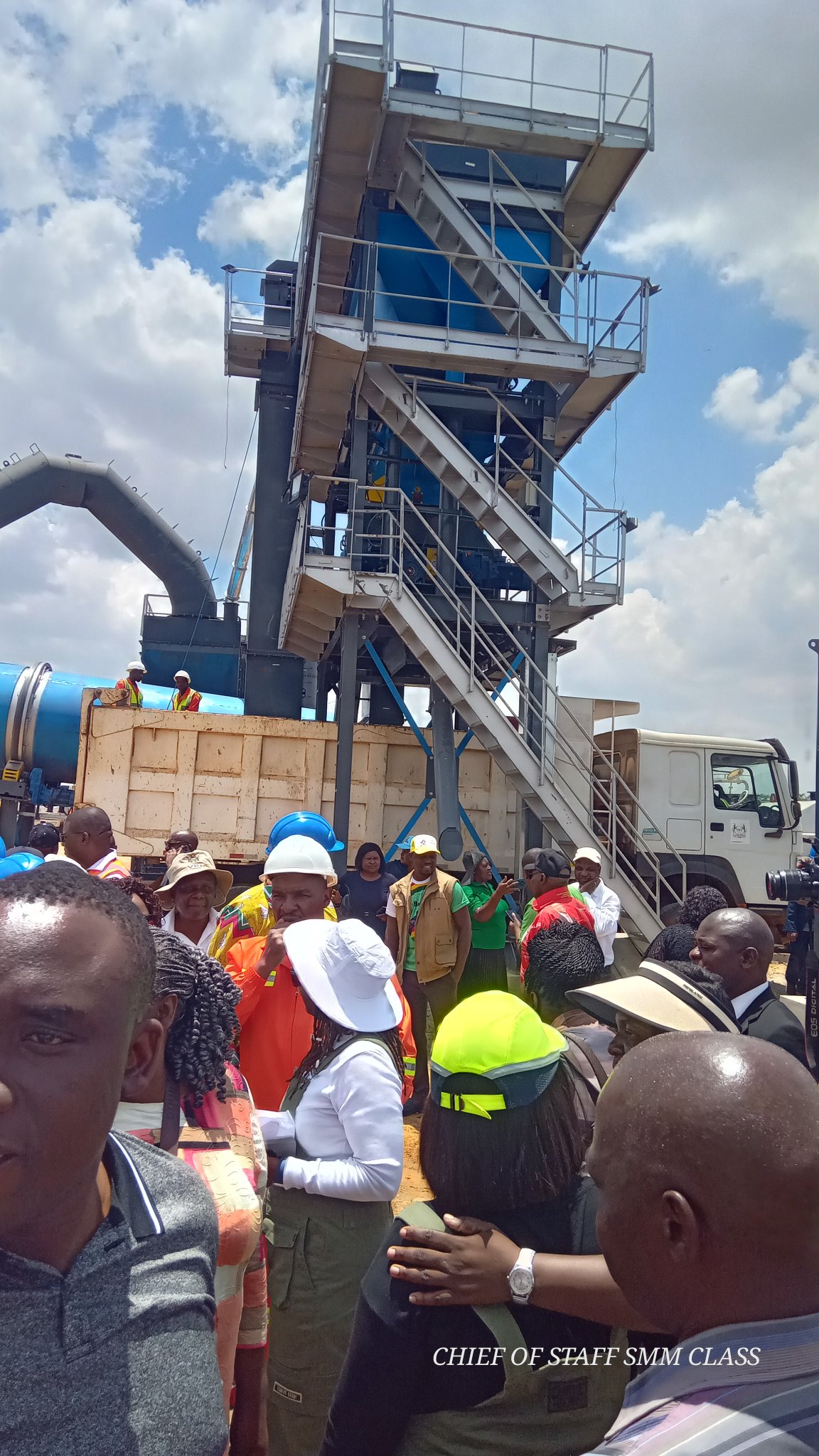
The Skyline Asphalt Processing Plant was commissioned Monday, marking a significant step in Zimbabwe’s infrastructure modernisation.
Minister of Transport and Infrastructure Development Hon. Felix Mhona declared the project crucial for achieving universal road rehabilitation nationwide.
Speaking at the event, Hon. Mhona stated that the plant supports a national drive to surface, widen or repair all roads under National Development Strategy 2 (NDS2).
He emphasized the Second Republic’s commitment to transforming Zimbabwe’s road network for economic growth and improved mobility.
“This is not just about infrastructure. It is about fulfilling our national vision. Under NDS2, we are modernising transport systems and ensuring that every province benefits from quality, durable roads,” said Hon. Mhona.
Engineer Joy Makumbe, Permanent Secretary for the Ministry of Transport and Infrastructure Development, confirmed the plant’s inauguration signals sustained momentum in road rehabilitation.“
“The momentum has begun in earnest. It will not stop until all roads are tarred. This plant strengthens our capacity to produce asphalt locally, ensuring that rehabilitation projects move at the required speed,” she said.
Eng Makumbe noted localized asphalt production reduces costs, improves efficiency and guarantees consistent supply.
Engineer Jaravani Kangara highlighted the plant’s direct impact on addressing potholes, particularly in Harare.
“Asphalt, or tar, is the key ingredient in road maintenance. With this plant operational, we expect that potholes in Harare will be patched within a short space of time. This facility ensures that we have ready access to high-quality asphalt whenever needed,” Engineer Kangara said.
Honourable Godwin Tavaziva, MP for Marondera West and a Member of the Parliamentary Portfolio Committee on Transport applauded the development as evidence the government is “walking the talk.”
He added the plant demonstrates progress towards Vision 2030, with plans to acquire eight more similar plants for decentralised asphalt production.
“This infrastructure shows that development is happening. Most of our roads will be resurfaced very soon,” he affirmed.
Honourable Tichaona Karimazondo, MP for Maramba Pfungwe, called it a “great investment” for Zimbabwe’s road network. He noted the plant’s capacity to produce up to 15 truckloads of approximately eight tonnes of asphalt per hour, accelerating rehabilitation in Harare and beyond.“
With such production levels, we are confident that within a short time, we will see major improvements, especially in urban areas,” he predicted.
Godwills Masimirembwa, ZANU PF Chairman for Harare Metropolitan Province framed the commissioning within President Emmerson Dambudzo Mnangagwa’s Vision 2030 infrastructure agenda. referencing projects like the Trabablas Interchange, he stated the plant complements ongoing construction.
“We are witnessing the excellent works of His Excellency. Rehabilitation, new construction and now maintenance infrastructure are all being put in place. Any road that gets damaged will now be repaired swiftly,” Mr Masimirembwa said.
He concluded that Harare Metropolitan Province, among the first to receive such a plant will benefit immensely due to its extensive road network and heavy traffic.
The Skyline Asphalt Processing Plant is expected to reduce maintenance turnaround times, improve road safety and boost economic productivity serving as a show of the government’s resolve to modernise infrastructure and achieve Vision 2030 goals.

By Anthony Chawagarira
Across Zimbabwe’s diverse communities, traditional ways of confirming parentage persist alongside modern science.
While contemporary Deoxyribonucleic Acid (DNA) testing now provides definitive answers about biological relationships, age-old customs still carry emotional weight and social meaning. This feature examines those practices—what they are, why they matter, and how they interact with scientific methods of establishing parenthood.
Tradition as a Social Framework
Customs shape how families understand relationships. In many rural areas, traditional practices help maintain social order by affirming fatherhood, parental rights, and a child’s place within the family. These practices are rooted in deep communal values and express trust, belonging, and identity.
Common Traditional Signs Used to Judge Paternity
Elders and family members often point to certain behaviours and events as evidence that a child belongs to a particular man. Some widely reported indicators include:
-
The child stirs or wakes when the father first enters the homestead:
It is said that when a father arrives at his village compound with his child for the first time, the baby will react—an act interpreted as recognition. -
The child opens their eyes when the father holds them:
There is a belief that if a man truly is the father, the baby’s eyes will open and focus when held by him. If not, the baby may not display that response. -
Cattle behaviour at the kraal:
A ritual sometimes involves taking the baby to the cattle kraal. If the cattle come out and rub against the child, it is taken as a sign that the child belongs to that family. If the cattle refuse to approach or only a few come out, some interpret that as a sign the child does not belong to them. -
Placing the child in the father’s shoes:
If a baby is placed in the father’s shoes and begins to cry, some interpret that as evidence the child is not his. Conversely, a child who remains calm is considered likely to be his. -
The direction the crawling child chooses:
If a crawling child moves toward and between a man’s legs—reaching for his trousers or coming directly to him—this is often seen as a sign of paternity. If the child crawls elsewhere or shies away, some conclude he is not the father.
What Modern Science Offers: DNA Testing
DNA testing is the scientifically reliable method for establishing biological parentage. It provides objective evidence that courts use in inheritance cases, custody disputes, and legal recognition.
DNA results are not influenced by emotions or social interpretations. They offer a level of certainty that traditional signs cannot provide.
Where Tradition and Science Meet
Although traditional signs lack the precision of DNA testing, they remain meaningful social tools. Some observations—such as a child’s calmness with a particular adult—may reflect emotional bonding or familiarity rather than biology.
In communities where laboratory testing is inaccessible or culturally sensitive, these practices can shape family decisions and relationships.
However, relying exclusively on unproven signs can lead to harm, including stigma, wrongful exclusion, or unjust family breakdown. For example, interpreting cattle behaviour or a child’s reaction as definitive proof may wrongly ostracise a mother or deny a child access to parental support.
Environmental or practical factors—such as illness, herd management practices, or a child’s temperament—can influence these signs independently of biological parentage.
Building Dialogue and Education
A constructive approach is to combine respect for cultural practices with accessible scientific information. Useful steps include:
-
Community education about how DNA testing works, what it can and cannot determine, and when it may be appropriate.
-
Preserving cultural practices that foster bonding and social cohesion while discouraging those that cause harm or discrimination.
-
Facilitating conversations among community leaders, traditional authorities, and legal or health professionals to agree on fair procedures when parentage is disputed.
Respect, Truth, and Protecting Families
Traditional signs of paternity reflect a community’s history and values. They help people make sense of relationships in culturally meaningful ways. However, where certainty is required, science offers a dependable answer.
Rather than forcing a choice between tradition and DNA testing, the goal should be to allow them to complement each other—using culture to preserve dignity and cohesion, and science to provide fairness and clarity when needed.
Together, they can help protect children’s rights and strengthen family bonds.

A vehicle veered off the road and plunged into a water-filled disused mine shaft in Shurugwi on Wednesday, resulting in the death of two passengers,, while a third remains missing, feared dead.
The driver of the Isuzu double cab miraculously escaped unhurt after the vehicle became completely submerged in the deep, abandoned pit along Coronation Mine Road.
The incident occurred at around 1500 hours, turning an afternoon drive into a nightmare.
According to police reports, the driver lost control of the vehicle, which then swerved off the asphalt and crashed into the old mine workings.
As the car sank rapidly into the dark water, the driver managed to get out, but the three passengers were trapped inside as the vehicle was swallowed by the shaft.
Two of the passengers died instantly at the scene, and their bodies were recovered from the submerged wreck.
A desperate search is underway for the third occupant, who is still unaccounted for.
National Police Spokesperson Commissioner Paul Nyathi confirmed the grim details, saying rescue teams will soon be deployed.
“The driver lost control of the vehicle, and the vehicle veered off the road and plunged into a disused mine shaft, which was filled with water.
“The vehicle was submerged, and all three passengers were trapped inside. The driver escaped unhurt. Tragically, two of the passengers died on the spot, and one passenger is still missing,” said Commissioner Nyathi.
The harrowing incident has once again brought the deadly legacy of neglected mine shafts in mining towns into sharp focus.
Emergency services and police divers are currently at the scene, battling treacherous conditions to locate the missing person.
Police have implored motorists to exercise extreme caution on the country’s roads.

“No Matter Where They Are in SA” — Govt Vows Full Medical Support for Zimbabweans

DIABETES CURE… OR THE BEGINNING OF THE END FOR INSULIN DEPENDENCE?

HIV Network Raises Concern Over Halted US Health Funding Talks

Operation restore order

Masasi High School Abuse Scandal Sparks Public Outcry

Kuwadzana Man Jailed for Reckless Driving and Driving Without a Licence
-
 Current Affairs3 months ago
Operation restore order
-
 Crime and Courts5 months ago
Masasi High School Abuse Scandal Sparks Public Outcry
-
 Crime and Courts5 months ago
Kuwadzana Man Jailed for Reckless Driving and Driving Without a Licence
-

 Current Affairs7 months ago
Breaking: ZIMSEC June 2025 Exam Results Now Available Online
-

 Current Affairs6 months ago
Munhumutapa Day: Zimbabwe’s Newest Public Holiday Set for Annual Observance
-

 Current Affairs5 months ago
BREAKING NEWS: ZANU PF Director General Ezekiel Zabanyana Fired
-

 Current Affairs6 months ago
No Racism in Our Cricket: Government
-

 Current Affairs6 months ago
Government Bans Tinted Car Windows in Nationwide Crime Crackdown