
Current Affairs
ZIMRA Introduces Online System for Exporters’ Trade Certification


The Zimbabwe Revenue Authority (ZIMRA) has taken a bold step towards modernising trade processes by launching a new digital platform for the issuance of COMESA Certificates of Origin.
This development is expected to simplify trade procedures and reduce processing times for exporters.
The newly adopted electronic system hosted on the Zimbabwe Electronic Single Window (ZeSW) platform—completely replaces the traditional manual process. This innovation places Zimbabwe among the leaders in implementing COMESA’s Digital Free Trade Area vision, promoting seamless, paperless trade across the region.
COMESA Certificates of Origin are vital documents that allow Zimbabwean exporters to benefit from preferential tariff treatment when trading within the 21-member Common Market for Eastern and Southern Africa (COMESA) bloc.
With the new platform, traders will now enjoy instant document processing, faster approval times, and enhanced security features. The system also enables customs officers to verify certificates in real time, helping to curb document fraud and ensure the integrity of trade transactions.
ZIMRA has set August 1, 2025, as the deadline for full transition to the digital system. From that date forward, physical certificates will no longer be accepted for regional trade, making digital compliance mandatory.
“This marks a significant milestone in our journey to simplify and secure trade processes,” said a ZIMRA official. “We encourage all exporters, agents, and trade practitioners to register on the ZeSW platform as soon as possible to avoid disruptions.”
To fully benefit from the new system, businesses involved in exporting must register on ZeSW, train staff in digital certificate procedures, and update their internal processes to comply with the new requirements.
This move is part of a broader national effort to boost Zimbabwe’s trade efficiency through digital transformation—cutting down paperwork, enhancing transparency, and speeding up trade-related approvals from days to just minutes.








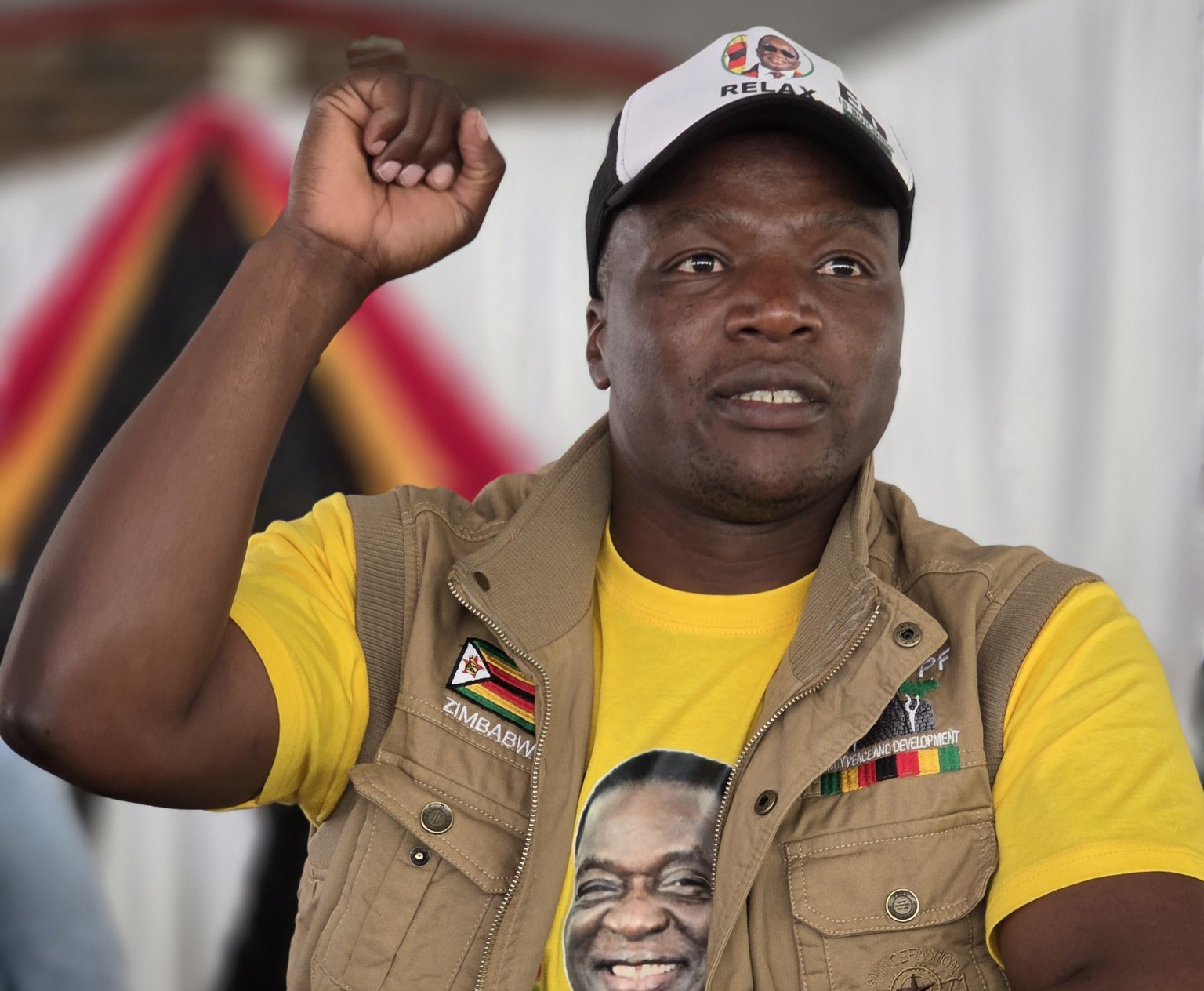
The ZANU PF Youth League has strongly opposed a reported plan by businessman Mr Wicknell Chivayo to donate US$3.6 million to the Parliament of Zimbabwe.
In a press statement issued by the Deputy Secretary for Youth Affairs, Cde Hon. John Paradza, the League described the proposed gift as “misguided” and a threat to the independence of the legislature.
The reaction follows social media reports alleging that the businessman intends to fund the august House.
While the Youth League acknowledged Mr Chivayo’s right to engage in philanthropy, they warned that State institutions must not operate on handouts.
“Parliament is the backbone of democracy,” the statement read. “It cannot be seen as being bought or swayed through donations, whether in cash or kind, that appear transactional.”
The League argued that the Government has adequate capacity to support its own programmes.
They pointed to existing mechanisms such as the Constituency Development Fund (CDF) and the Devolution Fund as evidence of the State’s ability to drive national development without private interference.
The Youth League further suggested that if the businessman wishes to help, he should focus on direct community initiatives.
They expressed concern that such a massive donation to a branch of Government could be perceived as an attempt to influence the Executive, Judiciary, or Parliament.
“We call upon Members of Parliament to take a stand against any attempt to bring the Parliament of Zimbabwe into disrepute,” Cde Paradza added.
Hemphasised that the nation’s progress is guided by the structured policies and fiscal discipline of President Emmerson Mnangagwa’s administration.
In its conclusion, the League urged Parliament to officially refuse the donation. They stated that they would not hesitate to reprimand anyone using tactics that bring the name of the President into disrepute.
The Youth League maintains that Zimbabwe’s path toward Vision 2030 must remain self-reliant and transparent.


The Minister of Health and Child Care, Douglas Mombeshora, has called on nurses in selected health institutions to suspend their ongoing industrial action, as government moves to stabilise the environment for renewed negotiations.
The appeal comes amid growing concern over the impact of the strike on healthcare delivery, with authorities pushing for what the Minister described as a transparent and constructive engagement process.
During a recent address, Dr Mombeshora acknowledged the concerns raised by nurses and reaffirmed government’s commitment to resolving the matter.
“The government fully acknowledges the grievances raised by the nursing fraternity and remains committed to finding a sustainable resolution,” he said.
The industrial action, which began on April 20, 2026, was triggered by long-standing challenges faced by healthcare workers, including poor working conditions, rising transport costs, and dissatisfaction with recent salary adjustments.
The Zimbabwe Nurses Association (ZINA) has expressed frustration over the salary review, indicating that the increment fell far below expectations and has left many nurses struggling to meet basic living expenses.
In response, government has convened an extraordinary technical meeting involving the Health Apex Panel and the Health Services Commission to urgently assess the situation and explore possible solutions.
While recognising the legitimacy of the nurses’ concerns, the Ministry has emphasised the need to strike a balance between improving worker welfare and maintaining essential healthcare services.
“Nurses must return to work to ensure that patients are not adversely affected while negotiations continue,” Minister Mombeshora stated.
The government maintains that dialogue remains the best path toward a lasting solution.
Union leaders had initially held off on industrial action to allow for legal processes and engagement with authorities.

ZANU PF Harare Province Vice Chairman, Cde Ephraim Fundukwa, has called on Zimbabweans to rise above political differences and unite in support of Constitutional Amendment Number 3, emphasizing that national cohesion is critical to achieving Vision 2030.
Addressing Independence Day celebrations in Makoni, Chitungwiza, Fundukwa told a large gathering that the Second Republic has already laid a strong foundation for peace and stability across Harare and the country at large. He said the proposed amendment represents the next crucial step in safeguarding that progress for future generations.
“Let me be clear: political point-scoring ends where our national destiny begins. We march as one Zimbabwe, or we do not march at all. Unity over politics – that is our oath,” said Cde Fundukwa.
He stressed that the amendment should not be viewed through a partisan lens, but rather as a national instrument designed to support long-term development goals.
“Constitutional Amendment Number 3 is not a favour to any party. It is a shield for our nation’s future. It gives us the time and the space to fully realise Vision 2030 without the distraction of endless electioneering. I am calling on every Zimbabwean, every voter, every leader – no matter their political flag – to push this amendment forward with both hands.”
The Makoni celebrations, which drew residents from areas such as Glen View and Budiriro, provided a fitting platform for the unity message. Fundukwa noted that efforts to promote cohesion within Harare Province have begun to narrow political divisions, with growing acknowledgment—even across party lines—of the importance of Vision 2030 and the proposed amendment.
Highlighting the prevailing peace, he said the country has moved beyond past instability and must now consolidate its gains through constitutional reforms.
“The days of bamboo are dead and buried. We have peace from Harare to Mutare – real peace, not paper peace. Now we need the constitutional tools to sustain it. A five-year term is a sprint; a seven-year term is a strategic march. We are building a US$53 billion economy – you don’t build that by changing captains every five minutes,” Fundukwa declared.
He added that grassroots engagement initiatives have helped foster broader understanding of the amendment, particularly among young people.
“The young people – our future leaders – have already understood the assignment. They know this Bill is not about politics; it is about their jobs, their roads, their clinics, and their Zimbabwe. The students are rallying behind President Mnangagwa’s leadership. They are eager to see this Bill sail through, because they will inherit the harvest,” said Cde Fundukwa.
Fundukwa also pointed to the significance of hosting national celebrations outside traditional provincial centres, saying it reflects the government’s devolution agenda and commitment to inclusive development.
He argued that with the economy projected to reach US$53 billion, the amendment would serve as a key pillar in sustaining national progress.
“We have moved from near-zero reserves in 2017 to a US$53 billion economy that is not a miracle, that is a method. Now let us unite, pass Amendment Number 3, and march to 2030 as one people. Not as ZANU PF, not as opposition, but as Zimbabweans. Forward ever, backward never!” he said.
In closing, the Vice Chairman urged party structures across the province to step up voter education efforts and community outreach programmes to ensure widespread understanding and support for the proposed amendment.

Ngizwe Mchunu Sparks Outrage Over Alleged Assault and Remarks on Foreigners

ZANU PF Youth League Rejects Chivayo Donation

Government Urges Nurses to End Strike as Talks Intensify

Operation restore order

Masasi High School Abuse Scandal Sparks Public Outcry

Kuwadzana Man Jailed for Reckless Driving and Driving Without a Licence
-
 Current Affairs5 months ago
Operation restore order
-
 Crime and Courts7 months ago
Masasi High School Abuse Scandal Sparks Public Outcry
-
 Crime and Courts7 months ago
Kuwadzana Man Jailed for Reckless Driving and Driving Without a Licence
-
 Current Affairs9 months ago
Breaking: ZIMSEC June 2025 Exam Results Now Available Online
-
 Current Affairs8 months ago
Munhumutapa Day: Zimbabwe’s Newest Public Holiday Set for Annual Observance
-

 Current Affairs6 months ago
BREAKING NEWS: ZANU PF Director General Ezekiel Zabanyana Fired
-

 Current Affairs8 months ago
No Racism in Our Cricket: Government
-

 World News6 months ago
Burkina Faso Reaps $18 Billion in Gold Revenue Under Ibrahim Traoré’s Leadership