
Entertainment
Manhanga Matete: A Rhythmic Mirror Reflects Zimbabwe’s Double Life

By Fanuel Tafadzwa Gondo
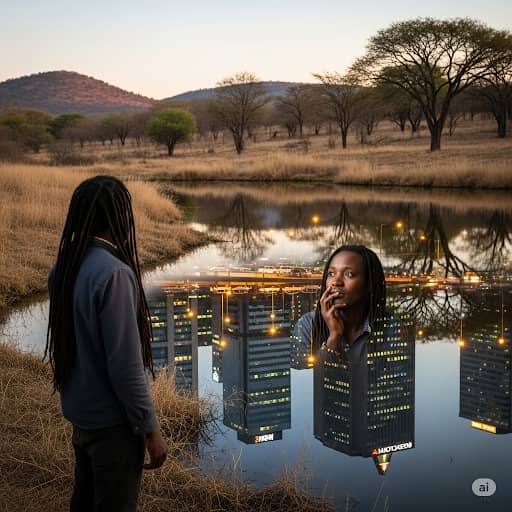
HARARE – The beat drops, and an undeniable energy ripples through the room. Whether it’s the packed aisles of a supermarket, a bustling kombi, or a wedding reception, the rhythm is the same—infectious, traditional, and impossible to ignore. A song titled “Manhanga Matete,” which translates to “unripe pumpkins,” has become more than just a dance anthem; it is a cultural phenomenon, a mirror held up to Zimbabwe’s soul, reflecting a truth many have tried to bury: the enduring power of Chivanhu in a seemingly modern society.
The song’s title is a metaphorical nod to ancestral wisdom and traditional knowledge, often hidden or overlooked. Yet, its popularity is not confined to those who openly embrace African traditions. The song has become a staple at events and on playlists of people who, in public, espouse Western religious values or a secular, cosmopolitan lifestyle. This disconnect is where the story of “Manhanga Matete” truly begins.
The duality we see today is a direct legacy of colonial and missionary influences. As the scholar Dr. Rino Zhuwarara observed in his work on Zimbabwean literature, the colonial project “saw our spirituality as a practice that was surface and superficial, that failed to reach and transform the inner person within.” This systematic campaign to dismantle indigenous spiritual systems aimed to sever people’s connection to sacred ancestral sites and traditions. Missionary schools and churches actively demonized traditional practices, equating Chivanhu with savagery and ignorance to accelerate conversion. The result was a generation taught to be ashamed of their heritage, leading to a public suppression of indigenous beliefs.
However, as cultural critic Dr. Tafataona Mahoso has argued, this suppression never fully succeeded. Mahoso’s work often highlights how African spirituality, while attacked, found ways to endure beneath the surface of modern life. A significant number of Zimbabweans, despite identifying with a Christian denomination, also believe in and consult traditional elders for guidance on matters of health, fortune, and family. The use of traditional medicines derived from trees, fruits, and roots remains a widespread practice, even among those who publicly attend Western-style churches. This demonstrates that the public face of modernity often masks a private adherence to tradition.
The “Manhanga Matete” phenomenon goes beyond mere hypocrisy; it points to a deep-seated identity crisis. The song’s true power lies in its poignant lyrics, which offer a subtle yet profound cry for help rooted in traditional cosmology. The line “Manhanga matete todya maruva” (“the pumpkins are unripe and we’re eating flowers”) speaks volumes. It’s a powerful metaphor for a state of suffering and scarcity, where people are forced to consume the immature and unfulfilling, a cry of desperation when the expected harvest has failed. This is followed by the evocative appeal to “Mhondoro Dzemapako” (“Lion Spirits of the Caves”), a direct address to powerful ancestral spirits believed to reside in sacred caves and forests. By calling upon these spiritual guardians, the artist is not merely singing; they are making a spiritual plea, a public lament for a people facing hardship and seeking ancestral intervention.
The song’s widespread success—fueled by social media platforms like TikTok, where dance challenges have gone viral—demonstrates its broad appeal. It has transcended generational divides, drawing in young Zimbabweans who may have grown up with little exposure to traditional rituals but are instinctively connecting with the song’s resonant beat. It is a testament to the idea that some connections are too profound to be erased by cultural indoctrination.
“Manhanga Matete” didn’t ask for permission to enter the national consciousness. It simply arrived, a powerful and honest declaration of cultural identity. It poses a crucial question to a nation grappling with its past and future: How long can people run from their own reflection? The song has become a catalyst for a necessary conversation, a rhythmic call to unlearn the shame and confront the truth of who we are. Perhaps, in dancing to the beat of our ancestors, we are not just celebrating a song but beginning to heal.

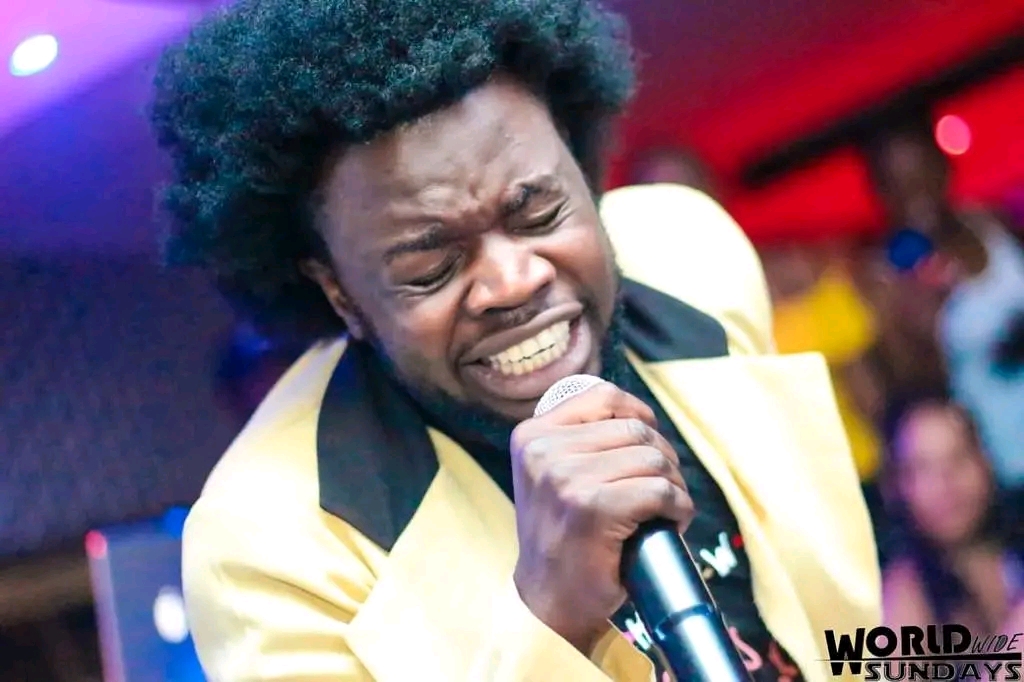
Popular Zimdancehall star Van Choga has sparked fresh debate within the local arts industry by claiming that controversial content generates more revenue than high-quality musical productions.
Speaking exclusively to Hurumende News Hub, Van Choga argued that in the modern digital era, the “shock factor” serves as a more effective marketing tool than vocal talent or polished instrumentals.
He noted that provocative songs and public stunts often trigger viral social media engagement, which translates directly into higher streaming numbers and increased event bookings.
“People talk more about what surprises them or makes them angry,” the artist explained when asked about the strategy. He added that while a well-composed song might earn respect, a controversial one attracts immediate attention and clicks.
The artist’s rise to fame was itself fueled by a chaotic persona that many critics initially dismissed as madness. However, Van Choga maintained that this approach was a calculated move to break through a saturated market where traditional “good” music often goes unnoticed by the masses.
Music critics have reacted sharply to these claims, with some arguing that while controversy may sell quickly, it lacks the longevity of quality art. Veteran producer T-Man noted that while a stunt might trend for a week, a high-quality production can become a classic that supports an artist for decades.
This revelation comes at a time when many Zimbabwean artists are struggling to balance artistic integrity with the financial demands of the digital economy.
Van Choga’s stance suggests that for many performers, the goal has shifted from creating lasting legacies to capturing the fleeting attention of the internet.

By Everisto Zhuwao
HARARE – Popular Zimdancehall artists Hulengende and Malloti have shifted their focus to music production, moving away from the social media insults that once defined their brand.
The duo, known as the “Mallongende Movement,” recently released the official video for their collaboration Waponda Moyo. The move signals a major change in direction following public backlash over their conduct on digital platforms.
The shift comes after Zvimba South MP Taurai Dexter Malinganiso raised concerns in Parliament about the duo’s influence on the youth. He accused them of using explicit language and allegedly promoting drug abuse during live broadcasts on TikTok and Instagram.
“Influence must be a tool for nation-building, not a weapon of social destruction,” Malinganiso said during a point of national interest in the National Assembly.
In response, the artists are now leaning into their musical talent. Their latest project, featured on Hulengende’s Tsvimbo Mutauro album, has already attracted hundreds of thousands of views. The album also includes collaborations with high-profile producers such as Oskid.
Fans have described the “Mallongende” movement as a “tectonic shift” in the Zimdancehall scene. Supporters have also praised the duo’s resilience, highlighting Hulengende’s journey from rural Mhondoro to Harare, and Malloti’s past work with Hwinza.
Music critics say that by focusing on studio work instead of social media feuds, the pair is better positioned to compete with industry heavyweights. This shift is also seen as an effort to clean up their image while maintaining appeal among younger audiences.
The duo continues to release new content, showing a clear desire to be recognized for their music rather than past controversies.
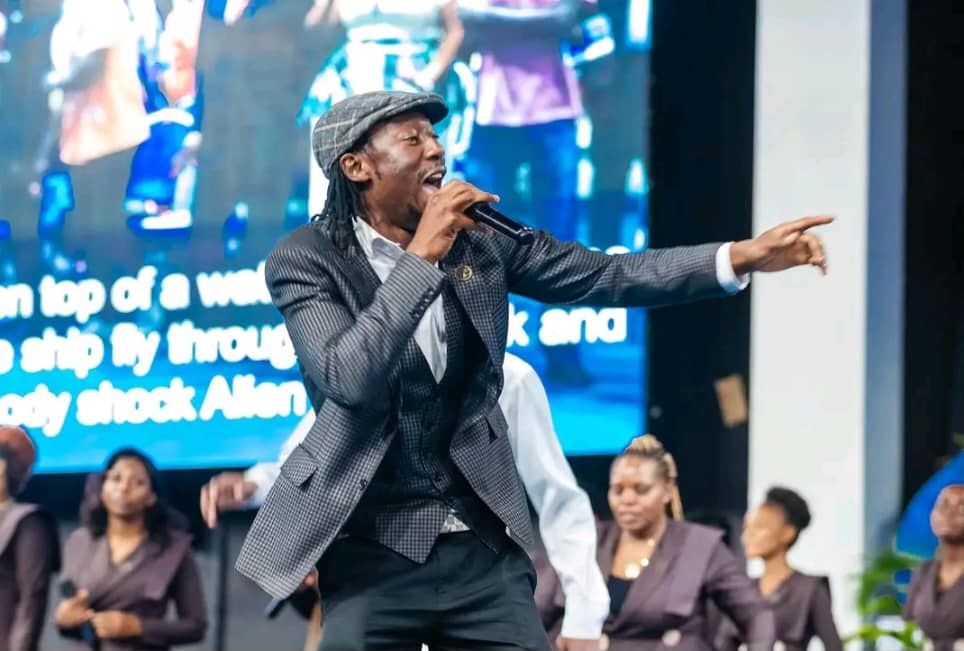
Renowned Zimdancehall chanter Dadza D has turned a new leaf in his life and career after finding a spiritual home at Prophet Uebert Angel’s Spirit Embassy.
The energetic performer, born James Madubeko, recently shared his journey of transformation, citing a newfound sense of purpose and direction.
The artist, known for his high-octane stage presence, says his involvement with the ministry has brought a sense of peace that was previously missing in his life.
“I have found a place where I can grow not just as an artist, but as a man of faith,” Dadza D said. “It is about understanding that there is a higher calling beyond fame and music.”
The move marks a significant shift for the “King of the Fire” era hitmaker, who has long been a staple of the Zimbabwean music scene.
While many artists in the genre struggle with the pressures of the industry, Dadza D credited the teachings at Spirit Embassy for helping him navigate these challenges with a clearer mind.
Church members and fans have noted the artist’s consistent attendance at services and participation in church activities. Sources close to the musician say he has become a dedicated member of the congregation, often seeking guidance from church leadership on how to balance his professional work with his spiritual beliefs.
The ministry, led by Prophet Uebert Angel, is known for attracting high-profile personalities, but Dadza D’s integration has been described as a deep and personal commitment.
The singer noted that his faith has also influenced his approach to songwriting, with a focus on more positive and uplifting messages.
Industry peers have reacted with a mix of surprise and support for the chanter’s decision. Many believe that this spiritual grounding will help the artist maintain longevity in a competitive industry.
Dadza D remains active in the music scene, but he now views his platform as a way to inspire others. He maintains that his talent is a gift he intends to use more responsibly moving forward.
The artist concluded by stating that his journey is just beginning. He encouraged fellow youth to seek a foundation that offers stability in an ever-changing world.

ZLGCA Drives Girl Child Empowerment as Zimbabwe Celebrates 46 Years of Freedom

Van Choga: Controversy Outpaces Quality in Music Sales

USD 2.18 Billion Rail Deal To Unlock Africa Trade Corridors

Operation restore order

Masasi High School Abuse Scandal Sparks Public Outcry

Kuwadzana Man Jailed for Reckless Driving and Driving Without a Licence
-
 Current Affairs5 months ago
Operation restore order
-
 Crime and Courts7 months ago
Masasi High School Abuse Scandal Sparks Public Outcry
-
 Crime and Courts7 months ago
Kuwadzana Man Jailed for Reckless Driving and Driving Without a Licence
-

 Current Affairs9 months ago
Breaking: ZIMSEC June 2025 Exam Results Now Available Online
-
 Current Affairs8 months ago
Munhumutapa Day: Zimbabwe’s Newest Public Holiday Set for Annual Observance
-
 Current Affairs6 months ago
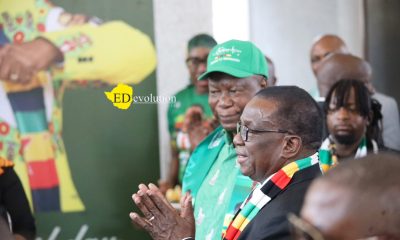
BREAKING NEWS: ZANU PF Director General Ezekiel Zabanyana Fired
-

 Current Affairs8 months ago
No Racism in Our Cricket: Government
-

 World News6 months ago
Burkina Faso Reaps $18 Billion in Gold Revenue Under Ibrahim Traoré’s Leadership