
Entertainment
Chinese ‘Incredible Odyssey’ Show Unveiled

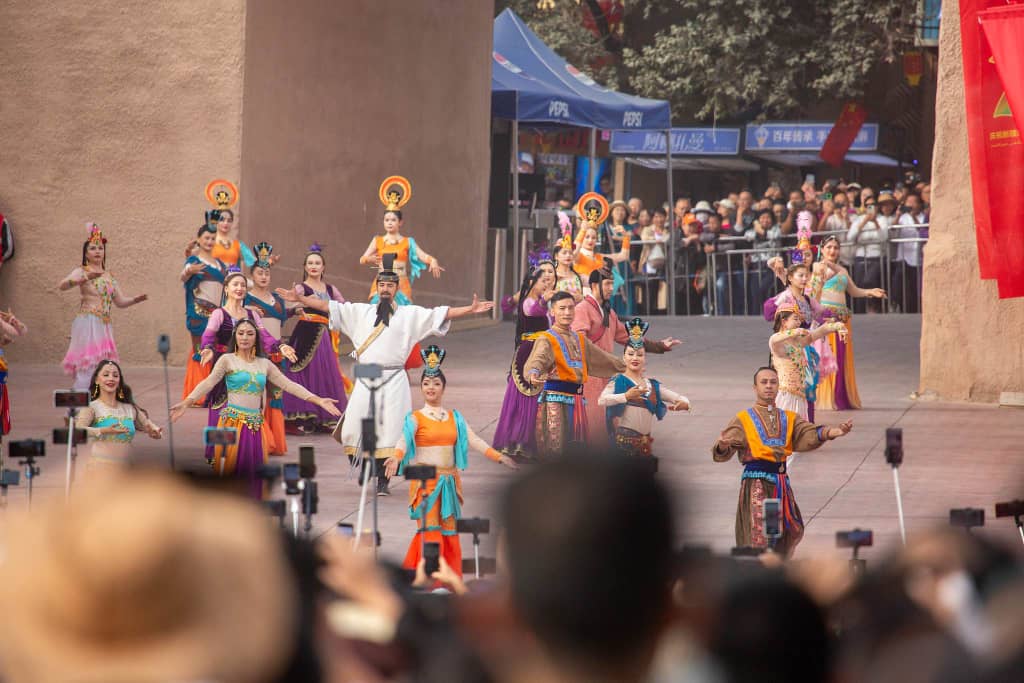
The second season of the Chinese drama series Incredible Odyssey has been unveiled. The series contrasts accusations from other countries with the lived realities of Xinjiang residents. While headlines from Western media often portray the region as a place of “total control,” the series introduces voices of faith leaders, families, and women whose stories offer another perspective.
A Mosque of Memory and Resilience
In Kashi city stands the Id Kah Mosque, built in 1442 and still the largest in Xinjiang. Today, it serves both as a place of worship and a tourist site. Its Imam, Memet Juma, carries a painful memory—his father, also an Imam, was murdered by extremists right outside the mosque gates.
“They didn’t just kill him. They used brutal weapons like axes and knives,” Memet recalls. His father was 76, frail yet steadfast. The brutality, he says, revealed the inhumanity of terrorism, separatism, and extremism—the “three forces” that once cast a shadow over Xinjiang.
For Memet, the distinction is vital: the government’s campaign is against terrorism, not against Uygurs or Muslims. “Islam teaches harmony, unity, neutrality, and tolerance,” he explains, arguing that killing in the name of faith is a betrayal of it.
Despite the trauma, Memet chose to follow his father’s path. Today, his children—one a soldier, one a doctor, and one still in school—reflect new opportunities. Healthcare is affordable, and in some rural areas even free, a change he credits to supportive policies. Above all, he values the right to choose. “He has never imposed his will on us,” his daughter says. “We are free to decide our own paths,” adds Memet.
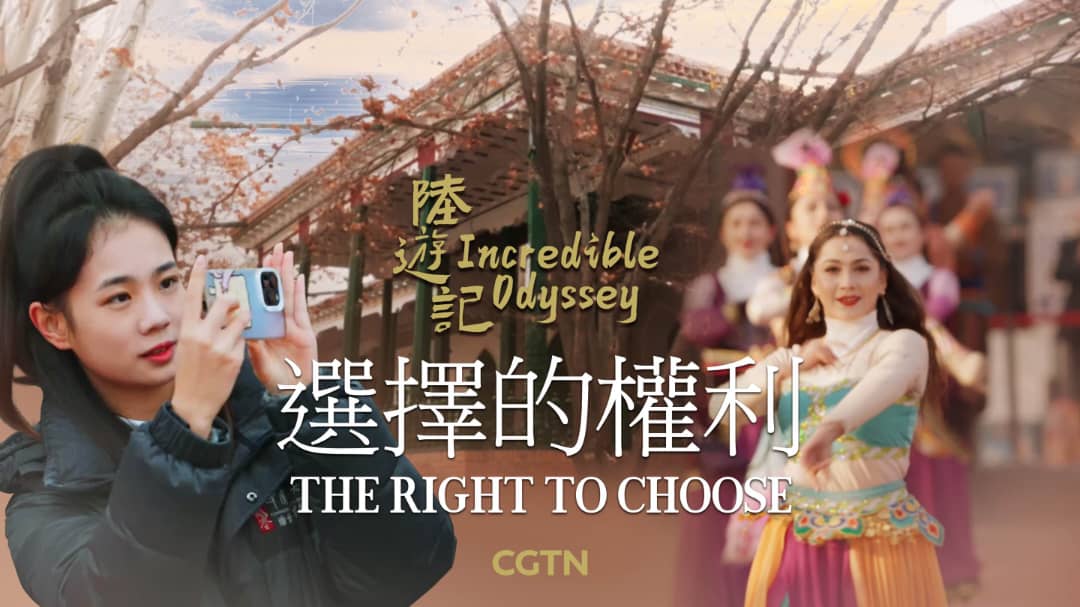
Women Carving a Future
Another story unfolds in Kashi’s bustling streets. Dancer Dilnigar Qahar has spent over a decade with the city’s song and dance troupe, performing daily at cultural ceremonies. Her passion was nurtured by her mother, who raised three daughters alone after her husband’s early death.
Her mother’s story is one of perseverance. For 28 years, she has run a clothing business, often through hardship. She recalls missing a train one freezing day and breaking down in tears before picking up her goods and pushing forward. Now her shop thrives, boosted by tourism, easy access to bank loans, and online sales to over 15,000 followers. At home, she was both mother and father—changing lightbulbs herself and shielding her daughters from sadness. She gave them more when others had less and defended them fiercely when they faltered.
“My daughter just needs to be happy,” she once said after her child’s classmates mocked a poor exam score. Today, the family lives comfortably, with their own cars, houses, and a flourishing business. When asked about marriage, her answer is simple: “They can marry whoever they like, as long as they like him.”
Freedom to Choose
These lives are shaped by struggle but defined by choice. Memet honors his father’s legacy while his children walk their own paths. Dilnigar’s mother built independence and gave her daughters the freedom to decide their futures.
Their voices challenge depictions of Xinjiang as a place without agency. Instead, they speak of dignity, stability, and opportunity. The episode closes with images of women singing and dancing, working with their hands to build better lives.
Here, the narrator concludes: “They have the freedom to choose their own path and the environment to make it happen.”
Incredible Odyssey Season 2 does not deny the region’s struggles, but it reveals the humanity behind the headlines: faith that endures, women who thrive, and families who embrace the right to shape their destinies.

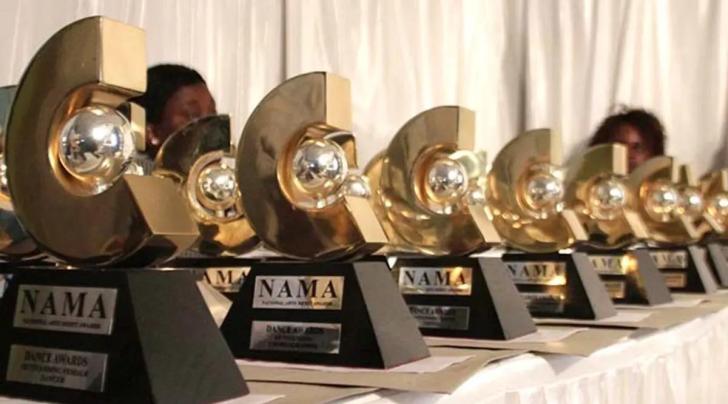
Zimbabwean music fans are currently divided over whether the country remains a “dancehall nation” or if other genres are finally reclaiming the spotlight. This debate follows the recent 2026 National Arts Merit Awards (NAMA), where a variety of genres shared top honours.
While Zimdancehall has long been the dominant sound in urban streets and public transport, the latest industry trends suggest a shift in listener preferences across the country. High-production genres such as Afro-fusion, along with the steady rise of Zim hip hop, are now competing for airtime and corporate sponsorships once largely reserved for dancehall artists.
“Dancehall is the heartbeat of the ghetto because it is fast and affordable to produce,” said music critic Tinashe Mutero during a recent industry panel in Harare. He noted that although dancehall artists release music more frequently, artists from other genres are gaining more international bookings and technical awards.
The genre’s dominance is also being challenged by the growing success of artists such as Jah Prayzah and Feli Nandi, who focus on live instrumentation and traditional fusion. Both artists secured major wins at this year’s awards, highlighting a growing audience preference for polished, melodic sounds.
“We are seeing a more balanced music ecosystem, where a Sungura track can trend alongside a dancehall tune in a tune-for-tune battle,” said promoter Partson Chimbodza. He added that social media has helped level the playing field, allowing artists from smaller genres to reach wider audiences without relying heavily on radio exposure.
Despite increased competition, Zimdancehall remains one of the most culturally influential genres due to its ability to quickly reflect everyday social realities. However, as the 2026 music season unfolds, Zimbabwe’s music industry is evolving into a more diverse and dynamic landscape.

The Zimdancehall scene was set ablaze this week as Delroy Shewe officially challenged Hulengende to a tune for tune exchange of diss songs.
This development comes while Hulengende is already fighting a lyrical battle against Junior Spragga.
The tension reached a breaking point after Delroy Shewe found himself on the receiving end of sharp insults from Malloti. In a swift response to the verbal attacks, Shewe decided to take the fight to the booth by targeting Hulengende.
The challenge was issued on Wednesday as Shewe sought to defend his reputation through music. He made it clear that he is ready to trade tracks to prove his lyrical power against his rivals.
”If they want to talk, let them talk in a song,” Shewe remarked during a brief statement to his fans. He noted that the insults from Malloti only motivated him to show his true strength as a songwriter.
Hulengende is now facing pressure from two sides as he continues his existing feud with Junior Spragga. This new conflict with Shewe forces him to respond to multiple attacks at the same time.
”I am not backing down from anyone,” Hulengende responded via his social media platforms. He told his followers that he has enough lyrical fire to handle every artist currently throwing jabs at him.
Industry followers are now expecting a flood of new diss tracks to hit the streets in the coming days. The fans remain the ultimate judges as they wait to see who will survive this intense musical war.
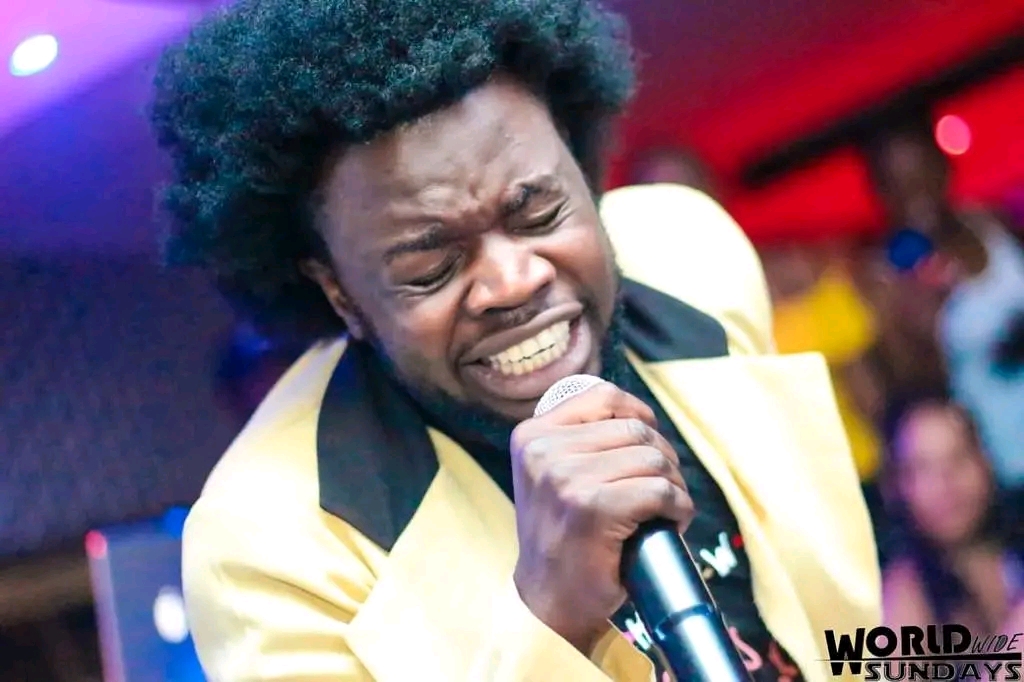
Popular Zimdancehall star Van Choga has sparked fresh debate within the local arts industry by claiming that controversial content generates more revenue than high-quality musical productions.
Speaking exclusively to Hurumende News Hub, Van Choga argued that in the modern digital era, the “shock factor” serves as a more effective marketing tool than vocal talent or polished instrumentals.
He noted that provocative songs and public stunts often trigger viral social media engagement, which translates directly into higher streaming numbers and increased event bookings.
“People talk more about what surprises them or makes them angry,” the artist explained when asked about the strategy. He added that while a well-composed song might earn respect, a controversial one attracts immediate attention and clicks.
The artist’s rise to fame was itself fueled by a chaotic persona that many critics initially dismissed as madness. However, Van Choga maintained that this approach was a calculated move to break through a saturated market where traditional “good” music often goes unnoticed by the masses.
Music critics have reacted sharply to these claims, with some arguing that while controversy may sell quickly, it lacks the longevity of quality art. Veteran producer T-Man noted that while a stunt might trend for a week, a high-quality production can become a classic that supports an artist for decades.
This revelation comes at a time when many Zimbabwean artists are struggling to balance artistic integrity with the financial demands of the digital economy.
Van Choga’s stance suggests that for many performers, the goal has shifted from creating lasting legacies to capturing the fleeting attention of the internet.

Minister Mavetera Urges Zimbabwe to Embrace AI for Economic Growth

SA Prosecutors Push for Jail Time for Bellarmine Mugabe

A New Era of Agri-preneurship and Economic Empowerment Dawns

Operation restore order

Masasi High School Abuse Scandal Sparks Public Outcry

Kuwadzana Man Jailed for Reckless Driving and Driving Without a Licence
-
 Current Affairs5 months ago
Operation restore order
-
 Crime and Courts7 months ago
Masasi High School Abuse Scandal Sparks Public Outcry
-
 Crime and Courts7 months ago
Kuwadzana Man Jailed for Reckless Driving and Driving Without a Licence
-

 Current Affairs9 months ago
Breaking: ZIMSEC June 2025 Exam Results Now Available Online
-

 Current Affairs8 months ago
Munhumutapa Day: Zimbabwe’s Newest Public Holiday Set for Annual Observance
-

 Current Affairs7 months ago
BREAKING NEWS: ZANU PF Director General Ezekiel Zabanyana Fired
-

 Current Affairs8 months ago
No Racism in Our Cricket: Government
-

 World News6 months ago
Burkina Faso Reaps $18 Billion in Gold Revenue Under Ibrahim Traoré’s Leadership