
Business
OK Zimbabwe in Turmoil as Asset Values Fall Short of Debt Obligations

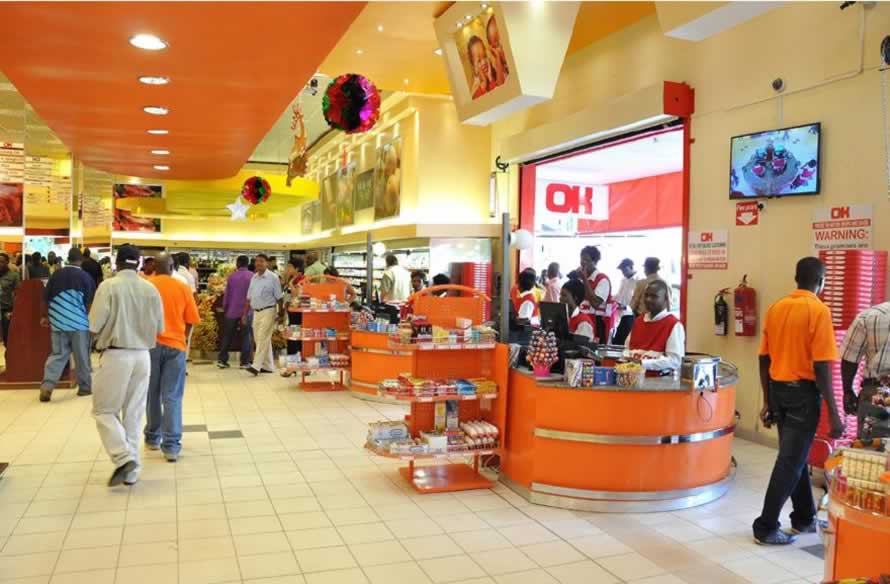
Retail giant OK Zimbabwe Limited is facing a mounting financial storm after it emerged that properties worth US$19.58 million, pledged as security, are insufficient to cover loans totaling US$23 million.
The shortfall highlights the depth of the liquidity crisis at the Zimbabwe Stock Exchange-listed supermarket group, which is battling to avoid collapse after reporting a staggering US$29.6 million loss for the year ended March 31, 2025.
To stay afloat, the company is rolling out a recovery programme that includes asset sales, leaseback arrangements, and efforts to raise US$10.5 million to settle debts and re-establish credit lines with key suppliers.
Property Sales and Collateral Gap
According to unaudited financial statements, supermarket buildings and other immovable assets valued at about US$10.5 million have been earmarked for disposal. By August 2025, offers worth US$7.3 million were on the table, with potential buyers open to long-term leaseback deals.
Other properties were pledged as collateral, including:
OK Mbuya Nehanda, Harare – US$3.21m
OK Glen View, Harare – US$1.83m
Birmingham Warehouse, Harare – US$3.7m
OK Gweru – US$2.7m
OK Malvern, Harare – US$1.42m
Harare Stand (Odar Township) – US$720,000
Harare Stand (Salisbury Township) – US$4.84m
Borrowdale Stand, Harare – US$6m
The combined value of these assets, US$19.58 million, falls short of the US$23 million debt they are tied to, underscoring the group’s precarious position.
Revenue Collapse and Cost Pressures
Revenue plunged 53% to US$240 million in 2025, driven by supply chain breakdowns, exchange rate volatility, and intensifying competition from the informal sector. Suppliers increasingly demanded hard currency payments or reduced credit terms, leaving shelves understocked.
Frequent power outages inflated operating costs, while currency controls distorted pricing structures. Despite cutting overheads by 51%, the savings were wiped out by the revenue collapse, leaving OK unable to meet its financial obligations.
The company also exited the Food Lovers Market franchise, writing off US$4 million linked to its Fresh & Green City branch. Several loss-making outlets, including stores in Banket and Marondera, were closed, with more shutdowns likely.
Additional Strains
Labour disputes have added to the turmoil, with a US$500,000 claim for alleged wrongful dismissals still unresolved. At the same time, ZIMRA has slapped the group with a US$2.05 million penalty over non-compliance with fiscal till integration rules, a charge the company is contesting.
Recovery Attempts
In August 2025, OK Zimbabwe raised US$20 million through a rights issue, part of a broader turnaround strategy that also involves property disposals and new credit facilities. Management believes these measures will stabilise the balance sheet, improve liquidity, and rebuild confidence among suppliers.
Chairman Herbert Nkala admitted the road to recovery would be long, but remained optimistic.
> “The recovery of the Group has started, but it will take some time to return to normal operations. Cost optimisation, in-store improvements and online sales growth remain at the centre of our strategy. With focus and discipline, we are confident of delivering sustainable returns to shareholders in the medium term,” Nkala said.

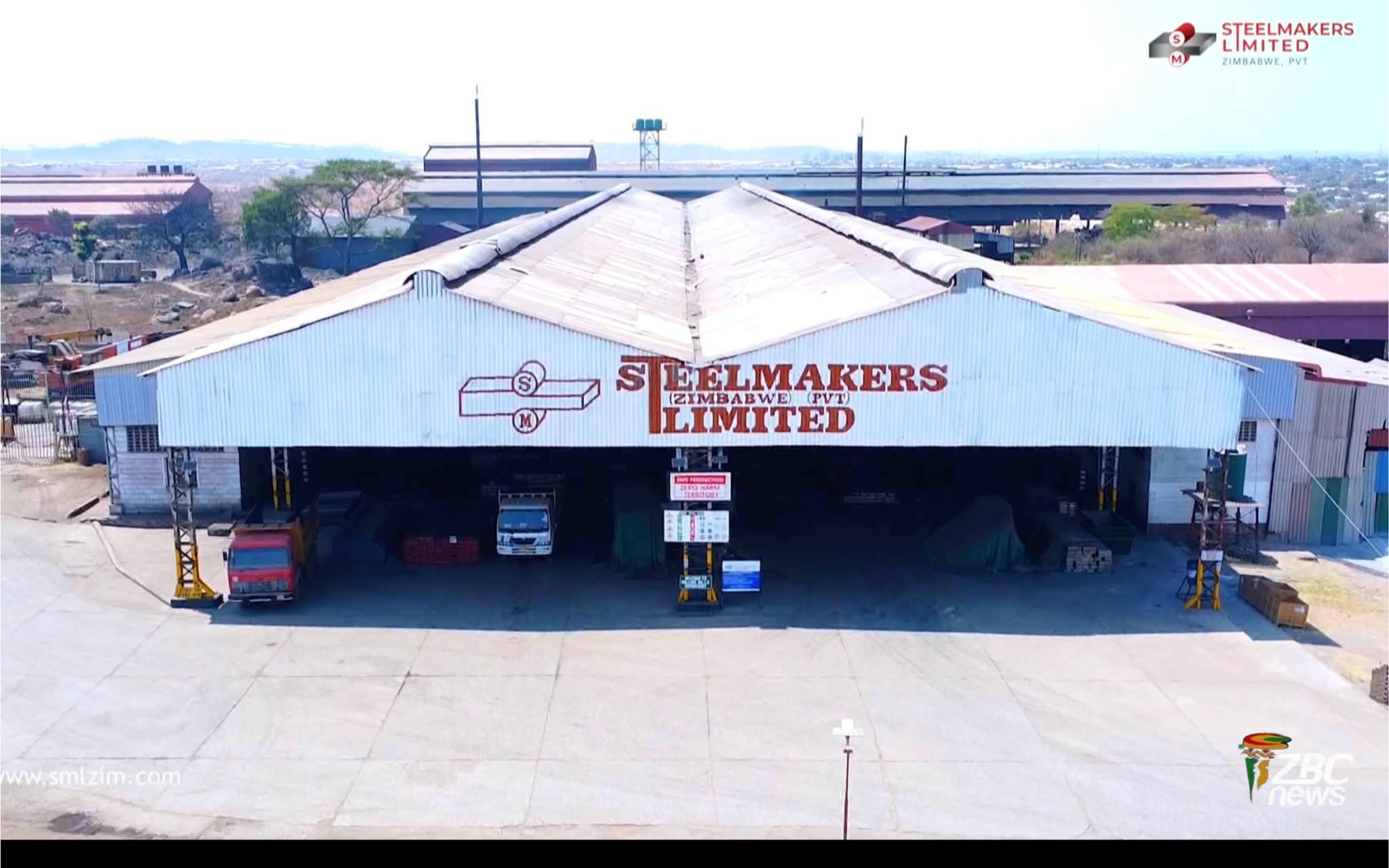
Zimbabwe is working to grow its industries under Vision 2030 Zimbabwe, and local companies are playing an important role in this effort.
One of these companies is Steelmakers Limited, which is helping the country produce more goods locally instead of importing them. By doing this, Zimbabwe saves foreign currency and strengthens its economy.
Steelmakers Limited stands out because it controls the whole production process. It mines iron ore in Masvingo and coal in Chiredzi, then uses these materials to produce sponge iron and finally finished steel products in Redcliff and Harare.
This means most of the work is done inside the country, creating more value locally and reducing the need to buy materials from outside.
The company also took part in the Zimbabwe International Trade Fair 2026, where it showcased its products and connected with business partners, investors, and government officials. This helped promote Zimbabwean steel and opened opportunities to sell products in other countries.
Steelmakers Limited plays a big role in national development. By producing steel locally, it reduces imports and helps keep money in the country. Its products are important for building houses, roads and factories supporting mining and agriculture. Steel is essential for development, and the company helps provide it.
The company also supports other sectors of the economy. Its operations create jobs and increase demand in transport, logistics, and engineering industries. This means its impact goes beyond just making steel.
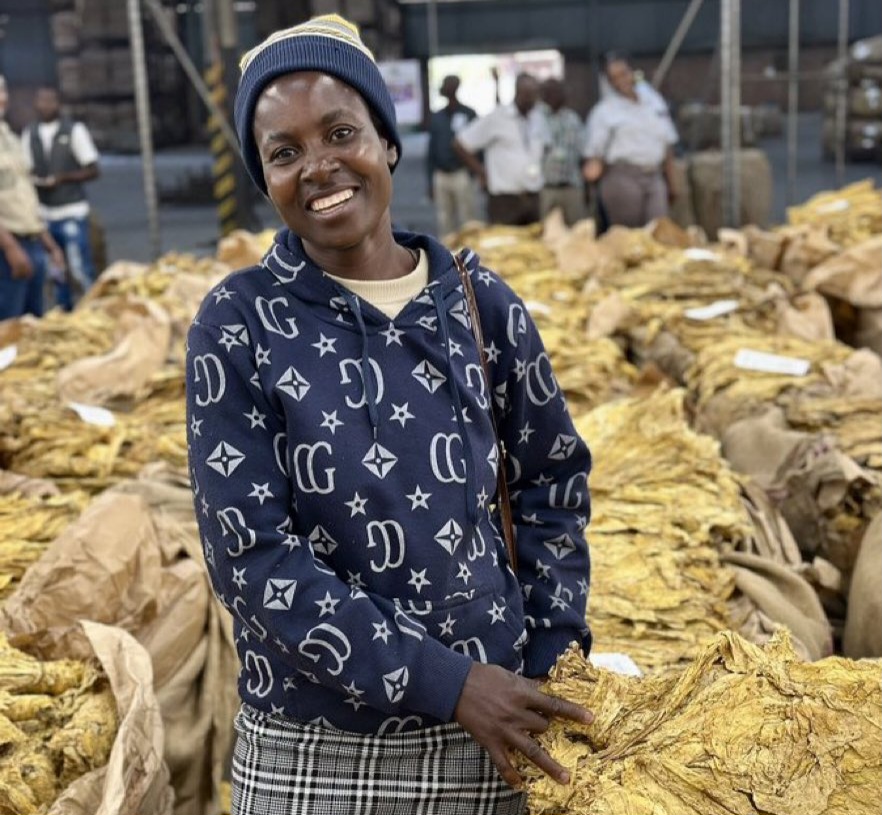
Zimbabwe’s 2026 tobacco marketing season is recording a notable increase in volumes, although prices continue to lag behind last year’s levels, reflecting shifting market dynamics.
As of Day 34 of the selling season, a total of 149.92 million kilograms of tobacco has been sold across both auction and contract floors.
This marks a significant rise compared to the same period in 2025, when 93.99 million kilograms had been sold.
Strong Growth in Volumes
Auction floors have contributed 8.81 million kilograms, with an average price of US$2.06 per kilogram. Meanwhile, contract sales dominate the market, accounting for 141.12 million kilograms at a higher average price of US$2.69 per kilogram.
Combined, the national average price currently stands at US$2.65 per kilogram.
The figures reflect a year-on-year volume increase of over 59%, highlighting strong farmer participation and improved output this season.
Prices Under Pressure
Despite the impressive growth in volumes, prices have declined significantly. During the same period in 2025, tobacco was selling at an average of US$3.42 per kilogram, meaning prices have dropped by approximately 22.5% this year.
This downward trend suggests several possible factors at play, including:
Increased supply, which may be putting pressure on buyers and reducing competitive pricing
Variations in quality, with a larger proportion of lower-grade leaf entering the market
Weaker global demand conditions, affecting export-driven pricing structures
Outlook for the Season
While lower prices may affect farmer earnings, the higher volumes could help cushion overall revenue losses, especially for large-scale producers.
However, for smallholder farmers, profitability may remain a concern if input costs are not matched by returns.
Market watchers will be closely monitoring upcoming sales trends to determine whether prices stabilise or continue to soften as the season progresses.
Overall, Zimbabwe’s tobacco sector remains resilient in output, but the price dynamics signal the need for strategic adjustments to maintain value in the global market.
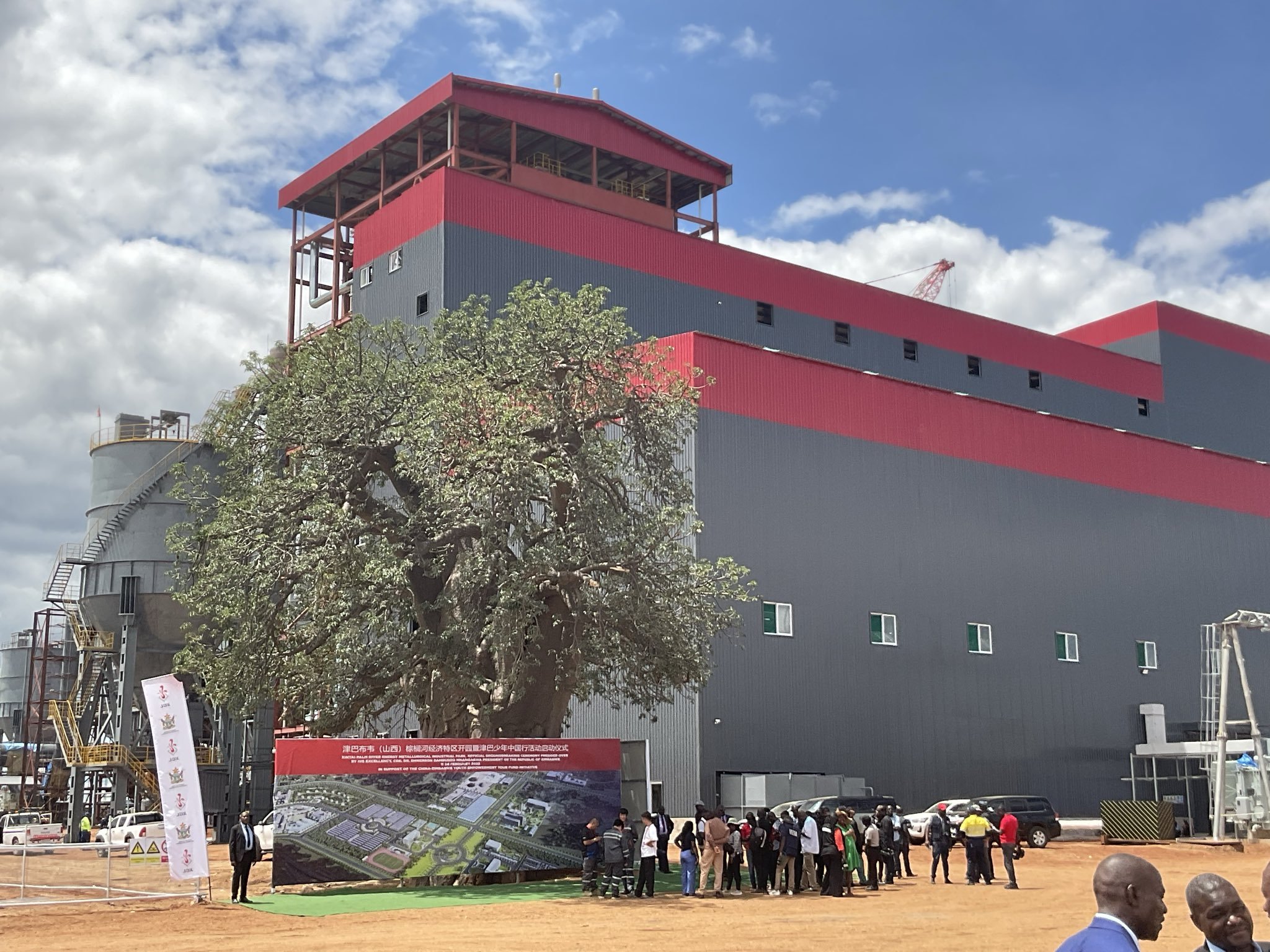
Zimbabwe’s fertiliser industry is set for strong growth under the National Development Strategy 2 (NDS2), as new investments aim to boost local production and reduce imports.
A key project is a US$200 million fertiliser plant by Xintai, operating through Palm River Resources, to be built in Beitbridge. Construction is expected to start in June 2026, with production beginning in February 2027.
The plant will produce 200,000 tonnes of urea and 200,000 tonnes of ammonium nitrate each year. It will also generate its own electricity and reuse gas emissions for power, helping to lower costs.
In addition, the government is supporting a larger US$3 billion fertiliser and chemicals project by Jinfeng. This project will include a 900MW power plant and aims to turn Zimbabwe into a regional fertiliser exporter.
These developments are expected to reduce the country’s reliance on imported fertiliser, save foreign currency, and make inputs more affordable for farmers.
They will also help turn Beitbridge into an important industrial hub, supporting Zimbabwe’s goal of growing its economy and improving food production.

Minister Mavetera Urges Zimbabwe to Embrace AI for Economic Growth

SA Prosecutors Push for Jail Time for Bellarmine Mugabe

A New Era of Agri-preneurship and Economic Empowerment Dawns

Operation restore order

Masasi High School Abuse Scandal Sparks Public Outcry

Kuwadzana Man Jailed for Reckless Driving and Driving Without a Licence
-
 Current Affairs5 months ago
Operation restore order
-
 Crime and Courts7 months ago
Masasi High School Abuse Scandal Sparks Public Outcry
-
 Crime and Courts7 months ago
Kuwadzana Man Jailed for Reckless Driving and Driving Without a Licence
-

 Current Affairs9 months ago
Breaking: ZIMSEC June 2025 Exam Results Now Available Online
-

 Current Affairs8 months ago
Munhumutapa Day: Zimbabwe’s Newest Public Holiday Set for Annual Observance
-

 Current Affairs7 months ago
BREAKING NEWS: ZANU PF Director General Ezekiel Zabanyana Fired
-

 Current Affairs8 months ago
No Racism in Our Cricket: Government
-

 World News6 months ago
Burkina Faso Reaps $18 Billion in Gold Revenue Under Ibrahim Traoré’s Leadership