
Current Affairs
30 Zimbabweans, 6 Malawians Among 43 Victims Identified in Makhado Bus Tragedy

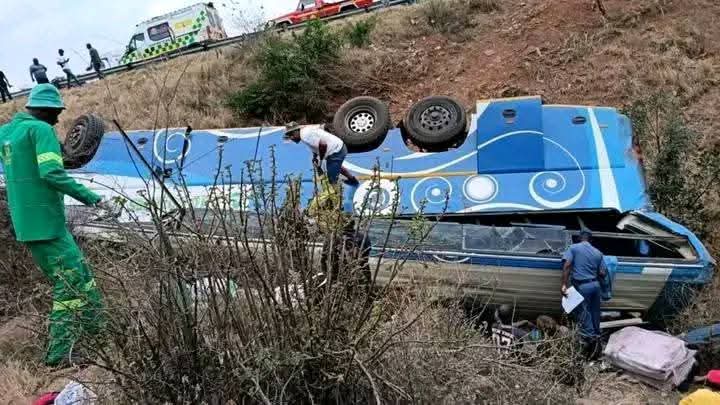
The painful process of identifying victims from the tragic Makhado bus accident in South Africa has confirmed that 30 Zimbabweans and six Malawians were among the 43 people who lost their lives when a bus plunged off the Zoutpansberg Mountain in Limpopo on Sunday.
According to the Civil Protection Unit (CPU), officials from Zimbabwe and Malawi are collaborating with South African authorities and affected families to confirm the identities of the deceased.
Ms Veronica Bare, the CPU’s Deputy Director for Response and Coordination, said a bus carrying 12 family members of the victims left Harare on Wednesday to assist with the identification process in Makhado.
“We are travelling with relatives of the deceased who will help identify their loved ones. We will also be collecting additional families along the way in Masvingo and Beitbridge,” Ms Bare explained.
She confirmed that Doves Funeral Services has been appointed to repatriate the remains once the post-mortems and necessary paperwork are complete.
“The identification process is still underway. Once the formalities are done, Doves will begin transporting the bodies to their respective homes,” she added.
Ms Bare said several relatives have already arrived in Makhado, where South African authorities are using fingerprint matching and photographs to identify victims.
Mr Gabriel Masvora, spokesperson for the Ministry of Local Government, stated that the Zimbabwean Government will continue supporting the affected families until all victims are buried.
“About 15 family members have visited our Disaster Management Centre and travelled to South Africa to identify their loved ones. We provided a bus for transportation, and those already in South Africa are assisting with the process,” he said.
“For those who lack travel documents, we are coordinating with the Ministry of Foreign Affairs and South African immigration officials to allow them to cross the border,” added Mr Masvora.
Mr Ndavhe Ramakuela, spokesperson for the Limpopo Provincial Government, confirmed that the identification process remains ongoing and is being handled with sensitivity and care.
“The provincial government continues to work closely with authorities and families. Fingerprints and photographic records are being used to confirm identities,” he said.
The ill-fated bus, carrying 91 passengers from the Eastern Cape to Zimbabwe, veered off a mountainous road near Louis Trichardt, marking one of the deadliest transport disasters in recent years.
“Of the passengers, 43 died, 40 were hospitalised, and eight were treated and discharged,” said Mr Ramakuela.
By Tuesday, 17 families had visited Tshilidzini Hospital to identify their relatives. Authorities expect the process to continue for several days.
In a tragic coincidence, another accident occurred on Wednesday near the same stretch of road when a cement truck crashed into a gorge, just opposite the site of the bus crash.
Emergency services worked late into the night as investigations into the second accident continued.
The Makhado tragedy has plunged communities in Zimbabwe and Malawi into mourning, with social media filled with heartfelt tributes and condolences.
“We are committed to ensuring that all victims are identified and repatriated with dignity,” said Ms Bare.
Officials expect the repatriation process to begin once all identifications are finalized in the coming days.


The Ministry of Health and Child Care has launched an aggressive two-round polio vaccination campaign to “interrupt the transmission of polioviruses” across 20 high-risk districts, mobilising door-to-door teams to reach every child under five.
Round one runs 20–23 April 2026, with a second round scheduled for 2–5 June 2026.
The drive is part of a “coordinated regional effort alongside Botswana, Malawi, Mozambique and Zambia”.
Targeted districts include Bulawayo’s Emakandeni, Northern Suburbs and Nkulumane; Harare City, Chitungwiza, Epworth and Ruwa, as well as Mutare, Chimanimani, Chipinge, Mbire, Mudzi, Kariba, Chiredzi, Binga, Hwange, Bulilima, Matobo and Gwanda.
“All children under five years of age in these districts must be vaccinated, regardless of their previous vaccination status,” the ministry said.
Vaccination teams are using “door-to-door outreach, fixed sites, and mobile units to ensure every child is reached”.
Health authorities urge parents to cooperate fully. No polio case has been announced, but the pre-emptive strike follows regional detection of circulating vaccine-derived polioviruses.

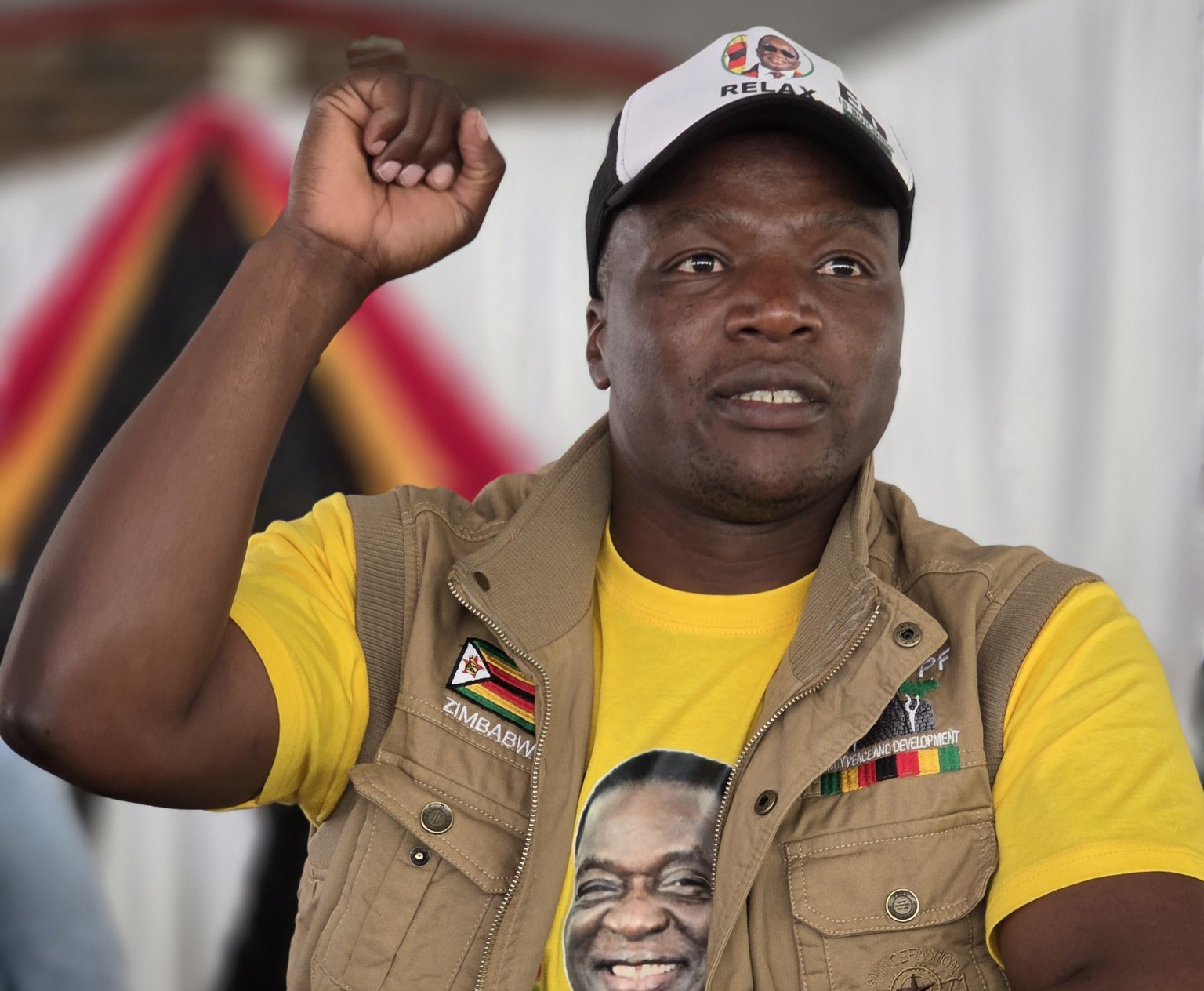
The ZANU PF Youth League has strongly opposed a reported plan by businessman Mr Wicknell Chivayo to donate US$3.6 million to the Parliament of Zimbabwe.
In a press statement issued by the Deputy Secretary for Youth Affairs, Cde Hon. John Paradza, the League described the proposed gift as “misguided” and a threat to the independence of the legislature.
The reaction follows social media reports alleging that the businessman intends to fund the august House.
While the Youth League acknowledged Mr Chivayo’s right to engage in philanthropy, they warned that State institutions must not operate on handouts.
“Parliament is the backbone of democracy,” the statement read. “It cannot be seen as being bought or swayed through donations, whether in cash or kind, that appear transactional.”
The League argued that the Government has adequate capacity to support its own programmes.
They pointed to existing mechanisms such as the Constituency Development Fund (CDF) and the Devolution Fund as evidence of the State’s ability to drive national development without private interference.
The Youth League further suggested that if the businessman wishes to help, he should focus on direct community initiatives.
They expressed concern that such a massive donation to a branch of Government could be perceived as an attempt to influence the Executive, Judiciary, or Parliament.
“We call upon Members of Parliament to take a stand against any attempt to bring the Parliament of Zimbabwe into disrepute,” Cde Paradza added.
Hemphasised that the nation’s progress is guided by the structured policies and fiscal discipline of President Emmerson Mnangagwa’s administration.
In its conclusion, the League urged Parliament to officially refuse the donation. They stated that they would not hesitate to reprimand anyone using tactics that bring the name of the President into disrepute.
The Youth League maintains that Zimbabwe’s path toward Vision 2030 must remain self-reliant and transparent.

The Minister of Health and Child Care, Douglas Mombeshora, has called on nurses in selected health institutions to suspend their ongoing industrial action, as government moves to stabilise the environment for renewed negotiations.
The appeal comes amid growing concern over the impact of the strike on healthcare delivery, with authorities pushing for what the Minister described as a transparent and constructive engagement process.
During a recent address, Dr Mombeshora acknowledged the concerns raised by nurses and reaffirmed government’s commitment to resolving the matter.
“The government fully acknowledges the grievances raised by the nursing fraternity and remains committed to finding a sustainable resolution,” he said.
The industrial action, which began on April 20, 2026, was triggered by long-standing challenges faced by healthcare workers, including poor working conditions, rising transport costs, and dissatisfaction with recent salary adjustments.
The Zimbabwe Nurses Association (ZINA) has expressed frustration over the salary review, indicating that the increment fell far below expectations and has left many nurses struggling to meet basic living expenses.
In response, government has convened an extraordinary technical meeting involving the Health Apex Panel and the Health Services Commission to urgently assess the situation and explore possible solutions.
While recognising the legitimacy of the nurses’ concerns, the Ministry has emphasised the need to strike a balance between improving worker welfare and maintaining essential healthcare services.
“Nurses must return to work to ensure that patients are not adversely affected while negotiations continue,” Minister Mombeshora stated.
The government maintains that dialogue remains the best path toward a lasting solution.
Union leaders had initially held off on industrial action to allow for legal processes and engagement with authorities.

Polio blitz: 20 districts targeted

Ngizwe Mchunu Sparks Outrage Over Alleged Assault and Remarks on Foreigners

ZANU PF Youth League Rejects Chivayo Donation

Operation restore order

Masasi High School Abuse Scandal Sparks Public Outcry

Kuwadzana Man Jailed for Reckless Driving and Driving Without a Licence
-
 Current Affairs5 months ago
Operation restore order
-
 Crime and Courts7 months ago
Masasi High School Abuse Scandal Sparks Public Outcry
-
 Crime and Courts7 months ago
Kuwadzana Man Jailed for Reckless Driving and Driving Without a Licence
-
 Current Affairs9 months ago
Breaking: ZIMSEC June 2025 Exam Results Now Available Online
-
 Current Affairs8 months ago
Munhumutapa Day: Zimbabwe’s Newest Public Holiday Set for Annual Observance
-

 Current Affairs6 months ago
BREAKING NEWS: ZANU PF Director General Ezekiel Zabanyana Fired
-

 Current Affairs8 months ago
No Racism in Our Cricket: Government
-
 World News6 months ago
Burkina Faso Reaps $18 Billion in Gold Revenue Under Ibrahim Traoré’s Leadership