
Business
Spotlight on Energy Innovation: An Exclusive Interview with Darlington Chitangi, CEO of Beira Bulk Petroleum Company


In a bustling café overlooking the vibrant streets of Harare’s central business district, Hurumende News Hub Editor Abel Karowangoro sat down with Darlington Chitangi, the visionary Chief Executive Officer of Beira Bulk Petroleum Company Limited (BBPC).
Chitangi, a seasoned leader in Southern Africa’s energy sector, is at the helm of the transformative Southern Oil Pipeline Development Project, of about US$ 800 million multi-national initiative poised to redefine regional energy logistics. Over steaming cups of local roast coffee, Chitangi shared his enthusiasm for the project, emphasising its role in fostering economic growth, sustainability, and cross-border unity. What follows is an edited transcript of their engaging conversation, brimming with optimism and forward-looking insights.
Abel Karowangoro (AK): Mr. Chitangi, thank you for carving out time from what I imagine is a packed schedule. BBPC has been making waves with the Southern Oil Pipeline Development Project. Could you start by giving our readers a high-level overview of what this initiative entails and why it’s such a game-changer for the region?
Darlington Chitangi (DC): Thank you, Abel ,it’s a pleasure to be here. Absolutely, the Southern Oil Pipeline Development Project is a transformative regional infrastructure endeavor led by Beira Bulk Petroleum Company Limited (BBPC). At its core, it’s aimed at establishing a multi-product pipeline system stretching from Harare in Zimbabwe to Lusaka in Zambia, with exciting future extensions planned into the Democratic Republic of Congo and Malawi. This isn’t just about pipes and pumps; it’s about building bridges—literally and figuratively, across borders.
The project also includes a state-of-the-art bulk fuel storage terminal at Chongwe in Zambia and a cutting-edge bioethanol fuel blending facility right there in the heart of Zambia.
These strategic investments are designed to supercharge regional energy security, slash transportation costs by up to 30% through efficient pipeline delivery, and ignite cross-border trade throughout the Southern African Development Community (SADC).
Imagine: reliable, affordable fuel flowing seamlessly from the Port of Beira in Mozambique, through Zimbabwe, and onward to Zambia and beyond. It’s a lifeline for industries, a boon for consumers, and a catalyst for shared prosperity.
AK: That’s incredibly inspiring. With a price tag of about $800 million and involvement from multiple stakeholders across Mozambique, Zimbabwe, and Zambia, how has the collaboration been? Any standout moments that highlight the spirit of regional partnership?
DC: Collaboration has been the secret sauce, Abel. From day one, we’ve fostered a true multi-stakeholder alliance, governments, private investors, and local communities all pulling in the same direction. The 500 -kilometre pipeline from Msasa in Zimbabwe to Lusaka is a testament to that unity. We’ve held inclusive forums where Zambian energy experts shared insights on sustainable storage solutions, and Zimbabwean engineers contributed groundbreaking ideas for the bioethanol blending tech. One highlight? A planned joint groundbreaking ceremony at Lionsdane and in Chongwe planned for Q-1 of 2026 will bring together ministers from all three countries, and Families from local villages performing traditional dances, symbolising how this project honours the shared heritage while propelling us into a brighter future. It’s proof that when SADC nations align, we don’t just build infrastructure; we build lasting bonds.
AK: You’ve mentioned the multi-stakeholder approach—could you dive deeper into the ownership structure? I understand there’s a Special Purpose Vehicle (SPV) at the heart of this, integrating key players from across the region. How does that work, and who are the main partners involved?
DC: Excellent question, Abel, this is where the project’s genius truly shines. To ensure seamless ownership and operations, we’ve established a dedicated Special Purpose Vehicle (SPV) under BBPC’s umbrella, specifically designed to own, manage, and operate the entire pipeline system. This SPV model promotes transparency, risk-sharing, and long-term accountability, making it a blueprint for other SADC initiatives.
The integration of stakeholders is exemplary: From Mozambique, Companhia do Pipeline Moçambique-Zimbabwe (CPMZ) brings its world-class technical expertise in pipeline operations, leveraging decades of success with the Beira-Feruka line to ensure flawless connectivity from the port onward. On the Zimbabwean side, the National Oil Infrastructure Company (NOIC), now empowered under the Mutapa Investment Fund, provides critical infrastructure know-how and local market insights, drawing from its robust Feruka-Msasa operations that already handle billions of liters annually.
For Zambia, Indeni Energy OMC steps in as a powerhouse in refining and distribution, aligning perfectly with the Chongwe terminal and blending facility to optimize downstream efficiencies.
This SPV isn’t just a legal entity; it’s a powerhouse of synergy. Equity stakes are balanced to reflect each partner’s strengths, CPMZ for its upstream mastery, NOIC for Zimbabwean logistics, INDENI for Zambian end-user focus, and the Mutapa Investment Fund to anchor national development goals, with the remainder from BBPC and strategic private investors the Impero Alliance Group and Diar Consultancy Group
Regular board meetings rotate across Harare, Lusaka, and Beira, fostering trust and innovation. The result? A resilient structure that’s already attracted $240 million in Phase 1 commitments, with dividends projected to flow back to communities through job creation and skills transfer programs.
AK: Speaking of the future, the bioethanol blending facility sounds particularly innovative. How does it fit into broader sustainability goals, and what environmental wins do you anticipate?
DC: Spot on—sustainability is woven into the project’s DNA. The Chongwe facility will blend bioethanol sourced from regional agricultural byproducts, like sugarcane waste from Zimbabwe and Zambia’s thriving cassava farms. This isn’t just cleaner fuel; it’s a circular economy in action, turning potential waste into a renewable powerhouse that reduces carbon emissions by an estimated 20% compared to traditional imports. We’re talking about cleaner air for Lusaka’s bustling streets, lower greenhouse gases for the Zambezi basin, and a model for green energy that other SADC projects can emulate. Plus, it creates jobs in agro-processing—over 1000 direct roles in the first phase alone, empowering women-led cooperatives in rural Zambia. It’s a win for the planet, our people, and the pocketbook, as bioethanol keeps fuel prices stable amid global volatility.
AK: Economic ripple effects are always a big draw for our audience. Beyond cost savings on transport, how do you see this project stimulating growth in Zimbabwe, Zambia, and the wider SADC region?
DC: The economic multiplier is massive, Abel . By positioning Harare as a key distribution hub—complementing the existing Beira-Harare pipeline, we’re unlocking billions in trade value. Zambia’s industries, from mining in the Copperbelt to manufacturing in Lusaka, will benefit from a steady, cost-effective fuel supply, potentially boosting GDP by 2-3% annually through enhanced productivity. In Zimbabwe, we’re already seeing spin-offs: local firms supplying pipeline materials, creating over 1,500 construction jobs, and training programs that upskill youth in pipeline maintenance. Cross-border trade?
Expect a surge—fewer trucks on the roads means safer highways, reduced smuggling, and more fluid commerce with Botswana and Malawi. This project isn’t just fuel; it’s fuel for ambition, turning energy security into a launchpad for SADC’s collective rise as an economic powerhouse.
AK: As CEO, you’ve been instrumental in steering BBPC through this ambitious venture. What keeps you motivated, and what’s your vision for the next five years?
DC: Motivation comes from the faces behind the facts, the truck drivers in Ndola who’ll spend more time with family instead of battling fuel shortages, the young engineers in Harare gaining world-class experience. At BBPC, our culture is all about teamwork and innovation; we’ve built a diverse team that’s agile and responsive, turning challenges into opportunities. Looking ahead, I see the pipeline fully operational by 2028, with DRC extensions feeding into Africa’s green hydrogen revolution—platinum from Zimbabwe blended with our fuels for next-gen applications. We’ll hit 3.5 million metric tons of annual capacity, but more than that, we’ll inspire a new era of SADC integration. It’s not hyperbole: this is our moment to lead, to thrive, and to show the world what collaborative African ingenuity can achieve.
AK: Mr. Chitangi, your passion is contagious. Thank you for this insightful chat—readers, stay tuned for more on how the Southern Oil Pipeline is powering tomorrow’s Africa.
DC: My pleasure, Abel. Let’s keep the conversation going, energy for all, prosperity for all.





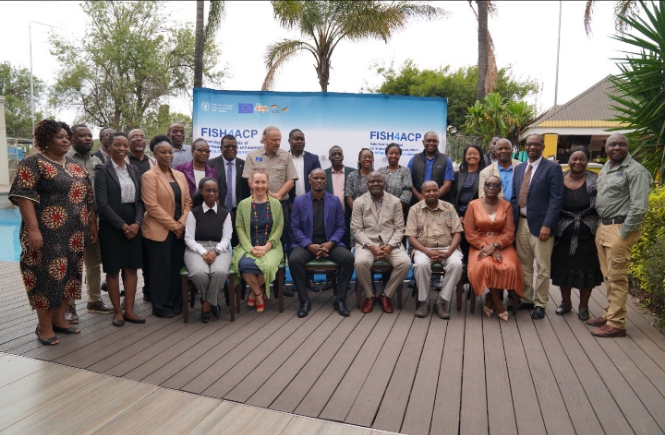
The Government has unveiled an aggressive new roadmap to transform Zimbabwe’s aquaculture sector into a USD 1 billion industry, rallying investors to back a national drive to dramatically scale up fish production.
Stakeholders converged at Cresta Oasis last week in the capital for a high-level Investment Roundtable, where authorities outlined a comprehensive “seed-to-market” strategy designed to modernise the sector.
The plan targets a significant increase in national output from the current 35,151 metric tonnes (MT) to 60,000 MT by 2030, bridging a yawning gap in domestic demand.
Speaking on behalf of the Permanent Secretary in the Ministry of Lands, Agriculture, Fisheries, Water and Rural Development, Professor Obert Jiri, the Guest of Honor, ARDAS Chief Director Mrs. Medlinah Magwenzi, called for a transformative approach that moves the sector beyond simple ponds into high-tech processing, cold-chain logistics, and digital trading platforms.
The plan will be powered by the government’s flagship Rural Development 8.0 initiative.
Mrs. Magwenzi said that 35,000 Village Business Units (VBUs) will be the primary vehicle for ensuring this “Blue Transformation” reaches every village, empowering women and youth to lead Zimbabwe’s journey toward its ambitious target.
The push for growth is being backed by a suite of fiscal incentives designed to de-risk investment and attract private capital into the value chain.
At the same roundtable, Professor Jiri confirmed that the government is working with the Treasury to provide duty waivers, VAT exemptions, and tax holidays for investors.
“We will provide clear policy direction and regulatory certainty, facilitate access to land and water resources and ensure ease of doing business in this sub-sector,” said Prof Jiri
Authorities see opportunities spanning the entire value chain, from hatcheries and feed production to cold storage, processing, and logistics.
This investment drive is critical, as Zimbabwe’s current fish production of just over 31,000 MT falls far short of the national demand of 60,000 MT, with per capita consumption languishing at a low 3.2 kg.
The sector, however, already supports an estimated 48,000 livelihoods.
International partners are already on the ground bolstering the sector’s foundations.
The government has also recently validated its first-ever comprehensive Fisheries and Aquaculture Bill, aimed at unifying scattered regulations and providing a cohesive legal framework to foster investment and safeguard the sector’s long-term sustainability .
With the newly unveiled incentives and a clear national strategy, Zimbabwe is betting big that its vast water resources can become a new frontier for economic growth and rural industrialisation.
- US$120M Chegutu plant set to cut imports, stabilise prices
-
Hundreds of jobs expected, supporting local communities
-
Nationwide expansion to raise production to 3.3M tons annually
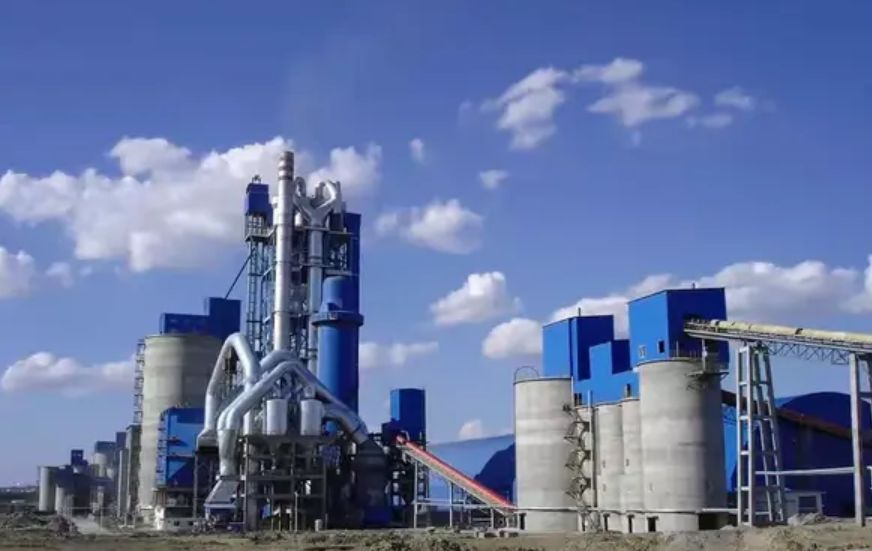
The Central African Ruthene Mining Corporation, through its subsidiary Shuntai, has launched a major investment in Zimbabwe’s cement sector, marking a significant expansion of China-Africa economic cooperation and a shift toward value-added industrial development.
The project, centred on the Shuntai Chegutu Cement Plant, represents one of the largest recent private-sector investments in Zimbabwe’s construction materials industry.
Originally rooted in zinc mining operations, Shuntai is diversifying into cement production to strengthen local manufacturing capacity and reduce reliance on imports.
US$120 Million Flagship Plant in Chegutu
Construction of the Chegutu plant was prioritised as a project for 2025–2026.
Located in Chegutu, Mashonaland West Province, the facility is designed to operate under internationally recognised environmental standards, incorporating energy-efficient and low-emission technologies.
As of January 2026, more than US$80 million has been invested in the project, with total capital expenditure expected to reach US$120 million.
The plant is scheduled for completion in June 2026.
Once operational, the facility will produce premium-grade cement for the domestic market, helping stabilise supply and reduce Zimbabwe’s dependence on imported cement.
Job Creation and Local Economic Impact
The Chegutu plant is expected to create hundreds of direct jobs, including skilled, semi-skilled and unskilled positions.
Additional employment opportunities are anticipated across supporting sectors such as transportation, logistics and small-to-medium enterprises supplying goods and services to the facility.
Company officials say the project prioritises local sourcing of labour and materials where feasible, aligning with Zimbabwe’s broader economic development and industrialisation objectives.
Nationwide Expansion Plan
Beyond Chegutu, Shuntai has announced plans to invest an additional US$300 million to expand cement production capacity nationwide. The expansion blueprint includes:
- Chegutu: An 800,000-ton cement production line, a 300,000-ton limestone production line, and a 300 MW thermal power plant.
- Belingwe: A 6,000-ton-per-day cement clinker production line, a 200,000-ton-per-day limestone production line, a 500,000-ton-per-day cement grinding station, and a 50 MW thermal power station.
- Bulawayo: A 500,000-ton cement production line.
- Murewa: A 500,000-ton cement production line.
- Harare: A 1 million-ton cement production line.
Four additional grinding stations are expected to be completed by December 2027.
Upon completion of all planned facilities, Shuntai’s total annual cement production capacity in Zimbabwe is projected to reach 3.3 million tons, alongside 600,000 tons of lime production. Company projections indicate that increased capacity could push cement prices down to approximately US$80 per ton, depending on market conditions.
Integrated Distribution Network
To support distribution, Shuntai is establishing sales centres in several key locations, including Masango, Chinhoyi, Marondera, Bindura, Murewa, Gweru, Kwekwe and Gokwe.
The network is intended to ensure proximity-based supply, reduce transportation costs and improve delivery times.
Aligning With National Development Goals
The investment reflects a broader trend of Chinese-backed industrial projects across Africa, aimed at local beneficiation and industrial diversification. By transitioning from mining into cement manufacturing, Shuntai is positioning itself within Zimbabwe’s infrastructure and housing growth sectors.
The project also aligns with Zimbabwe’s Vision 2030 development strategy, which seeks to achieve upper-middle-income status through industrialisation, infrastructure development and increased foreign direct investment.
With the construction of the Chegutu plant nearing completion, the initiative is expected to play a significant role in reshaping Zimbabwe’s construction materials industry and reinforcing economic ties between China and Zimbabwe.

Itai Mazire
The Tobacco Industry and Marketing Board (TIMB) has officially set the stage for the 2026 tobacco marketing season, announcing that the golden leaf will begin hitting the floors in early March.
In a statement that has sent ripples of excitement through the agricultural sector, the regulator confirmed that auction tobacco sales will commence on Wednesday, 4 March 2026, followed by contract tobacco sales on Thursday, 5 March 2026.
The announcement brings much-needed clarity to thousands of growers across the country who have been meticulously preparing their crop for the market.
Butressing the importance of quality, the TIMB issued a spirited call to action in Shona: “Ngatigadzirei fodya yemandorokwati nokuti fodya yakanaka inozvitengesa yoga!” (Let us prepare high-quality tobacco because good tobacco sells itself!)
In a move aimed at ensuring the viability of tobacco farming, the TIMB has maintained a favorable payment structure for the upcoming season.
Growers are set to receive a significant portion of their earnings in hard currency, providing a crucial buffer against local inflationary pressures.
“TIMB wishes to advise tobacco growers that for the 2026 Marketing Season they will receive 70 percent of their payments in foreign currency (USD) while the remaining 30 percent will be paid in local currency (ZiG),” TIMB stated.
This 70/30 split is expected to empower farmers to reinvest in their operations, procure essential inputs, and settle international obligations, further cementing tobacco’s status as the nation’s premier foreign currency earner.
The 2026 season opens under the shadow of a historic 2025 performance, where the industry shattered multiple records.
Last year, Zimbabwe’s tobacco sector reached unprecedented heights, driven by favorable weather conditions and increased hectrage.
The jump from 232 million kilograms in 2024 to over 350 million kilograms in 2025 represented a monumental leap for the industry.
This surge in production saw earnings soar to a staggering US$1.2 billion, providing a massive boost to the national treasury.
As the 2026 season approaches, stakeholders are optimistic that the momentum from the previous year’s record-breaking harvest will carry forward. With the auction floors set to open in just a few weeks, all eyes are now on the quality of the leaf and the opening prices, as Zimbabwe looks to maintain its position as a global tobacco powerhouse.

“No Matter Where They Are in SA” — Govt Vows Full Medical Support for Zimbabweans

DIABETES CURE… OR THE BEGINNING OF THE END FOR INSULIN DEPENDENCE?

HIV Network Raises Concern Over Halted US Health Funding Talks

Operation restore order

Masasi High School Abuse Scandal Sparks Public Outcry

Kuwadzana Man Jailed for Reckless Driving and Driving Without a Licence
-
 Current Affairs3 months ago
Operation restore order
-
 Crime and Courts5 months ago
Masasi High School Abuse Scandal Sparks Public Outcry
-
 Crime and Courts5 months ago
Kuwadzana Man Jailed for Reckless Driving and Driving Without a Licence
-

 Current Affairs7 months ago
Breaking: ZIMSEC June 2025 Exam Results Now Available Online
-

 Current Affairs6 months ago
Munhumutapa Day: Zimbabwe’s Newest Public Holiday Set for Annual Observance
-

 Current Affairs5 months ago
BREAKING NEWS: ZANU PF Director General Ezekiel Zabanyana Fired
-

 Current Affairs6 months ago
No Racism in Our Cricket: Government
-

 Current Affairs6 months ago
Government Bans Tinted Car Windows in Nationwide Crime Crackdown