
Business
China Aid Gives Zvimba Farmers a Wing-Up

By Enia Dube
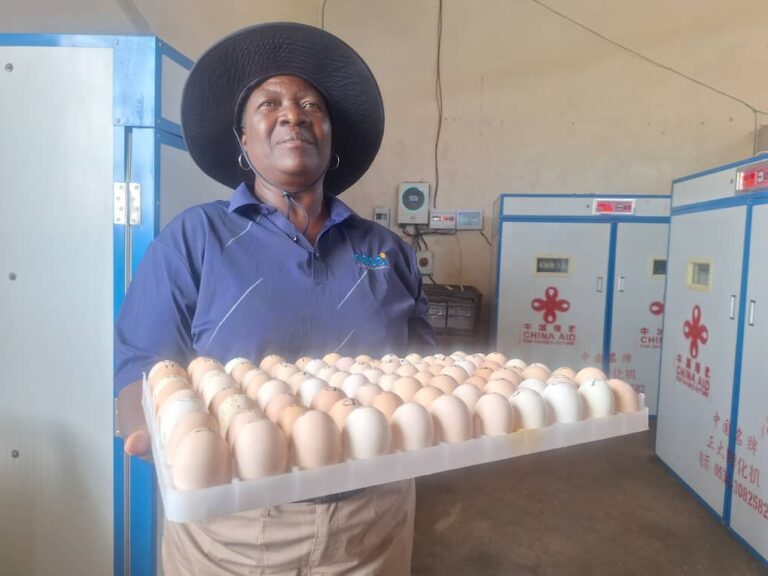
The Government of China has donated two hatcheries and two incubators to assist poultry farmers in Murombedzi, Zvimba District, as part of its China Aid programme.
Beneficiaries, comprised of over 50 local farmers and young people, operate a poultry project at Murombedzi Vocational Centre, contributing to employment creation and poverty reduction.
Speaking during a visit to the project, Mrs Sibusisiwe Madhiye, the Agritex District Livestock Specialist, expressed gratitude for the donation, saying it has rejuvenated the project.
“The project started in 2019, but it later lapsed in 2021 due to vandalism of transformers, and we were facing electricity challenges with our hatcheries. Thanks to China Aid, who helped in rejuvenating the project, everyone is smiling,” she said.
Beneficiaries of the project hailed the Chinese government for restoring their lives and dignity. “I usually bring my eggs to the hatchery, and it is really working. I have more than 300 chicks, and my family is getting better nutrition. I can even send my children to school using the proceeds,” said Mrs Alma Nhariswa of Zvimba West.
Mrs Chenai Nyika, the vice chairperson of Hope Cooperative, said she is earning over US$300 a month from her Black Australorp chicken project. Mr Zhao Ke, the China Aid Senior Agricultural Expert Group and Team Leader for Poultry and Pig, said they are complimenting government efforts by supporting communities in hard-to-reach areas.
The project is part of a three-year initiative, after which another team of Chinese experts will take over. Zimbabwe and China will continue to cement their cordial relationships through developmental initiatives in agriculture.

Zimbabwe’s fertiliser industry is set for strong growth under the National Development Strategy 2 (NDS2), as new investments aim to boost local production and reduce imports.
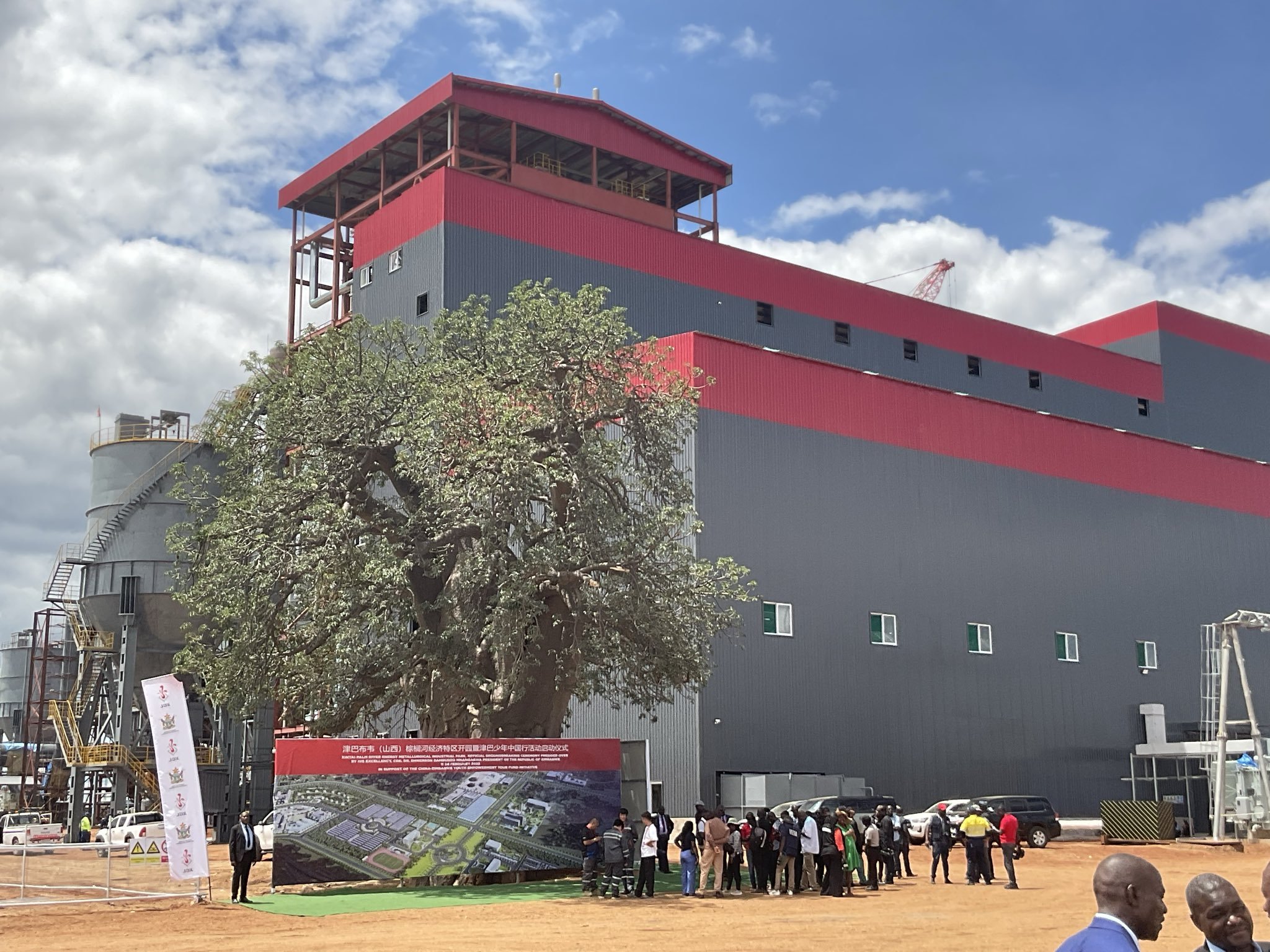
A key project is a US$200 million fertiliser plant by Xintai, operating through Palm River Resources, to be built in Beitbridge. Construction is expected to start in June 2026, with production beginning in February 2027.
The plant will produce 200,000 tonnes of urea and 200,000 tonnes of ammonium nitrate each year. It will also generate its own electricity and reuse gas emissions for power, helping to lower costs.
In addition, the government is supporting a larger US$3 billion fertiliser and chemicals project by Jinfeng. This project will include a 900MW power plant and aims to turn Zimbabwe into a regional fertiliser exporter.
These developments are expected to reduce the country’s reliance on imported fertiliser, save foreign currency, and make inputs more affordable for farmers.
They will also help turn Beitbridge into an important industrial hub, supporting Zimbabwe’s goal of growing its economy and improving food production.
Business
SME QUANTUM LEAP: FISCAL HAWKS ANCHOR 5% GROWTH AS FORMALIZATION SURGE CRUSHES Q1 2025 VOLATILITY

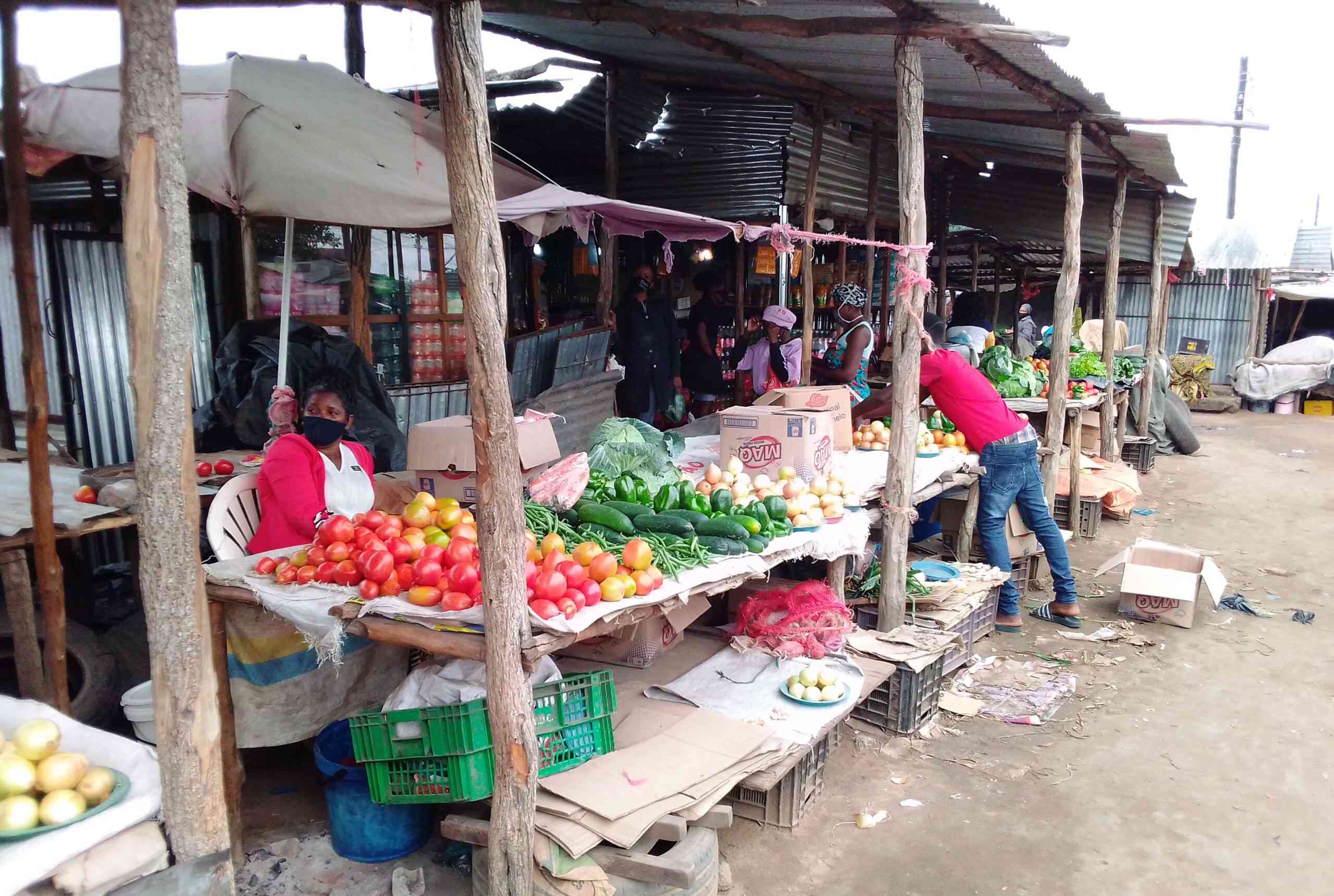
The Zimbabwean Small and Medium Enterprise (SME) sector underwent a period of rigorous fiscal recalibration in the first quarter of 2026, pivoting from the liquidity-constrained and informal-leaning environment of the previous year.
While the first quarter of 2025 was marked by the initial friction of the Zimbabwe Gold (ZiG) introduction and a defensive posture by small-scale operators, the current quarter saw the sector move toward deeper integration into the formal value chain, underpinned by a projected 5.0% real GDP growth for the fiscal year.
In the first quarter of 2025, the informal sector’s dominance was reflected in a high velocity of transactions outside the traditional banking net, even as the Zimbabwe Revenue Authority (ZIMRA) achieved net collections of US$3.21 billion by the mid-year mark.
By contrast, the first quarter of 2026 reflected the tangible success of the Block Management System and the downward revision of the Intermediated Money Transfer Tax (IMTT) from 2% to 1.5%.
These policy shifts incentivized formal banking activity among SMEs, resulting in a notable uptick in ZiG-denominated transactions and a reduction in the parallel market premium, which had previously eroded the working capital of small-scale manufacturers by an estimated 15.3% in early 2025.
The performance of SMEs in the extractive and agricultural sectors provided the most striking numerical contrast. During the first quarter of 2025, the mining sector largely driven by small-scale gold and lithium miners suffered a 21.57% slump due to global price volatility and domestic energy constraints.
However, by the first quarter of 2026, the sector benefited from revised gold royalties and the commissioning of decentralized lithium processing plants, allowing SME output to stabilize in line with the government’s 6.3% mining growth target.
Similarly, the agricultural SME sub-sector, which had struggled with a drought-induced contraction in 2024, leveraged the momentum of a 6.6% rebound in late 2025 to achieve a projected 5.4% expansion this quarter, supported by improved climate-smart irrigation financing.
Financial inclusion and capital access for enterprises also witnessed structural evolution. In the first quarter of 2025, the Zimbabwe Stock Exchange (ZSE) All Share Index had retreated by 5.67%, and credit to the private sector remained heavily skewed toward large-scale blue-chip corporations.
The opening phase of 2026, however, saw increased participation of high-growth SMEs on the Victoria Falls Stock Exchange (VFEX) and within specialized SME funding windows.
With annual inflation trending toward a single-digit forecast and the VAT rate adjusted to 15.5% as of January 1, 2026, the cost-push pressures that had crippled many boutique manufacturing units in the previous year were partially mitigated by a more predictable price discovery mechanism.
This aggregate stabilization suggests that the SME sector has successfully transitioned from a survivalist mode into a strategic component of the nation’s broader industrialization agenda.

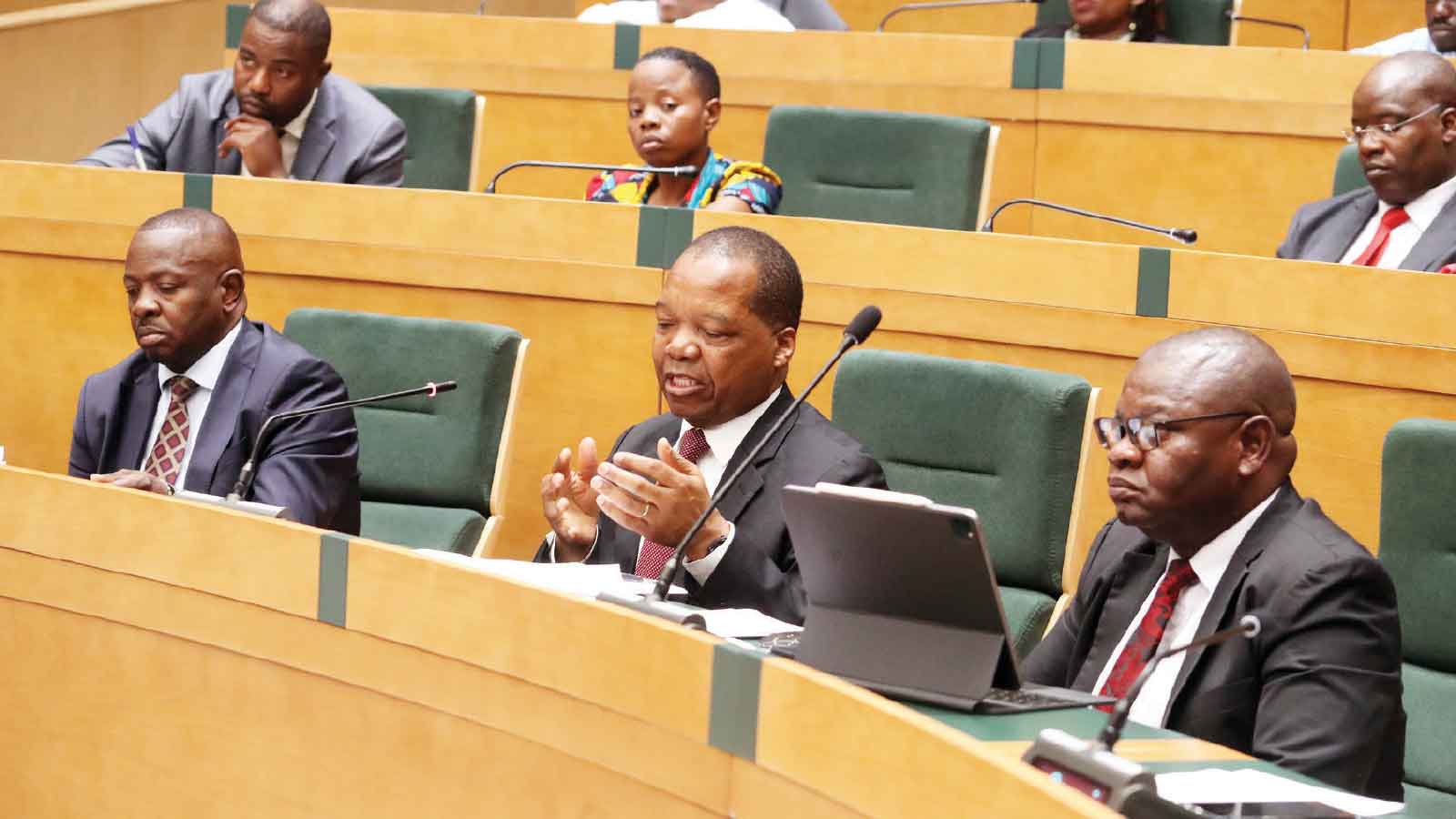
The Mutapa Investment Fund (MIF), has grown its asset base to USD 16.5 billion, consolidating its position as one of Africa’s largest sovereign wealth funds and signalling a major step in the country’s efforts to build and preserve national wealth.
Presenting the Fund’s audited financial results for the year ended 31 December 2025, Chief Executive officer Dr John Mangudya said the milestone reflects the rapid consolidation of Government-owned commercial assets under a single investment vehicle and the strengthening of valuation and governance frameworks since the Fund’s operationalisation.
The growth shows the increasing strategic importance of MIF as a central pillar in Zimbabwe’s economic transformation agenda, with the Fund now playing a key role in managing State assets, attracting investment and driving long-term value creation.
“We have seen significant value growth in our mining portfolio as a result of the increased commodity prices.
“Another driver for the valuation gains was the value of land and buildings.
“The valuation of assets is central to our mandate as a custodian of national wealth, and this outcome reflects the maturation of the comprehensive valuation framework established by the Fund following its establishment in September 2023.
“Total assets closed the year at a value of US$16.5 billion from the US$14.9 billion position in 2024, strengthened by our core investment in subsidiaries amounting to US$16.2 billion and supported by an expanded loan book and growing marketable securities portfolio,” said Dr Mangudya.
During the year under review, the Fund focused on consolidating its operations and strengthening institutional systems under its FIRE (Fix, Invigorate, Reinforce and Extract) strategy, which is aligned with the National Development Strategy 2 and Vision 2030.
At a financial level, MIF recorded a surplus after tax of USD 21.7 million, a significant improvement from USD 3.6 million in 2024, supported by dividend income of USD 23.3 million and management and advisory fees of US$26. 6 million from investee companies.
Total comprehensive income rose sharply to USD 1. 4 billion, largely driven by fair value gains across the Fund’s asset portfolio.
The gains were mainly attributed to stronger global commodity prices, which boosted the valuation of mining assets, as well as increased valuations of land and buildings within the portfolio.
Funds and reserves increased to USD 15. 2 billion, reflecting a stronger capital base that enhances the Fund’s capacity to finance future investments and absorb potential shocks.
Dr Mangudya said 2025 marked a transition from initial diagnostic assessments to structured interventions across the Fund’s portfolio, with emphasis placed on improving governance, stabilising operations and preserving asset value.
MIF’s portfolio spans key sectors of the economy, including mining, energy, infrastructure, telecommunications, agriculture, logistics, financial services and real estate, many of which require restructuring and long-term capital support.
During the year, the Fund prioritised strengthening oversight of portfolio companies, enhancing accountability frameworks and facilitating recapitalisation and strategic partnerships where necessary.
A major development was the restructuring of the Fund’s mining assets into commodity-focused subsidiaries covering gold, platinum group metals, base metals, energy, agro-minerals, frontier resources and technology metals.
The move is expected to improve operational efficiency, transparency and investor appeal, aligning Zimbabwe’s mineral asset management with international best practice.

Ngizwe Mchunu Sparks Outrage Over Alleged Assault and Remarks on Foreigners

ZANU PF Youth League Rejects Chivayo Donation

Government Urges Nurses to End Strike as Talks Intensify

Operation restore order

Masasi High School Abuse Scandal Sparks Public Outcry

Kuwadzana Man Jailed for Reckless Driving and Driving Without a Licence
-
 Current Affairs5 months ago
Operation restore order
-
 Crime and Courts7 months ago
Masasi High School Abuse Scandal Sparks Public Outcry
-
 Crime and Courts7 months ago
Kuwadzana Man Jailed for Reckless Driving and Driving Without a Licence
-

 Current Affairs9 months ago
Breaking: ZIMSEC June 2025 Exam Results Now Available Online
-

 Current Affairs8 months ago
Munhumutapa Day: Zimbabwe’s Newest Public Holiday Set for Annual Observance
-

 Current Affairs6 months ago
BREAKING NEWS: ZANU PF Director General Ezekiel Zabanyana Fired
-

 Current Affairs8 months ago
No Racism in Our Cricket: Government
-

 World News6 months ago
Burkina Faso Reaps $18 Billion in Gold Revenue Under Ibrahim Traoré’s Leadership