
Business
SIRDC Commissions New Drought Tolerant Seed Plant Through South Korea Partnership

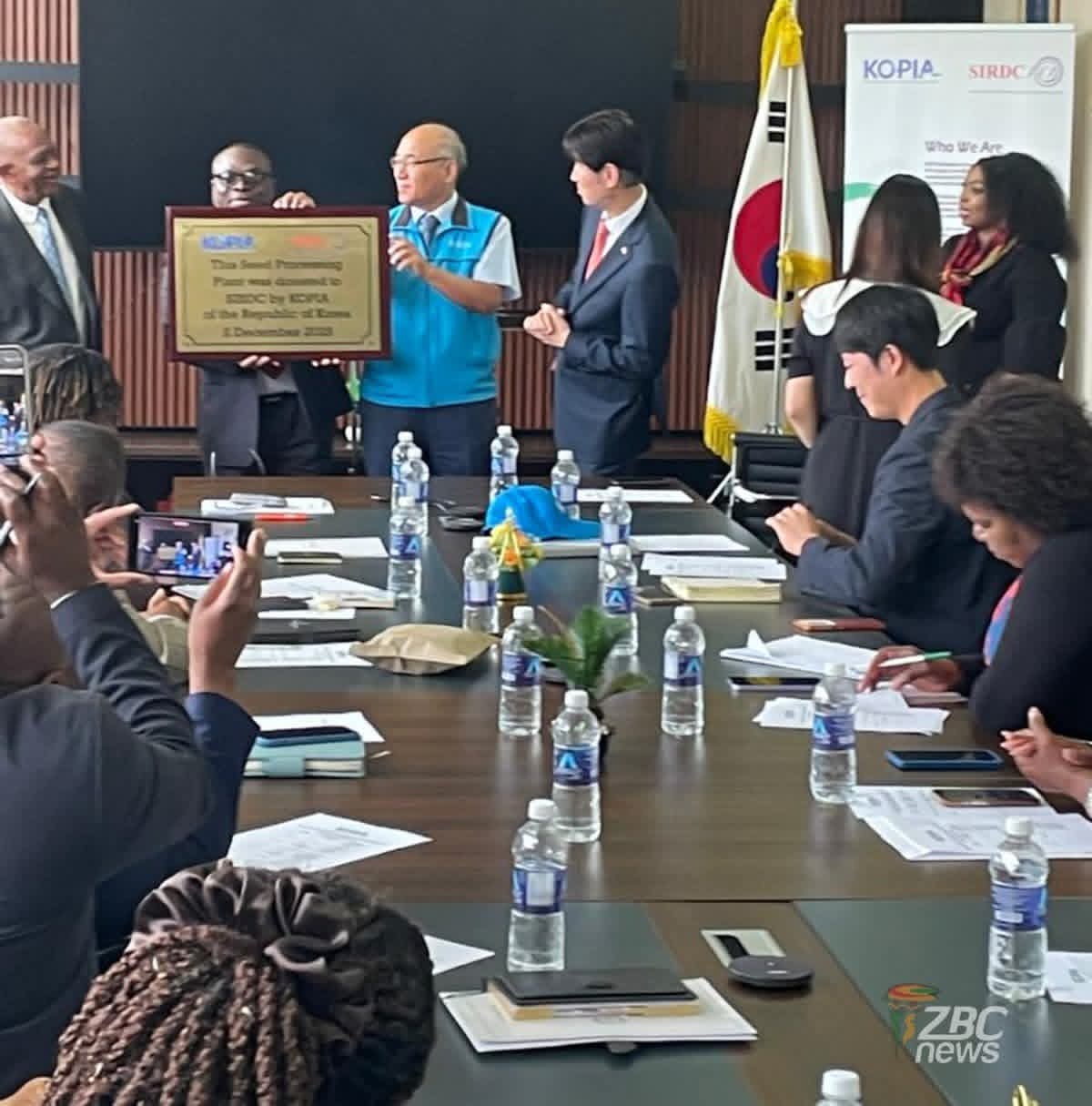
A state of the art plant for producing drought tolerant seed varieties has been commissioned at the Scientific and Industrial Research and Development Centre (SIRDC) in Harare, marking another step forward in the strengthening of Zimbabwe–South Korea relations.
The facility, funded under the Korea Partnership for Innovation in Agriculture, was officially handed over on Tuesday by South Korea’s Ambassador to Zimbabwe, His Excellency Jae Kyung.
Ambassador Kyung said the project comes at a crucial time as the farming season approaches.
“I am excited about the development taking place in Zimbabwe. With the rains coming, this brings hope for food security. Completing the installation of this seed maize plant is a major milestone both for our relations and for smallholder farmers who will benefit from drought-tolerant varieties,” he said.
SIRDC and government officials hailed the gesture, saying the plant will boost agricultural innovation, create jobs and strengthen food security.
SIRDC Board Chair Mr Misheck Kachere said South Korea continues to play a strategic role in supporting Zimbabwe’s industrial development.
“We thank the Republic of Korea for its unwavering developmental support. From hatcheries that have empowered rural communities to this advanced seed maize plant, these interventions are enhancing our contribution to national food security,” he said.
Director in the Ministry of Lands, Agriculture, Fisheries, Water and Rural Development, Mr Simba Mupondi, said the partnership aligns with the country’s rural development drive.
“With our 8.0 policy aimed at uplifting rural communities, this support, ranging from potato seed projects to drought-tolerant maize, gives us a strong advantage in adapting to climate change and speaks directly to SDG 17 on partnerships,” he said.
The commissioning of the plant comes after President Emmerson Mnangagwa recently reaffirmed that the modernisation and mechanisation of the agriculture sector remain central to the National Development Strategy 2 (NDS 2), as Zimbabwe works to reclaim its title as the region’s breadbasket.

A new World Bank publication, the Zimbabwe Economic Update 2025, warns that the country’s recent positive economic performance can only be sustained if government accelerates reforms and removes long-standing structural barriers that continue to weigh down competitiveness.
Released under the theme “Fostering a Business-Enabling Regulatory Environment for Private Sector Growth,” the report highlights the importance of a predictable, efficient and investor-friendly regulatory system.
Government has already rolled out several measures through the Presidential Ease of Doing Business Initiative, a major programme designed to improve the operating environment, attract new investment and strengthen private-sector-driven growth.
According to the World Bank, Zimbabwe’s economy is expected to remain resilient over the next year, with growth projected at 5 percent in 2026, supported by strong performance in agriculture, manufacturing and services.
The report also acknowledges the Reserve Bank of Zimbabwe’s commitment to entrenching price stability following the introduction of the new currency.
“The RBZ intends to maintain firm control over reserve money to support the stability of the new Zimbabwean currency and help secure long-term macroeconomic stability,” the Bank notes. Inflation is forecast to fall to single digits in 2026, and potentially drop to 5 percent in the medium term.
However, the World Bank stresses that maintaining momentum requires deeper and more consistent reforms.
“To preserve recent gains, Zimbabwe must intensify ongoing reforms and address structural constraints that have persisted for years,” the report says. Successful delivery of the Presidential Ease of Doing Business Initiative is identified as central to this effort.
The lender also urges government to maintain disciplined economic management.
“Zimbabwe must safeguard the current price and exchange rate stability. Strong monetary and fiscal measures are necessary to protect the progress achieved so far,” it warns.
The report notes significant steps already taken to streamline regulations.
The first phase of reforms, completed in September 2025 with World Bank technical support, focused on the beef, dairy, stockfeed and tourism sectors.
This resulted in the removal or reduction of various regulatory charges, including AMA levies, EMA fees and CBCA requirements for imported equipment.
These changes, depending on sector and business size, are expected to cut compliance costs by **19 to 94 percent**.
Government is also advancing domestic reforms in the transport and retail industries, with further assessments under way in energy, manufacturing and several agricultural subsectors aimed at simplifying licenses and fee structures.
“Collectively, these actions mark progress toward a more transparent, efficient and business-friendly regulatory environment,” the report highlights.
The World Bank sets out a reform framework built on transparency, simplification and governance, which it argues is essential for boosting competitiveness and lowering compliance burdens.
Zimbabwe has already started cataloguing all business licenses, permits and fees across 12 priority sectors and has launched the ZIDA eRegulations portal.
The Bank recommends ensuring this registry remains complete and regularly updated, noting that a unified public system improves predictability and investor confidence.
On reducing bureaucracy, the report underscores the need to streamline processes to cut costs for businesses — particularly SMEs — and enable regulators to operate more effectively.
Improved governance, it adds, will require stronger institutional coordination, clearer mandates, revised fee structures and regulations that prioritise public interest instead of institutional revenue generation.
The Bank also emphasizes the importance of accountability.
Introducing a legal requirement for Regulatory Impact Assessments (RIAs) would help prevent unnecessary regulations and support coherent policymaking across ministries.
Strengthening the regulatory environment, the report concludes, is critical for stimulating private investment, encouraging entrepreneurship and bringing more businesses into the formal economy.
“Effective implementation of these reforms — supported by strong institutions and efficient administration — will reduce business costs, support firm expansion and lay the groundwork for a more competitive and inclusive economy,” the report says.
ALSO READ : Warriors to Receive Foreign-Based Players Just Six Days Before AFCON 2025
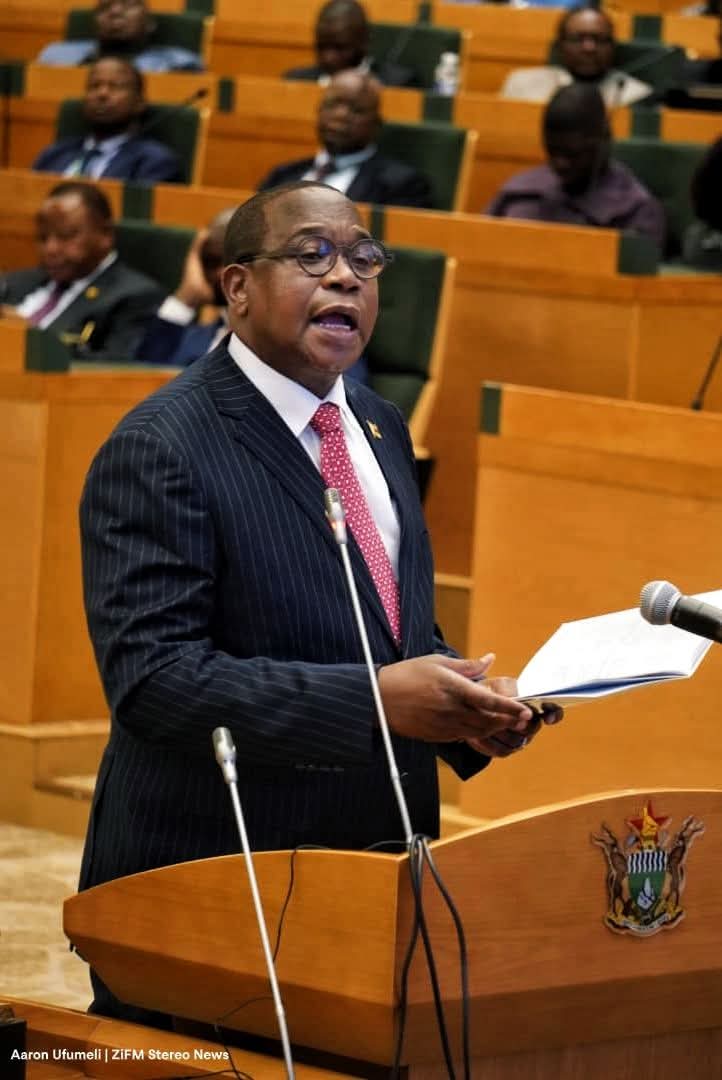
Private consultants on Monday briefed Parliamentarians at the New Parliament Building in Mt Hampden on what the 2026 national budget contains, why it matters, who it affects, and how proposed new taxes could impact citizens, ahead of next week’s budget debate.
The 2026 budget, presented by Finance Minister Professor Mthuli Ncube last Thursday, came under close scrutiny during the post-budget seminar as lawmakers assessed whether the fiscal plan meets the aspirations of Zimbabweans.
Consultants highlighted key revenue measures, including a VAT increase and the new Cash Withdrawal Levy, which they said could strain businesses and vulnerable groups if not carefully balanced.
“These adjustments are meant to broaden the tax base, but their impact on profitability and society must be considered,” said Zimbabwe Women Resource Centre Network Executive Director Ms Thokozile Ruzvidzo.
Tax consultant Mr Steve Matoshaya noted that changes to the IMTT, now classified as a tax-deductible expense, were fair, while new limits on how miners carry forward losses “make practical sense.”
Lawmakers also evaluated allocations under the National Development Strategy 2, with Senator Robson Mavhenyengwa describing the budget as “balanced,” and Honourable Nyasha Chikwinya praising investments in health, education and gender initiatives.
Senate President Madam Mabel Chinomona urged MPs to centre citizens in their debate, asking whether the budget promotes growth and delivers essential services.
Zimbabwe’s economy is projected to grow by 6 percent this year, but Treasury anticipates a USD140 million deficit in 2026, prompting the proposed tax measures.

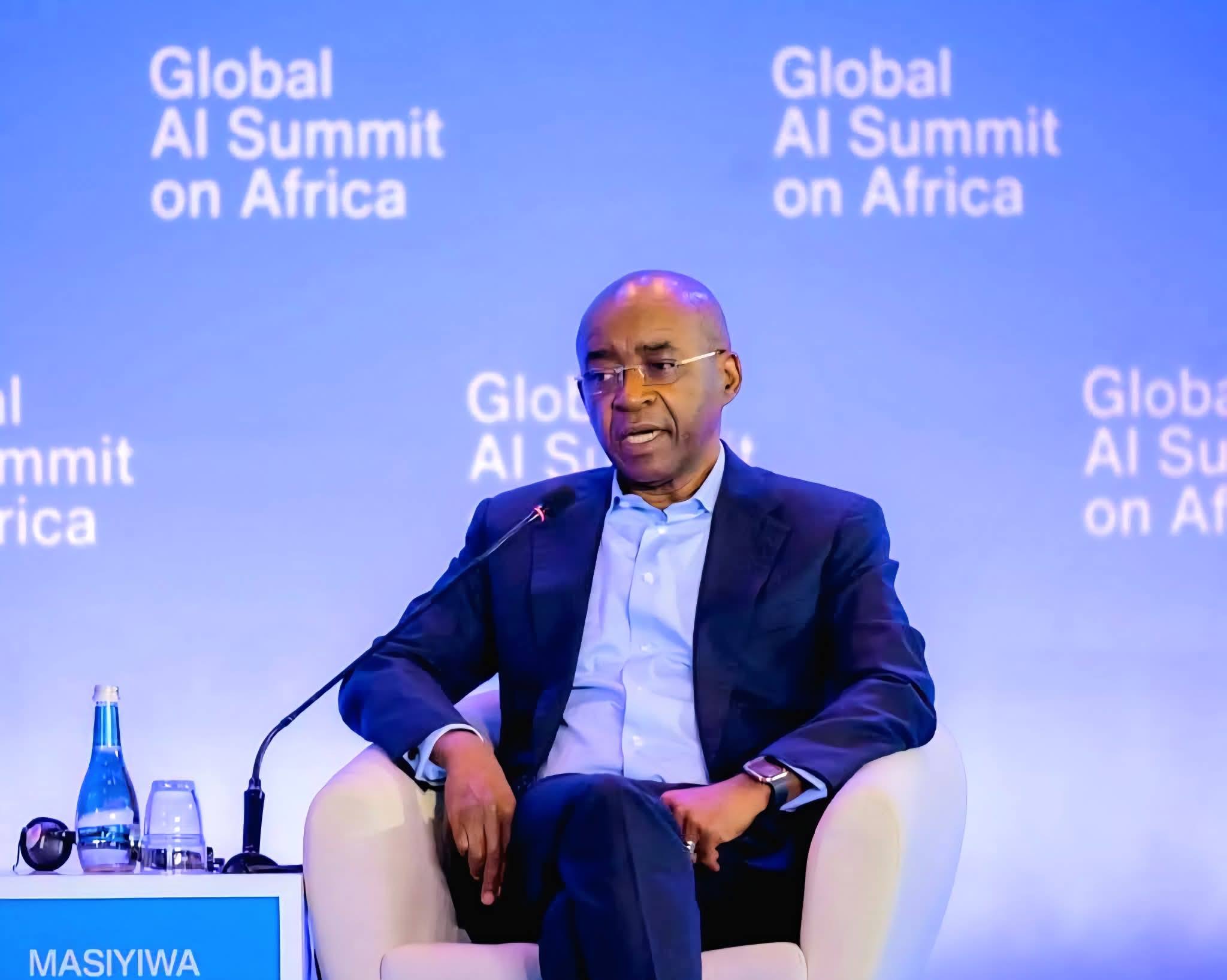
Zimbabwean billionaire Strive Masiyiwa has urged young Africans to move away from the growing trend of showing off wealth on social media, a lifestyle he refers to as “Mbinga culture.”
This trend is characterised by flaunting expensive cars, designer labels and lavish holidays displays that he believes give a false impression of success.
In a recent post, the London-based Econet and Cassava Technologies founder cautioned that chasing outward symbols of luxury can mislead emerging entrepreneurs and distract them from building genuine, long-term wealth. He stressed that online displays are not a true measure of achievement.
Masiyiwa illustrated his views with personal experiences. He recounted a visit to a billionaire family whose financial strength was reflected not in their clothes or accessories, but in the depth of their investments.
He also spoke of travelling with a leading global business figure whose aide once bought an inexpensive shirt from a local shop just before a major public event a reminder that real success is not defined by branded outfits.
He further advised parents to focus their resources on their children’s education instead of unnecessary luxuries, emphasising that such choices are vital for sustainable prosperity and the broader development of African nations.

Game On Against Drugs: NetOne Deploys Technology and Sport in Fight to Protect Youth

President Mnangagwa Urges Zanu PF Members to Put Party Interests First
BREAKING: Key Highlights From President Mnangagwa’s Remarks at the 389th Politburo Session

Operation restore order

Masasi High School Abuse Scandal Sparks Public Outcry

Kuwadzana Man Jailed for Reckless Driving and Driving Without a Licence
-
 Current Affairs3 weeks ago
Operation restore order
-
 Crime and Courts2 months ago
Masasi High School Abuse Scandal Sparks Public Outcry
-
 Crime and Courts2 months ago
Kuwadzana Man Jailed for Reckless Driving and Driving Without a Licence
-
 Current Affairs4 months ago
Breaking: ZIMSEC June 2025 Exam Results Now Available Online
-

 Current Affairs3 months ago
Munhumutapa Day: Zimbabwe’s Newest Public Holiday Set for Annual Observance
-

 Current Affairs2 months ago
BREAKING NEWS: ZANU PF Director General Ezekiel Zabanyana Fired
-

 Current Affairs3 months ago
Government Bans Tinted Car Windows in Nationwide Crime Crackdown
-

 Current Affairs3 months ago
Exposed: Harare GynecologistChirume Accused of Negligence, Extortion, and Abuse