
World News
SA Withdraws From 2026 G20 After Being Left Out by U.S.A

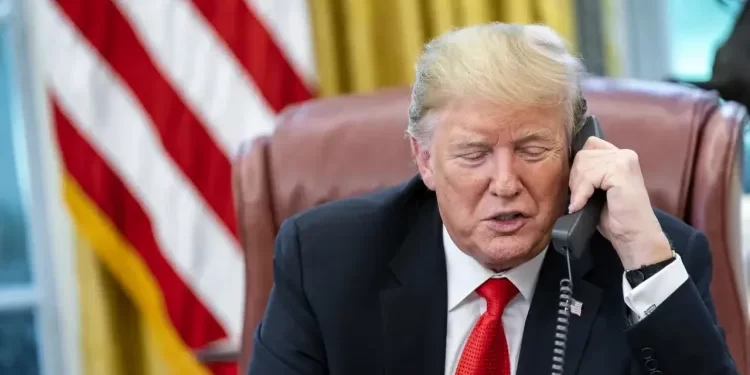
South Africa has announced that it will not take part in the 2026 G20 activities following its exclusion by the United States, which assumes leadership of the grouping next year. Government officials described the decision as a “commercial break” for the duration of Washington’s presidency.
The announcement comes after U.S. Senator Marco Rubio issued a sharp statement on Wednesday confirming that South Africa would not receive an invitation to the U.S.-chaired G20. Rubio criticised Pretoria’s policy direction, claiming that its land reform approach, regulatory framework and equity laws had weakened investor confidence and hampered economic growth. He also accused the government of pushing what he termed “extreme agendas” linked to climate policy, diversity programmes and an overreliance on external assistance.
Rubio went further, alleging that the ruling party had blamed both citizens and international partners for domestic challenges, tolerated attacks on white farmers, and forged close ties with states viewed unfavourably by Washington. He also accused South Africa of ignoring U.S. positions, frustrating negotiations, and exposing personal details of American officials during its recent G20 presidency.
Presidential spokesperson Vincent Magwenya said that South Africa plans to resume its participation once the G20 chairmanship rotates in 2027. Until then, Pretoria will stay out of all G20 engagements.
Political analysts warn that stepping back from the forum could reduce South Africa’s influence on major global issues, especially climate finance, debt relief and development priorities for the Global South. With geopolitical tensions rising, some observers caution that the withdrawal could weaken collective advocacy by developing countries.





U.S. President Donald Trump has threatened to sue South African comedian Trevor Noah after remarks made during Noah’s hosting of the 68th Grammy Awards in Los Angeles on Sunday night.
During his opening monologue, Noah made a satirical reference to Trump’s alleged past links to convicted financier Jeffrey Epstein, joking that with Epstein’s private island now defunct, Trump might need to find another place to “hang out with Bill Clinton.”
The comment, delivered shortly after Billie Eilish accepted the award for Song of the Year, drew a mixed response from the audience inside the venue.
Reacting hours later on his social media platform Truth Social, Trump strongly rejected the joke, describing it as defamatory and untrue. He accused Noah of spreading lies and said he would instruct his lawyers to pursue legal action. Trump also repeated his assertion that he never visited Epstein’s island.
The former president’s response came against the backdrop of a highly politicised Grammy ceremony, where several artists and presenters used the platform to criticise Trump-era policies, particularly on immigration. Some attendees wore protest badges opposing U.S. immigration enforcement measures.
Legal analysts note that defamation claims brought by public figures over satirical or comedic commentary face significant hurdles under U.S. law, which broadly protects free speech and political satire. It remains uncertain whether Trump will proceed with a formal lawsuit or if the threat will remain rhetorical.
Takudzwa Karowangoro
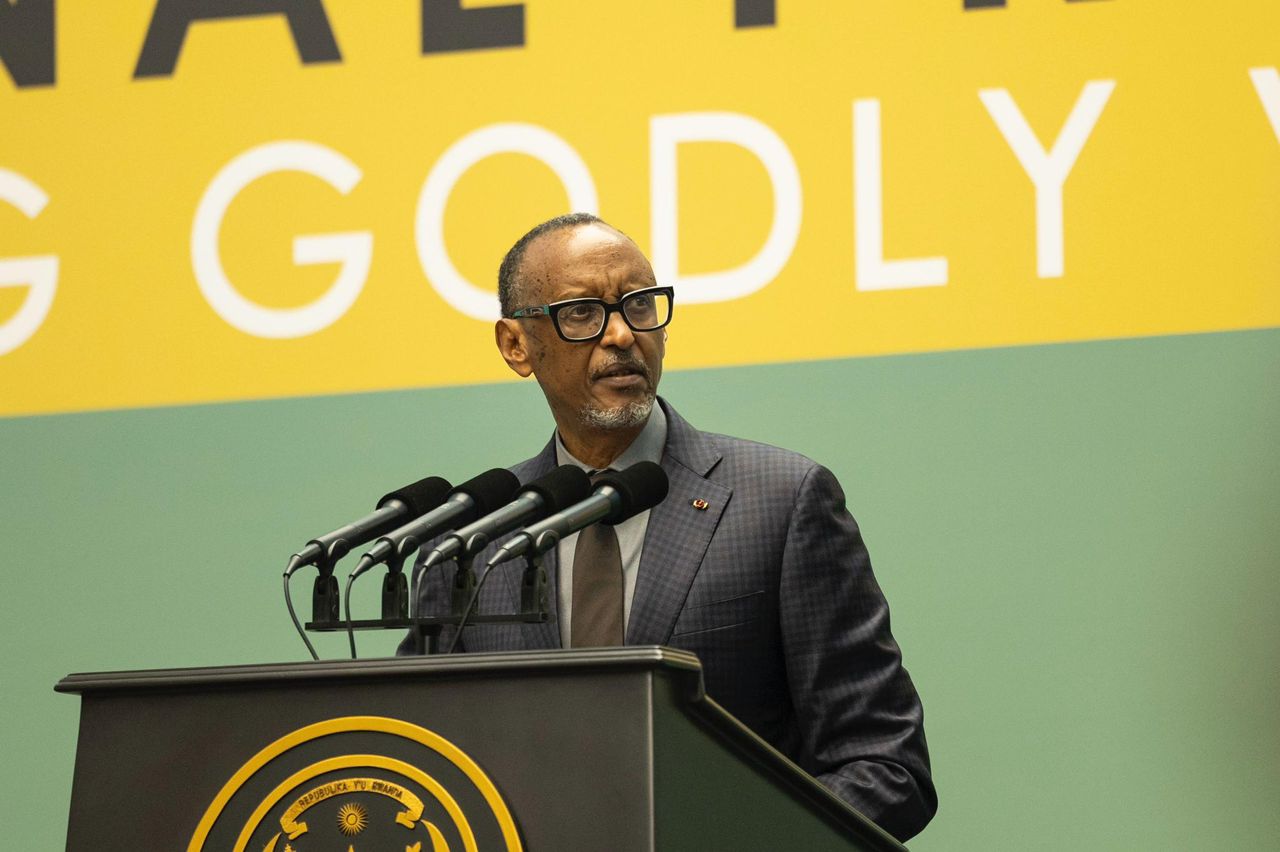
Rwandan President Paul Kagame has delivered a powerful message on identity, leadership and national sovereignty, urging citizens to remain true to themselves and reject pressures to imitate others, whether at a personal or national level.
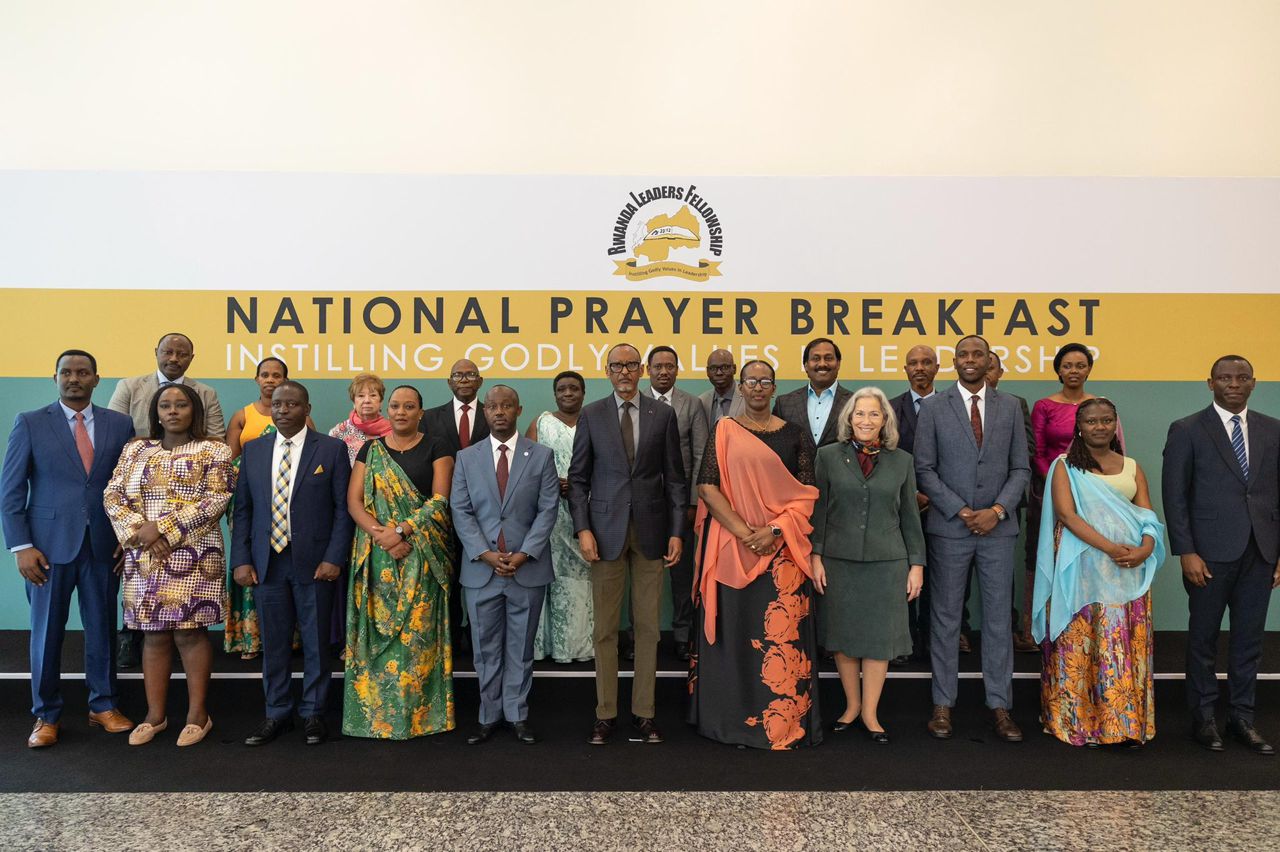
Speaking at the National Prayer Breakfast, President Kagame emphasised that progress begins with self-understanding rather than comparison, warning against the temptation to become something one was never created to be.
“Do not make the mistake of thinking you should be someone other than who you are,” Kagame said. “You should be who you are. You should be as you were created.”
The President noted that while self-improvement is essential, it must be rooted in authenticity. He encouraged Rwandans to focus on becoming better versions of themselves rather than copying individuals or systems they admire.
“You cannot think of becoming the person who did what you admire. Instead, you learn from them so that you become better, true to yourself, in your own way,” he said.
Kagame extended this philosophy beyond individual development, applying it to families, societies and nations. He argued that just as people are created uniquely, countries too have distinct histories, realities and destinies that cannot simply be reshaped to fit external expectations.
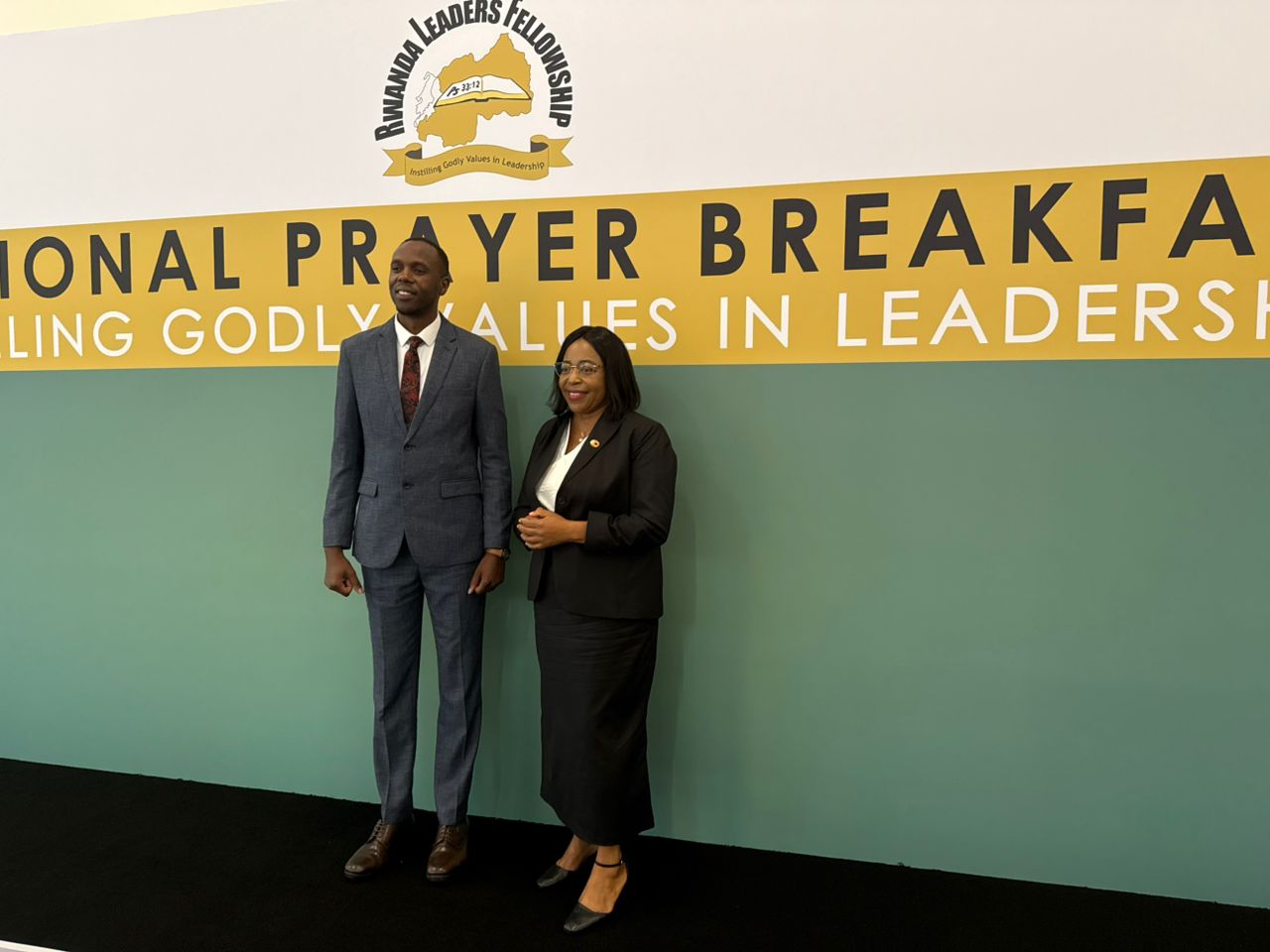
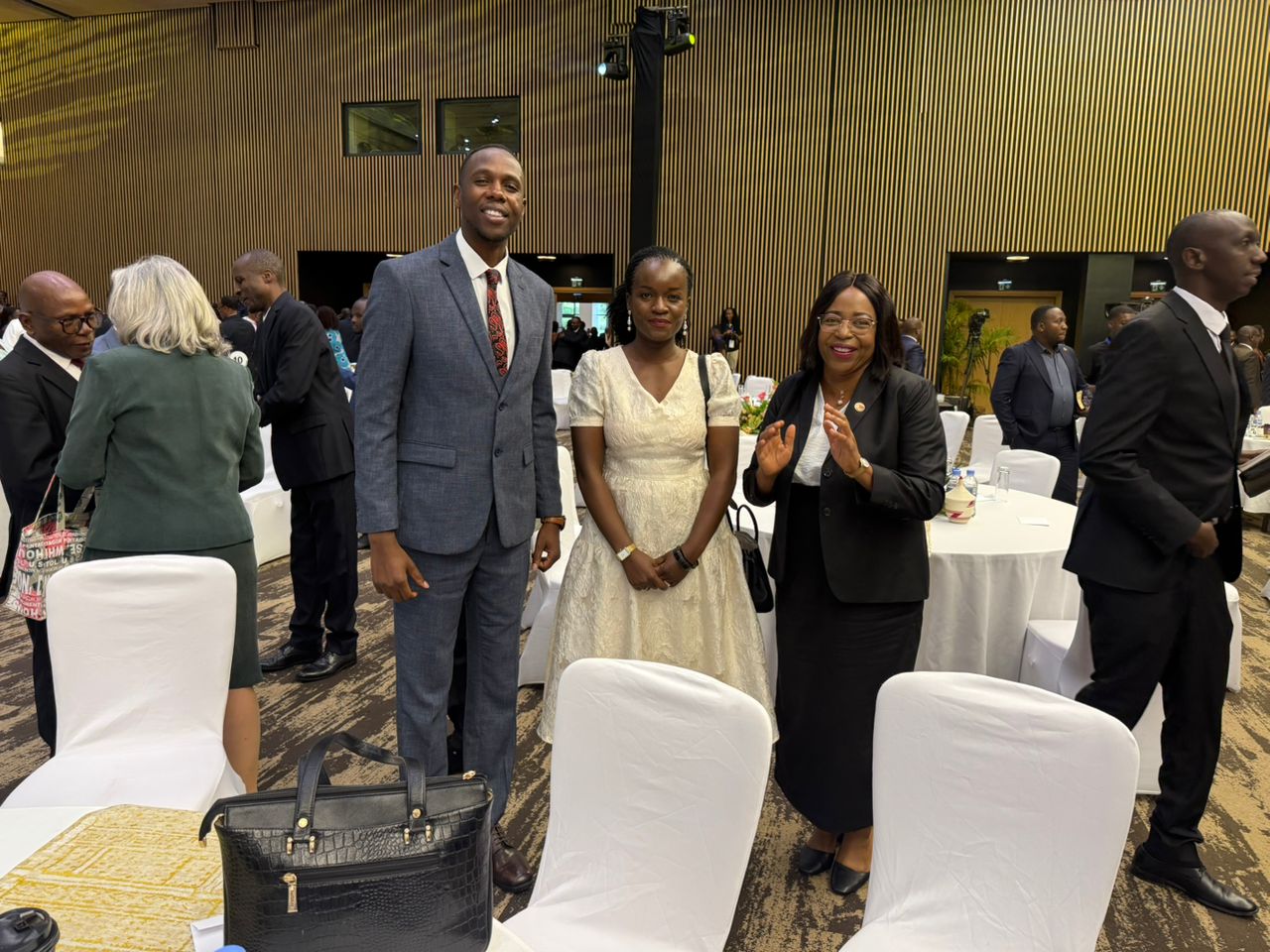
Deputy Minister of Local Government Hon Mavunga at the Rwandan NATIONAL Prayer Breakfast
“That is how a person is. That is how a family is. And that is how a country is,” he said.
Using Rwanda as a clear example, Kagame cautioned against attempts both internal and external to remodel the country into something it is not.
“This country of Rwanda cannot be turned into any other country. Do not even think of it, because it is neither natural nor viable,” he stated.
The President highlighted the diversity of nations across the world, noting that global balance exists precisely because countries differ in size, power, wealth and influence. Attempting to impose uniform models of governance or development, he warned, ignores this natural order.
“In the way the world is made, with small countries, medium ones, big ones, rich ones, powerful ones, you cannot take a country like Rwanda and change it however you want, because you did not create it,” Kagame said.
In a deeply personal moment, the President linked national sovereignty to individual dignity, asserting that leadership and identity cannot be externally manufactured.
“You also cannot take me and make me into whatever you want, because you did not create me,” he added.
Observers say the remarks reflect Rwanda’s long-standing position on self-determination, home-grown solutions and sovereignty, principles that have shaped the country’s post-genocide recovery and development path.
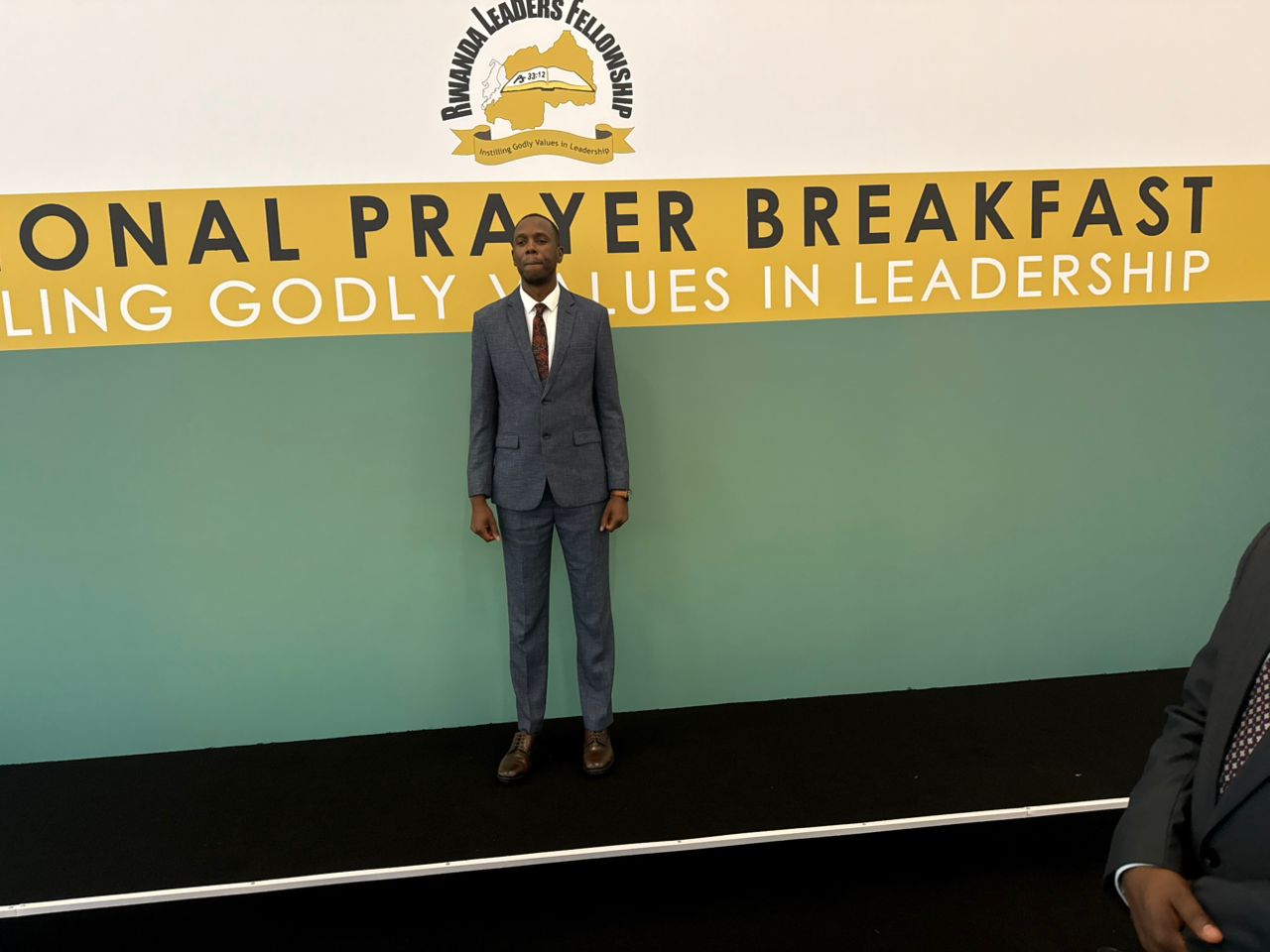
The National Prayer Breakfast, which brings together political leaders, faith groups and civil society, provided a reflective setting for Kagame’s address, blending spiritual reflection with national dialogue.
His message resonated as both a moral lesson and a political statement: that true progress whether personal or national comes from understanding one’s origins, respecting one’s uniqueness and improving from within rather than conforming to external pressures.

Newly released documents from the United States Department of Justice have caused a stir in South Africa after former president Jacob Zuma was named in previously sealed records connected to the late financier and convicted s*x offender Jeffrey Epstein.
The material, part of a massive disclosure running into millions of pages, includes emails and flight records made public in early 2026. The documents appear to point to social interactions between Zuma and Epstein that had not been officially acknowledged before, moving the matter from long-standing speculation into the public record.
Among the most striking details is a reference to a private dinner arranged by Epstein for Zuma in London in 2010, when Zuma was serving as South Africa’s head of state. The records suggest the meeting did not form part of any formal diplomatic programme, prompting renewed scrutiny over the circumstances surrounding the encounter.
The revelation adds an international dimension to Zuma’s already complex legal situation. The former president continues to face prolonged litigation linked to the controversial arms deal, as well as court rulings compelling him to repay large sums spent on state-funded legal costs.
Human rights advocates and legal commentators have criticised the selective nature of the document redactions, arguing that while prominent political figures are named, many victims’ identities remain insufficiently protected.
In response, the Jacob Zuma Foundation has rejected any suggestion of wrongdoing, dismissing claims of an improper relationship between the former president and Epstein, whom it described as a convicted paedophile.

Government Hails Muroodzi River Rehabilitation Pilot

Chamisa Under Fire as High Court Is Asked to Probe CCC Finances

Minister Chadzamira Hands Over Starlink Kits to Junior Parliamentarians

Operation restore order

Masasi High School Abuse Scandal Sparks Public Outcry

Kuwadzana Man Jailed for Reckless Driving and Driving Without a Licence
-
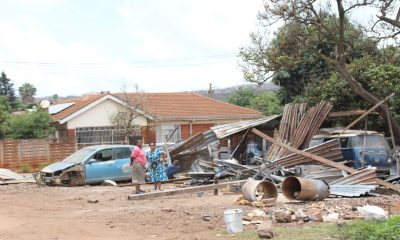 Current Affairs3 months ago
Operation restore order
-
 Crime and Courts4 months ago
Masasi High School Abuse Scandal Sparks Public Outcry
-
 Crime and Courts5 months ago
Kuwadzana Man Jailed for Reckless Driving and Driving Without a Licence
-
 Current Affairs6 months ago
Breaking: ZIMSEC June 2025 Exam Results Now Available Online
-
 Current Affairs5 months ago
Munhumutapa Day: Zimbabwe’s Newest Public Holiday Set for Annual Observance
-
 Current Affairs4 months ago
BREAKING NEWS: ZANU PF Director General Ezekiel Zabanyana Fired
-
 Current Affairs6 months ago
No Racism in Our Cricket: Government
-
 Current Affairs5 months ago
Government Bans Tinted Car Windows in Nationwide Crime Crackdown