
Business
Cement Supply Set to Improve as Khayah Clinker Kiln Restarts After 26 Months

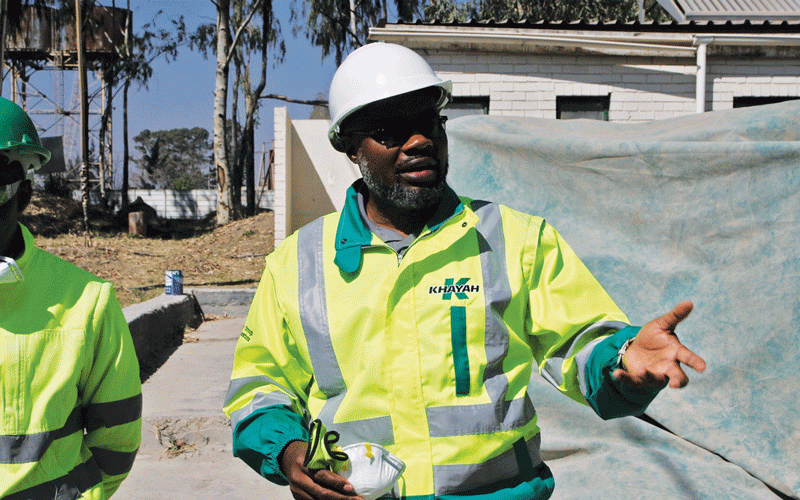
Cement availability is expected to stabilise following the revival of the Khayah clinker kiln, which has been brought back into operation after more than two years of inactivity. The restart comes after a US$20 million rehabilitation programme, Industry and Commerce Minister Mangaliso Ndlovu said yesterday.
Minister Ndlovu noted that a clinker kiln central to cement production operates at extremely high temperatures of around 1 600 degrees Celsius, heating raw materials such as limestone and clay to produce clinker, the key ingredient used in cement milling.
“This kiln behind me has been down for 26 months. The company has channelled over US$20 million into bringing it back to life,” he said.
He added that the kiln was switched back on last Saturday after a series of mechanical failures, maintenance shutdowns and border-related delays had combined to create severe shortages in recent weeks. Although the kiln is still stabilising, Minister Ndlovu said its resumption marks a major step toward restoring normal supply.
The recent cement strain was caused by multiple disruptions occurring simultaneously: a breakdown at PPC’s Harare plant, scheduled maintenance at Sino Cement in Kwekwe, and a fortnight-long interruption of clinker imports from Zambia. A border audit further slowed the movement of clinker into the country.
“All these issues happened at once, which is why the supply situation deteriorated so quickly,” Ndlovu explained.
He said the shortages triggered unjustified price hikes among some retailers, forcing the Government to temporarily open up imports, even though transporting cement over long distances is costly.
However, he stressed that importing cement is not a long-term fix. “A permanent solution comes from building our own production capacity,” he said.
Currently, a 50kg bag of cement is selling for between US$16 and US$22, depending on location. Minister Ndlovu warned that importers found abusing permits meant to stabilise prices risk losing access to those permits.
“If you are granted an import licence to support price stability but you use it to inflate prices, you will not get such a permit again,” he said.
The revived kiln will produce clinker mainly for Khayah itself, but national demand still outweighs domestic clinker output.
“Most of our cement businesses are millers. They buy clinker and grind it into cement,” he said.
Government is now considering a new clinker manufacturing plant as a national strategic investment, which would require between US$150 million and US$200 million.
The shortage of clinker has already forced two new milling plants in Hwange and one in Mashonaland West to halt operations.
“Clinker makes up between 60 and 80 percent of cement. If we bring in a third or even fourth kiln, the country will be in a much stronger position,” he added.
PPC sales manager Mr Nkosana Mapuma dismissed claims of deliberate shortages, saying the company was operating normally.
“We are producing, and our warehouses have enough cement. Our commitment is to ensure consistent supply,” he said.
Khayah Cement’s corporate rescue practitioner, Mr Bulisa Mbano, was optimistic that the kiln’s rehabilitation marks the beginning of a turnaround for the company, which has faced financial pressure and operational difficulties in recent years.
“The key takeaway is that all creditors will be paid, which immediately eases pressure and allows us to refocus on growth,” he said.
The US$20 million investment in the kiln is widely expected to play a pivotal role in stabilising Zimbabwe’s cement supply chain
The Government has unveiled an aggressive new roadmap to transform Zimbabwe’s aquaculture sector into a USD 1 billion industry, rallying investors to back a national drive to dramatically scale up fish production.
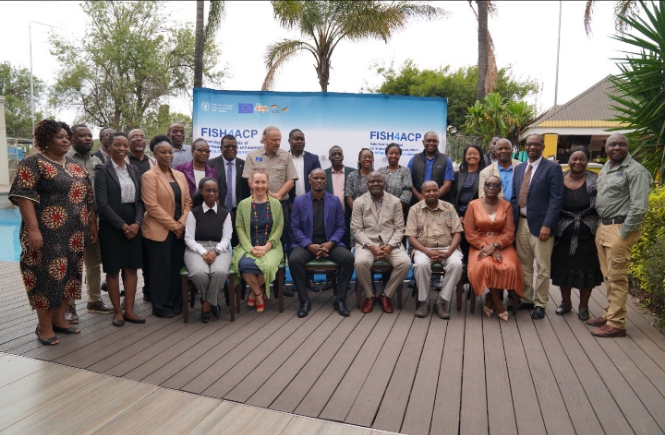
Stakeholders converged at Cresta Oasis last week in the capital for a high-level Investment Roundtable, where authorities outlined a comprehensive “seed-to-market” strategy designed to modernise the sector.
The plan targets a significant increase in national output from the current 35,151 metric tonnes (MT) to 60,000 MT by 2030, bridging a yawning gap in domestic demand.
Speaking on behalf of the Permanent Secretary in the Ministry of Lands, Agriculture, Fisheries, Water and Rural Development, Professor Obert Jiri, the Guest of Honor, ARDAS Chief Director Mrs. Medlinah Magwenzi, called for a transformative approach that moves the sector beyond simple ponds into high-tech processing, cold-chain logistics, and digital trading platforms.
The plan will be powered by the government’s flagship Rural Development 8.0 initiative.
Mrs. Magwenzi said that 35,000 Village Business Units (VBUs) will be the primary vehicle for ensuring this “Blue Transformation” reaches every village, empowering women and youth to lead Zimbabwe’s journey toward its ambitious target.
The push for growth is being backed by a suite of fiscal incentives designed to de-risk investment and attract private capital into the value chain.
At the same roundtable, Professor Jiri confirmed that the government is working with the Treasury to provide duty waivers, VAT exemptions, and tax holidays for investors.
“We will provide clear policy direction and regulatory certainty, facilitate access to land and water resources and ensure ease of doing business in this sub-sector,” said Prof Jiri
Authorities see opportunities spanning the entire value chain, from hatcheries and feed production to cold storage, processing, and logistics.
This investment drive is critical, as Zimbabwe’s current fish production of just over 31,000 MT falls far short of the national demand of 60,000 MT, with per capita consumption languishing at a low 3.2 kg.
The sector, however, already supports an estimated 48,000 livelihoods.
International partners are already on the ground bolstering the sector’s foundations.
The government has also recently validated its first-ever comprehensive Fisheries and Aquaculture Bill, aimed at unifying scattered regulations and providing a cohesive legal framework to foster investment and safeguard the sector’s long-term sustainability .
With the newly unveiled incentives and a clear national strategy, Zimbabwe is betting big that its vast water resources can become a new frontier for economic growth and rural industrialisation.

- US$120M Chegutu plant set to cut imports, stabilise prices
-
Hundreds of jobs expected, supporting local communities
-
Nationwide expansion to raise production to 3.3M tons annually
The Central African Ruthene Mining Corporation, through its subsidiary Shuntai, has launched a major investment in Zimbabwe’s cement sector, marking a significant expansion of China-Africa economic cooperation and a shift toward value-added industrial development.
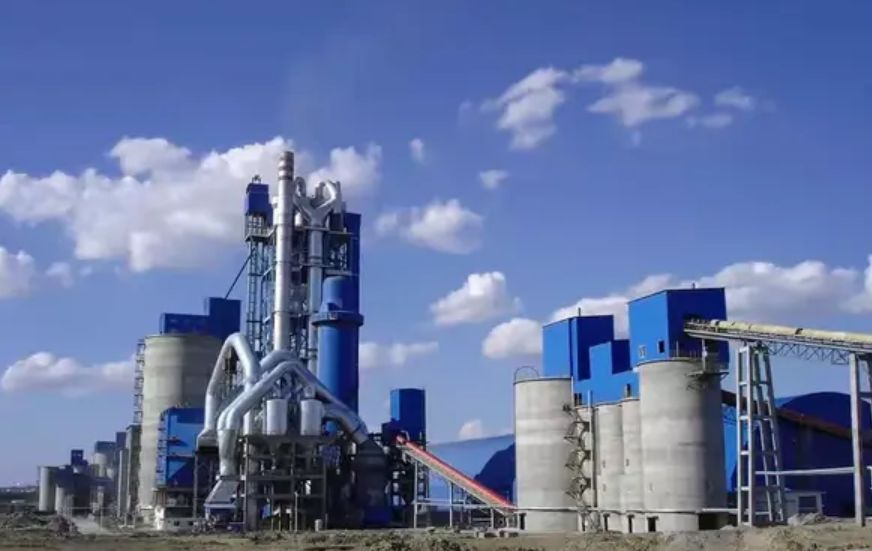
The project, centred on the Shuntai Chegutu Cement Plant, represents one of the largest recent private-sector investments in Zimbabwe’s construction materials industry.
Originally rooted in zinc mining operations, Shuntai is diversifying into cement production to strengthen local manufacturing capacity and reduce reliance on imports.
US$120 Million Flagship Plant in Chegutu
Construction of the Chegutu plant was prioritised as a project for 2025–2026.
Located in Chegutu, Mashonaland West Province, the facility is designed to operate under internationally recognised environmental standards, incorporating energy-efficient and low-emission technologies.
As of January 2026, more than US$80 million has been invested in the project, with total capital expenditure expected to reach US$120 million.
The plant is scheduled for completion in June 2026.
Once operational, the facility will produce premium-grade cement for the domestic market, helping stabilise supply and reduce Zimbabwe’s dependence on imported cement.
Job Creation and Local Economic Impact
The Chegutu plant is expected to create hundreds of direct jobs, including skilled, semi-skilled and unskilled positions.
Additional employment opportunities are anticipated across supporting sectors such as transportation, logistics and small-to-medium enterprises supplying goods and services to the facility.
Company officials say the project prioritises local sourcing of labour and materials where feasible, aligning with Zimbabwe’s broader economic development and industrialisation objectives.
Nationwide Expansion Plan
Beyond Chegutu, Shuntai has announced plans to invest an additional US$300 million to expand cement production capacity nationwide. The expansion blueprint includes:
- Chegutu: An 800,000-ton cement production line, a 300,000-ton limestone production line, and a 300 MW thermal power plant.
- Belingwe: A 6,000-ton-per-day cement clinker production line, a 200,000-ton-per-day limestone production line, a 500,000-ton-per-day cement grinding station, and a 50 MW thermal power station.
- Bulawayo: A 500,000-ton cement production line.
- Murewa: A 500,000-ton cement production line.
- Harare: A 1 million-ton cement production line.
Four additional grinding stations are expected to be completed by December 2027.
Upon completion of all planned facilities, Shuntai’s total annual cement production capacity in Zimbabwe is projected to reach 3.3 million tons, alongside 600,000 tons of lime production. Company projections indicate that increased capacity could push cement prices down to approximately US$80 per ton, depending on market conditions.
Integrated Distribution Network
To support distribution, Shuntai is establishing sales centres in several key locations, including Masango, Chinhoyi, Marondera, Bindura, Murewa, Gweru, Kwekwe and Gokwe.
The network is intended to ensure proximity-based supply, reduce transportation costs and improve delivery times.
Aligning With National Development Goals
The investment reflects a broader trend of Chinese-backed industrial projects across Africa, aimed at local beneficiation and industrial diversification. By transitioning from mining into cement manufacturing, Shuntai is positioning itself within Zimbabwe’s infrastructure and housing growth sectors.
The project also aligns with Zimbabwe’s Vision 2030 development strategy, which seeks to achieve upper-middle-income status through industrialisation, infrastructure development and increased foreign direct investment.
With the construction of the Chegutu plant nearing completion, the initiative is expected to play a significant role in reshaping Zimbabwe’s construction materials industry and reinforcing economic ties between China and Zimbabwe.

Itai Mazire
The Tobacco Industry and Marketing Board (TIMB) has officially set the stage for the 2026 tobacco marketing season, announcing that the golden leaf will begin hitting the floors in early March.
In a statement that has sent ripples of excitement through the agricultural sector, the regulator confirmed that auction tobacco sales will commence on Wednesday, 4 March 2026, followed by contract tobacco sales on Thursday, 5 March 2026.
The announcement brings much-needed clarity to thousands of growers across the country who have been meticulously preparing their crop for the market.
Butressing the importance of quality, the TIMB issued a spirited call to action in Shona: “Ngatigadzirei fodya yemandorokwati nokuti fodya yakanaka inozvitengesa yoga!” (Let us prepare high-quality tobacco because good tobacco sells itself!)
In a move aimed at ensuring the viability of tobacco farming, the TIMB has maintained a favorable payment structure for the upcoming season.
Growers are set to receive a significant portion of their earnings in hard currency, providing a crucial buffer against local inflationary pressures.
“TIMB wishes to advise tobacco growers that for the 2026 Marketing Season they will receive 70 percent of their payments in foreign currency (USD) while the remaining 30 percent will be paid in local currency (ZiG),” TIMB stated.
This 70/30 split is expected to empower farmers to reinvest in their operations, procure essential inputs, and settle international obligations, further cementing tobacco’s status as the nation’s premier foreign currency earner.
The 2026 season opens under the shadow of a historic 2025 performance, where the industry shattered multiple records.
Last year, Zimbabwe’s tobacco sector reached unprecedented heights, driven by favorable weather conditions and increased hectrage.
The jump from 232 million kilograms in 2024 to over 350 million kilograms in 2025 represented a monumental leap for the industry.
This surge in production saw earnings soar to a staggering US$1.2 billion, providing a massive boost to the national treasury.
As the 2026 season approaches, stakeholders are optimistic that the momentum from the previous year’s record-breaking harvest will carry forward. With the auction floors set to open in just a few weeks, all eyes are now on the quality of the leaf and the opening prices, as Zimbabwe looks to maintain its position as a global tobacco powerhouse.

“No Matter Where They Are in SA” — Govt Vows Full Medical Support for Zimbabweans

DIABETES CURE… OR THE BEGINNING OF THE END FOR INSULIN DEPENDENCE?

HIV Network Raises Concern Over Halted US Health Funding Talks

Operation restore order

Masasi High School Abuse Scandal Sparks Public Outcry

Kuwadzana Man Jailed for Reckless Driving and Driving Without a Licence
-
 Current Affairs3 months ago
Operation restore order
-
 Crime and Courts5 months ago
Masasi High School Abuse Scandal Sparks Public Outcry
-
 Crime and Courts5 months ago
Kuwadzana Man Jailed for Reckless Driving and Driving Without a Licence
-

 Current Affairs7 months ago
Breaking: ZIMSEC June 2025 Exam Results Now Available Online
-

 Current Affairs6 months ago
Munhumutapa Day: Zimbabwe’s Newest Public Holiday Set for Annual Observance
-

 Current Affairs5 months ago
BREAKING NEWS: ZANU PF Director General Ezekiel Zabanyana Fired
-

 Current Affairs6 months ago
No Racism in Our Cricket: Government
-

 Current Affairs6 months ago
Government Bans Tinted Car Windows in Nationwide Crime Crackdown