
Entertainment
Musician Blot Opens Up on Addiction Battle and Road to Recovery

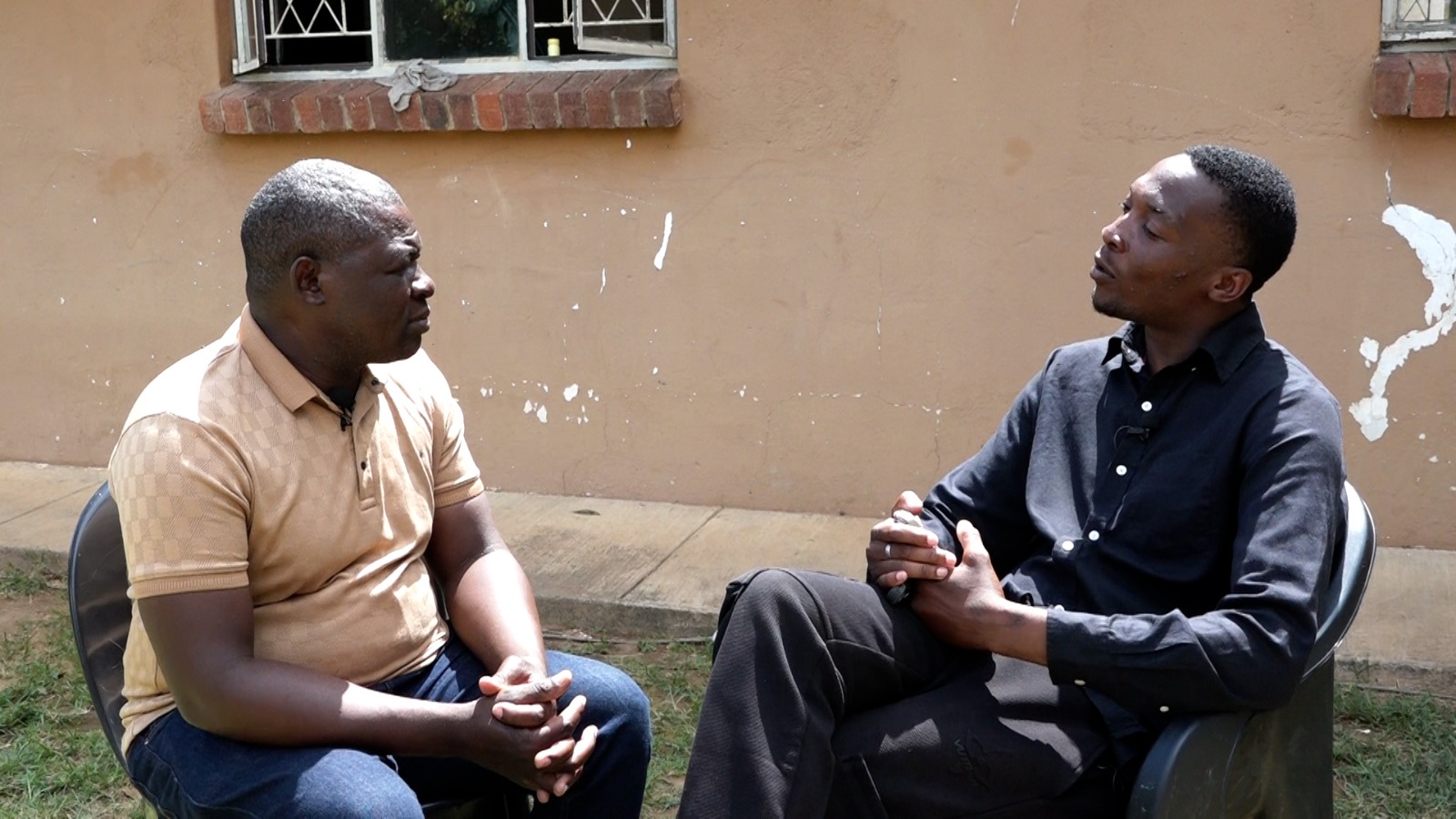
Zimbabwean musician Takura Chioniso, popularly known as Blot, has openly shared his painful experience with drug and substance abuse, revealing how addiction nearly destroyed both his life and music career.
Speaking in an interview with ZBC News on Sunday, the artist recounted his fall from fame and subsequent journey into rehabilitation, using his story to warn young people and fellow creatives about the dangers of drug abuse.
Blot gained widespread popularity with hit songs such as Havasati Vandiona, but his rise in the music industry was disrupted as addiction took control, resulting in lost opportunities, damaged relationships and stalled career progress.
He said substance abuse took a serious toll on his physical health, emotions and mental wellbeing, costing him valuable time and connections. Despite the hardships, Blot expressed gratitude for surviving the ordeal and beginning the journey toward recovery.
The musician thanked his family, management team and government officials for supporting him during his lowest moments and facilitating his admission into a rehabilitation centre, saying their intervention gave him a second chance at life.
Addressing his fans, Blot said he is now focused, stronger and determined to rebuild his career. He promised new music and performances, adding that his experiences have reshaped his outlook on life and artistry. He also urged fellow artists and public figures to act responsibly, reminding them that young people look up to them.
Currently undergoing rehabilitation at a local facility, Blot hopes his testimony will help raise awareness among youths about the destructive effects of drug and substance abuse.
His manager, Tawanda Mwedzi, described the period as emotionally and financially devastating, noting that addiction disrupted planned performances, especially during peak festive seasons, leading to major losses and missed opportunities.
Blot’s mother, Mrs Chiedza Chanetsa, shared the emotional pain the family endured as they watched their son struggle with addiction. She described long periods when he would either sleep for days without eating or stay awake for days without rest, becoming increasingly forgetful and aggressive.
She said the experience was heartbreaking for the family, as they slowly watched him lose himself to drugs.
Blot’s experience reflects a wider social problem, with drug and substance abuse continuing to affect individuals, families and communities across the country.
In response, the Government has stepped up efforts to fight the growing crisis, including the establishment of rehabilitation centres aimed at helping those battling addiction reclaim their lives.
Entertainment
Government Dismisses Claims of Missing US$52 Million at ZBC, Blames Disgruntled Source
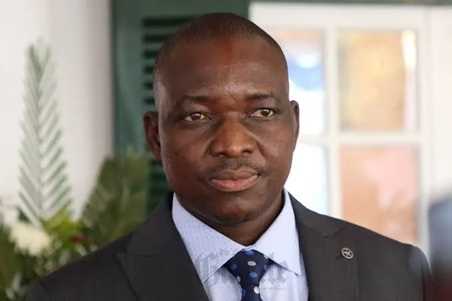
Harare — The Government has strongly rejected claims that US$52 million in television licence fees is unaccounted for at the Zimbabwe Broadcasting Corporation (ZBC), describing the allegations as false, malicious, and deliberately misleading.
In a statement released on Friday, the Ministry of Information, Publicity and Broadcasting Services said the report was riddled with inaccuracies and designed to damage the reputation of President Emmerson Mnangagwa, the national broadcaster, and ZBC Board Chairperson Helliate Rushwaya.
Although the government did not publicly identify the source of the claims, officials familiar with the matter believe the allegations originated from a recently reassigned government official who is allegedly acting out of personal grievance following changes to their portfolio.
Authorities argue that the timing and framing of the accusations point to an attempt to settle scores rather than a genuine effort to promote transparency, describing the narrative as driven by resentment rather than evidence.
The Ministry categorically rejected the US$52 million figure, calling it a gross distortion with no factual basis. It clarified that revenues generated fro fees fall far below the amount being circulated.
Addressing suggestions of a cover-up, the government said no forensic or special audit has been ordered because there has been no credible evidence presented to justify such action. According to the statement, ZBC’s internal audit systems have not detected any financial irregularities.
“There has been no Government or forensic audit because no proof of wrongdoing has ever been submitted to warrant one,” the statement said, adding that internal auditors have raised no red flags.
The Ministry also dismissed claims linking recent Cabinet changes to the alleged scandal, stressing that ministerial reassignments are a constitutional function carried out by the President in pursuit of national development goals.
“Any suggestion that His Excellency would penalise a minister for exposing corruption is a deliberate distortion of character and an irresponsible attempt to manufacture conflict where none exists,” the statement read.
The government further noted that journalists involved were advised to direct inquiries to the relevant Permanent Secretary but failed to do so adequately.
Looking ahead, the Ministry confirmed that ZBC will undergo its routine audit in March 2026. It pledged that the findings will be presented before Parliament of Zimbabwe in keeping with statutory requirements.
“There is nothing to conceal,” the Ministry said. “Public confidence must be protected, and accountability mechanisms will continue to be observed.”
In closing, the government urged citizens and media outlets to disregard what it termed unfounded allegations, calling on journalists to uphold accuracy, balance, and responsible reporting.
The publication that initially carried the story has since issued a formal retraction and apology, a move the government acknowledged as consistent with professional journalistic standards.
By Everisto Zhuwao
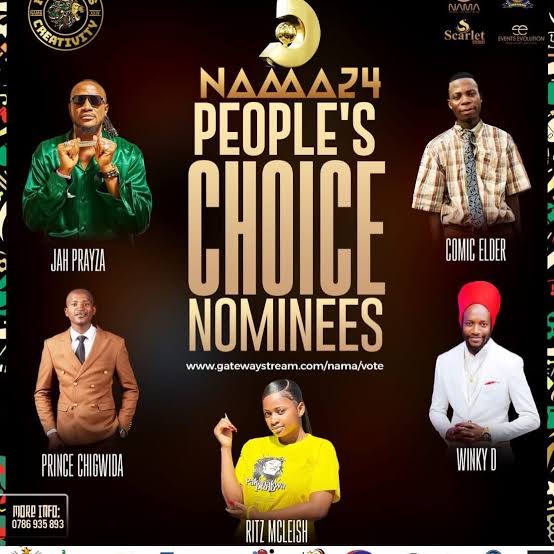
The NAMA 26 People’s Choice Award has officially been activated, sending waves of excitement across Zimbabwe’s entertainment fraternity. This year’s category is arguably the most competitive in recent memory, with each nominee bringing a distinct strength to the race.
Gateway Streaming has already opened the voting platforms, operating on a strict one-person, one-vote system a mechanism that places power squarely in the hands of the public.
The first nominee is Principal Chigwida, widely known as Prince Chigwida, a gospel musician celebrated for his distinctive sound that seamlessly blends traditional instruments with modern musical elements. With an impressive following of 259,000 on Instagram and strong backing from the ZCC Mbungo Church community, Chigwida enters the contest as a formidable candidate. His nomination is not merely symbolic; it reflects a solid support base rooted in both faith and artistry.
Second on the list is Leroy T. Zaware, popularly known as Comic Elder. Arguably the comedian of the year, Comic Elder has built an extraordinary digital empire. Commanding a staggering 1.2 million followers on Facebook alone, his posts consistently attract an average of 100,000 likes and 10,000 comments figures that signal not just popularity, but deep engagement. In a public vote scenario, such numbers translate into serious electoral capital, making him a strong contender in the category.
The third nominee is Wallace Chirumiko, affectionately known as Winky D. The “Gaffa,” as his fans call him, may not maintain an aggressive social media presence, but his influence extends far beyond digital metrics. Having scooped the People’s Choice Award four times in the last five years, Winky D’s dominance speaks to unmatched grassroots support. His ability to sell out shows without heavy promotional campaigns underscores a brand that thrives on loyalty and cultural relevance. In this category, his ground support could once again outweigh online numbers.
The fourth nominee is Mukudzei Mukombe, better known as Jah Prayzah. With a commanding social media presence exceeding four million followers across platforms, Jah Prayzah is undeniably a force in the digital era. Coupled with what is arguably the biggest song in the country this year, his momentum is undeniable. Beyond numbers, his consistent humility and disciplined brand positioning could further endear him to voters, giving him a strategic advantage in the People’s Choice race.
Last, but certainly not least, is socialite Mitchell Moyo, also known as Ritz Mcleish. Recognised for her beauty and for positioning herself as a voice for single mothers, Ritz brings a different dynamic to the competition. Her appeal cuts across social and gender lines, and her ability to mobilise support through identity and representation could prove decisive in a category driven purely by public sentiment.
Voting progresses, one question dominates entertainment discussions nationwide: who will ultimately take the crown? With diverse fan bases, contrasting influence models, and passionate supporters behind each nominee, the outcome remains unpredictable. What is certain, however, is that the NAMA 26 People’s Choice Award has evolved into more than just a popularity contest it is now a true test of influence, loyalty, and cultural impact.
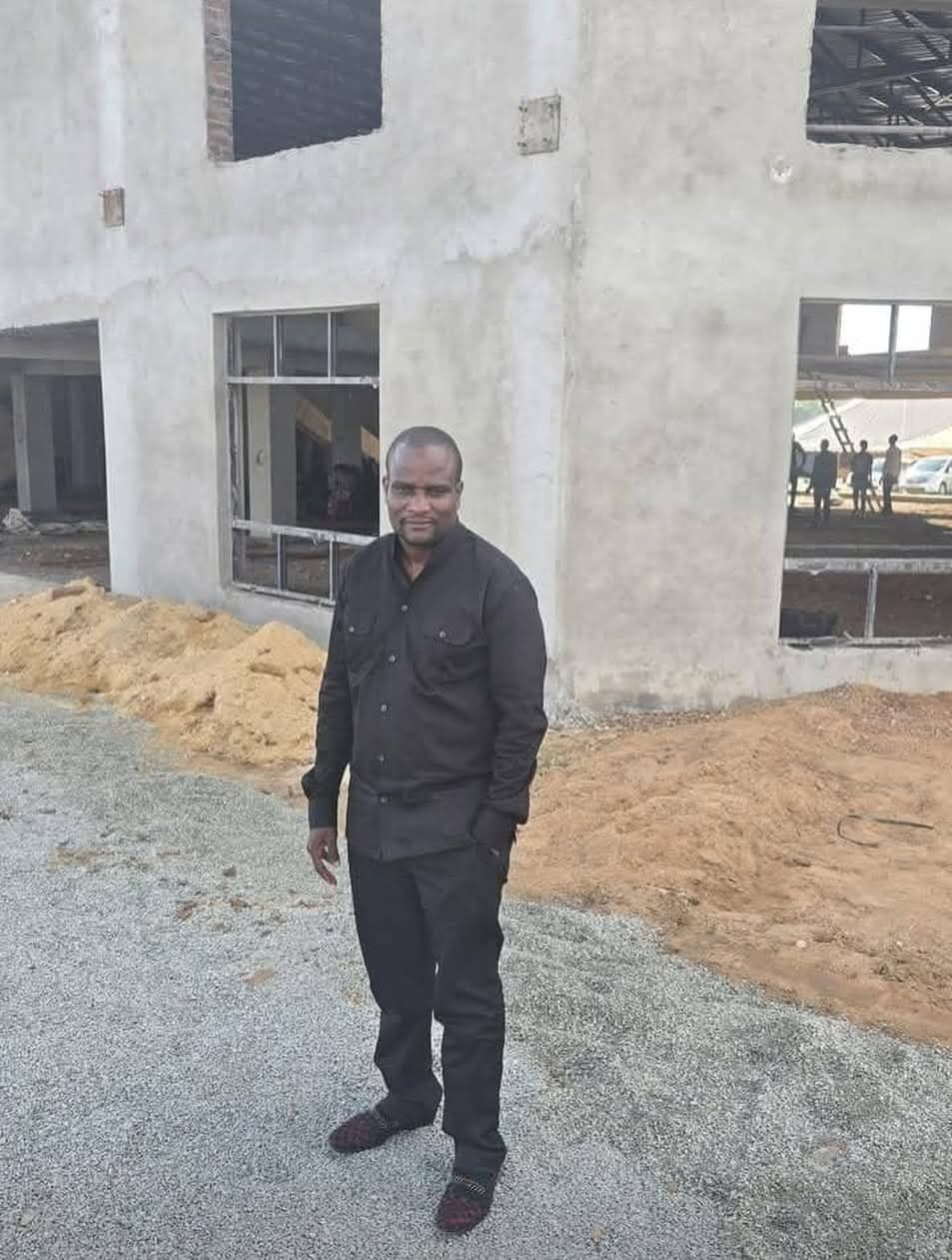
The song “Ndiri Kurwadziwa” still resonates with many Zimbabweans, especially during moments of loss and hardship. The emotional track was written and recorded by renowned man of the cloth, Prophet T Freddy, following the demolition of his Glen View church by the Harare City Council in 2020.
At the time, the destruction of the church was a painful setback for the prophet, who had invested heavily in the structure. The experience inspired the heartfelt lyrics, “Ndingagone kuzvishingisa vakomana ndiri kurwadziwa,” reflecting his deep sense of loss.
Despite the devastating blow, Prophet Freddy, known for his strong prophetic ministry, refused to give up. He later secured new land at the corner of Highglen and Mushayabande Road, where he embarked on an ambitious rebuilding project.
Six years after the demolition, the prophet is now putting final touches to a modern, state-of-the-art church complex with a seating capacity of over 2,000 congregants.
“We made a deliberate decision to invest in God’s house so that people can worship in a comfortable and conducive environment,” Prophet Freddy said. “Yes, we went through a major setback, but God has always remained faithful.”
He acknowledged that the journey was not easy, noting that the project required vast resources and commitment.
“It has not been easy at all. The building process demanded a lot of materials and sacrifice, but by God’s grace, we have come this far,” he added.
The new church has been designed to offer ample seating and clear visibility, allowing congregants to fully engage during services.
Prophet Freddy has also been widely praised for prioritising ministry infrastructure over personal luxury.
“He chose to invest in the work of God instead of expensive cars or convoys,” said one church member. “From the beginning, he was determined to see this church completed.”
The official opening of the new church is expected in the first quarter of this year once final works are concluded.
With this development, Goodness and Mercy Ministries is set to join the ranks of churches in Zimbabwe that boast modern and well-equipped worship facilities, marking a significant milestone in its growth and resilience journey.

“No Matter Where They Are in SA” — Govt Vows Full Medical Support for Zimbabweans

DIABETES CURE… OR THE BEGINNING OF THE END FOR INSULIN DEPENDENCE?

HIV Network Raises Concern Over Halted US Health Funding Talks

Operation restore order

Masasi High School Abuse Scandal Sparks Public Outcry

Kuwadzana Man Jailed for Reckless Driving and Driving Without a Licence
-
 Current Affairs3 months ago
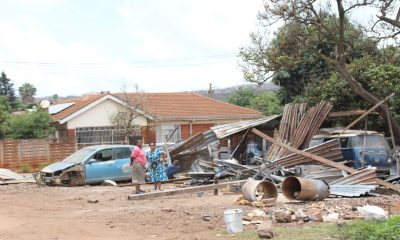
Operation restore order
-
 Crime and Courts5 months ago
Masasi High School Abuse Scandal Sparks Public Outcry
-
 Crime and Courts5 months ago
Kuwadzana Man Jailed for Reckless Driving and Driving Without a Licence
-
 Current Affairs7 months ago
Breaking: ZIMSEC June 2025 Exam Results Now Available Online
-
 Current Affairs6 months ago
Munhumutapa Day: Zimbabwe’s Newest Public Holiday Set for Annual Observance
-
 Current Affairs5 months ago
BREAKING NEWS: ZANU PF Director General Ezekiel Zabanyana Fired
-

 Current Affairs6 months ago
No Racism in Our Cricket: Government
-
 Current Affairs6 months ago
Government Bans Tinted Car Windows in Nationwide Crime Crackdown