
World News
China’s AI Talent Engine Drives Global Innovation Edge

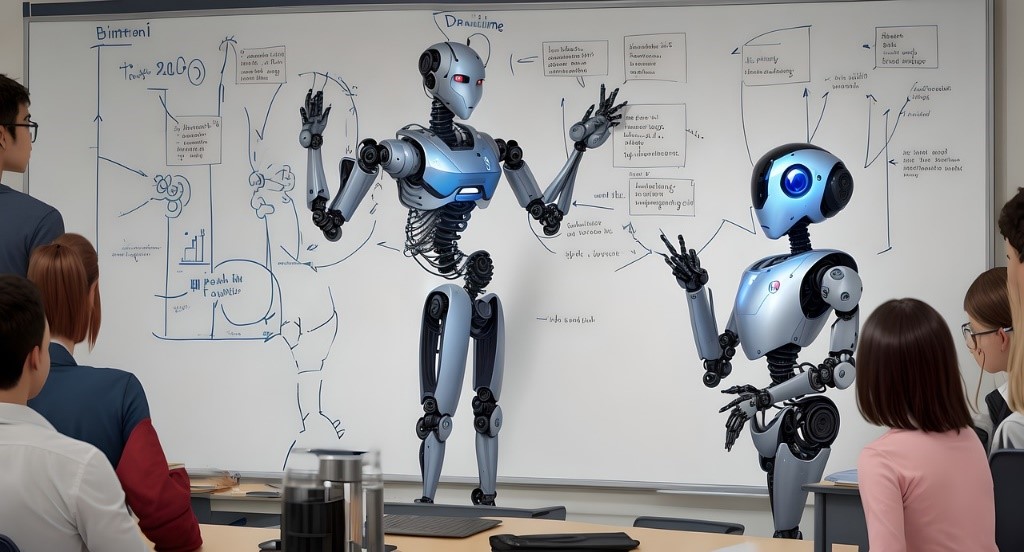
- China Produces 3.57 Million STEM Graduates Annually, Dwarfing U.S. Output
- Beijing Leads World in AI Patents and Research, Backed by Massive Talent Pipeline
- Experts Urge Open-Source AI to Prevent Dominance, Offer Lessons for Africa
China continues to solidify its position as a powerhouse in artificial intelligence, fueled by an unparalleled pipeline of STEM talent that far outpaces global rivals, according to recent data and expert analysis.
At the heart of this surge is China’s massive annual output of STEM graduates.
Latest figures indicate the country produces approximately 3.57 million science, technology, engineering and mathematics graduates each year, representing about 40-45% of all university degrees.
This vast talent pool – roughly four times that of the United States’ 800,000 annual STEM graduates – provides the human capital driving breakthroughs in AI research, patents and applications.
Experts highlight that China’s STEM dominance extends to advanced degrees.
Projections indicate that Chinese universities will award over 77,000 STEM PhDs annually by 2025-2026, nearly double the U.S. figure of approximately 40,000. Within this, AI-specific expertise is growing rapidly, with China producing almost half of the world’s top AI researchers and leading in AI publications.
This talent advantage translates into tangible outputs. China now accounts for more than 70% of global AI patents, including a commanding share in generative AI, underscoring its strategic focus on open-source development and inclusive innovation.
Victor Gao, a prominent Chinese scholar interviewed at the Doha Forum, emphasised this approach in discussions on the AI revolution.
He warned against any single nation’s dominance, advocating for open-source AI to ensure global participation and prevent existential risks, such as AI surpassing human control.
“China’s model lowers barriers, allowing broader access and collaboration,” Gao said.
Despite challenges, including a projected shortage of millions of AI professionals by 2030 amid soaring demand, Beijing’s investments in education and research – including billions in semiconductor and AI funds – are bridging gaps and attracting global talent.
What Africa Can Learn from China’s AI Talent Strategy
As African nations seek to harness AI for development, China’s experience offers valuable insights for building sovereign capabilities in the technology.
With a youthful population of over 1.4 billion and emerging tech hubs in cities like Nairobi and Lagos, Africa has immense potential.
However, the continent produces an estimated 675,000 STEM graduates annually, a fraction of China’s output relative to population needs.
Experts recommend the following steps:
- Massive Investment in STEM Education — Emulate China’s focus by expanding universities, vocational programs and scholarships to target 1 million annual STEM graduates by 2030, prioritising software engineering and AI.
- Develop Specialised AI Pipelines — Establish centres of excellence and partnerships with Chinese institutions for knowledge transfer, aiming for tens of thousands of AI specialists.
- Promote Open-Source Adoption — Leverage affordable Chinese AI frameworks to address local issues like agriculture and healthcare, fostering innovation without dependency.
- Strengthen Ethical Governance — Create national AI strategies emphasising privacy and fairness to protect sovereignty amid global competition.
- Build Strategic Partnerships — Use forums like the Forum on China-Africa Cooperation to secure infrastructure investments while prioritising local capacity-building.
- By adapting these lessons, Africa can transition from AI consumer to contributor, driving equitable growth in the intelligence age.
- China’s AI ascent demonstrates that strategic talent development can reshape global dynamics. For emerging regions like Africa, the path forward lies in proactive investment and collaboration to ensure technology serves inclusive progress.
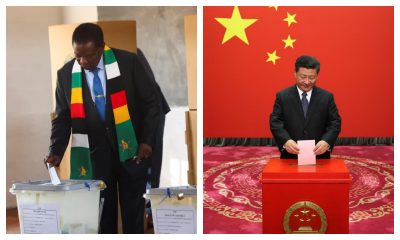






Burkina Faso’s leader, Ibrahim Traoré, has told citizens to “forget democracy,” arguing that the system is not suitable for the country at this time.
Speaking on state television, Traoré said Burkina Faso should not focus on elections but instead prioritise rebuilding the nation. His remarks follow the decision by the military government to dissolve all political parties in January 2026 and take control of their assets.
The 36-year-old leader, who came to power after a coup in 2022, has repeatedly postponed elections, citing ongoing jihadist attacks and instability.
He maintains that restoring security must come before any political transition.
Despite criticism, Traoré has recorded several achievements since taking office.
His administration has intensified military operations against armed groups, leading to the recovery of some territories previously controlled by insurgents. The government has also strengthened local defence units and increased recruitment into the armed forces.
In addition, Traoré has pushed for economic independence by promoting local production and reducing reliance on foreign influence.
His government has also invested in agriculture and small-scale industries to support food security and job creation.
However, critics argue that his recent statements signal a growing shift toward authoritarian rule. They warn that sidelining democratic processes could weaken governance and limit citizens’ rights.
Supporters, on the other hand, believe his approach is necessary, saying stability and security must come first before democratic reforms can take place.


United States Defence Secretary Pete Hegseth has directed Army Chief of Staff General Randy A. George to step down with immediate effect, as tensions continue during the ongoing conflict involving the US, Israel and Iran.
In a statement shared on X on Thursday night, Pentagon spokesperson Sean Parnell confirmed that General George “will be retiring from his position,” although no explanation was provided for the sudden move during a period of active military engagement.
The 61-year-old general was appointed to the role in 2023 under former US President Joe Biden. Throughout his career, he served in several international deployments, including operations in Iraq and Afghanistan.
During his tenure as chief of staff, he focused on streamlining army structures and advancing modern warfare capabilities, such as low-cost missile defence drones and artificial intelligence-driven targeting systems.
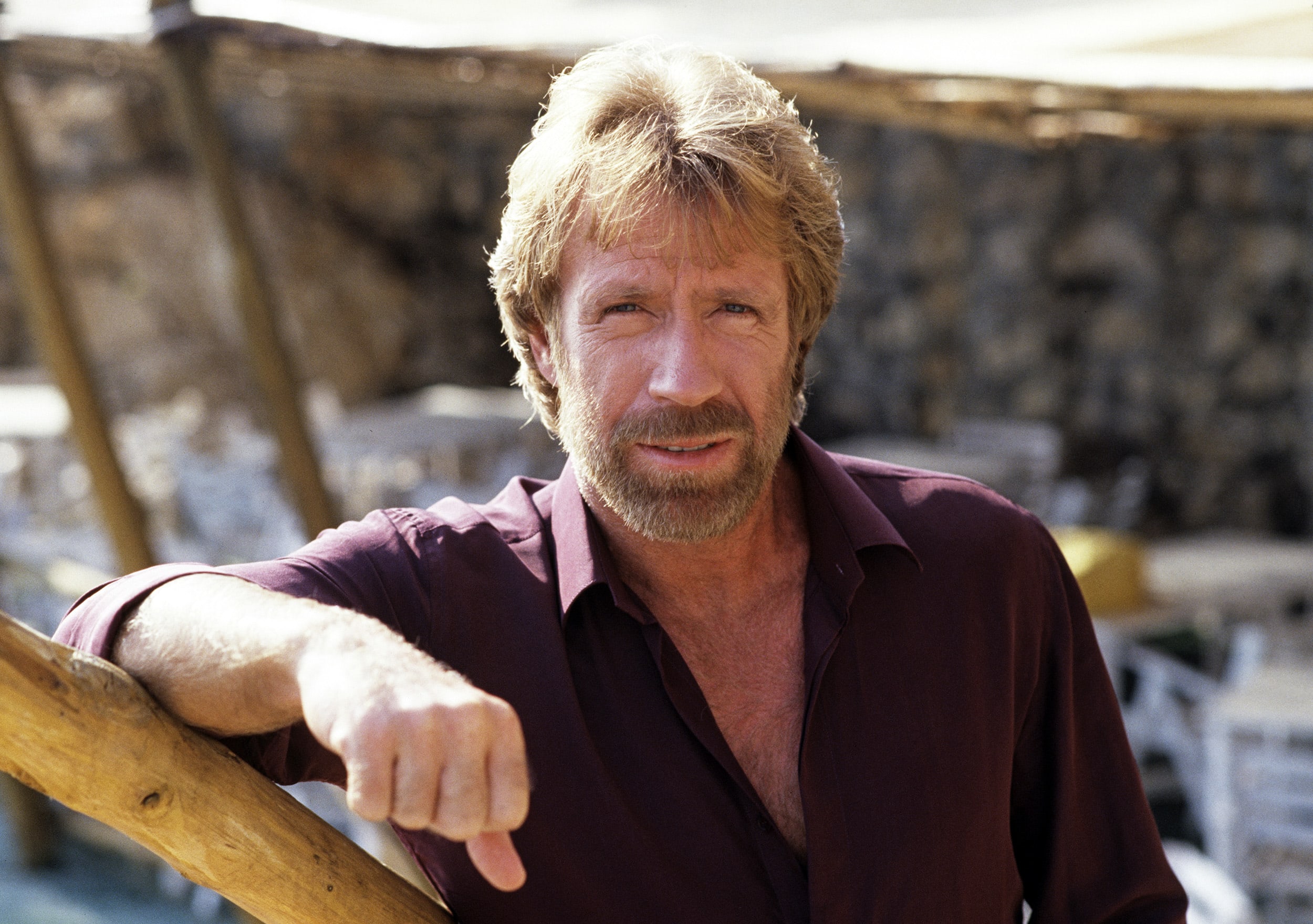
Legendary action actor and martial arts icon Chuck Norris has passed away at the age of 86.
In a statement shared on social media, his family confirmed that he died on Thursday. They noted that he was surrounded by loved ones and passed away peacefully, while requesting privacy regarding further details.
Norris first rose to prominence as a highly successful karate champion in the late 1960s. His close association with fellow martial arts legend Bruce Lee led to a memorable role in the 1972 film The Way of the Dragon.
He later transitioned into a successful acting career, becoming known for a series of popular action films such as Invasion USA and The Delta Force. He also gained widespread recognition on television through the long-running series Walker, Texas Ranger.
Beyond entertainment, Norris became known for his outspoken views and involvement in conservative political causes.

ZLGCA Drives Girl Child Empowerment as Zimbabwe Celebrates 46 Years of Freedom

Van Choga: Controversy Outpaces Quality in Music Sales

USD 2.18 Billion Rail Deal To Unlock Africa Trade Corridors

Operation restore order

Masasi High School Abuse Scandal Sparks Public Outcry

Kuwadzana Man Jailed for Reckless Driving and Driving Without a Licence
-
 Current Affairs5 months ago
Operation restore order
-
 Crime and Courts7 months ago
Masasi High School Abuse Scandal Sparks Public Outcry
-
 Crime and Courts7 months ago
Kuwadzana Man Jailed for Reckless Driving and Driving Without a Licence
-

 Current Affairs9 months ago
Breaking: ZIMSEC June 2025 Exam Results Now Available Online
-
 Current Affairs8 months ago
Munhumutapa Day: Zimbabwe’s Newest Public Holiday Set for Annual Observance
-

 Current Affairs6 months ago
BREAKING NEWS: ZANU PF Director General Ezekiel Zabanyana Fired
-

 Current Affairs8 months ago
No Racism in Our Cricket: Government
-

 World News6 months ago
Burkina Faso Reaps $18 Billion in Gold Revenue Under Ibrahim Traoré’s Leadership