
Crime and Courts
Court Postpones Bellarmine Mugabe Case Due to Power Outage


The case involving Bellarmine Chatunga Mugabe and his co-accused Tobias Matonhodze has been postponed to March 11 after proceedings failed to commence due to a power outage at the Alexandra Magistrate’s Court.
The two appeared before the court on Thursday but were unable to proceed with the hearing because the court building had no electricity. As a result, the magistrate postponed the matter to allow proceedings to continue once normal operations resume.
Mugabe, the son of former Zimbabwean President Robert Mugabe, and Matonhodze are already facing several serious charges, including attempted murder, defeating the course of justice, and unlawful possession of a firearm.
Prosecutors have since added two additional charges against the pair: pointing a firearm and contravening the Immigration Act. According to the State, these new allegations stem from the same incident that gave rise to the initial charges currently before the court.
The prosecution claims that during the events under investigation, a firearm was allegedly pointed at individuals, leading to the new charge. Authorities have also cited a possible breach of the Immigration Act, although further details are expected to be presented during the upcoming court proceedings.
When the matter resumes, the accused are expected to be formally advised of the additional charges and given the opportunity to respond before the court determines the next course of action.
The case has drawn significant public interest due to Mugabe’s high-profile family background. Legal observers say the addition of new charges could influence how the case unfolds when it returns to court next week.

By Everisto Zhuwao
The State has filed an urgent application at the Harare Regional Magistrates’ Court to compel Walter Magaya to finally enter a plea in his ongoing criminal case.
The legal move, announced by the National Prosecuting Authority of Zimbabwe (NPAZ) on Thursday, aims to stop what the government describes as intentional delays to the trial.
Prosecutors argue that Magaya has filed a series of court applications that have stalled the commencement of the trial proceedings. The State contends that these legal manoeuvres are frivolous and vexatious. According to the prosecution, the actions have frustrated the progress of the case and prolonged the wait for justice for the alleged victims and witnesses.
The application was made under Section 168 and Section 182 of the Criminal Procedure and Evidence Act. The State insists that the judicial process must not be unduly delayed and that victims have a legitimate expectation for trials to proceed within a reasonable timeframe.
By seeking this court order, the NPAZ hopes to bypass further delays and move the matter directly into the trial phase.
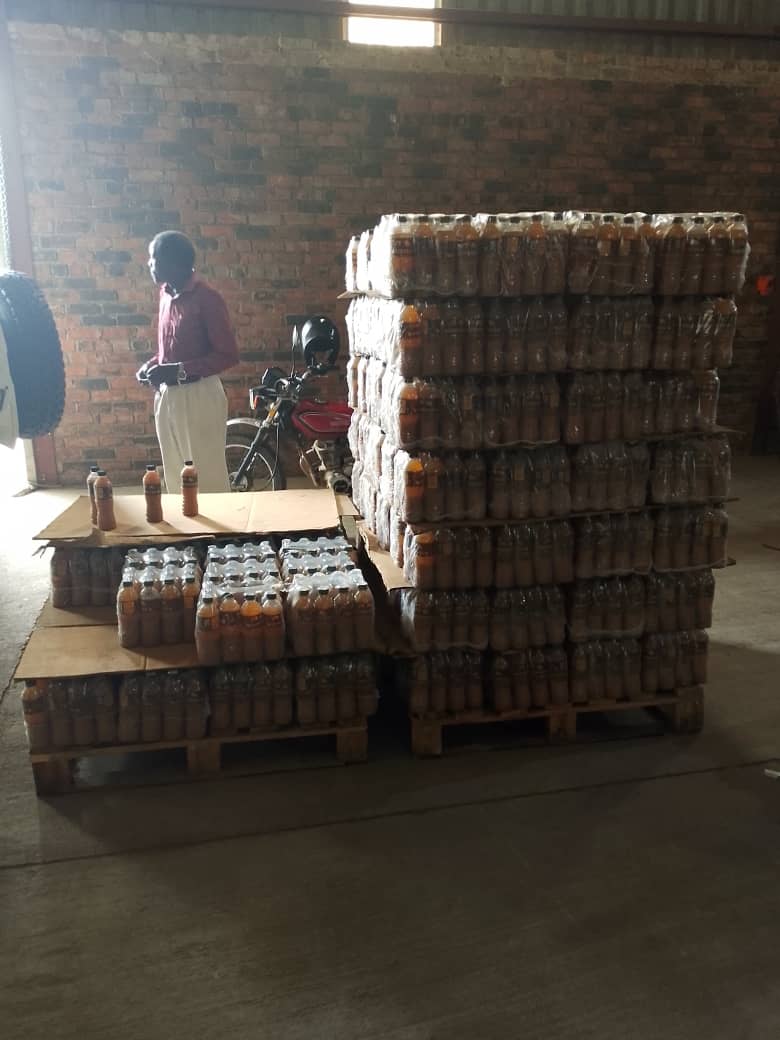
The Zimbabwe Republic Police (ZRP) has arrested 11 suspects believed to be part of a drug trafficking syndicate after intercepting a large consignment of illegal substances.
According to police, the suspects, who include both men and women, were arrested while travelling from Beitbridge carrying approximately 200 kilogrammes of dagga and other illicit substances.
The drugs had been cleverly packaged to resemble blankets in an attempt to evade detection at security checkpoints. However, police managed to intercept the suspects during an operation that led to the seizure of the contraband.

In addition to the dagga, officers also confiscated a quantity of unregistered medicines that were found in the possession of the suspects.
The Zimbabwe Republic Police has reiterated that it remains committed to fighting drug trafficking and substance abuse across the country. Authorities warned that there will be no going back in the crackdown on drug-related crimes.
Police also cautioned members of the public against engaging in the illegal production, transportation and distribution of drugs, stressing that offenders will be arrested and brought before the courts.
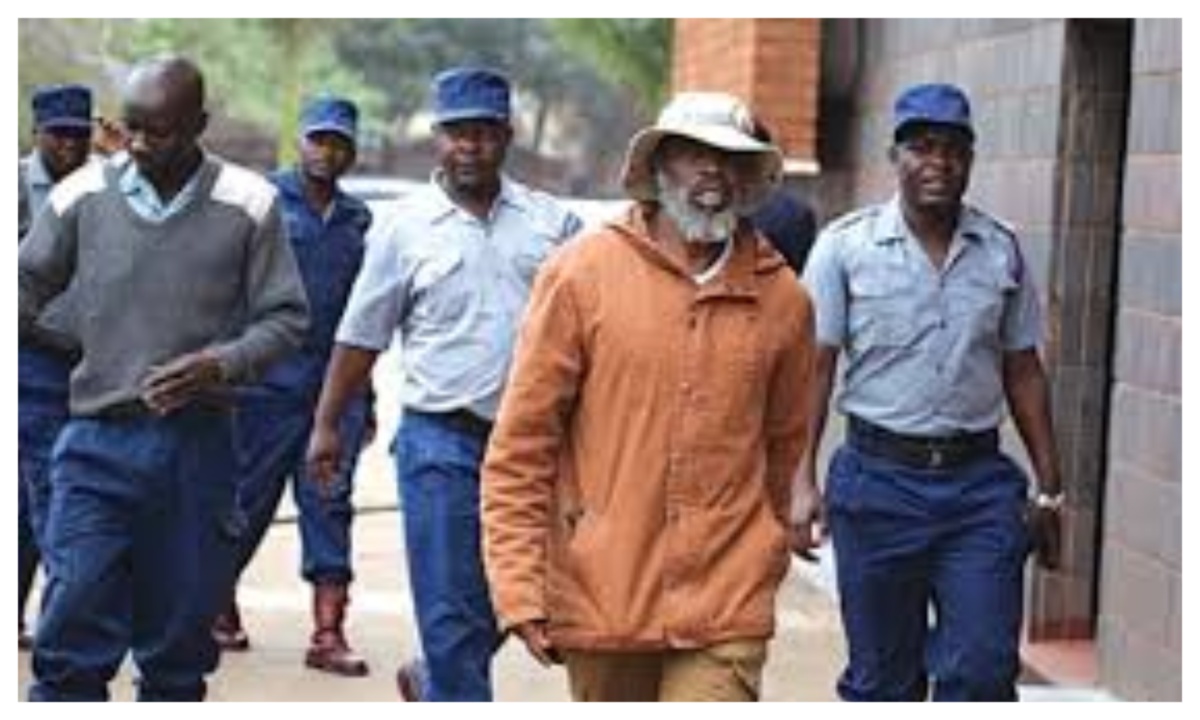
Madzibaba Ishmael Chokurongerwa, leader of the Johane Masowe eChishanu Gorejena Penyeranyika Apostolic Sect, has been granted US$1,000 bail pending appeal after serving part of a 20-year prison sentence for rape.
High Court Judge Justice Neville Wamambo ruled that Chokurongerwa’s appeal raises arguable points of law and fact, including concerns about the handling of DNA evidence and questions surrounding the age of the complainant, warranting his release while the appeal is being considered.
Chokurongerwa was convicted following investigations linked to a March 2024 police raid at his Lily Farm compound in Nyabira, about 30 kilometres west of Harare.
During the operation, authorities rescued 251 children, many of whom reportedly lacked birth documentation and were not attending school.
Police also discovered 16 shallow graves, including those believed to contain infant remains, on the property. Two women were arrested at the site on human trafficking charges.
In his ruling, Justice Wamambo cited irregularities in the trial proceedings, including concerns that the complainant did not make a direct rape complaint.
The court also questioned the chain of custody of DNA samples, noting that gaps in the handling of the evidence could affect its reliability.
The High Court further highlighted inconsistencies between the complainant’s testimony and an age estimation report relied upon during the trial.
As part of his bail conditions, Chokurongerwa must report to the CID Law and Order section in Harare three times a week, reside at a specified address, and remain available to the court until his appeal is determined.
The cleric’s release has sparked debate in Zimbabwe, with some critics questioning the justice system’s handling of influential religious figures while others point to the court’s duty to address potential legal flaws raised on appeal.
A date for the hearing of the appeal has not yet been announced.

Dynamos, Highlanders Play Out Thrilling Draw in Season’s First Battle of Zimbabwe

Ngezi Platinum Stars Hold Defending Champions Scottland at Rufaro

Garwe to Commission Fire Tender, Equipment for Insiza, Umzingwane

Operation restore order

Masasi High School Abuse Scandal Sparks Public Outcry

Kuwadzana Man Jailed for Reckless Driving and Driving Without a Licence
-
 Current Affairs4 months ago
Operation restore order
-
 Crime and Courts6 months ago
Masasi High School Abuse Scandal Sparks Public Outcry
-
 Crime and Courts6 months ago
Kuwadzana Man Jailed for Reckless Driving and Driving Without a Licence
-
 Current Affairs8 months ago
Breaking: ZIMSEC June 2025 Exam Results Now Available Online
-
 Current Affairs7 months ago
Munhumutapa Day: Zimbabwe’s Newest Public Holiday Set for Annual Observance
-

 Current Affairs5 months ago
BREAKING NEWS: ZANU PF Director General Ezekiel Zabanyana Fired
-

 Current Affairs7 months ago
No Racism in Our Cricket: Government
-

 World News5 months ago
Burkina Faso Reaps $18 Billion in Gold Revenue Under Ibrahim Traoré’s Leadership