
Current Affairs
Millions to Push Amendment Number 3: Madzibaba Enock


In a powerful show of solidarity with the Second Republic’s legislative agenda, prominent apostolic sect leader Madzibaba Enock has thrown his weight behind the proposed Constitutional Amendment Number 3, calling on millions of his followers across the country to rally behind the Bill as a catalyst for economic empowerment.
Addressing a gathering of faith leaders and congregants at his Budiriro shrine over the weekend, the leader of the Johanne Masowe Nyenyedzi Nomwe sect declared that the amendment is a divine instrument meant to rejuvenate the economy and propel the nation towards the attainment of Vision 2030 and the goals of the National Development Strategy 2 (NDS-2).
He urged the nation to disregard narratives portraying the amendment as a tool for partisan benefit, insisting that it is a vehicle for national prosperity.
“We Must Bury Our Differences”
Madzibaba Enock, whose real name is Hebert Senda, commanded a massive audience as he delivered what he termed a “message of unity and development.” He rallied the apostolic community, estimated to be millions strong, to become active participants in the national development agenda.
“The time for division is over. We must bury our political differences and become a united force,” Madzibaba Enock said. “Amendment Number 3 is not an agenda set to benefit ZANU PF but Zimbabwe as a whole. It is a gateway for us to stabilise our governance structures so that development can flow uninterrupted to every corner of this nation.”
He emphasised that the alignment of governance frameworks under NDS-2 is crucial for long-term planning. According to government policy, NDS-2, which runs from 2026 to 2030, is anchored on fiscal discipline, macroeconomic stability, and robust value addition in sectors such as manufacturing and mining to achieve an upper-middle-income economy by 2030.
The revered cleric framed the constitutional process not merely as a political exercise but as a practical tool for economic transformation that would directly benefit ordinary Zimbabweans.
“This amendment is an empowerment tool set to rejuvenate and propel the economy in line with Vision 2030,” he stated. “We cannot talk about building the country if we are constantly looking over our shoulders at the next election. We need the space to work, build industries, and pray for our leaders without the toxicity of perpetual politicking.”
His sentiments align with government assertions that longer planning horizons are necessary to see development programmes through to completion, allowing the fruits of NDS-2 to be fully realised.
The prophet, known for his close association with grassroots communities, stressed that national progress hinges on collective commitment, calling on citizens to look beyond partisan lines.
“Let us not be deceived by those who thrive on confusion,” Madzibaba Enock warned. “When we are united, God answers our prayers. When we are divided, we remain poor. We need to support this initiative so that our children can inherit a prosperous Zimbabwe.”
Rejecting False Narratives
Responding to criticism from some civil society organisations and legal experts who argue that the amendments consolidate executive power and undermine democracy, Madzibaba Enock dismissed these concerns as foreign to the values of the majority.
“Those crying foul are the same voices that do not want to see Africa rising,” he claimed. “We, the people of Zimbabwe living in townships and villages, know what we need. We need development, we need roads, we need clinics, and we need a government that is given the time to deliver. This Bill answers to us, not to critics in boardrooms.”
Despite the political heat surrounding the Bill, Madzibaba Enock concluded his address with a call for peace and tranquillity during the national discourse, urging his followers to remain law-abiding.
“We will support this with our prayers and our voices, but always in peace,” he said. “The church is a sanctuary for healing and transformation, and we are opening our doors to support the nation on this journey.”
Profile
Madzibaba Enock (born Hebert Senda) is a prominent Zimbabwean prophet and healer based in Budiriro, Harare, who leads the Johanne Masowe Nyenyedzi Nomwe Apostolic sect. While his early public profile was marked by a land dispute with the City of Harare over his shrine, his recent activities have reflected a significant shift toward active collaboration with government social programmes.
He has emerged as a key ally in the fight against drug and substance abuse, launching a campaign for a dedicated rehabilitation centre in Budiriro. This initiative was inspired by First Lady Dr Auxillia Mnangagwa’s national crusade against drugs.
Madzibaba Enock has been engaging with government departments to bring the project to fruition, leveraging the church as a vehicle for rehabilitation and community engagement among the youth. His efforts position him as a religious leader committed to the social pillars of Vision 2030, complementing the economic and infrastructure goals outlined in NDS-1 and NDS-2.

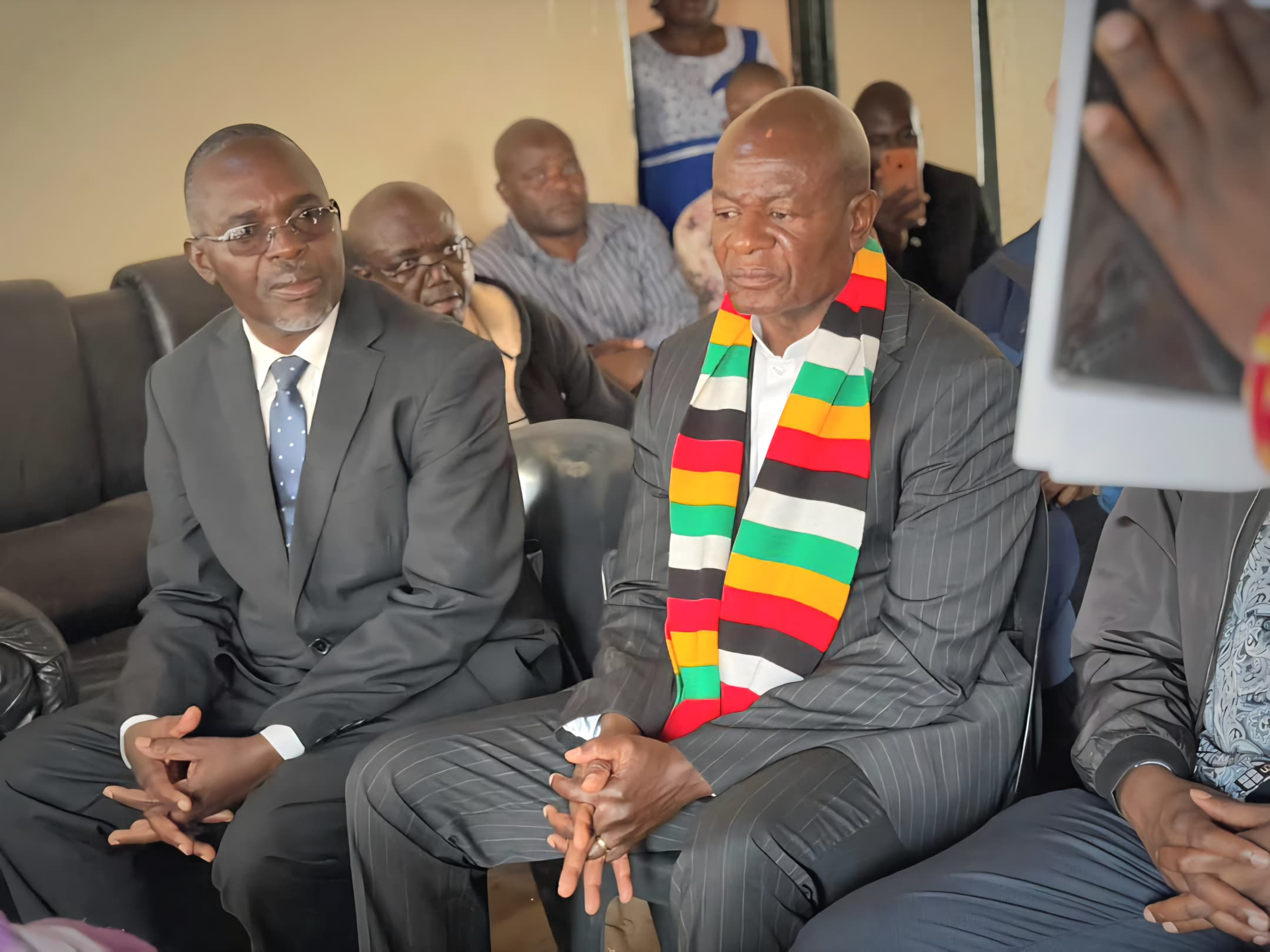
President Emmerson Mnangagwa has conveyed his deepest condolences following the death of Senator Chief Mapungwana, with Government describing the late traditional leader as a towering custodian of culture, unity and rural development.
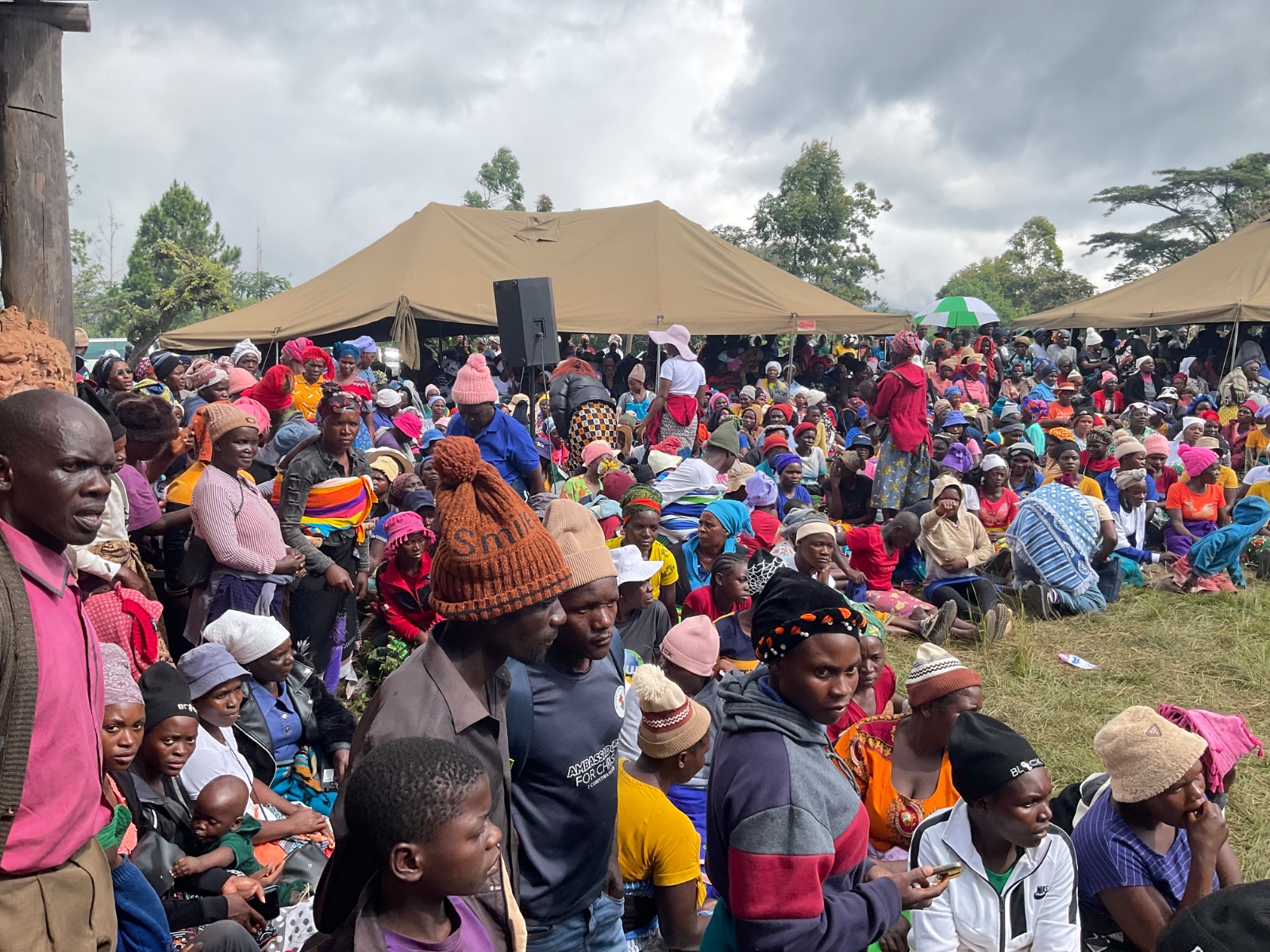
The President’s message was delivered on Wednesday by Daniel Garwe during the burial ceremony held in Chief Mapungwana’s area in Chipinge, where hundreds of mourners gathered to bid farewell to one of Manicaland’s most respected chiefs.
Garwe said the nation had lost a distinguished leader whose influence stretched beyond Zimbabwe’s borders into neighbouring Mozambique.
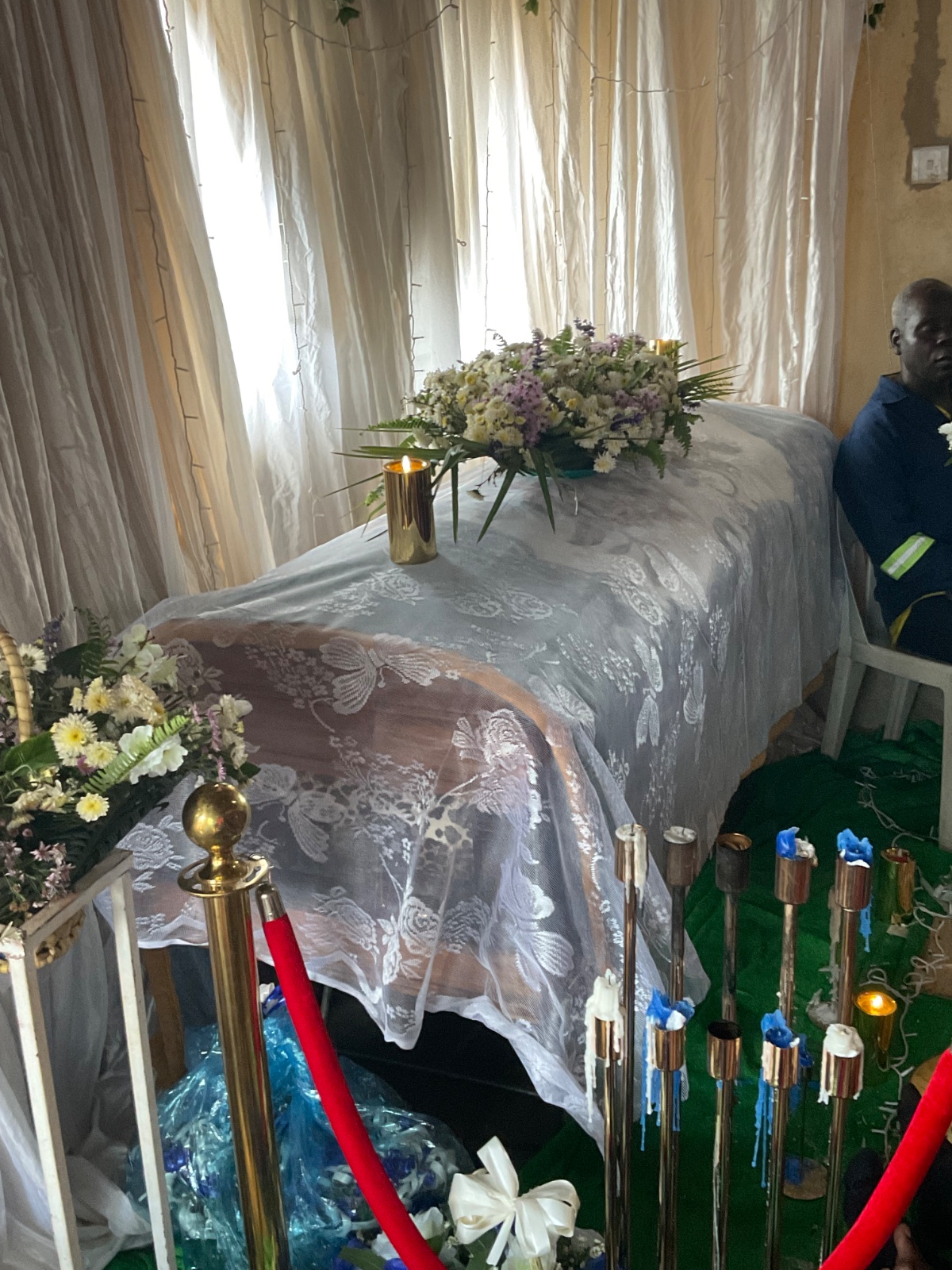
“It is with a deep sense of shock and sorrow that I stand before you today, on behalf of His Excellency the President, to mourn the departure from amongst us of the custodian of our culture and heritage,” said Garwe.
The solemn ceremony drew senior Government officials and traditional leaders, including Deputy Minister Albert Mavunga, National Council of Chiefs President Chief Mtshane Khumalo, and Senate Deputy President Mike Nyambuya.
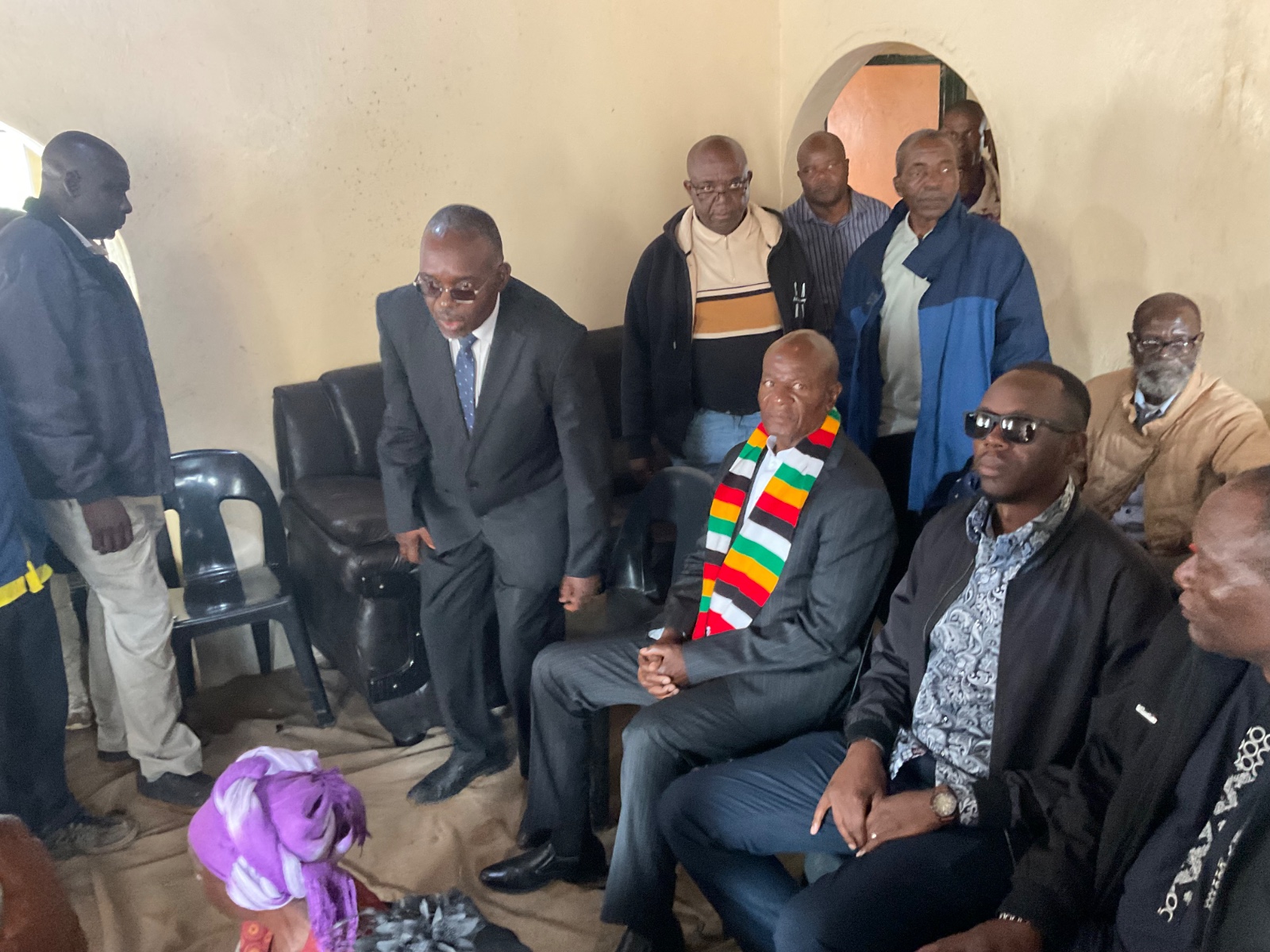
Born on 27 October 1966, Chief Mapungwana was installed as substantive chief on 8 October 2007 and served his people for 18 years. Before ascending to the throne, he worked as a teacher for five years before joining the private security sector.
ALSO READ: Minister Daniel Garwe Emphasises Service Delivery and Development Agenda
Garwe said the late chief’s reign was defined by loyalty to his people and commitment to national progress.
Since his appointment, Chief Mapungwana served in the Manicaland Provincial Chiefs’ Assembly, the National Council of Chiefs and the Senate of Zimbabwe. From 2023 until his death, he chaired the Manicaland Provincial Chiefs’ Assembly.
“The late Chief understood development through supporting Government programmes. He was a father figure to the Mapungwana community who facilitated strong linkages between his people and Government,” Garwe said.
He added that the chief remained active in national affairs until his final days, having attended the 2026 Independence Celebrations in Maphisa.
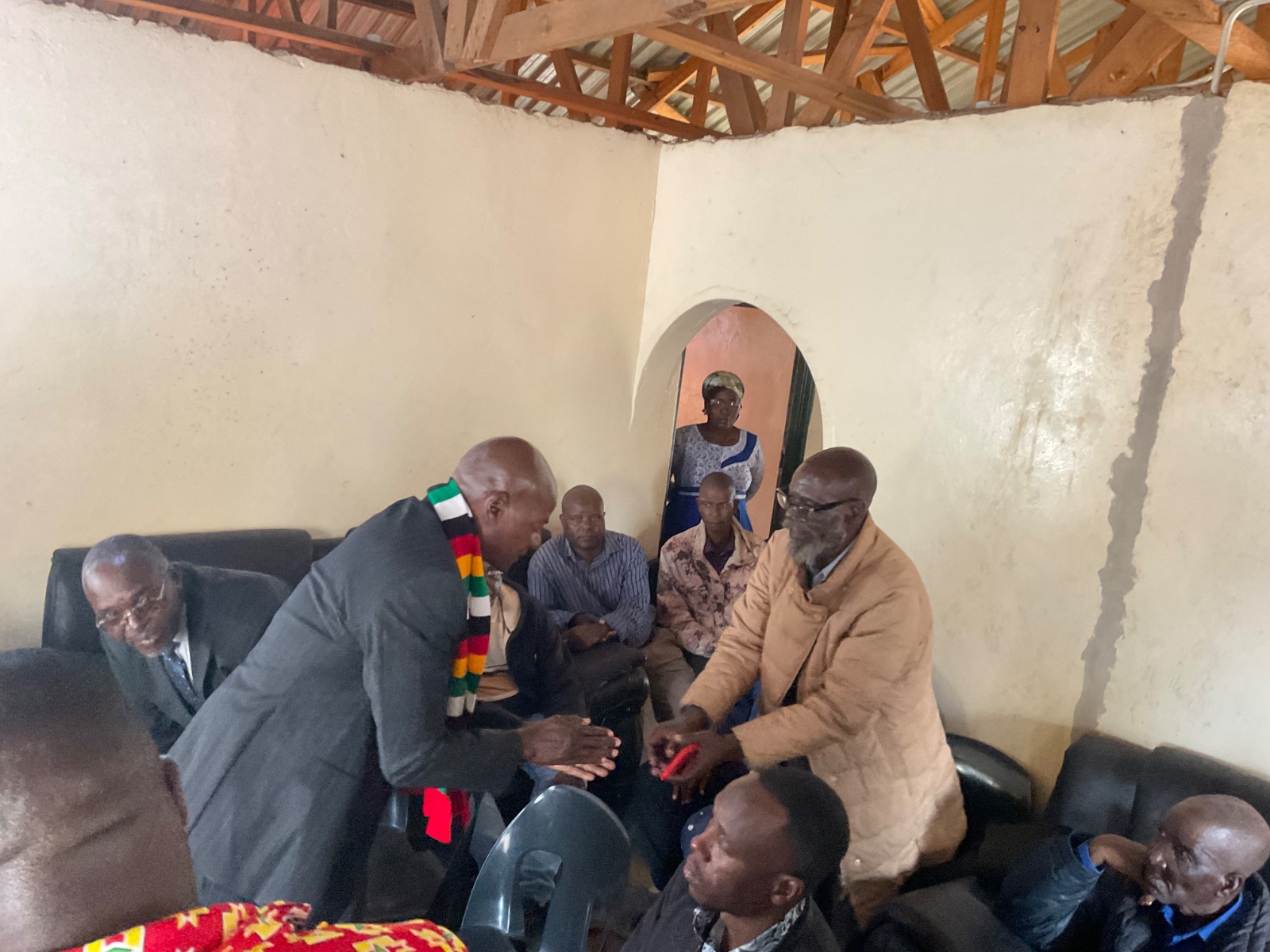
Government reiterated its commitment to honouring traditional leaders for their role in preserving heritage, promoting unity and driving grassroots development.
Chief Mapungwana is survived by two wives, five children and four grandchildren.
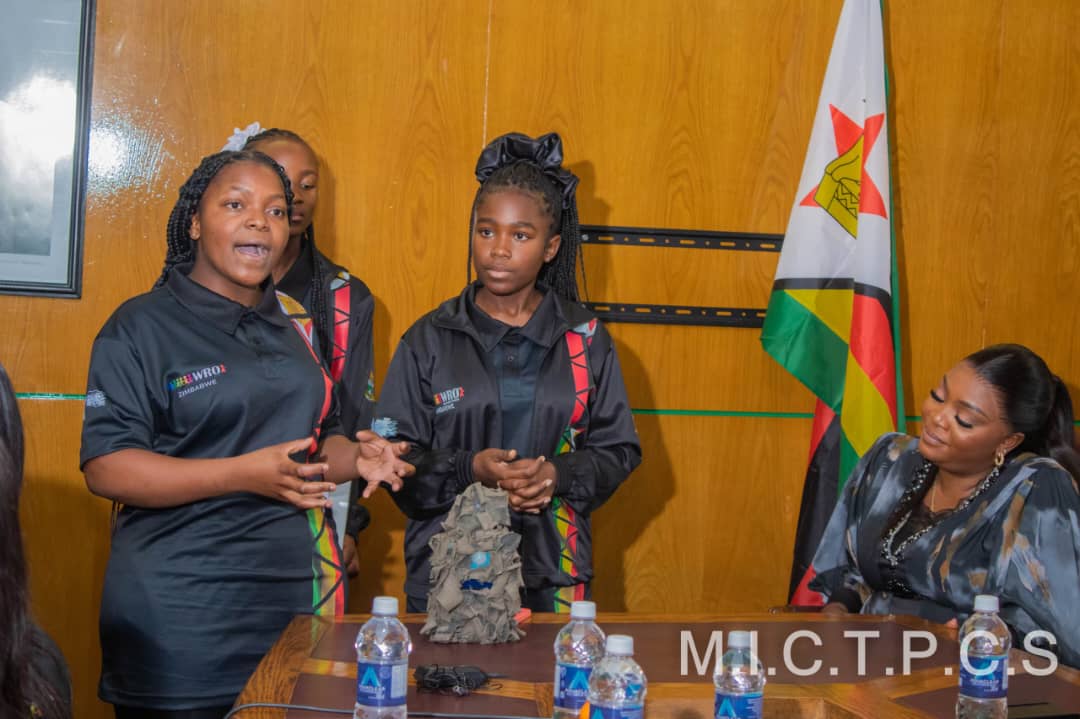
Zimbabwe will launch an Artificial Intelligence (AI) Grand Challenge within the next month as part of a new national strategy aimed at driving innovation, building local capacity, and positioning the country as a competitive player in the global digital economy.
Minister of Information Communication Technology, Postal and Courier Services Tatenda Mavetera announced on Tuesday during the Post-Cabinet Briefing in Harare.
She said the initiative is expected to open opportunities for startups and innovators to develop solutions aligned with national priorities and economic needs.
“This first initiative will allow various startups to come in with applications and developments around the AI strategy,” Mavetera said.
The programme comes as countries around the world ramp up investment in AI to accelerate economic growth, improve efficiency, and modernise public services, with Zimbabwe seeking to harness its own talent for inclusive development.
“Our AI strategy is premised on six pillars,” Mavetera said.
ALSO READ: Minister Mavetera Urges Zimbabwe to Embrace AI for Economic Growth
One of the key pillars focuses on strengthening AI infrastructure, including expanding computing capacity and improving access to critical technologies such as graphics processing units (GPUs), which are essential for developing advanced AI systems.
“We need to advance our digital infrastructure, work on our GPU capacity, and also improve access to our computing facilities,” she said.
Another pillar centres on skills development, with the government building on existing programmes designed to equip citizens with digital and AI-related competencies. Authorities say these initiatives will help unlock local talent and ensure broad participation in the digital economy.
“We have a number of programmes, including the 1.5 million programme and the Digital Ambassadors Programme, to make sure that we train our citizens in AI skills,” Mavetera said.
The strategy also prioritises AI collaboration and diplomacy, with Zimbabwe seeking to partner with countries that have made significant advances in the field in order to accelerate knowledge transfer and capacity building.
“That pillar is going to strengthen our capacity as a country by fostering collaborations and working together with other countries that have already made significant progress in AI development,” she said.
Mavetera said the government aims to develop ethical and locally relevant AI systems that reflect Zimbabwe’s values and socio-economic context while remaining globally competitive.
“We need to learn from AI-first countries and come up with our own ethical guidance to make sure that the AI we develop is locally made and reflects our own characteristics,” she said.
Governance is another cornerstone of the strategy, aimed at ensuring Zimbabwe transitions from being primarily a consumer of AI technologies to becoming a producer and innovator in the sector.
“This is going to ensure that we are not only consumers but also producers of AI,” Mavetera said.
The AI Grand Challenge is expected to complement these pillars by providing a platform for practical innovation, helping to translate policy into tangible outcomes while fostering inclusive growth and strengthening Zimbabwe’s position in the evolving global AI landscape.
Current Affairs
JUST IN: Court Orders Immediate Deportation of Bellarmine Chatunga Mugabe After Firearm Conviction

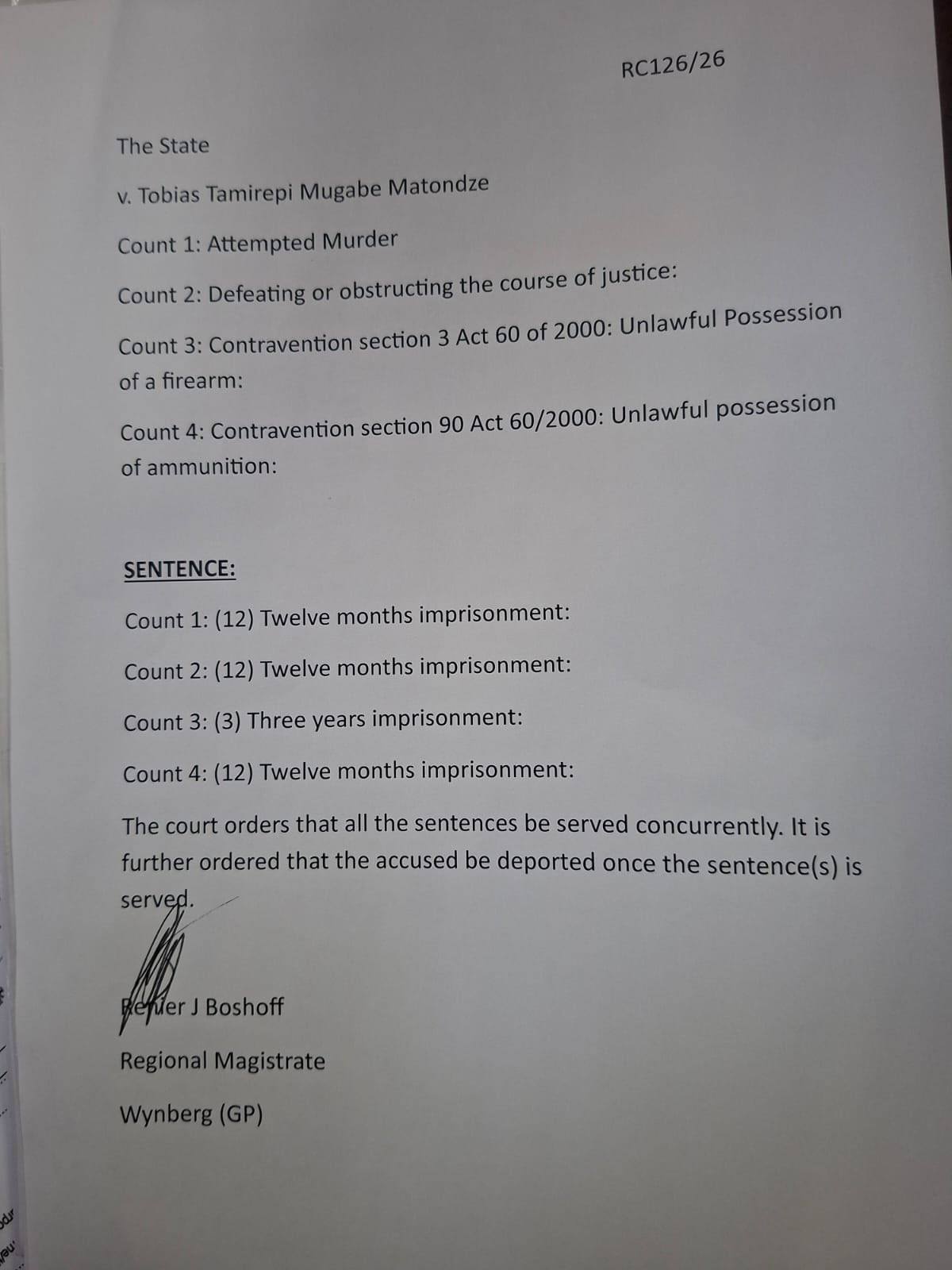
A Johannesburg court has ordered the immediate deportation of Bellarmine Chatunga Mugabe after convicting him of firearm and immigration offences.
He was fined R600,000, with the option of prison time if he fails to pay, and will be sent back to Zimbabwe.
His cousin, Tobias Matonhodze, has been sentenced to three years in prison after being found guilty of attempted murder, defeating the ends of justice, and unlawful possession of a firearm and ammunition.
More details to follow.

Chipinge Bids Farewell to Respected Chief Mapungwana

Minister Mavetera Issues Stark Digital Warning

Govt to Roll Out AI Grand Challenge to Boost Zimbabwe’s Tech Industry

Operation restore order

Masasi High School Abuse Scandal Sparks Public Outcry

Kuwadzana Man Jailed for Reckless Driving and Driving Without a Licence
-
 Current Affairs6 months ago
Operation restore order
-
 Crime and Courts7 months ago
Masasi High School Abuse Scandal Sparks Public Outcry
-
 Crime and Courts7 months ago
Kuwadzana Man Jailed for Reckless Driving and Driving Without a Licence
-

 Current Affairs9 months ago
Breaking: ZIMSEC June 2025 Exam Results Now Available Online
-
 Current Affairs8 months ago
Munhumutapa Day: Zimbabwe’s Newest Public Holiday Set for Annual Observance
-
 Current Affairs7 months ago
BREAKING NEWS: ZANU PF Director General Ezekiel Zabanyana Fired
-

 Current Affairs8 months ago
No Racism in Our Cricket: Government
-

 World News7 months ago
Burkina Faso Reaps $18 Billion in Gold Revenue Under Ibrahim Traoré’s Leadership