
Current Affairs
WFP Delegation Meets with Ministry Officials to Advance Youth Empowerment Agenda

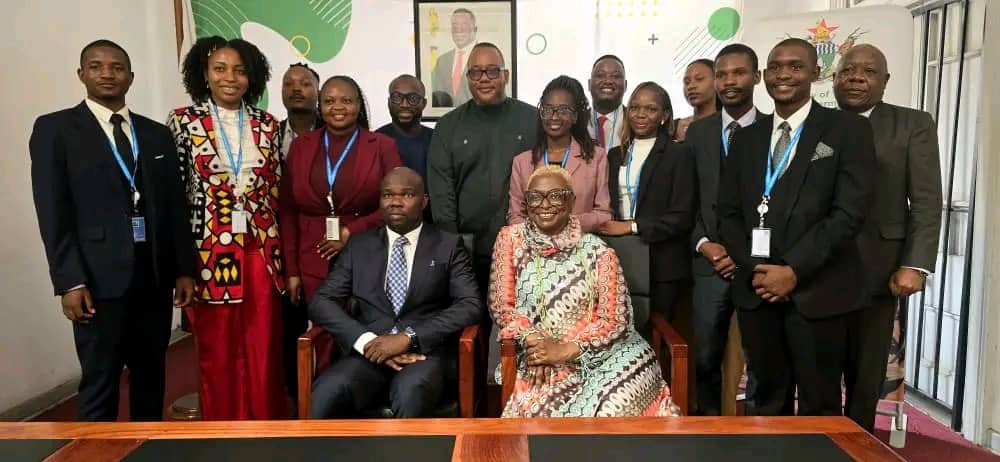
Everisto Zhuwao
Representatives from the World Food Programme (WFP) Zimbabwe convened with government officials at the Old Parliament Building yesterday to chart a path forward for national youth development.
The high-level courtesy call featured discussions between the WFP delegation and the Minister of Youth Empowerment, Development and Vocational Training, Hon. T. Machakaire, alongside Deputy Minister Hon. K. Mupamhanga. The primary objective of the meeting was to identify strategic areas of cooperation and accelerate the operationalisation of the Youth Empowerment Strategy, which was officially launched in 2025.
Central to the dialogue was the rollout of several targeted programmes designed by the WFP to foster sustainable livelihoods and economic resilience among the country’s youth population. By aligning international expertise with the government’s existing policy framework, the parties aim to translate the 2025 strategy into tangible outcomes.
“The focus is on creating concrete pathways for youth involvement in the broader food security and development landscape,” said a spokesperson close to the proceedings.
While specific details of the upcoming programmes remain in the developmental phase, the meeting underscored a unified commitment to the government’s “Youth Agenda for Transformation.” Both the Ministry and the WFP delegation emphasised that investing in youth potential is a vital component of securing the nation’s economic future.
The meeting also served as a platform to coordinate efforts with key local stakeholders, including the Zimbabwe Youth Council and EmpowerBank Zimbabwe, to ensure that the planned initiatives effectively reach their intended beneficiaries.
As the WFP and the Ministry move toward the implementation phase, the collaboration is expected to provide much-needed support for vocational training and entrepreneurial opportunities, marking a significant step in the ongoing effort to place youth empowerment at the centre of Zimbabwe’s national development goals.

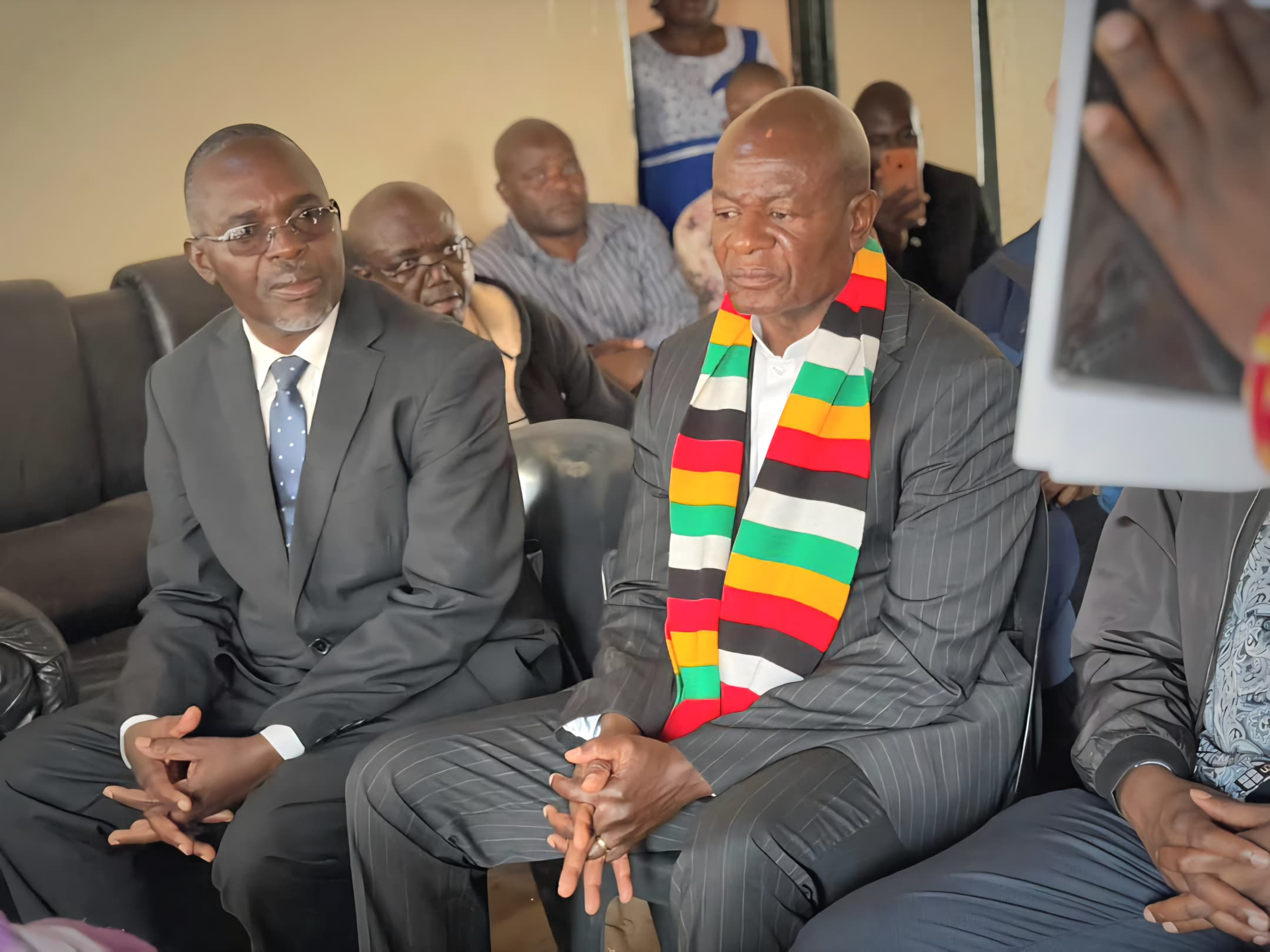
President Emmerson Mnangagwa has conveyed his deepest condolences following the death of Senator Chief Mapungwana, with Government describing the late traditional leader as a towering custodian of culture, unity and rural development.
The President’s message was delivered on Wednesday by Daniel Garwe during the burial ceremony held in Chief Mapungwana’s area in Chipinge, where hundreds of mourners gathered to bid farewell to one of Manicaland’s most respected chiefs.
Garwe said the nation had lost a distinguished leader whose influence stretched beyond Zimbabwe’s borders into neighbouring Mozambique.
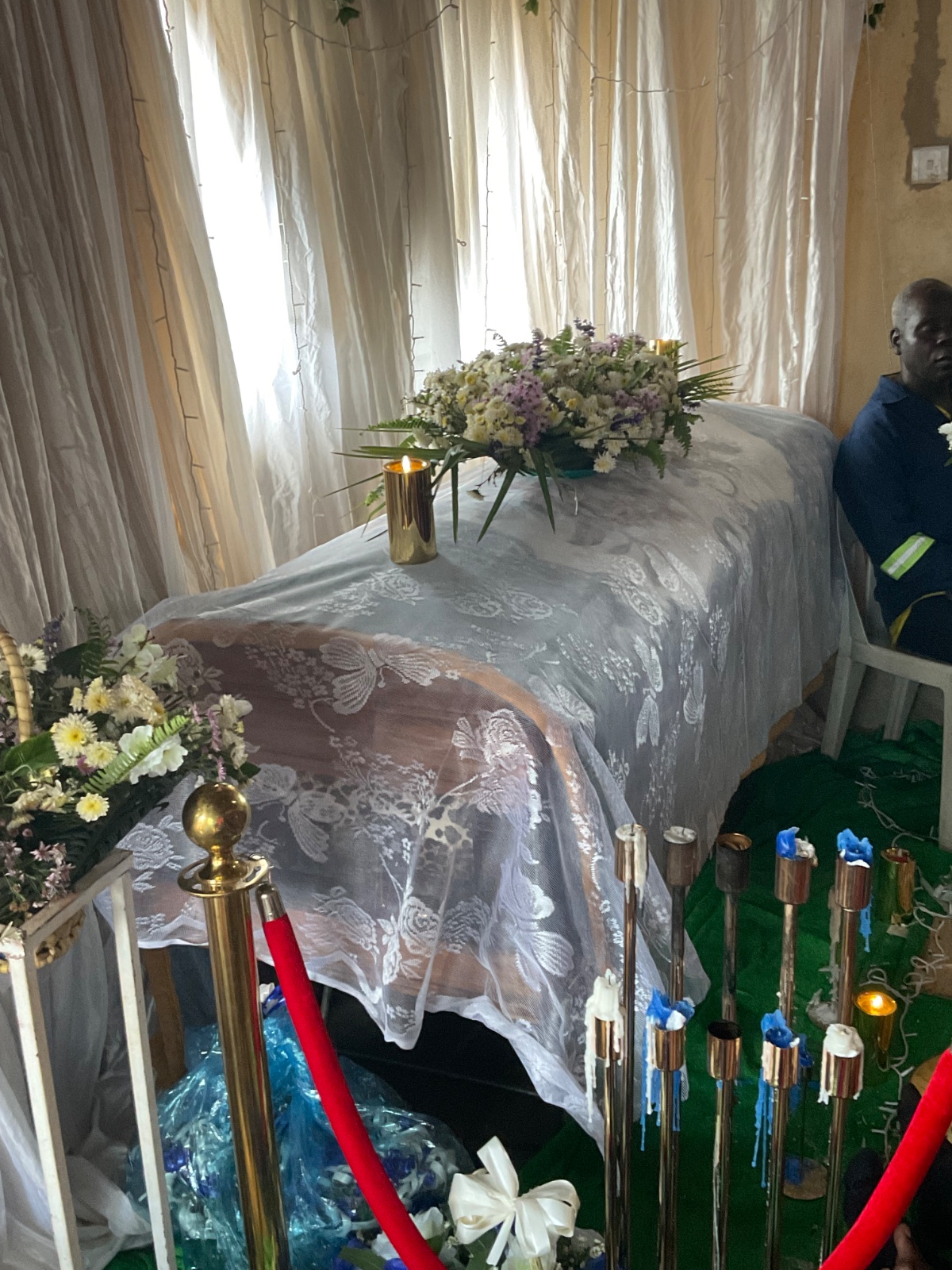
“It is with a deep sense of shock and sorrow that I stand before you today, on behalf of His Excellency the President, to mourn the departure from amongst us of the custodian of our culture and heritage,” said Garwe.
The solemn ceremony drew senior Government officials and traditional leaders, including Deputy Minister Albert Mavunga, National Council of Chiefs President Chief Mtshane Khumalo, and Senate Deputy President Mike Nyambuya.
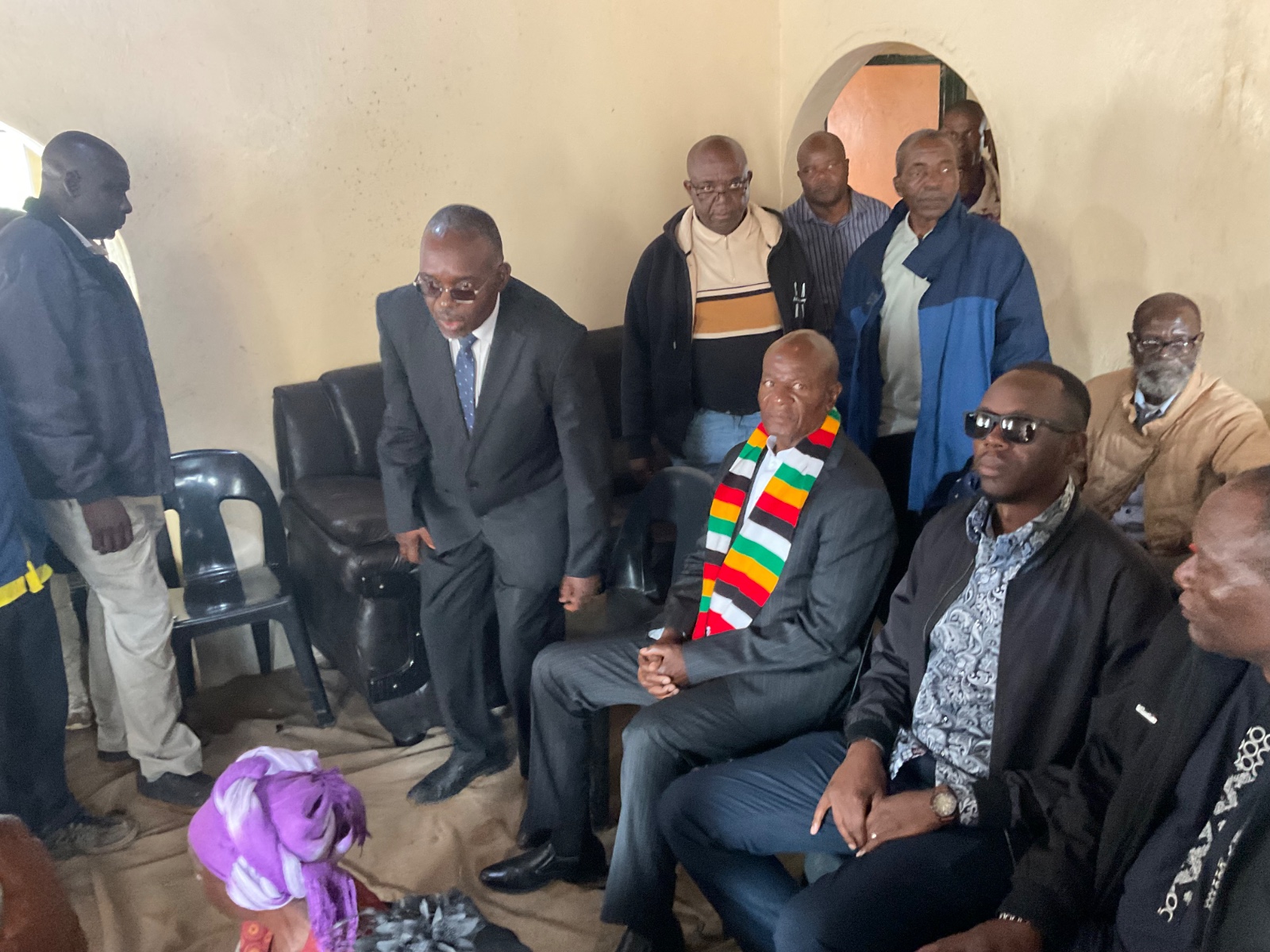
Born on 27 October 1966, Chief Mapungwana was installed as substantive chief on 8 October 2007 and served his people for 18 years. Before ascending to the throne, he worked as a teacher for five years before joining the private security sector.
ALSO READ: Minister Daniel Garwe Emphasises Service Delivery and Development Agenda
Garwe said the late chief’s reign was defined by loyalty to his people and commitment to national progress.
Since his appointment, Chief Mapungwana served in the Manicaland Provincial Chiefs’ Assembly, the National Council of Chiefs and the Senate of Zimbabwe. From 2023 until his death, he chaired the Manicaland Provincial Chiefs’ Assembly.
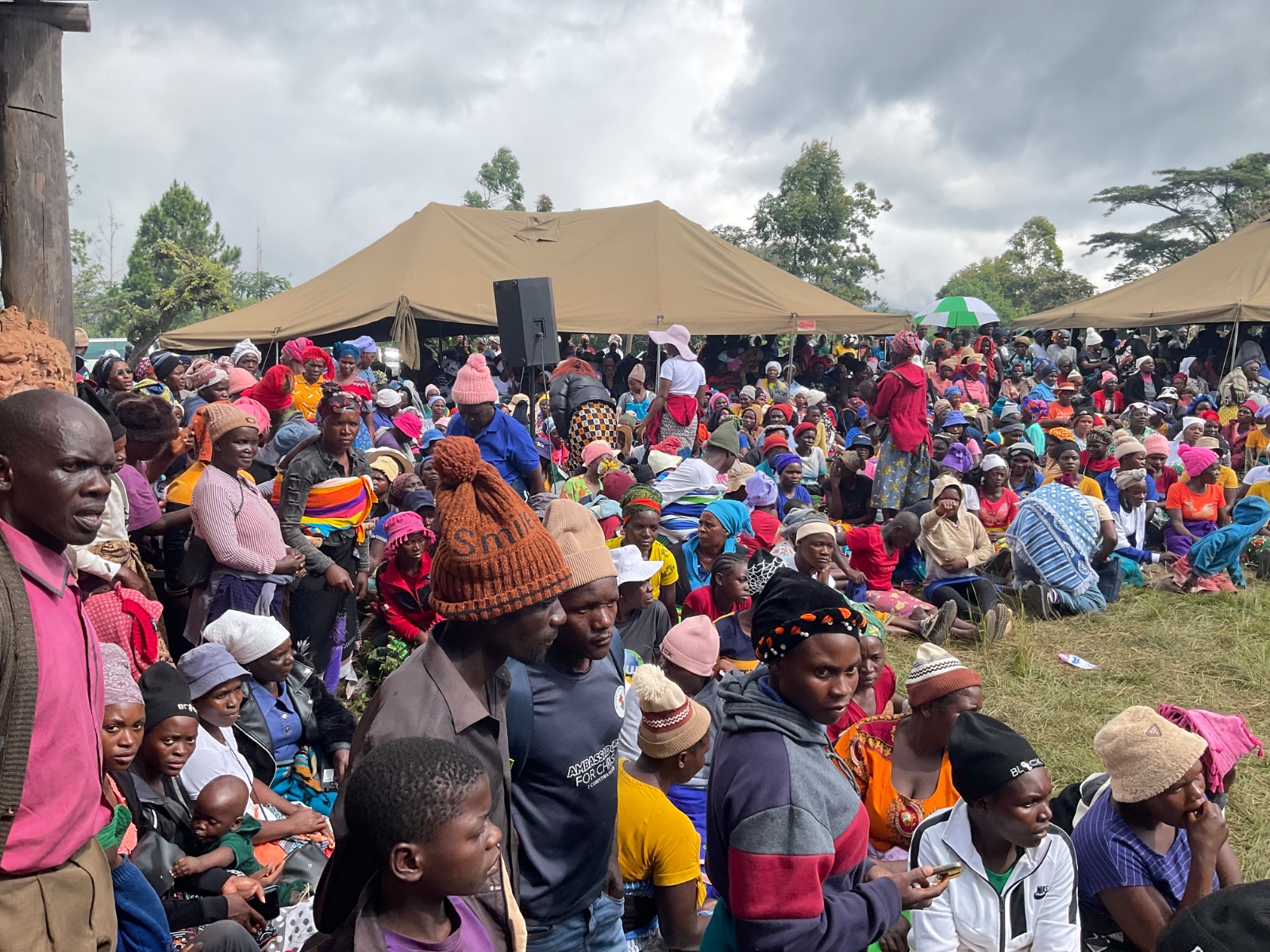
“The late Chief understood development through supporting Government programmes. He was a father figure to the Mapungwana community who facilitated strong linkages between his people and Government,” Garwe said.
He added that the chief remained active in national affairs until his final days, having attended the 2026 Independence Celebrations in Maphisa.
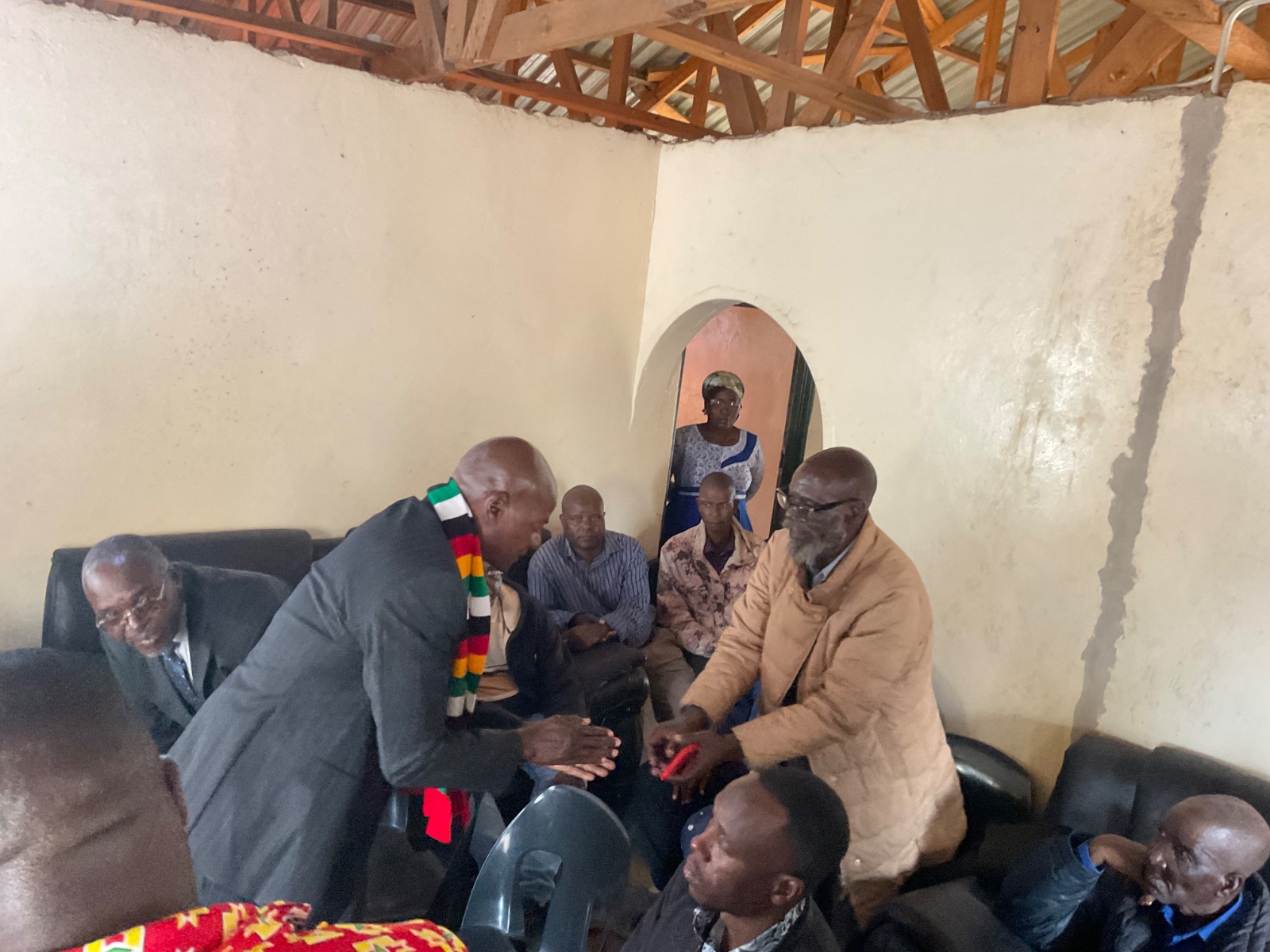
Government reiterated its commitment to honouring traditional leaders for their role in preserving heritage, promoting unity and driving grassroots development.
Chief Mapungwana is survived by two wives, five children and four grandchildren.
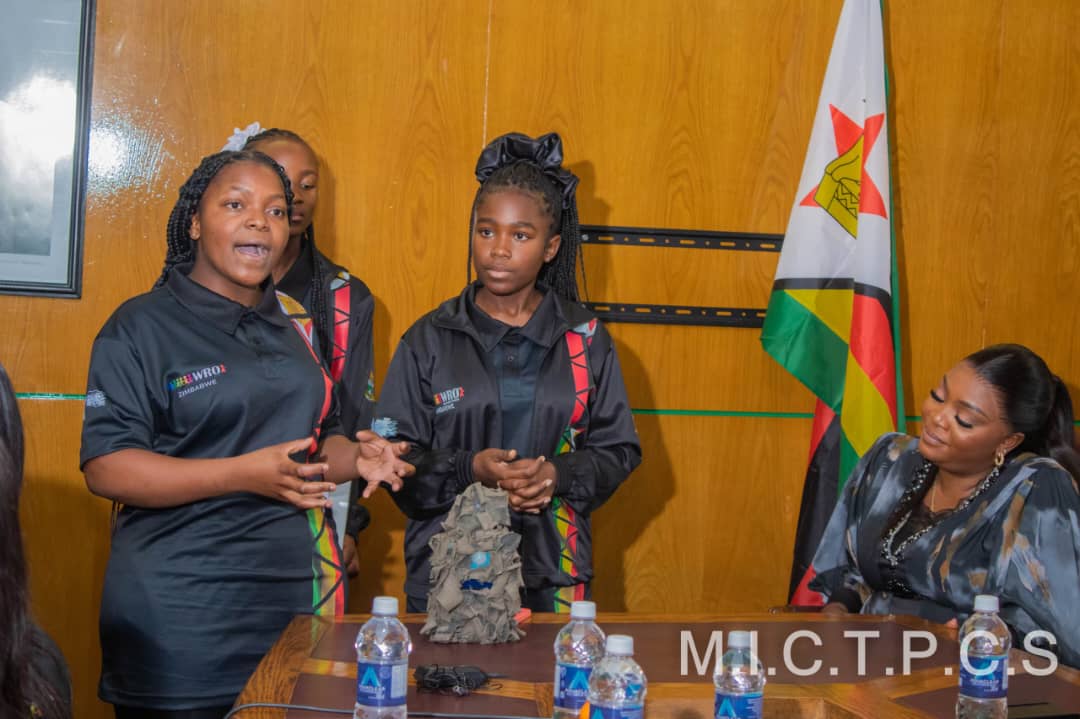
Zimbabwe will launch an Artificial Intelligence (AI) Grand Challenge within the next month as part of a new national strategy aimed at driving innovation, building local capacity, and positioning the country as a competitive player in the global digital economy.
Minister of Information Communication Technology, Postal and Courier Services Tatenda Mavetera announced on Tuesday during the Post-Cabinet Briefing in Harare.
She said the initiative is expected to open opportunities for startups and innovators to develop solutions aligned with national priorities and economic needs.
“This first initiative will allow various startups to come in with applications and developments around the AI strategy,” Mavetera said.
The programme comes as countries around the world ramp up investment in AI to accelerate economic growth, improve efficiency, and modernise public services, with Zimbabwe seeking to harness its own talent for inclusive development.
“Our AI strategy is premised on six pillars,” Mavetera said.
ALSO READ: Minister Mavetera Urges Zimbabwe to Embrace AI for Economic Growth
One of the key pillars focuses on strengthening AI infrastructure, including expanding computing capacity and improving access to critical technologies such as graphics processing units (GPUs), which are essential for developing advanced AI systems.
“We need to advance our digital infrastructure, work on our GPU capacity, and also improve access to our computing facilities,” she said.
Another pillar centres on skills development, with the government building on existing programmes designed to equip citizens with digital and AI-related competencies. Authorities say these initiatives will help unlock local talent and ensure broad participation in the digital economy.
“We have a number of programmes, including the 1.5 million programme and the Digital Ambassadors Programme, to make sure that we train our citizens in AI skills,” Mavetera said.
The strategy also prioritises AI collaboration and diplomacy, with Zimbabwe seeking to partner with countries that have made significant advances in the field in order to accelerate knowledge transfer and capacity building.
“That pillar is going to strengthen our capacity as a country by fostering collaborations and working together with other countries that have already made significant progress in AI development,” she said.
Mavetera said the government aims to develop ethical and locally relevant AI systems that reflect Zimbabwe’s values and socio-economic context while remaining globally competitive.
“We need to learn from AI-first countries and come up with our own ethical guidance to make sure that the AI we develop is locally made and reflects our own characteristics,” she said.
Governance is another cornerstone of the strategy, aimed at ensuring Zimbabwe transitions from being primarily a consumer of AI technologies to becoming a producer and innovator in the sector.
“This is going to ensure that we are not only consumers but also producers of AI,” Mavetera said.
The AI Grand Challenge is expected to complement these pillars by providing a platform for practical innovation, helping to translate policy into tangible outcomes while fostering inclusive growth and strengthening Zimbabwe’s position in the evolving global AI landscape.
Current Affairs
JUST IN: Court Orders Immediate Deportation of Bellarmine Chatunga Mugabe After Firearm Conviction

A Johannesburg court has ordered the immediate deportation of Bellarmine Chatunga Mugabe after convicting him of firearm and immigration offences.
He was fined R600,000, with the option of prison time if he fails to pay, and will be sent back to Zimbabwe.
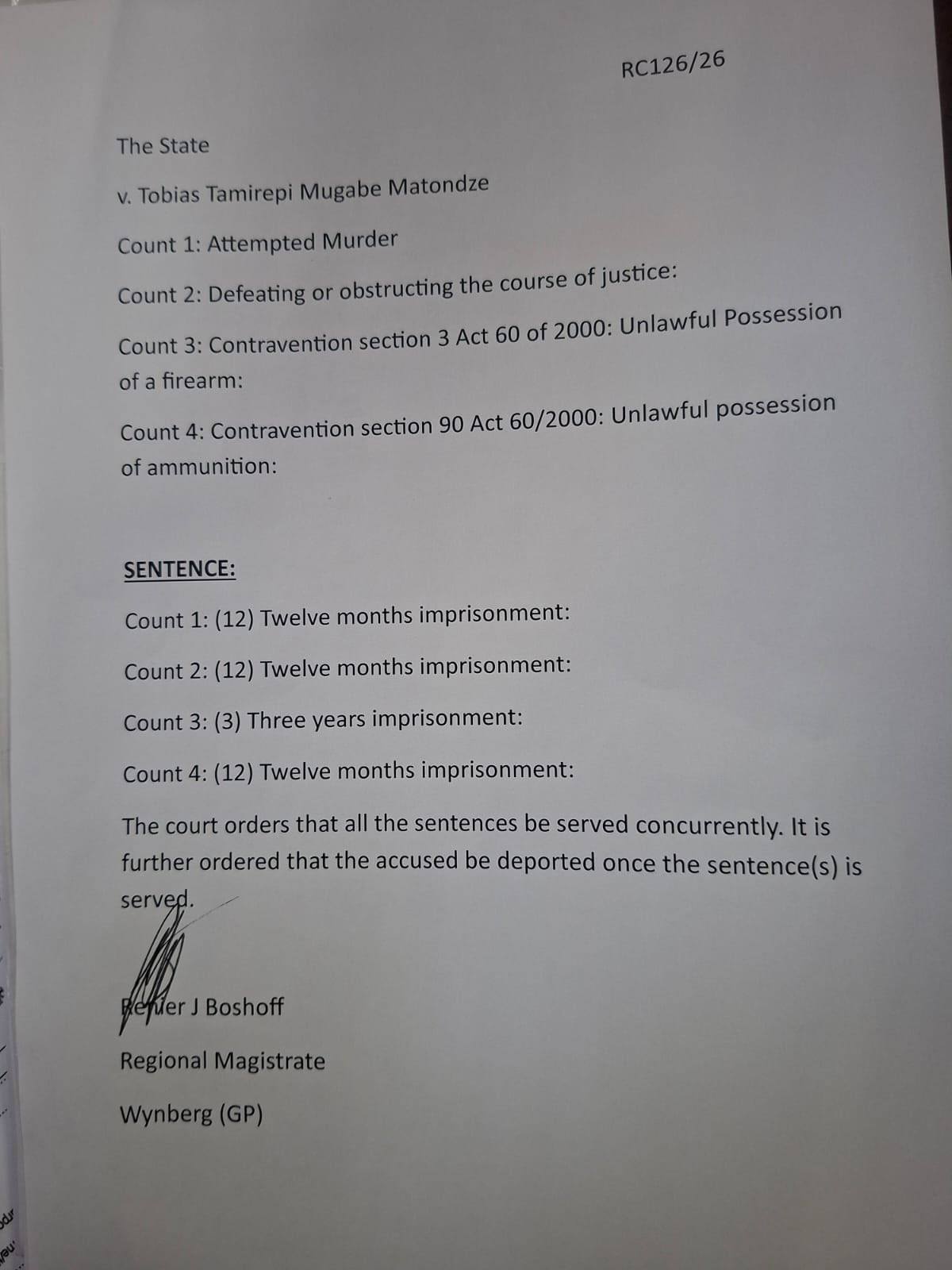
His cousin, Tobias Matonhodze, has been sentenced to three years in prison after being found guilty of attempted murder, defeating the ends of justice, and unlawful possession of a firearm and ammunition.
More details to follow.

Chipinge Bids Farewell to Respected Chief Mapungwana

Minister Mavetera Issues Stark Digital Warning

Govt to Roll Out AI Grand Challenge to Boost Zimbabwe’s Tech Industry

Operation restore order

Masasi High School Abuse Scandal Sparks Public Outcry

Kuwadzana Man Jailed for Reckless Driving and Driving Without a Licence
-
 Current Affairs6 months ago
Operation restore order
-
 Crime and Courts7 months ago
Masasi High School Abuse Scandal Sparks Public Outcry
-
 Crime and Courts7 months ago
Kuwadzana Man Jailed for Reckless Driving and Driving Without a Licence
-

 Current Affairs9 months ago
Breaking: ZIMSEC June 2025 Exam Results Now Available Online
-
 Current Affairs8 months ago
Munhumutapa Day: Zimbabwe’s Newest Public Holiday Set for Annual Observance
-

 Current Affairs7 months ago
BREAKING NEWS: ZANU PF Director General Ezekiel Zabanyana Fired
-

 Current Affairs8 months ago
No Racism in Our Cricket: Government
-

 World News7 months ago
Burkina Faso Reaps $18 Billion in Gold Revenue Under Ibrahim Traoré’s Leadership