
Current Affairs
Transparency Questions Rock Olinda Chapel Over GoFundMe Funds


Public debate is intensifying around UK-based socialite and philanthropist Olinda Chapel following fresh allegations surrounding a fundraising initiative involving social media personality Archiford Chimombe.
The controversy began after claims surfaced that funds raised for Mr Elias Chikwava Baba veSadza through a GoFundMe campaign had not yet been handed over as expected. According to circulating reports, Olinda Chapel and her team were scheduled to release the money, but the process was allegedly halted after accusations emerged that Baba veSadza had stolen a mobile phone, an accusation many Zimbabweans are now questioning.
On social media, critics have described the timing and nature of the allegations as suspicious, suggesting the situation “does not make sense” and may have been fabricated to delay or avoid disbursing the funds. While no official evidence has been presented to support these claims, the issue has sparked widespread speculation and debate.
According to E News Zimbabwe, adding fuel to the controversy are references to a previous fundraising effort reportedly organised by Olinda Chapel around three years ago for a content creator known as Shema TV. It is alleged that more than US$8,000 was raised during that campaign, but the intended beneficiary did not receive the funds. At the time, Olinda Chapel reportedly indicated she was considering redirecting the money to other causes, a move that drew criticism from some members of the public.
Now, with the Baba veSadza matter unfolding, some Zimbabweans are revisiting that earlier case and calling for greater transparency and accountability in online fundraising initiatives. Social media users have urged Olinda Chapel to “do the right thing” and ensure that all funds raised for specific individuals are delivered to their intended recipients.
Despite the growing public scrutiny, neither Olinda Chapel nor her team has issued a detailed response addressing the latest allegations. Similarly, there has been no formal statement clarifying the status of the funds raised for Baba veSadza or the circumstances surrounding the alleged phone theft.
As the situation continues to unfold, many are calling for clear communication from all parties involved to restore public trust. The controversy also highlights broader concerns about the management of crowdfunding campaigns and the need for safeguards to ensure transparency and accountability.
For now, the question remains unresolved: what exactly is happening behind the scenes, and will those who donated see their contributions reach the intended beneficiaries?







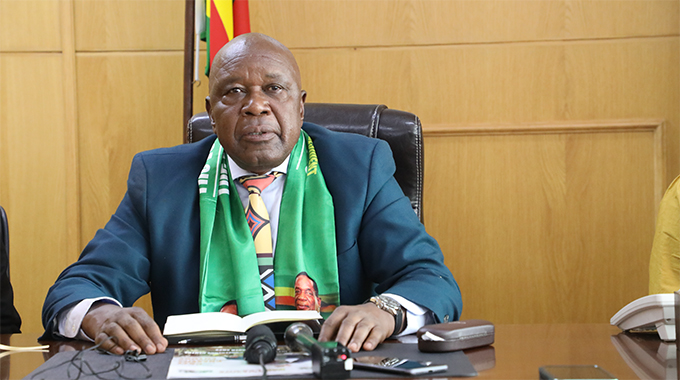
Harare, Zimbabwe – The ruling ZANU PF party is set to hold a crucial Politburo meeting tomorrow, Wednesday, May 6, 2026, at its headquarters in Harare. The high-level gathering is expected to delve into critical party business and undertake a comprehensive review of the nation’s economic landscape, signaling the party’s ongoing commitment to steering Zimbabwe’s development trajectory.
The impending meeting was officially confirmed by the party’s Secretary for Information and Publicity, Cde Christopher Mutsvangwa. In a statement, Cde Mutsvangwa announced, “The Secretary General of ZANU PF, Cde Advocate Jacob Mudenda, advises members of a Politburo meeting to be held this Wednesday, May 06, 2026, at 10:00 hrs. The meeting will be held at ZANU PF headquarters.” All Politburo members have been urged to be seated by 09:45 hrs sharp, underscoring the importance and urgency attached to the deliberations.
The state of the economy is anticipated to dominate much of the Politburo’s discussions. Zimbabwe has recently introduced the new ZiG currency, and its performance, alongside inflation trends, will likely be a key focus. Recent reports indicate that annual ZiG inflation rose to 4.8 percent in April 2026, a slight increase from March but still significantly lower than historical figures, with January 2026 seeing inflation at 4.1 percent, the lowest in three decades. This relative stability, following years of volatility, will undoubtedly be a point of discussion, with the Politburo likely assessing the effectiveness of current monetary policies and potential adjustments.
Also Read: Zimbabwean Politician Job Sikhala Appears in Pretoria Court on Explosives Charges
Furthermore, the country’s economic growth projections for 2026, which range from 5% to an optimistic 8.5%, will be under review. Key sectors such as gold, lithium mining, and agriculture are identified as primary drivers of this growth. The Politburo will likely examine strategies to sustain this momentum, attract further investment, particularly in Special Economic Zones (SEZs), and ensure that economic gains translate into tangible improvements in the livelihoods of ordinary Zimbabweans. Discussions may also touch upon agricultural output, especially given the ongoing rainy season, and its impact on food security and export potential.
Beyond economic matters, the Politburo will address internal party business. This typically includes reviewing the implementation of party resolutions, assessing the performance of various party structures, and strategizing for future political engagements. With the Vision 2030 agenda firmly in sight, the meeting will likely evaluate progress on key infrastructure projects and food security initiatives, which are crucial to achieving the party’s long-term national development goals.
Internal cohesion and discipline are perennial topics within ZANU PF’s highest decision-making body. Any emerging challenges or opportunities within the party ranks, as well as strategies to strengthen its grassroots support, could also feature prominently. The Politburo serves as the ideological compass for the party, and its pronouncements often set the tone for national policy and political discourse.
As members converge tomorrow, the nation will keenly await the outcomes of these deliberations, which are expected to provide clear direction on both the party’s internal affairs and the government’s economic and developmental priorities for the coming months.


Telecel Zimbabwe has been placed on the market as the embattled mobile operator struggles under a debt load exceeding US$240 million, raising the risk of liquidation if no investor is secured.
Business rescue specialists from Grant Thornton have called on interested parties to submit bids for a stake in the company. The move forms part of efforts to help Telecel exit a court-managed rehabilitation process that began in October 2025.
Prospective investors were required to lodge their offers by April 28, 2026. However, full financial details are only accessible to those who sign confidentiality agreements, highlighting the sensitivity of the transaction.
Once a notable competitor in the sector, Telecel Zimbabwe is now facing mounting financial strain. Its subscriber numbers fell sharply to just over 319,000 by mid-2025, reflecting a steady erosion of its customer base.
Its market share has also dwindled to under 2%, leaving it far behind dominant players such as Econet Wireless Zimbabwe and NetOne, which continue to control most of the market.
Network limitations have further weakened Telecel’s competitiveness. The operator has a relatively small number of LTE base stations and has yet to roll out 5G services, putting it at a disadvantage in a market where coverage and speed are key.
Experts say any potential investor would need to inject substantial capital—not only to stabilise the business but also to upgrade and expand its infrastructure.
One asset that still holds some promise is Telecel’s mobile money service, Telecash. However, it faces stiff competition from EcoCash, which dominates the digital payments space.
The company’s situation has also sparked concerns about the broader telecoms landscape in Zimbabwe. Failure to find a buyer could effectively leave the market with only two major operators, reducing competition.
Analysts warn that less competition could impact pricing, service standards and innovation, as rivalry is a key driver of progress in the industry.
Telecel’s difficulties stem from long-standing structural and ownership challenges. Founded in 1998 as a joint venture, the company later became embroiled in disputes linked to Zimbabwe’s indigenisation policies.
In 2015, the government moved to acquire a 60% stake from VimpelCom for US$40 million, though financial constraints delayed completion. The deal was finalised in April 2016 but remained contested by Empowerment Corporation, which held a 40% stake and challenged the transaction.
Following the takeover, the absence of strong foreign investment and technical backing contributed to a gradual decline in service quality and subscriber numbers.
Now, six months into corporate rescue proceedings, the proposed sale represents a last effort to keep the operator afloat. Its future will depend on whether investors see an opportunity for recovery or judge the risks too significant.
The outcome will not only determine the fate of Telecel Zimbabwe but could also reshape competition within the country’s telecommunications sector.
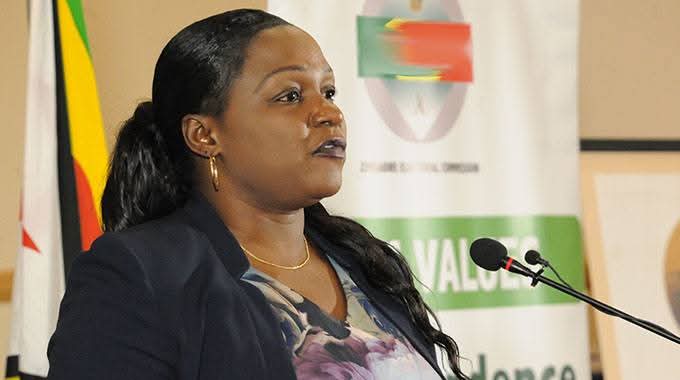
Attorney-General Virginia Mabiza has cautioned that members of Cabinet, including Vice Presidents, are not permitted to publicly contradict Government decisions, stating that those unable to align with official policy should consider stepping down.
Addressing the issue over the weekend, Mabiza pointed to the Constitution, noting that it enshrines the principle of collective responsibility, which requires all members of the Executive to uphold and defend Cabinet resolutions.
“The law is very clear in terms of how Ministers, Deputy Ministers and Cabinet should conduct themselves,” she said.
She referred to Sections 106 and 107 of the Constitution, explaining that Cabinet members answer both individually and collectively to the President.
According to Mabiza, each minister is tasked with managing their portfolio, executing Government policies, and implementing directives issued by the President in accordance with legal and procedural frameworks.
However, she emphasised that Cabinet functions as a unified body, meaning members must publicly support agreed positions, regardless of any private disagreements during deliberations.
“Once Cabinet adopts a policy, every Cabinet member must publicly support and defend it,” Mabiza said.
“If a minister can’t support a Cabinet decision, the obvious option is to resign.”
Mabiza also issued a warning against the disclosure of Cabinet discussions or attempts by members to distance themselves from official positions after decisions have been finalised.
“Discussions stay in Cabinet. A member is not allowed to leak or distance themselves later,” she said.
She further noted that the President holds ultimate authority over Cabinet members, with the power to discipline, reshuffle, demote, or dismiss individuals without dissolving the entire Cabinet.
“The President appoints and may remove ministers at his discretion,” Mabiza said, adding that ministers serve at the President’s pleasure under Section 104 of the Constitution.
Mabiza cited Nkosana Moyo as an example of a minister who chose to resign after determining he could no longer continue in Government.
She also revealed that Government is in the process of crafting legislation aimed at strengthening governance standards, including the introduction of a formal code of conduct for senior officials, in line with Section 106(3) of the Constitution.

Woman loses USD 16k in Facebook car scam

Kadoma Man Arrested After Wife and Pregnant Daughter Killed

ZANU PF Politburo Convenes Amidst Economic Scrutiny and National Development Agenda

Operation restore order

Masasi High School Abuse Scandal Sparks Public Outcry

Kuwadzana Man Jailed for Reckless Driving and Driving Without a Licence
-
 Current Affairs6 months ago
Operation restore order
-
 Crime and Courts7 months ago
Masasi High School Abuse Scandal Sparks Public Outcry
-
 Crime and Courts7 months ago
Kuwadzana Man Jailed for Reckless Driving and Driving Without a Licence
-
 Current Affairs9 months ago
Breaking: ZIMSEC June 2025 Exam Results Now Available Online
-
 Current Affairs8 months ago
Munhumutapa Day: Zimbabwe’s Newest Public Holiday Set for Annual Observance
-
 Current Affairs7 months ago
BREAKING NEWS: ZANU PF Director General Ezekiel Zabanyana Fired
-

 Current Affairs9 months ago
No Racism in Our Cricket: Government
-

 World News7 months ago
Burkina Faso Reaps $18 Billion in Gold Revenue Under Ibrahim Traoré’s Leadership