
Current Affairs
President Mnangagwa pledges US$1million to Ingutsheni Hospital Renovations

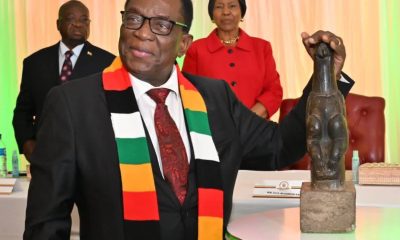
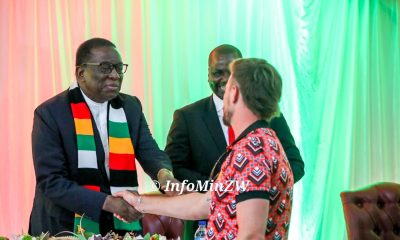
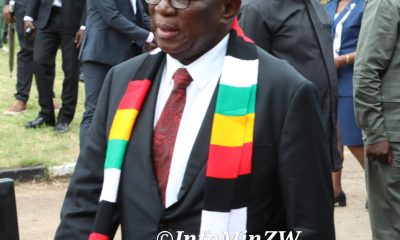
President Emmerson Mnangagwa has pledged US$1 million towards the rehabilitation of Ingutsheni Central Hospital, reinforcing Government efforts to modernise Zimbabwe’s largest mental health institution.
Speaking during a fundraising event held at the Zimbabwe International Trade Fair (ZITF) grounds on Friday, the President announced that the funds would be made available immediately, alongside additional material support for the hospital.
“As the President, I am availing US$1 million and the farm implements requested with immediate effect. In addition, vehicles that need to be repaired should be done at the expense of the President’s Office,” he said.
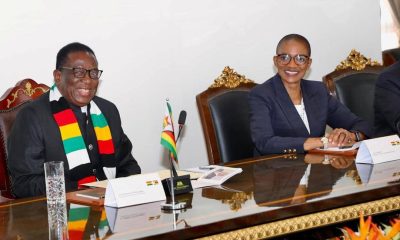
The fundraising initiative, spearheaded by the Office of Vice President Colonel (Rtd) Dr Kembo Campbell Dugish Mohadi in collaboration with the Ministry of Health and Child Care, aims to raise US$5 million for the refurbishment of Ingutsheni Central Hospital and its Drug Rehabilitation Centre.
Vice President Mohadi pledged US$100 000 towards the cause, while several institutions, corporates and individuals also made contributions during the event.
Among the tertiary institutions, the University of Zimbabwe donated US$15 000, the National University of Science and Technology pledged US$15 000, and Great Zimbabwe University contributed US$10 000.
Corporate and organisational pledges included US$20 000 from Safeway Technology, US$10 000 from the Zimbabwe International Trade Fair (ZITF), and US$10 000 from the Zimbabwe Revenue Authority (ZIMRA) Corporate Social Responsibility Fund.
United Bulawayo Hospitals contributed US$10 000, while the Grain Millers Association committed to providing staple food supplies for the hospital until the same period next year.
Businessman Dr Kudakwashe Tagwireyi pledged US$350 000, with Obey Chimuka contributing US$150 000. Finance Minister Professor Mthuli Ncube made a personal donation of US$20 000, while the MHMK Foundation, led by George Manyere, pledged US$20 000.
ZANU PF donated US$100 000, and the Ministry of Defence contributed US$5 000.
Additional support came in various forms, including psycho-social services and human resources from Arise and Shine Community Development, soap and towels from Body Builders for ED, and a tonne of rice alongside a chatbot system for hospital use from Nketa legislator Honourable Mavunga.
Denver Investment pledged a beast for relish as well as a stand donation valued at US$10 000 to be raffled, while the Title Deeds for ED initiative committed scholarships for five children of Ingutsheni patients under an early childhood development programme.
Organisers confirmed that a total of US$2 152 800 has been raised so far towards the US$5 million target.
The rehabilitation programme is expected to improve infrastructure, expand rehabilitation services and enhance mental health care delivery at Ingutsheni Central Hospital, which has served Zimbabweans for more than a century.






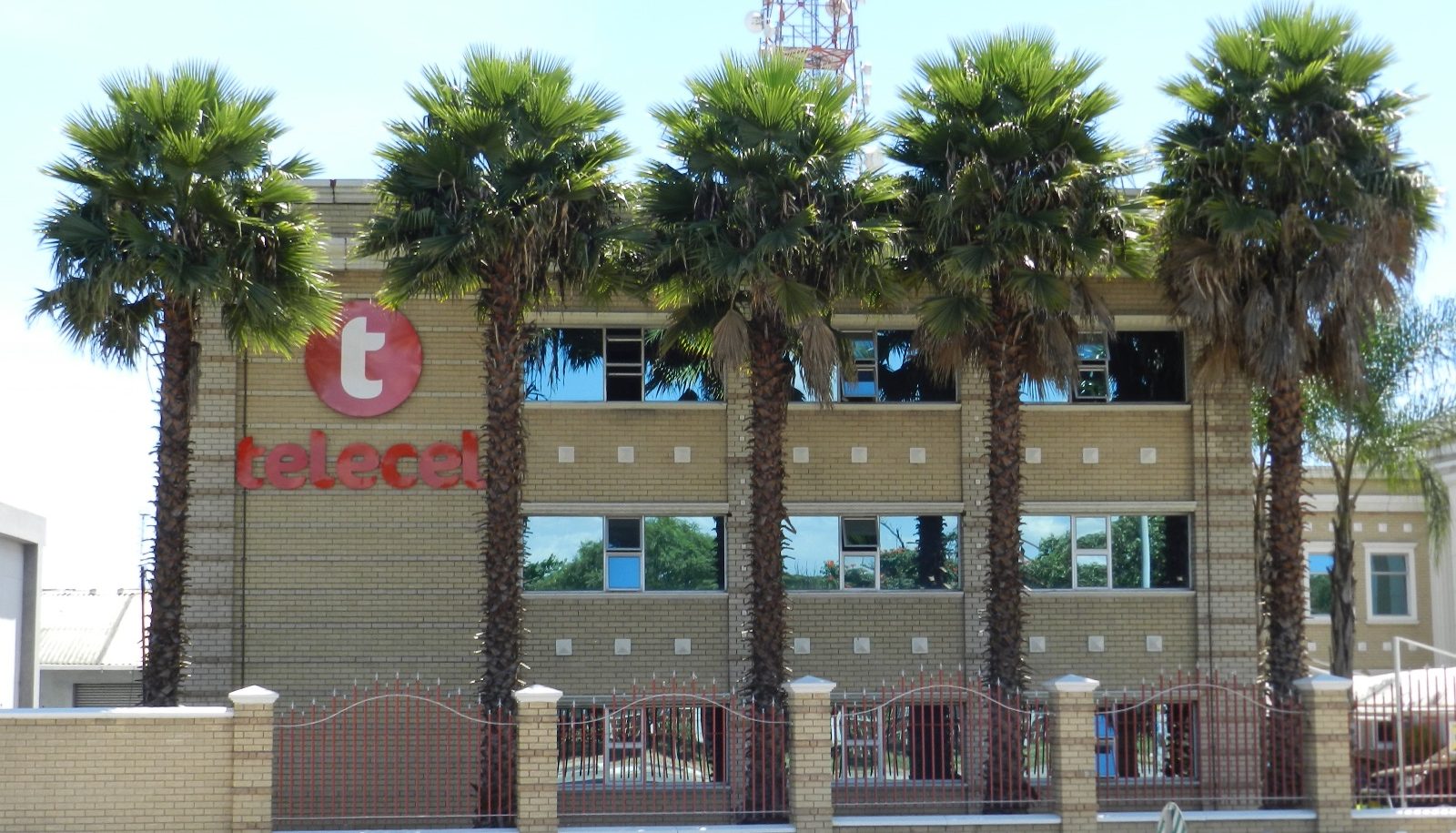
Telecel Zimbabwe has been placed on the market as the embattled mobile operator struggles under a debt load exceeding US$240 million, raising the risk of liquidation if no investor is secured.
Business rescue specialists from Grant Thornton have called on interested parties to submit bids for a stake in the company. The move forms part of efforts to help Telecel exit a court-managed rehabilitation process that began in October 2025.
Prospective investors were required to lodge their offers by April 28, 2026. However, full financial details are only accessible to those who sign confidentiality agreements, highlighting the sensitivity of the transaction.
Once a notable competitor in the sector, Telecel Zimbabwe is now facing mounting financial strain. Its subscriber numbers fell sharply to just over 319,000 by mid-2025, reflecting a steady erosion of its customer base.
Its market share has also dwindled to under 2%, leaving it far behind dominant players such as Econet Wireless Zimbabwe and NetOne, which continue to control most of the market.
Network limitations have further weakened Telecel’s competitiveness. The operator has a relatively small number of LTE base stations and has yet to roll out 5G services, putting it at a disadvantage in a market where coverage and speed are key.
Experts say any potential investor would need to inject substantial capital—not only to stabilise the business but also to upgrade and expand its infrastructure.
One asset that still holds some promise is Telecel’s mobile money service, Telecash. However, it faces stiff competition from EcoCash, which dominates the digital payments space.
The company’s situation has also sparked concerns about the broader telecoms landscape in Zimbabwe. Failure to find a buyer could effectively leave the market with only two major operators, reducing competition.
Analysts warn that less competition could impact pricing, service standards and innovation, as rivalry is a key driver of progress in the industry.
Telecel’s difficulties stem from long-standing structural and ownership challenges. Founded in 1998 as a joint venture, the company later became embroiled in disputes linked to Zimbabwe’s indigenisation policies.
In 2015, the government moved to acquire a 60% stake from VimpelCom for US$40 million, though financial constraints delayed completion. The deal was finalised in April 2016 but remained contested by Empowerment Corporation, which held a 40% stake and challenged the transaction.
Following the takeover, the absence of strong foreign investment and technical backing contributed to a gradual decline in service quality and subscriber numbers.
Now, six months into corporate rescue proceedings, the proposed sale represents a last effort to keep the operator afloat. Its future will depend on whether investors see an opportunity for recovery or judge the risks too significant.
The outcome will not only determine the fate of Telecel Zimbabwe but could also reshape competition within the country’s telecommunications sector.
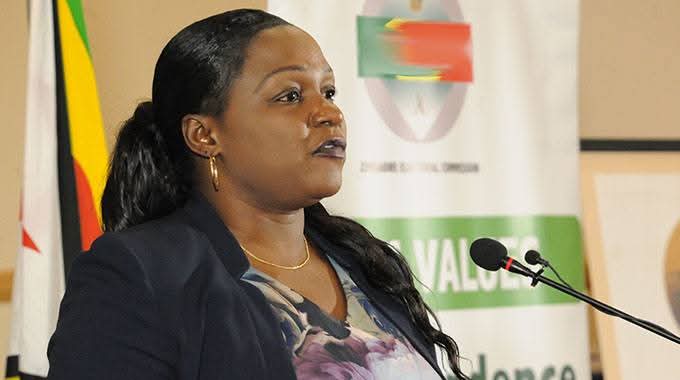
Attorney-General Virginia Mabiza has cautioned that members of Cabinet, including Vice Presidents, are not permitted to publicly contradict Government decisions, stating that those unable to align with official policy should consider stepping down.
Addressing the issue over the weekend, Mabiza pointed to the Constitution, noting that it enshrines the principle of collective responsibility, which requires all members of the Executive to uphold and defend Cabinet resolutions.
“The law is very clear in terms of how Ministers, Deputy Ministers and Cabinet should conduct themselves,” she said.
She referred to Sections 106 and 107 of the Constitution, explaining that Cabinet members answer both individually and collectively to the President.
According to Mabiza, each minister is tasked with managing their portfolio, executing Government policies, and implementing directives issued by the President in accordance with legal and procedural frameworks.
However, she emphasised that Cabinet functions as a unified body, meaning members must publicly support agreed positions, regardless of any private disagreements during deliberations.
“Once Cabinet adopts a policy, every Cabinet member must publicly support and defend it,” Mabiza said.
“If a minister can’t support a Cabinet decision, the obvious option is to resign.”
Mabiza also issued a warning against the disclosure of Cabinet discussions or attempts by members to distance themselves from official positions after decisions have been finalised.
“Discussions stay in Cabinet. A member is not allowed to leak or distance themselves later,” she said.
She further noted that the President holds ultimate authority over Cabinet members, with the power to discipline, reshuffle, demote, or dismiss individuals without dissolving the entire Cabinet.
“The President appoints and may remove ministers at his discretion,” Mabiza said, adding that ministers serve at the President’s pleasure under Section 104 of the Constitution.
Mabiza cited Nkosana Moyo as an example of a minister who chose to resign after determining he could no longer continue in Government.
She also revealed that Government is in the process of crafting legislation aimed at strengthening governance standards, including the introduction of a formal code of conduct for senior officials, in line with Section 106(3) of the Constitution.

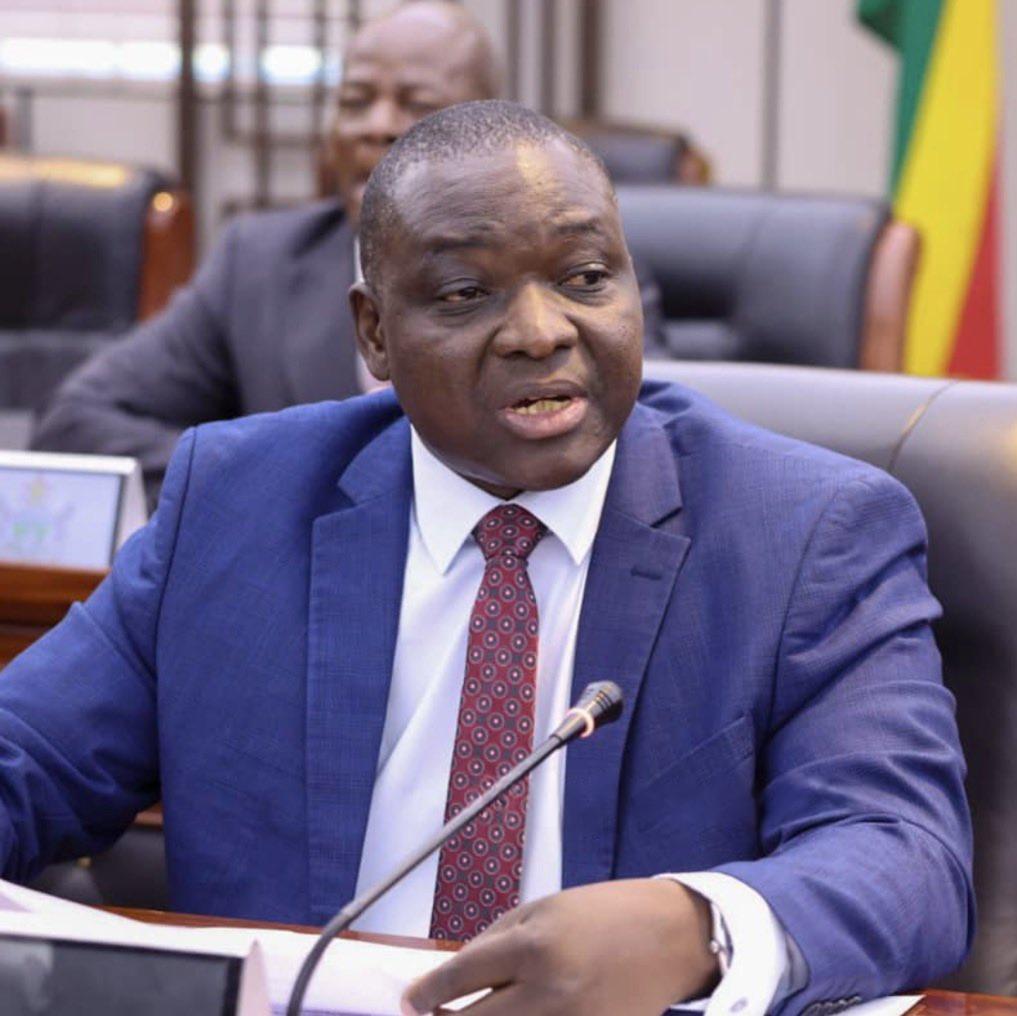
Harare, Zimbabwe – On the occasion of World Press Freedom Day, Hon. Dr. Z. Soda, Minister of Information, Publicity and Broadcasting Services, emphasized the fundamental value of a free, independent, and responsible press as a cornerstone of democratic society. In his statement, Minister Soda highlighted the government’s commitment to fostering an informed citizenry and uniting Zimbabwe through responsible journalism.
Minister Soda pointed to significant advancements in press freedom under the Second Republic, led by His Excellency Dr. E.D. Mnangagwa. These include the enactment of the progressive Freedom of Information Act, the operationalization of the independent Zimbabwe Media Commission, and the licensing of 40 new independent community and commercial radio stations. He stated that these developments have created a transparent environment for information, fostering trust in public institutions and recognizing an informed citizenry as essential for democracy.
Addressing the growing challenges posed by fake news, disinformation, and hyper-realistic manipulated content (deepfakes), Minister Soda issued a stern warning. He asserted that press freedom does not grant license “to lie, to manipulate, or to destroy.” The Minister stressed the ethical responsibility of every journalist, editor, and media house to verify information, correct errors, and reject sensationalism, ensuring that media serves as a vehicle for truth and not disinformation.
To counter the spread of misinformation, the government has initiated a national program to promote Media Literacy. This initiative aims to equip citizens with critical thinking skills to evaluate information, identify credible sources, and recognize manipulated content. Minister Soda underscored that media literacy is crucial, as press freedom alone is insufficient without an informed public. He reiterated that an empowered citizenry is the best defense against disinformation, and the program seeks to ensure all Zimbabweans become active, informed, and responsible consumers of media.
Furthermore, Minister Soda emphasized that press freedom should not be an excuse to import or propagate ideas alien to Zimbabwean values, traditions, and way of life. He highlighted the importance of honoring Zimbabwe’s rich cultural practices, including respect for elders, communal spirit, Ubuntu, languages, and heritage. He affirmed that the media has a sacred duty to be a custodian of Zimbabwean culture, telling national stories and celebrating heroes, while offering constructive critique rooted in love for the nation.
In closing, Minister Soda reiterated the Ministry of Information, Publicity and Broadcasting Services’ role as a partner, not an adversary, in building a better Zimbabwe. He encouraged all media workers, from veterans to rookies, to collaborate constructively and ensure that the nation remains unified. “Your work matters. Your freedom is precious. Protect it, and use it well,” he concluded, reinforcing the government’s dedication to a vibrant and responsible media landscape.

Zimbabwean Politician Job Sikhala Appears in Pretoria Court on Explosives Charges

Struggling Telecel Seeks Investor to Avoid Collapse

Court Orders Woman to Refund US$2,500 After DNA Test Twist

Operation restore order

Masasi High School Abuse Scandal Sparks Public Outcry

Kuwadzana Man Jailed for Reckless Driving and Driving Without a Licence
-
 Current Affairs6 months ago
Operation restore order
-
 Crime and Courts7 months ago
Masasi High School Abuse Scandal Sparks Public Outcry
-
 Crime and Courts7 months ago
Kuwadzana Man Jailed for Reckless Driving and Driving Without a Licence
-
 Current Affairs9 months ago
Breaking: ZIMSEC June 2025 Exam Results Now Available Online
-
 Current Affairs8 months ago
Munhumutapa Day: Zimbabwe’s Newest Public Holiday Set for Annual Observance
-
 Current Affairs7 months ago
BREAKING NEWS: ZANU PF Director General Ezekiel Zabanyana Fired
-
 Current Affairs9 months ago
No Racism in Our Cricket: Government
-
 World News7 months ago
Burkina Faso Reaps $18 Billion in Gold Revenue Under Ibrahim Traoré’s Leadership