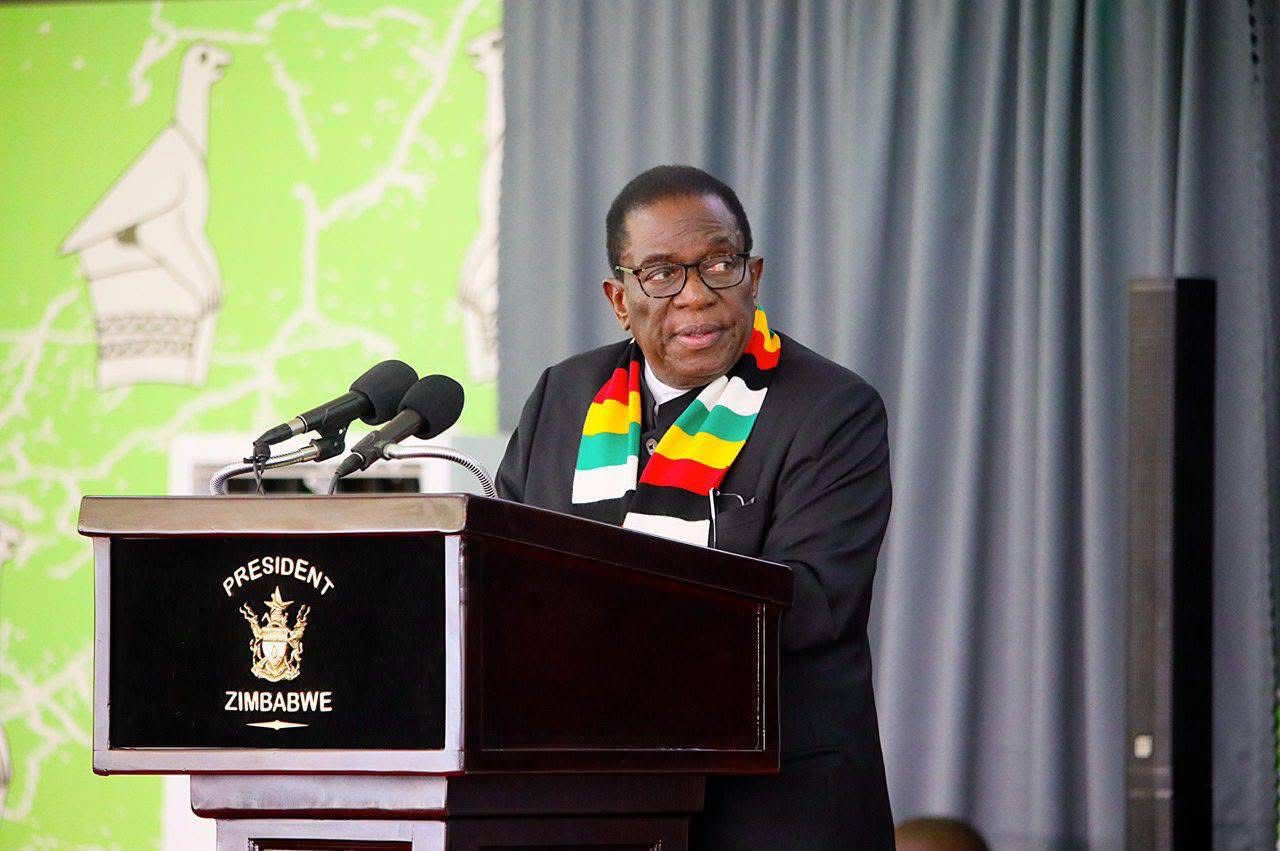
President Emmerson Mnangagwa has asserted that the recent constitutional amendments, which extend Zimbabwe’s electoral cycle and alter the method of electing future presidents, are not a product of his personal ambition but rather a “collective evolution” of the nation’s political system. His remarks come in the wake of significant public debate following the gazetting of the Constitution of Zimbabwe Amendment Act No. 3 of 2026.
📰 For this and more exclusive stories, read our weekly digital print edition.
Read E-PaperThe new legislation extends the presidential and parliamentary electoral cycle from five to seven years, effectively postponing the next general elections from 2028 to 2030. Additionally, it replaces direct presidential elections with a parliamentary system for future presidential selections and expands the Senate from 80 to 90 members, with 10 appointed by the President .
During an interview with senior State media journalists at State House in Harare, President Mnangagwa firmly rejected suggestions that these constitutional changes were driven by his individual interests or those of a particular faction within the ruling ZANU-PF party. “At the end of the day, it wasn’t an idea of an individual. It’s the collective evolution of our political system,” Mnangagwa stated . He further elaborated, “You cannot attribute this to a particular individual or group of persons, but a collective evolution of the political process.” The President emphasized his belief that major national decisions should be made collectively, asserting, “Generally, I believe that whatever we do, it must be a collective decision. I carry my Cabinet and the country on whatever decision we make” .
Indeed, the push for these amendments appears to have originated from within the ZANU-PF party. Reports indicate that ZANU-PF resolved to initiate the constitutional amendment process to extend the President’s term as early as October 2025, with delegates at the party’s annual conference instructing the government to draft the necessary legislation . This suggests a party-driven initiative rather than a singular presidential directive, aligning with Mnangagwa’s narrative of a collective decision-making process.
Despite the government’s stance, Constitutional Amendment No. 3 has generated considerable public discussion and criticism. Critics argue that some provisions of the amendment should have been subjected to a national referendum, and several organizations and legal practitioners are reportedly preparing constitutional challenges against the new law . However, the government maintains that the amendments are designed to strengthen governance and enhance the functionality of state institutions .
President Mnangagwa concluded the interview by expressing satisfaction with Zimbabwe’s development trajectory and commending citizens for their commitment to national progress. “To be honest, I feel that I am privileged as President of this country, because wherever I go, you find that our people, at every level, are committed to developing the country,” he remarked, adding, “What else would you want as a leader? I feel very proud. I can sleep comfortably with the type of country I lead” .