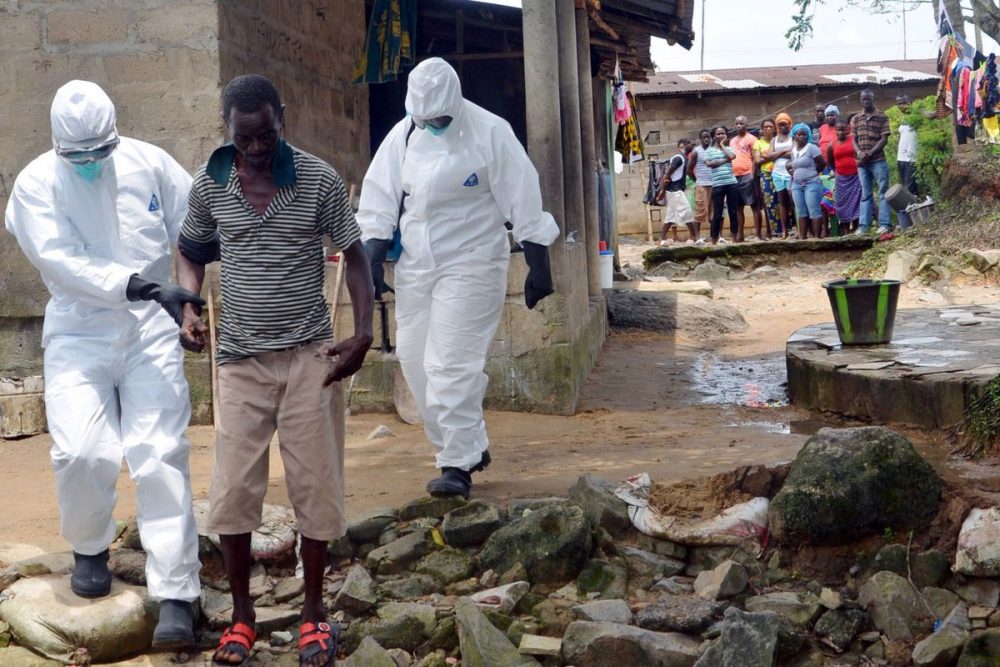
A serious Ebola outbreak in the Democratic Republic of Congo (DRC) has reportedly resulted in 131 deaths, prompting the World Health Organisation (WHO) to raise international concern over the rapidly spreading disease.
Reports indicate that authorities are monitoring more than 543 suspected infections, with 33 cases officially confirmed. Two confirmed infections have also been detected in neighbouring Uganda, increasing fears of cross-border transmission.
Health officials say the outbreak is linked to the rare Bundibugyo strain of Ebola, for which there is currently no approved vaccine or targeted treatment.
WHO Director-General Tedros Adhanom Ghebreyesus expressed concern over the growing crisis, warning about the fast spread and increasing scale of the outbreak.
The epidemic is mainly affecting eastern DRC, where years of armed conflict and weakened healthcare systems are complicating efforts to trace infections and contain the virus.
Ebola is a severe and often fatal viral illness transmitted through direct contact with infected bodily fluids. Common symptoms include high fever, intense headaches, vomiting, diarrhoea, weakness and, in some cases, internal bleeding.
Medical experts say early treatment, proper hydration and isolation can improve survival chances, but response teams continue to face challenges due to insecurity in affected areas and limited testing resources.