📲 Join our WhatsApp Channel for Breaking News!
Follow on WhatsAppSpecialists want Zimbabwe to restore kidney transplants, bringing surgery and follow-up care closer to families who face thousands of dollars in overseas treatment and travel costs.
📰 For this and more exclusive stories, read our weekly digital print edition.
Read E-PaperThree times a week, Ashton Gwerume undergoes dialysis. His medical aid covers the sessions, but when his family looked into a kidney transplant in India, they faced a US$32,000 bill for surgery, flights, accommodation and food.
Ashton had been living with kidney disease for four years when his father, Tafirenyika Gwerume, appealed for help. For the family, the possibility of a transplant in Zimbabwe would mean facing fewer costs before Ashton could even enter a hospital.
“I wish it could be done locally and more cheaply so that the expenses are reduced,” Gwerume said.
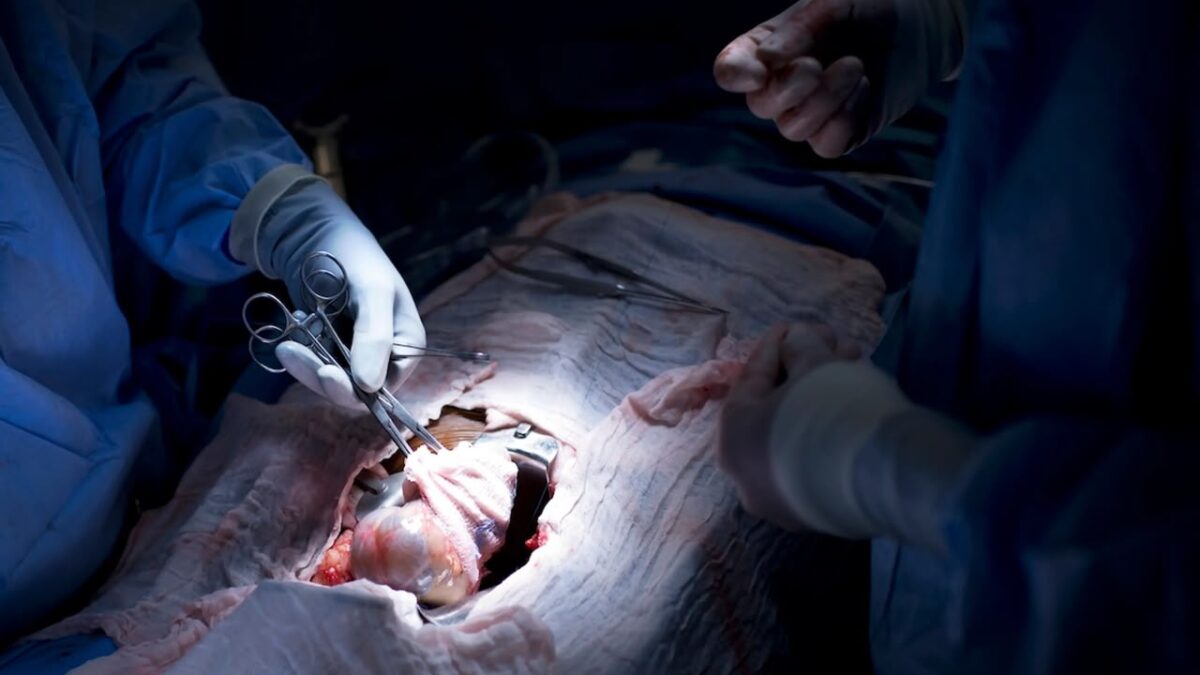
Zimbabwean specialists are examining how to revive local kidney transplantation, drawing on the country’s experience of performing the operations in the 1990s. The proposal could widen access for eligible patients, reduce spending on overseas referrals and give families a place to turn for follow-up care after surgery. A launch date and funding commitments remain unconfirmed.
Dr Obadiah Moyo, executive chairman and renal specialist adviser at Zimbabwe Kidney Foundation Renal Services, said local transplantation could reduce the long-term cost of treating kidney failure and improve patients’ quality of life.
“It is a more appropriate renal treatment for introduction in Zimbabwe to save foreign currency,” Dr Moyo said.
His review cites a study that estimated annual costs of US$11,426 per transplant patient, compared with US$27,007 for peritoneal dialysis and US$37,395 for haemodialysis. The figures illustrate the potential long-term savings. Zimbabwe would need to establish its own costs for donor screening, surgery, laboratory tests, medication and follow-up.
Senior urologist Dr Daud Dube estimated that the US$60,000 to US$80,000 spent on one overseas referral could fund three transplants locally. If local costs bear out that estimate, public funds currently used to send a small number of patients abroad could cover more operations in Zimbabwe. The programme’s reach would also depend on how much of the bill was covered by Government or medical aid and how much families had to pay themselves.
For patients, the benefits would extend beyond the cost of surgery. Dialysis several times a week can shape when someone works, attends school or looks after their children. For a patient whose transplanted kidney works well, freedom from routine dialysis can mean more time in class, more flexibility at work and fewer days spent travelling for treatment. Relatives who accompany patients could also spend less on transport and take fewer days off work.
Dialysis would remain essential for people awaiting a suitable donor and for patients who cannot undergo a transplant.
A local programme could ease some pressure on dialysis units as eligible patients receive transplants and recover. That could free up some treatment slots over time, particularly at facilities where machines serve several patients each day.
The biggest test would come after surgery. Transplant recipients need daily anti-rejection medicines and regular blood tests to check how well the new kidney is working.
Dr Dube has proposed a dedicated transplant clinic, a protected budget for medicines and training partnerships with experienced transplant centres abroad.
For patients outside Harare, practical access would also depend on whether they could collect medicines and have routine tests closer to home.
Building the service would involve more than equipping an operating theatre. It would require teams that can assess patients, screen and protect living donors, test whether kidneys are compatible and respond quickly to complications. Specialists have also proposed a national renal registry to help Zimbabwe track how many people need treatment, where they live and how patients fare after surgery.
For the Gwerume family, the immediate hurdle remains what it costs to get Ashton to India. A Zimbabwean transplant programme could change that calculation for families in the same position, provided they can afford the assessments, the operation and the medicines that keep a transplanted kidney working.
Get instant news updates delivered straight to your WhatsApp.