Connect with us

Entertainment

Manhanga Matete: A Rhythmic Mirror Reflects Zimbabwe’s Double Life

Published

on

By Fanuel Tafadzwa Gondo

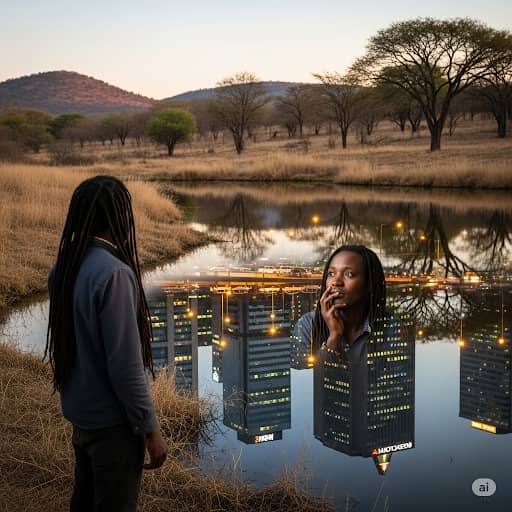
HARARE – The beat drops, and an undeniable energy ripples through the room. Whether it’s the packed aisles of a supermarket, a bustling kombi, or a wedding reception, the rhythm is the same—infectious, traditional, and impossible to ignore. A song titled “Manhanga Matete,” which translates to “unripe pumpkins,” has become more than just a dance anthem; it is a cultural phenomenon, a mirror held up to Zimbabwe’s soul, reflecting a truth many have tried to bury: the enduring power of Chivanhu in a seemingly modern society.

The song’s title is a metaphorical nod to ancestral wisdom and traditional knowledge, often hidden or overlooked. Yet, its popularity is not confined to those who openly embrace African traditions. The song has become a staple at events and on playlists of people who, in public, espouse Western religious values or a secular, cosmopolitan lifestyle. This disconnect is where the story of “Manhanga Matete” truly begins.

The duality we see today is a direct legacy of colonial and missionary influences. As the scholar Dr. Rino Zhuwarara observed in his work on Zimbabwean literature, the colonial project “saw our spirituality as a practice that was surface and superficial, that failed to reach and transform the inner person within.” This systematic campaign to dismantle indigenous spiritual systems aimed to sever people’s connection to sacred ancestral sites and traditions. Missionary schools and churches actively demonized traditional practices, equating Chivanhu with savagery and ignorance to accelerate conversion. The result was a generation taught to be ashamed of their heritage, leading to a public suppression of indigenous beliefs.

However, as cultural critic Dr. Tafataona Mahoso has argued, this suppression never fully succeeded. Mahoso’s work often highlights how African spirituality, while attacked, found ways to endure beneath the surface of modern life. A significant number of Zimbabweans, despite identifying with a Christian denomination, also believe in and consult traditional elders for guidance on matters of health, fortune, and family. The use of traditional medicines derived from trees, fruits, and roots remains a widespread practice, even among those who publicly attend Western-style churches. This demonstrates that the public face of modernity often masks a private adherence to tradition.

The “Manhanga Matete” phenomenon goes beyond mere hypocrisy; it points to a deep-seated identity crisis. The song’s true power lies in its poignant lyrics, which offer a subtle yet profound cry for help rooted in traditional cosmology. The line “Manhanga matete todya maruva” (“the pumpkins are unripe and we’re eating flowers”) speaks volumes. It’s a powerful metaphor for a state of suffering and scarcity, where people are forced to consume the immature and unfulfilling, a cry of desperation when the expected harvest has failed. This is followed by the evocative appeal to “Mhondoro Dzemapako” (“Lion Spirits of the Caves”), a direct address to powerful ancestral spirits believed to reside in sacred caves and forests. By calling upon these spiritual guardians, the artist is not merely singing; they are making a spiritual plea, a public lament for a people facing hardship and seeking ancestral intervention.

The song’s widespread success—fueled by social media platforms like TikTok, where dance challenges have gone viral—demonstrates its broad appeal. It has transcended generational divides, drawing in young Zimbabweans who may have grown up with little exposure to traditional rituals but are instinctively connecting with the song’s resonant beat. It is a testament to the idea that some connections are too profound to be erased by cultural indoctrination.

“Manhanga Matete” didn’t ask for permission to enter the national consciousness. It simply arrived, a powerful and honest declaration of cultural identity. It poses a crucial question to a nation grappling with its past and future: How long can people run from their own reflection? The song has become a catalyst for a necessary conversation, a rhythmic call to unlearn the shame and confront the truth of who we are. Perhaps, in dancing to the beat of our ancestors, we are not just celebrating a song but beginning to heal.

Continue Reading
Click to comment

Leave a Reply

Your email address will not be published. Required fields are marked *

Entertainment

Queen Mashie Set for Homecoming Album Launch in Harare

Published

on

Zimbabwean Afro-fusion musician Queen Mashie is preparing for a much-anticipated return home, with plans to launch her new album Rejuvenation in Harare on May 1, 2026.

The France-based artist, who is also the younger sister of late music legend Andy Brown, has built her own reputation on the international scene. While her brother played a key role in shaping Zimbabwe’s urban grooves movement, Queen Mashie has developed a unique sound that blends traditional Zimbabwean elements with global musical styles.

Having spent recent years performing across Europe, she has introduced international audiences to what she describes as the “Zim-Spirit”—a fusion of mbira-inspired sounds, layered rhythms, and contemporary influences such as Afro-pop, soul, and touches of French chanson.

Throughout her career, Queen Mashie has worked with a variety of musicians both locally and internationally, collaborating with bands and producers in cities like Paris and Harare. These experiences have contributed to a sound that crosses cultural and linguistic boundaries.

In addition to her music, she has positioned herself as a cultural ambassador, using her platform to explore themes of identity, love, and resilience. Her multilingual approach—incorporating Shona, English, and occasionally French—allows her to connect with diverse audiences while maintaining strong ties to her Zimbabwean roots.

Her latest project, Rejuvenation, recorded between Paris and Harare, is said to be her most personal work to date. The album reflects her journey as a Zimbabwean artist living abroad while staying closely connected to her heritage.

The launch event will take place at Londoners Public House starting at 8 PM, and is expected to attract both fans and industry players. The lineup will include performances from Diana Samkange, popularly known as “Mangwenya,” as well as Pauline & Nicolar and their band.

Tickets are limited, with general entry priced at US$15 and VIP access at US$20. Attendees will also have the opportunity to purchase the album and take part in an autograph session.

The event marks a significant moment in Queen Mashie’s journey, highlighting her growth as an international performer while celebrating her enduring connection to Zimbabwe.

Continue Reading

Entertainment

NUTTY O CHALLENGES FREEMAN TO STING CLASH

Published

on

Zimdancehall stars Nutty O and Freeman are set for a historic showdown after the former officially challenged the HKD boss to a “Sting-style” clash.

The challenge, which has sent shockwaves through the local music industry, aims to settle the debate over who currently rules the genre. Nutty O, born Carrington Chiwadzwa, made the bold move this week, inviting Freeman to a lyrical battle of hits.

The “Handipere Power” hitmaker clarified that the event would be a “tune-for-tune” exchange rather than a hostile confrontation. This format focuses on trading hit songs back and forth to determine whose catalogue resonates most with the audience.

“I am ready to step on that stage and show the fans what the ABX brand is all about,” Nutty O said. “It is time we give the people a real show of talent and hits.”

Freeman, a veteran with over a decade of dominance in the industry, welcomed the competitive spirit. Supporters of the HKD Boss believe his deep library of street anthems will give him the upper hand in a live environment.

“We have been here for a long time,” a representative from the HKD camp noted. “If the fans want to see the hits, we have them in abundance. We are always ready for the culture.”

The clash is expected to take place in Harare later this year. Promoters are already scouting venues, with many pointing to the City Sports Centre as the ideal location for the high-stakes event.

Music critics say this battle could revitalize Zimdancehall by shifting the focus back to performance and lyrical mastery. Fans are already divided, with social media platforms buzzing as supporters debate which artist has the better “bag” of songs to claim the crown.

Event organisers are expected to release the official date and ticket prices in the coming weeks. For now, the nation waits to see who will emerge as the undisputed king of the stage.

Continue Reading

Entertainment

Zimdancehall Dominance Challenged by Genre Diversity

Published

on

Zimbabwean music fans are currently divided over whether the country remains a “dancehall nation” or if other genres are finally reclaiming the spotlight. This debate follows the recent 2026 National Arts Merit Awards (NAMA), where a variety of genres shared top honours.

While Zimdancehall has long been the dominant sound in urban streets and public transport, the latest industry trends suggest a shift in listener preferences across the country. High-production genres such as Afro-fusion, along with the steady rise of Zim hip hop, are now competing for airtime and corporate sponsorships once largely reserved for dancehall artists.

“Dancehall is the heartbeat of the ghetto because it is fast and affordable to produce,” said music critic Tinashe Mutero during a recent industry panel in Harare. He noted that although dancehall artists release music more frequently, artists from other genres are gaining more international bookings and technical awards.

The genre’s dominance is also being challenged by the growing success of artists such as Jah Prayzah and Feli Nandi, who focus on live instrumentation and traditional fusion. Both artists secured major wins at this year’s awards, highlighting a growing audience preference for polished, melodic sounds.

“We are seeing a more balanced music ecosystem, where a Sungura track can trend alongside a dancehall tune in a tune-for-tune battle,” said promoter Partson Chimbodza. He added that social media has helped level the playing field, allowing artists from smaller genres to reach wider audiences without relying heavily on radio exposure.

Despite increased competition, Zimdancehall remains one of the most culturally influential genres due to its ability to quickly reflect everyday social realities. However, as the 2026 music season unfolds, Zimbabwe’s music industry is evolving into a more diverse and dynamic landscape.

Continue Reading

Trending