Connect with us

Business

PRAZ Aligns 2025 Strategy With NDS2 To Bolster Transparency And Economic Inclusion

Published

on

The Procurement Regulatory Authority of Zimbabwe (PRAZ) has reaffirmed its commitment to aligning national public procurement processes with the goals of the National Development Strategy 2 (NDS2), as the organisation charts its 2025 strategic direction. The focus is on enhancing transparency, strengthening governance, and advancing digital transformation to improve efficiency and inclusivity in public procurement.

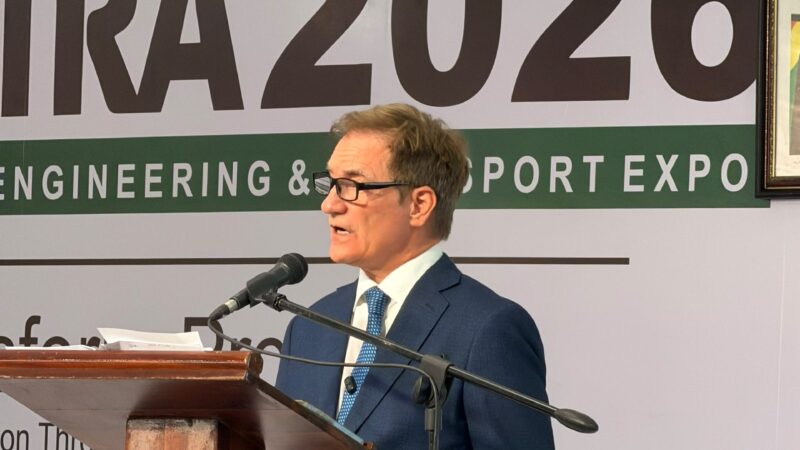
Speaking at the official opening of the 2025 Strategy Workshop in Kariba, PRAZ Chief Executive Officer, Dr. Clever Ruswa, lauded the dedication of staff and development partners over the past five years. He noted that their collaborative efforts had led to critical milestones under the 2021–2025 Strategy. These include improved client and employee satisfaction, enhanced compliance with procurement regulations, and significant strides in digitalising procurement processes.

“We have made commendable progress, but the journey continues,” Dr. Ruswa said. “As we align with NDS2, it is imperative that we strengthen our regulatory frameworks, embrace innovation, and remain steadfast in promoting transparency and accountability across all public sectors.”

Central to the next phase of development is the accelerated implementation of the electronic Government Procurement (eGP) system, which is expected to be fully operational by 2026. The eGP is designed to promote transparency, reduce corruption risks, and streamline procurement processes across government departments and agencies.

Dr. Ruswa further emphasised the strategic importance of operationalising the Southern Africa Public Procurement Training Academy (SAPPTA), which was recently endorsed at the 5th African Public Procurement Network (APPN) General Assembly. The academy is set to serve as a continental hub for professional training in public procurement, bolstering Zimbabwe’s leadership in procurement capacity building across the region.

“As we transition into a new strategic phase, we must remain committed to excellence, ethical conduct, and innovation,” Dr Ruswa added. “Our procurement system must not only be efficient, but also inclusive and accountable, in line with the national vision of achieving macroeconomic stability and broad-based development.”

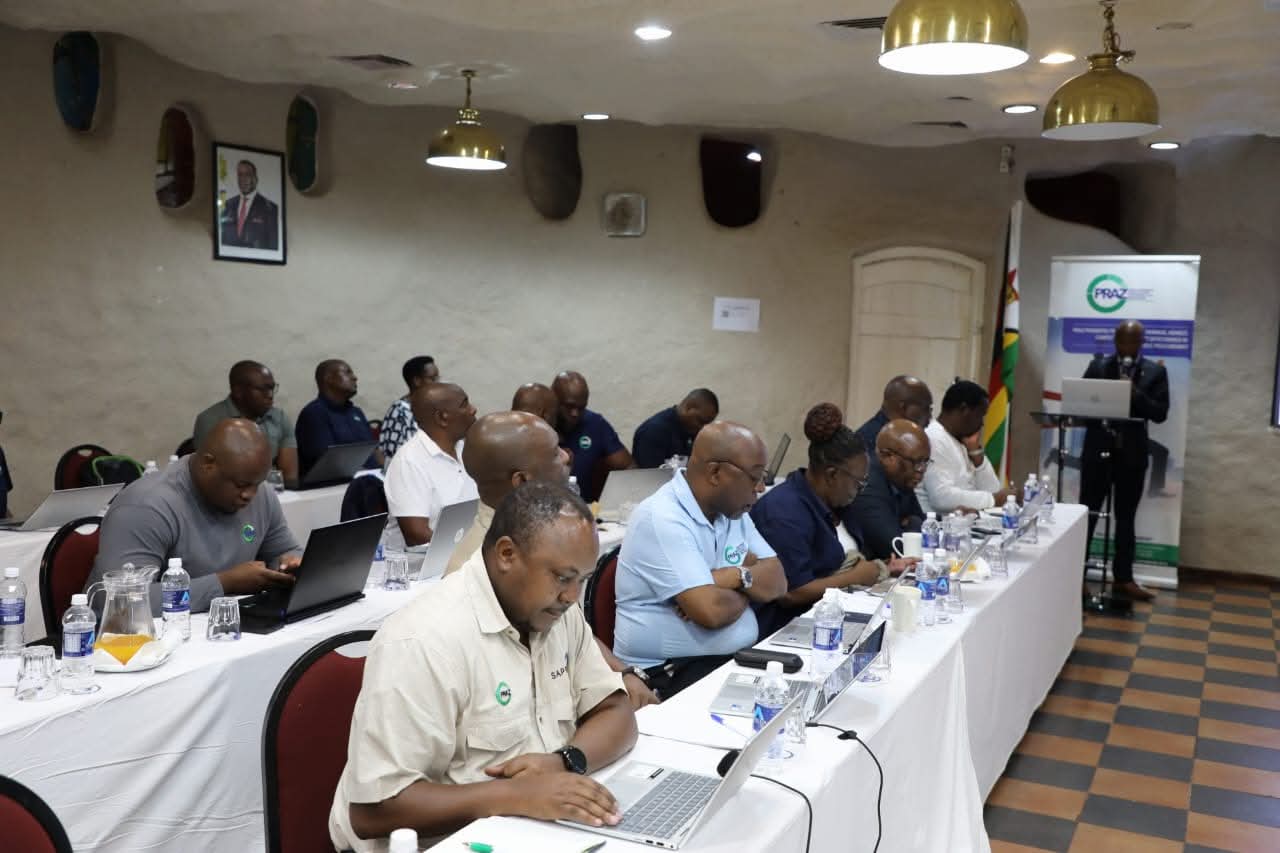
The workshop, attended by senior PRAZ officials, government representatives, and development partners, comes at a time when Zimbabwe is intensifying efforts to improve public sector governance and stimulate economic growth through prudent resource management.

With the integration of NDS2 principles, PRAZ aims to play a pivotal role in fostering public trust and facilitating economic transformation through a procurement system that supports local industry, safeguards public funds, and ensures fair competition.

The 2025 Strategy Workshop marks a crucial moment for PRAZ as it seeks to build on past achievements while laying the groundwork for a more robust, digitally empowered, and inclusive procurement framework that aligns with national economic goals.


Continue Reading
Click to comment

Leave a Reply

Your email address will not be published. Required fields are marked *

Business

COTTCO Scandal: US$70 Million Vanishes as Farmers Suffer, Governance in Crisis

Published

on

Harare, Zimbabwe  – A shocking exposé has rocked the Cotton Company of Zimbabwe Limited (COTTCO), revealing that over US$70 million in crucial funding has allegedly been mismanaged within a single year. This staggering revelation comes as COTTCO continues to fail in its fundamental duty to pay thousands of struggling cotton farmers, sparking outrage and raising serious questions about corporate governance and accountability within state-linked entities.

The bombshell dropped during a Parliamentary Portfolio Committee hearing on Lands, Agriculture, Fisheries, Water and Rural Development. John Mangudya, the Chief Executive of the Mutapa Investment Fund, laid bare the grim reality: despite receiving massive financial injections, COTTCO remains a financial black hole, unable to meet its obligations to the very people who sustain the cotton industry.

Mangudya’s testimony painted a damning picture. He disclosed that COTTCO benefits from approximately US$60 million annually in government-backed input support. On top of this, the Mutapa Investment Fund injected an additional US$11 million last year, specifically intended to help clear COTTCO’s mounting debts. Yet, despite this colossal sum – a total exceeding US$70 million – the company still failed to settle an estimated US$25 million in debts.

“This points to serious financial mismanagement,” Mangudya asserted, directly implicating COTTCO’s board and executive for their glaring failures in oversight. He highlighted a disturbing pattern of corporate governance lapses and strong indications of financial irregularities that demand immediate and thorough investigation. In a particularly egregious revelation, Mangudya confirmed that a significant portion of the US$11 million from Mutapa – approximately US$6.6 million – which was explicitly allocated for farmer payments, was instead diverted to service bank debts. This desperate move was reportedly made under duress, as lenders threatened to seize company assets, leaving farmers in the lurch.

In a move that smacks of crisis management, COTTCO’s board resolved on April 28, 2026, to place the company under voluntary corporate rescue. This decision, made under Section 122 of the Insolvency Act (Chapter 6:07), acknowledges the company’s dire financial state, characterized by crippling liquidity constraints, astronomical debt levels, and an ever-growing pile of arrears. While Mangudya attempted to spin this as a “strength” – a necessary intervention to protect COTTCO and facilitate investigation – the reality is that it exposes a profound systemic failure.

“The process that we have taken is a good one because the corporate rescue practitioner will investigate what was happening,” Mangudya stated, attempting to reassure a skeptical public. He insisted that the appointment of corporate rescue practitioners, Farai Chibisa and Ian Mtetwa of Grant Thornton Zimbabwe, would not halt any ongoing investigations or forensic audits. Their mandate is to oversee the restructuring and implement a turnaround strategy, with COTTCO optimistically claiming viability due to its asset base and market presence.

However, this optimism rings hollow for the thousands of cotton farmers who remain unpaid, their livelihoods jeopardized by what appears to be gross negligence and potential corruption. The scale of this alleged financial mismanagement is set to ignite a firestorm of demands for accountability. The corporate rescue process, while perhaps a legal necessity, must not become a shield for those responsible. It must serve as a conduit for a comprehensive, transparent review of COTTCO’s financial affairs, with a clear commitment from Mangudya that any evidence of wrongdoing will be met with decisive action. The Zimbabwean public, and especially its hardworking farmers, deserve nothing less than full transparency and justice for this egregious misuse of public and farmer funds.

Continue Reading

Business

Kutsaga fueling food security and rural growth

Published

on

Kutsaga fueling food security and rural growth

Kutsaga Research Station, once synonymous with Zimbabwe’s tobacco industry, is now spearheading a transformative agricultural revolution, pivoting its scientific prowess towards rural industrialisation and national food security.

This monumental shift, lauded by Agriculture Permanent Secretary Prof. Dr. Obert Jiri at the recent ZITF 2026, marks a critical stride in aligning research with commercial viability and the nation’s ambitious Vision 2030 agricultural agenda.

Prof. Dr. Jiri said Kutsaga’s innovative expansion beyond its traditional mandate.

He specifically praised the station’s success in developing tissue-cultured virus-free sweet potatoes and pioneering industrial hemp cultivation.

These initiatives exemplify how institutional expertise can be leveraged to create commercially viable products, underscoring the imperative that research must be commercialised to ensure its long-term sustainability.

“Kutsaga’s transformation is not just about diversifying crops, it is about building resilient value chains that directly benefit our rural communities,” said Prof. Dr. Jiri.

ALSO READ: Global seed giants eye Zimbabwe as strategic hub

This strategic redirection aims to reduce the nation’s reliance on single commodities, thereby shielding farmers from the volatile impacts of market fluctuations and climate change.

The move is a direct response to Zimbabwe’s Vision 2030, which prioritises agricultural transformation as a cornerstone for economic growth and stability.

Continue Reading

Business

Prospect Lithium Marks Historic First with Lithium Sulphate Export

Published

on

Prospect Lithium of Zimbabwe has dispatched its first consignment of lithium sulphate from its newly commissioned US$400 million processing plant at Arcadia Mine.

According to the company, this is the first time lithium sulphate has been produced not only in Zimbabwe but across the African continent.

The milestone signals a significant move towards increased local processing of lithium, rather than exporting raw or semi-processed materials.

Prospect described the development as a breakthrough for the country and region, noting that the shipment represents the first production of lithium salts in Zimbabwe and Africa, and highlights progress in mineral beneficiation and industrial growth.

Zimbabwe has been tightening its policies on lithium exports in recent years. In 2022, the government banned the export of raw lithium, pushing mining companies to process the mineral into concentrates.

At that time, major players, including Prospect Lithium (owned by Huayou Cobalt), had already begun upgrading their operations.

In 2025, authorities raised the requirements further, announcing that by 2027, lithium producers will be expected to export sulphate, a higher-value product used in the manufacture of battery materials.

To support this transition, a 10% tax was introduced on lithium concentrates to encourage further processing.

Earlier this year, the government also temporarily halted concentrate exports, later allowing limited shipments under a quota system as producers adjust to the new value-addition requirements.

Continue Reading

Trending