
Presidential Affairs
President Mnangagwa Drives Export Surge as Zimbabwe Records 30% Growth

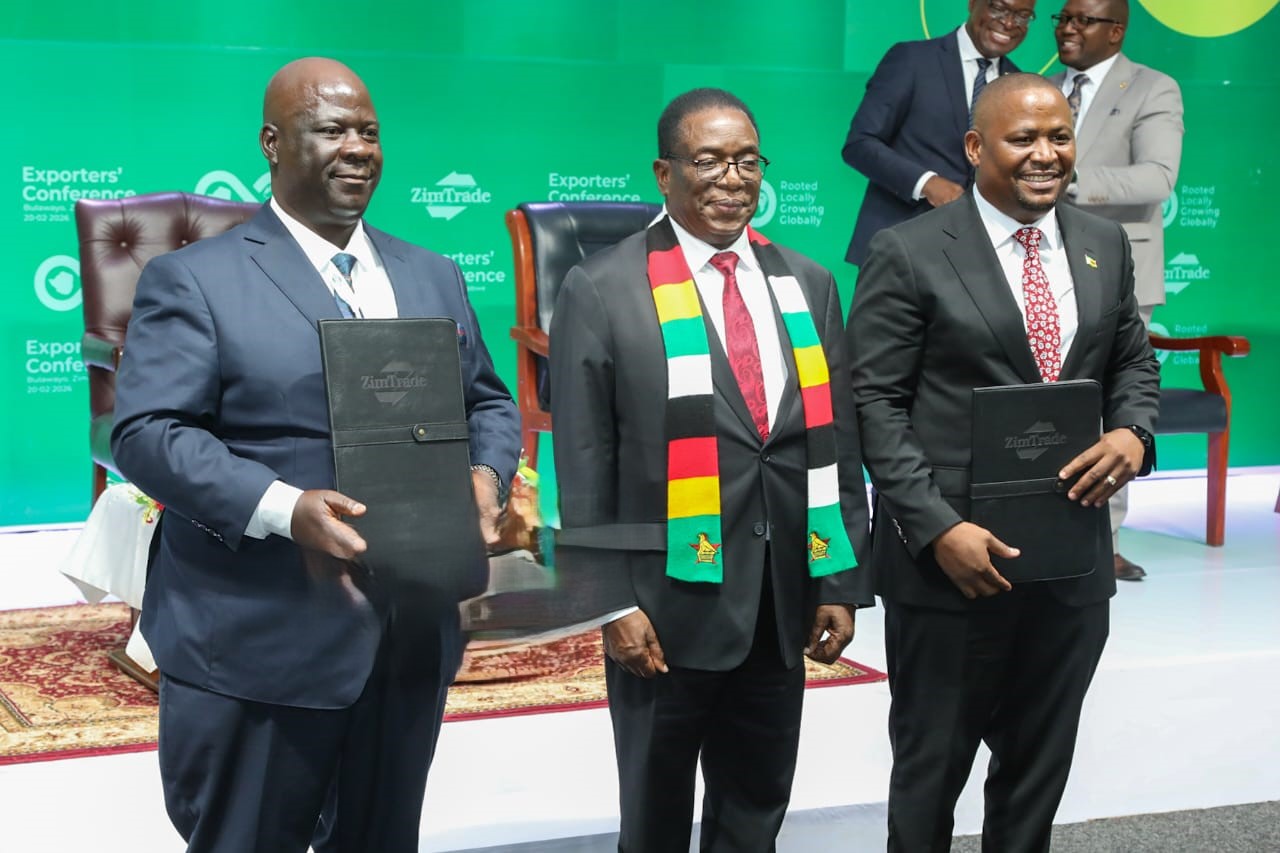
Zimbabwe’s export sector is surging ahead under the Second Republic, with President Emmerson Mnangagwa rallying industry leaders to deepen value addition and accelerate industrialisation as the country recorded a 30 per cent rise in exports in 2025.
Officially opening the 2025 ZimTrade Annual Exporters’ Conference at the Zimbabwe International Trade Fair (ZITF) in Bulawayo, President Mnangagwa said export-led growth was now central to the country’s transformation agenda under National Development Strategy 2 (NDS2).
Speaking under the theme “Rooted Locally, Growing Globally,” the President reaffirmed his administration’s commitment to building a competitive, diversified and value-driven export economy.
“Dependence on raw exports is no longer sustainable nor desirable. We must earn more from every tonne, every kilogramme, and every product we export,” President Mnangagwa said.
In a strong endorsement of Government reforms, ZimTrade Chief Executive Officer Mr Allan Majuru revealed that Zimbabwe’s exports rose sharply in 2025.
“Zimbabwe’s export performance has recorded encouraging growth. For the period January to December 2025, the country’s exports stood at US$9.71 billion, representing a 30% increase from the US$7.43 billion recorded over the same period in 2024,” Mr Majuru said.
The impressive growth reflects the impact of macroeconomic stability, targeted incentives, trade facilitation reforms and sustained investment in productive sectors championed by the Government.
President Mnangagwa underscored that Zimbabwe is decisively shifting from exporting raw materials to processing and beneficiation across key sectors.
In mining, he reiterated that Zimbabwe will no longer be content with exporting unprocessed minerals, with policy now firmly focused on local processing, downstream industries and technology transfer.
Agriculture is also transforming, with the tobacco industry moving from raw leaf exports toward finished cigarettes and related products. Revitalisation of the cotton-to-clothing value chain, expansion of horticulture exports and livestock production for leather beneficiation are being prioritised.
The President further challenged stakeholders to unlock greater value from forestry resources and expand production of processed foods, beverages, pharmaceuticals, engineering products and steel under the “Made in Zimbabwe” brand.
The Second Republic’s Whole-of-Government Approach to export competitiveness is yielding tangible results.
Key reforms include the Zimbabwe Electronic Single Window platform, which has significantly reduced paperwork and clearance times for exporters, enhancing efficiency and productivity.
Massive infrastructure development—spanning road rehabilitation, trade corridors, rail modernisation and logistics upgrades—is positioning Zimbabwean goods to reach regional and global markets more efficiently.
The President reaffirmed Zimbabwe’s practical and results-oriented commitment to the African Continental Free Trade Area (AfCFTA), urging businesses, particularly SMEs, to seize emerging regional opportunities.
In line with the national development philosophy of “leaving no one and no place behind,” President Mnangagwa stressed that export growth must benefit youth, women, rural producers and SMEs.
As the nation prepares to commemorate National Youth Day on February 21, he challenged young entrepreneurs to become innovators, digital traders and global exporters of value-added Zimbabwean goods and services.
Established corporates were urged to mentor and integrate youth into export value chains to ensure sustained industrial growth.
President Mnangagwa said Zimbabwe’s economic diplomacy thrust remains firmly focused on converting international relations into markets, investments and technology partnerships.
He directed ZimTrade and the Ministry of Foreign Affairs and International Trade to accelerate the establishment of warehousing and logistics facilities in strategic markets to enhance export penetration within the region, across Africa and beyond.
Declaring the conference officially open, the President called for unity and determination in advancing the country’s transformation agenda.
“Sector by sector, province by province, we all have the capacity to build a value-added, diversified and competitive export economy under National Development Strategy 2,” he said.
With exports surging and reforms firmly in motion, Zimbabwe’s path toward sustained industrialisation and upper-middle-income status continues to gain momentum under the Second Republic.






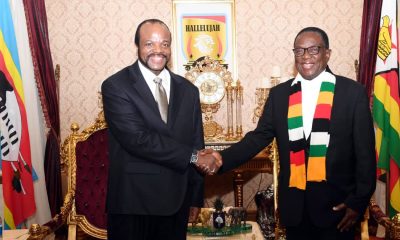



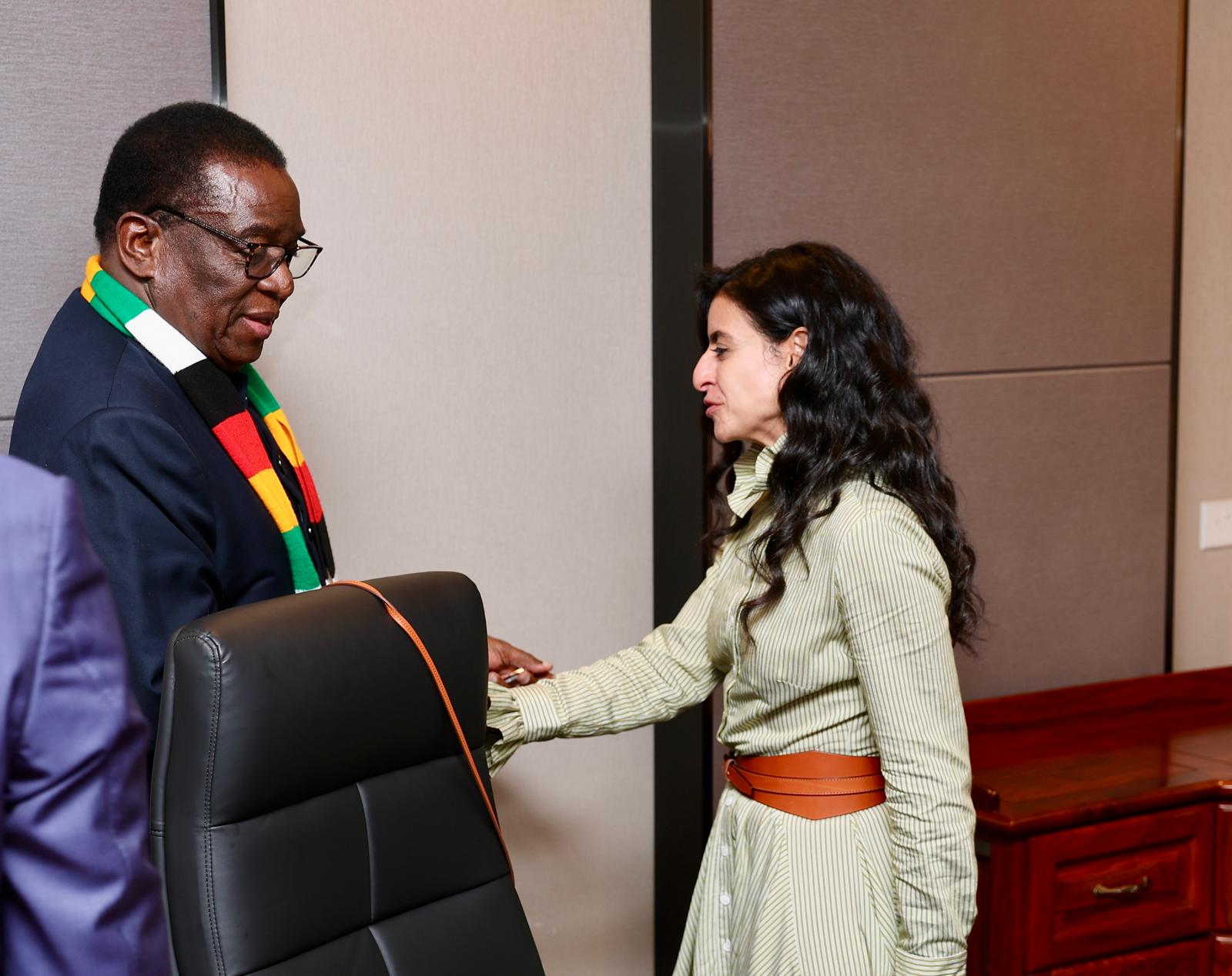
President Emmerson Mnangagwa has reaffirmed Zimbabwe’s commitment to growing its tourism sector after hosting Shaikha Al Nowais, the newly appointed Secretary-General of UN Tourism, in Harare.
Speaking after the meeting, President Mnangagwa described the visit as a great honour, highlighting its significance for both Zimbabwe and the global tourism community.
Ms. Al Nowais’ appointment marks a historic moment, as she becomes the first woman to lead the organisation in its 50-year history.
The discussions focused on strengthening Zimbabwe’s position as a leading global tourism destination. President Mnangagwa emphasized the country’s vast potential, from its natural attractions to its rich cultural heritage, noting that tourism remains a key pillar for economic growth.
“We discussed enhancing Zimbabwe’s standing as a premier global destination and harnessing sustainable tourism as a catalyst for economic growth and job creation,” said the President.
Zimbabwe has in recent years intensified efforts to promote sustainable tourism, ensuring that growth in the sector benefits local communities while preserving the environment.
Collaboration with UN Tourism is expected to play a critical role in achieving these goals through international partnerships, investment opportunities, and global marketing initiatives.
President Mnangagwa also reaffirmed the country’s commitment to working closely with international stakeholders to showcase Zimbabwe’s unique appeal.
“Zimbabwe remains committed to collaborating closely with UN Tourism to showcase the beauty and hospitality of our nation to the world,” he added.
The visit by Ms. Al Nowais is seen as a strategic step toward strengthening Zimbabwe’s visibility on the global tourism map, while also aligning the country with international best practices in sustainable tourism development.
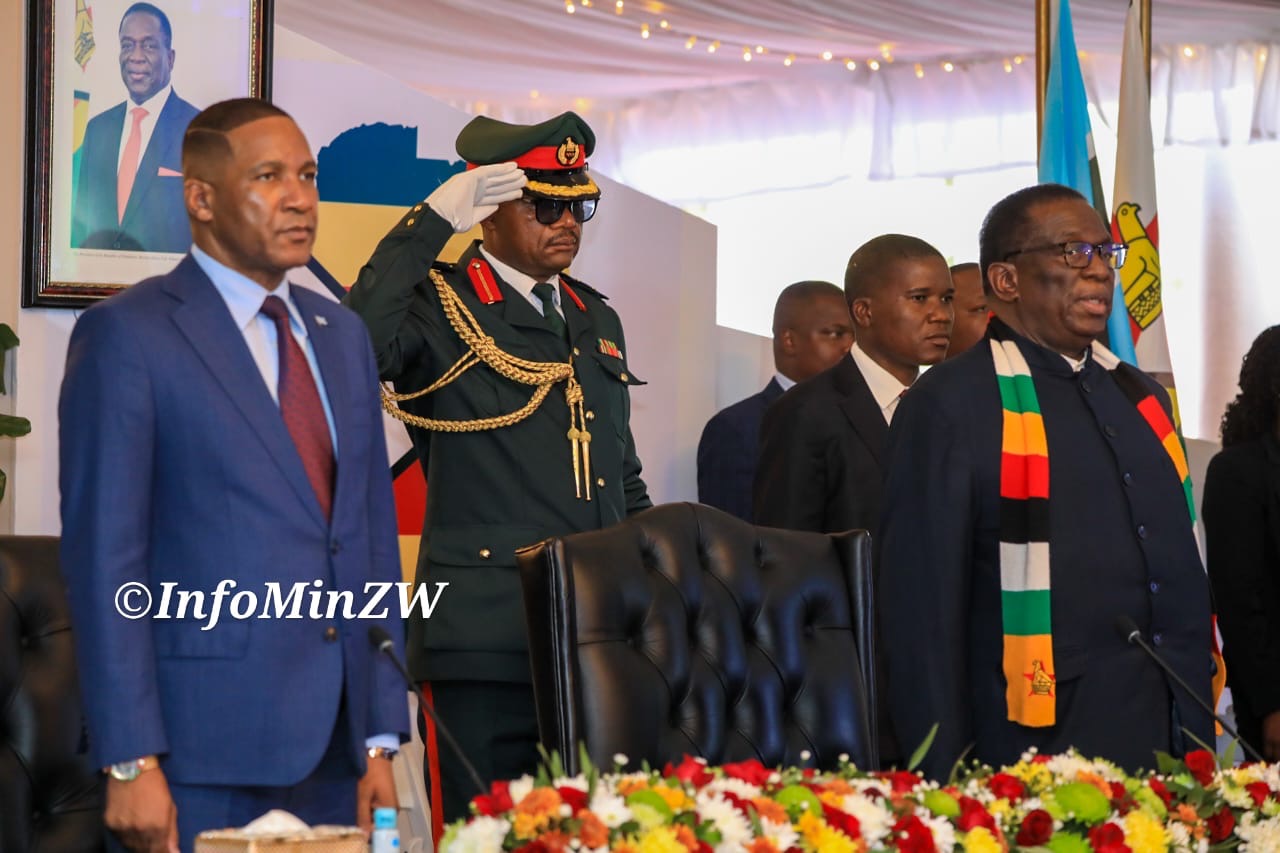
Zimbabwe and Botswana have reaffirmed their long-standing diplomatic and economic relations following the Fifth Session of the Zimbabwe-Botswana Bi-National Commission (BNC), hosted by President Emmerson Mnangagwa in Harare.
President Mnangagwa said the high-level meeting with Botswana President Advocate Duma Boko marks a shift toward stronger economic cooperation between the two neighbouring countries.
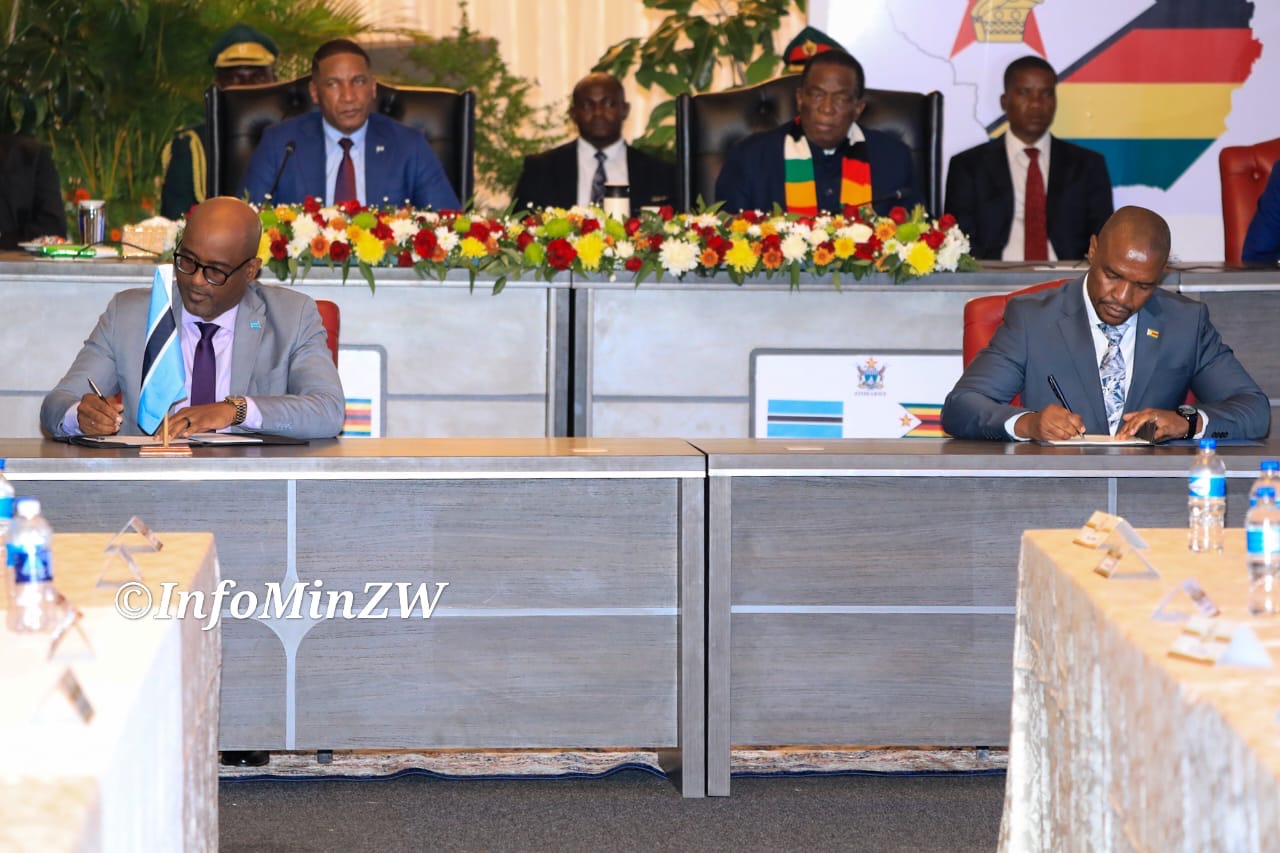
“The outcomes of this Session are both instructive and forward-looking. They demonstrate our shared resolve to transform our longstanding political relations into a more dynamic, results-driven economic partnership,” he said.
The Zimbabwean leader emphasized that agreements signed at the BNC must now deliver tangible results, particularly in trade, investment and infrastructure development.
“The agreements… must now serve as instruments for accelerated trade, enhanced investment flows, industrial collaboration and sustainable development,” he added.
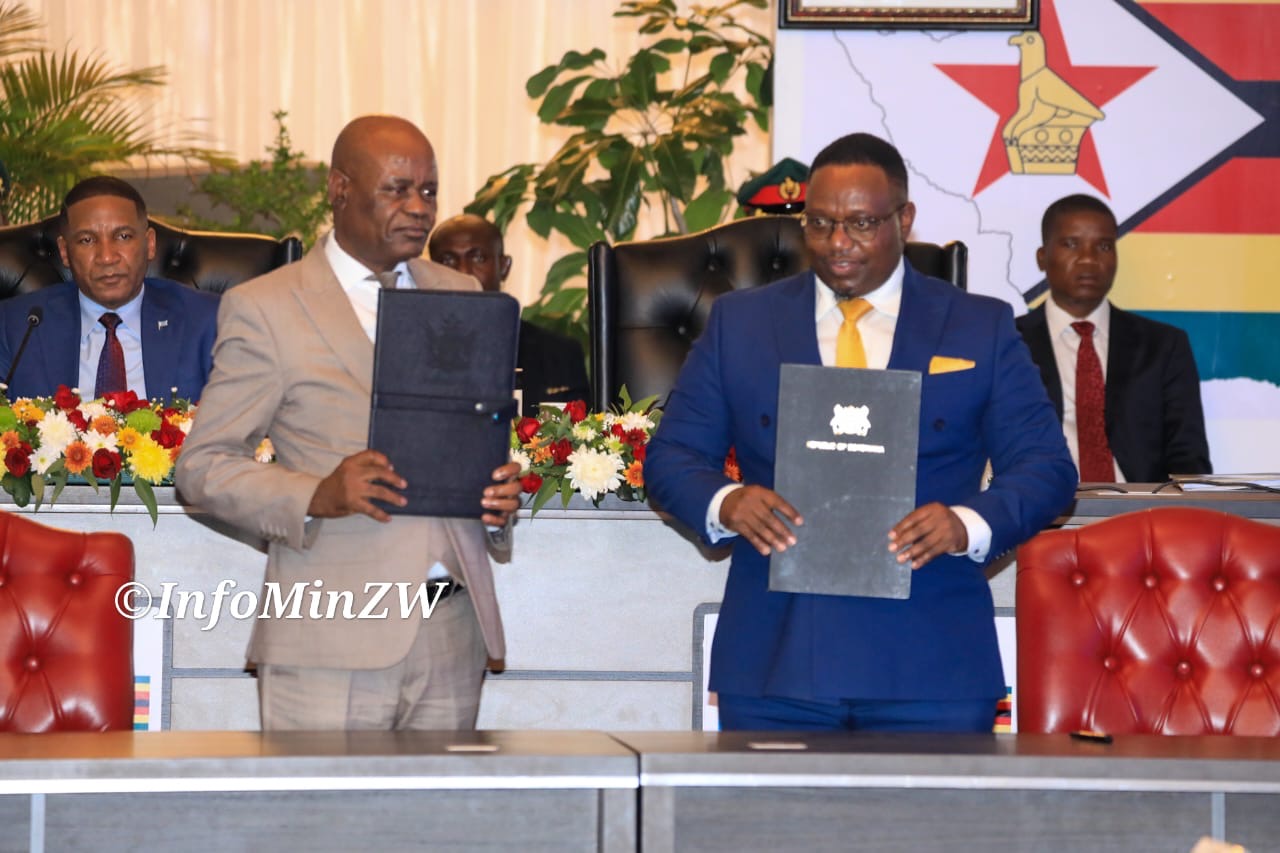
Key priorities include the operationalisation of the Plumtree/Ramokgwebana One-Stop Border Post, removal of non-tariff barriers and expansion of cross-border infrastructure to improve trade efficiency.
Earlier, President Boko highlighted the deep historical ties between Zimbabwe and Botswana, describing the relationship as a foundation for shared prosperity.
“These ties continue to provide a firm foundation upon which we advance our common aspirations for prosperity, stability and sustainable development,” he said.
He noted that the Bi-National Commission remains a critical platform for cooperation in sectors such as trade, agriculture, energy, health and security.
The two leaders agreed that regional cooperation within SADC is essential in addressing global economic challenges, improving trade flows and boosting investment.
With increased focus on implementation, private sector participation and infrastructure development, the Zimbabwe-Botswana partnership is expected to play a key role in advancing regional integration and economic growth in Southern Africa.


Day 2 of the President’s Cup delivered exactly what golf fans had hoped for , high-quality competition, emotional swings, and a few talking points that extended beyond the fairways.
After a tense opening day, both teams returned with renewed intensity, fully aware that Day 2 often shapes the trajectory of the entire tournament.
The format brought out aggressive play, with captains opting for bold pairings in both foursomes and fourballs, a move that paid off in some matches but backfired in others.
On the course, the level of golf remained exceptional.

Several matches went down to the final holes, with clutch putting and precise approach shots proving decisive.
The greens, however, became a central issue. Players from both sides were seen struggling with pace and reading subtle breaks, sparking quiet complaints about consistency.
A few missed short putts in key moments highlighted just how tricky conditions had become.
Weather also played its part. Changing wind conditions throughout the day made club selection unpredictable, forcing players to constantly adjust strategies.
While some adapted brilliantly, others faltered under pressure, leading to costly mistakes that shifted momentum between the teams.
Beyond the play itself, officiating decisions and rules interpretations began to draw attention.
There were moments of uncertainty regarding drop procedures and relief situations, leading to brief delays and visible frustration among players.
Though none escalated into major disputes, they added an extra layer of tension to an already competitive environment.
Team dynamics were another key storyline.
Certain pairings showed clear chemistry, feeding off each other’s energy and lifting their performances when it mattered most.
In contrast, a few partnerships appeared out of sync, struggling to find rhythm and ultimately dropping valuable points.
As the day progressed, momentum swung back and forth, keeping spectators on edge.
Every hole seemed to carry increased significance, and the pressure was evident in both the body language and decision-making of the players.
By the end of Day 2, the scoreboard reflected just how closely contested the competition remains.
Neither side has managed to establish a decisive lead, setting up what promises to be a thrilling continuation.
However, alongside the excitement, questions linger. Course conditions, officiating clarity, and player fatigue are all emerging as factors that could influence the outcome moving forward.
With everything still to play for, Day 3 now looms large.
If the intensity and drama of the first two days are anything to go by, the President’s Cup is far from decided , and the best may still be yet to come.
ALSO READ: President’s Cup Golf Tournament: A Beacon of Unity and Progress in Zimbabwean Sport

POTRAZ Q4 Report Highlights NetOne’s Strong Digital Growth and Rural Connectivity Expansion

Minister Masuka Defends BIPPA Farm Returns, Says Land Reform Remains Irreversible

Fake ID Fraud Suspect Appears in Court Over Loan Scam Allegations

Operation restore order

Masasi High School Abuse Scandal Sparks Public Outcry

Kuwadzana Man Jailed for Reckless Driving and Driving Without a Licence
-
 Current Affairs6 months ago
Operation restore order
-
 Crime and Courts7 months ago
Masasi High School Abuse Scandal Sparks Public Outcry
-
 Crime and Courts8 months ago
Kuwadzana Man Jailed for Reckless Driving and Driving Without a Licence
-

 Current Affairs9 months ago
Breaking: ZIMSEC June 2025 Exam Results Now Available Online
-
 Current Affairs8 months ago
Munhumutapa Day: Zimbabwe’s Newest Public Holiday Set for Annual Observance
-
 Current Affairs7 months ago
BREAKING NEWS: ZANU PF Director General Ezekiel Zabanyana Fired
-

 Current Affairs9 months ago
No Racism in Our Cricket: Government
-
 Business6 months ago
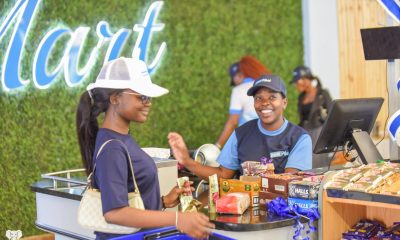
Tino Tungwarara Launches Prevail Mart, Becoming One of Zimbabwe’s Youngest Retail Entrepreneurs