
Business
Zimbabwe, World Vision Unveil USD 51 Million WASH Plan

Itai Mazire
Government, in partnership with World Vision, yesterday launched a USD 51 million Water, Sanitation and Hygiene (WASH) business plan aimed at expanding access to safe and reliable services across the country.
The five-year initiative, set to run from 2026 to 2030, is expected to support at least 500 000 people with adaptive and climate-resilient water, sanitation, and hygiene solutions, marking a major step towards building a healthier and more sustainable future for Zimbabwe.
Director of the National Water, Sanitation and Hygiene Coordination Department in the Ministry of Lands, Agriculture, Fisheries, Water and Rural Development, Mr Nesbert Shirihuru, stressed government’s strong support, noting the plan’s clear alignment with Vision 2030.
“The investment comes at a crucial time, addressing needs in rural areas where only 54 percent of the population has access to safely managed drinking water,” said Mr Shirihuru.
This initiative is hinged on World Vision’s global strategy, Mapping the Blue Thread, which focuses on accelerating access, demonstrating measurable impact, and achieving system-wide change through partnerships.
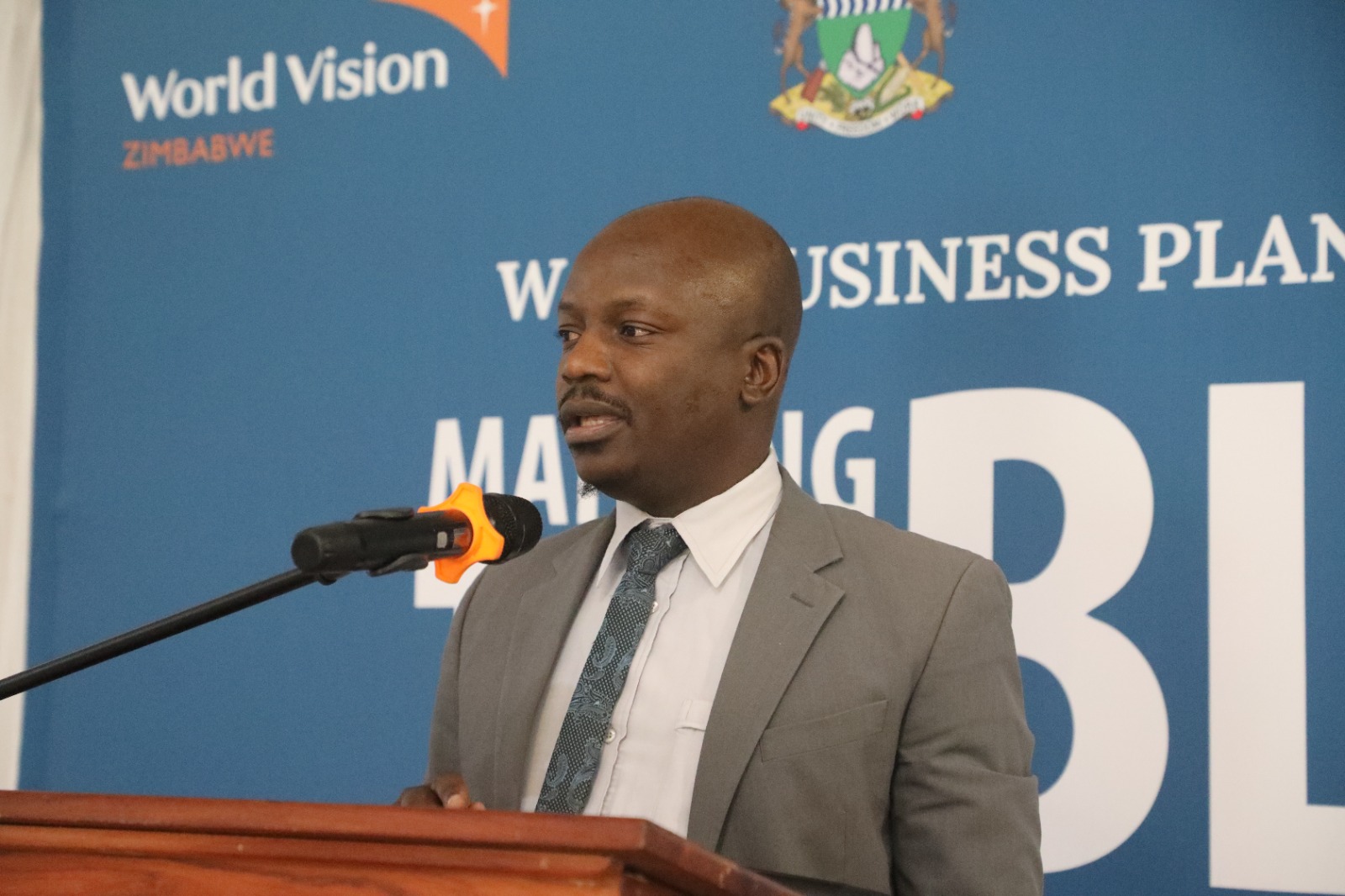
Speaking at the launch, World Vision Zimbabwe National Director, Assan Golowa, said the initiative was set to improve the welfare of the local populace.
“At the heart of this plan is collaboration working with government, partners, and communities to build lasting, inclusive, and resilient WASH services.
This is not just about delivering infrastructure; it is about improving health, protecting dignity, and empowering women and girls in every community we serve,” said Golowa.
The plan directly contributes to Sustainable Development Goal 6 (Clean Water and Sanitation) and supports Zimbabwe’s national development priorities for improved health, climate resilience, and social well-being.
World Vision Zimbabwe Advisory Board Chairperson, Dr Tafadzwa Matsika, implored the need for communities to be empowered under such initiatives.
“We need to have a mindset shift.
The water sector and villages will follow, as all means of life go in to get the water and that is what we call sustainability.
Let us take ownership and make these developmental programmes truly ours,” he stated.
The strategy outlines several key priorities designed for maximum sustainability and localized impact:
Sustainable Water Systems: Introducing innovative financing, such as water system insurance and long-term maintenance models, to keep water flowing for years.
Innovative Sanitation: Implementing solutions like mobile sanitation market fairs to strengthen local supply chains and make latrines more accessible and affordable.
Gender-Transformative Programming: Ensuring the plan empowers women and girls to lead hygiene and water management efforts, acknowledging their primary role in water security.
Water Security and Resilience: Protecting natural resources through watershed management and environmental stewardship in selected catchment areas to safeguard future supply.
Data-Driven Targeting: Using localized data to ensure investments are effective and respond precisely to the unique needs of each community.
The launch saw participation and commitment from the Ministry of Lands, Agriculture, Fisheries, Water and Rural Development, alongside a broad coalition of financial and development partners who bring essential funding, technical assistance, and global best practices, as well as other peer organizations.
UNICEF and the World Food Programme (WFP) were cited as strategic partners with whom World Vision will collaborate to ensure every child in programme areas has access to life-saving WASH services, including full coverage in schools and health centres.
World Vision is actively inviting government ministries, private sector players, churches, and community leadership structures to collaborate across the WASH sector and related areas such as education, health, and child protection, emphasizing that partnership is the key to achieving national scale.


Midlands Province manufacturing firms must immediately pivot towards establishing their own renewable energy plants to align with the Second Republic’s developmental goals, Minister of State for Provincial Affairs and Devolution, Hon. Owen Ncube, has said.
Officiating during a tour of the Clover New Energy (Pvt) Ltd 20-megawatt solar power plant construction site in Gweru, Minister Ncube challenged industrialists to follow the example set by the Chinese-invested project, emphasising that self-sufficiency in power generation is no longer optional but a strategic necessity enshrined in the National Development Strategy (NDS) 2.
“I therefore urge other manufacturing companies in the province to establish similar renewable energy plants in line with the Second Republic’s NDS 2 Pillar on Infrastructure Development and Housing, which entrenches expansion of the nation’s renewable energy capacity,” said Minister Ncube.
He commended the USD 20 million project, a subsidiary of Jin An Chrome Smelting Company, as a benchmark in public-private partnership, highlighting its role in reducing electricity imports and operational costs.
“Ladies and Gentlemen, since the inception of the Second Republic under the astute leadership of His Excellency the President of the Republic of Zimbabwe, Cde Dr Emmerson Mnangagwa, bold and strategic policy decisions were adopted to improve energy sufficiency, efficiency and security through incentives, duty-free solar imports and the requirement for heavy industries to develop their own power supply by 2026,” he said.

Minister Ncube described the plant as a tangible outcome of the comprehensive strategic partnership between Zimbabwe and the People’s Republic of China, a relationship he said is critical for technology transfer and job creation.
“I therefore commend Clover New Energy Private Limited, a subsidiary of Jin An Chrome Smelting Company, for implementing this climate-smart, energy-efficient solar project critical in reducing electricity imports, energy bills and carbon emissions,” he said.
The tour also served as a platform to show the government’s broader energy milestones, including the Kariba Floating Solar Plant, the Munyati Solar Park, and Hwange Units 7 and 8, as proof that the drive towards an empowered upper middle-income society by 2030 is on course.
“Ladies and Gentlemen, attainment of Vision 2030 under the stewardship of His Excellency, the President of the Republic of Zimbabwe, Cde Dr Mnangagwa, is achievable and unstoppable,” said Minister Ncube.
He also called for robust public support for the Constitutional Amendment No. 3 of 2026 currently at the consultation stage.
By Everisto Zhuwao
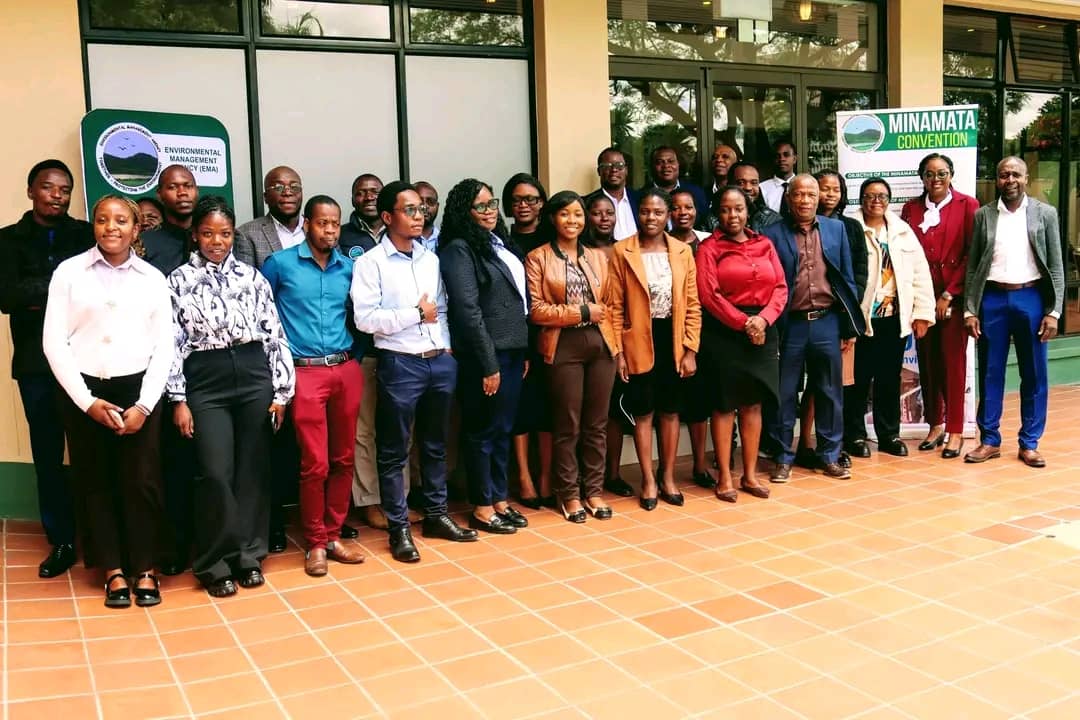
The Environmental Management Agency (EMA) on Thursday launched a major initiative to combat mercury pollution during an inception workshop held at the Holiday Inn Harare. The project specifically targets the mitigation of mercury emissions and releases from coal combustion power plants across Zimbabwe.
The workshop brought together a diverse group of experts and government officials to coordinate a national response to toxic emissions. Mr. A. Matiza, the Deputy Director for Environment in the Ministry of Environment, Climate and Wildlife, officially opened the session. In his remarks, he stressed that collaborative efforts are essential to safeguard both the environment and public health from the dangers of mercury pollution.
Mercury is a significant concern in energy production because it is released into the atmosphere when coal is burned to generate electricity.
The project falls under the Minamata Convention on Mercury, an international treaty designed to protect people and the environment from the harmful effects of mercury.
By focusing on power plants, the government aims to introduce cleaner technologies that reduce these hazardous emissions while maintaining efficient energy production.
Several key organisations participated in the roadmap development, including the Zimbabwe Power Company, Hwange Colliery Company, and the Ministry of Health and Child Care.
Legal and regulatory bodies such as the Zimbabwe Environmental Law Organization and the Procurement Regulatory Authority of Zimbabwe were also present to ensure the project aligns with national laws and international standards.
The initiative seeks to reform existing environmental policies and build technical capacity within local communities and regulatory institutions. By fostering partnerships between government and industry, the project aims to ensure that Zimbabwe’s energy future is both sustainable and responsible.
This collective commitment lays the foundation for a cleaner environment and a healthier future for all citizens.
Everisto Zhuwao
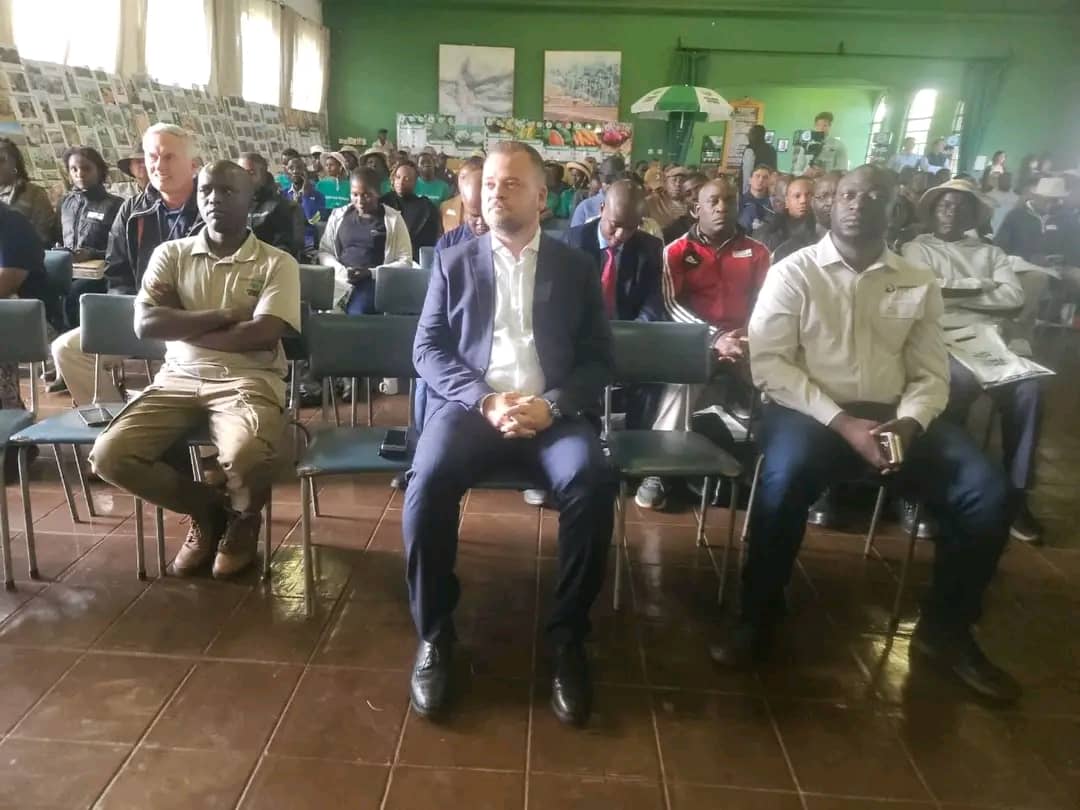
Agriculture remains the cornerstone of Zimbabwe’s journey toward national prosperity. The Deputy Minister of Lands, Agriculture, Fisheries, Water and Rural Development, Vangelis Peter Haritatos, reaffirmed this vision during a recent field day hosted by Charter Seeds.
The event served as a platform for the government to outline its ambitious roadmap for the sector.
The Deputy Minister highlighted the government’s commitment to the Agriculture and Food Systems Rural Transformation Strategy 2, an initiative aimed at growing the agricultural sector into a US$15.8 billion industry by 2030.
According to Hon. Haritatos, the ultimate goal is to transition the nation from basic food security to true food sovereignty. This shift will ensure that Zimbabwe maintains full control over its food systems, from seed production to the final market sale.
To achieve these targets, the government is actively investing in critical infrastructure such as irrigation systems and modern mechanisation. These efforts are being complemented by the establishment of village business units designed to empower local farmers.
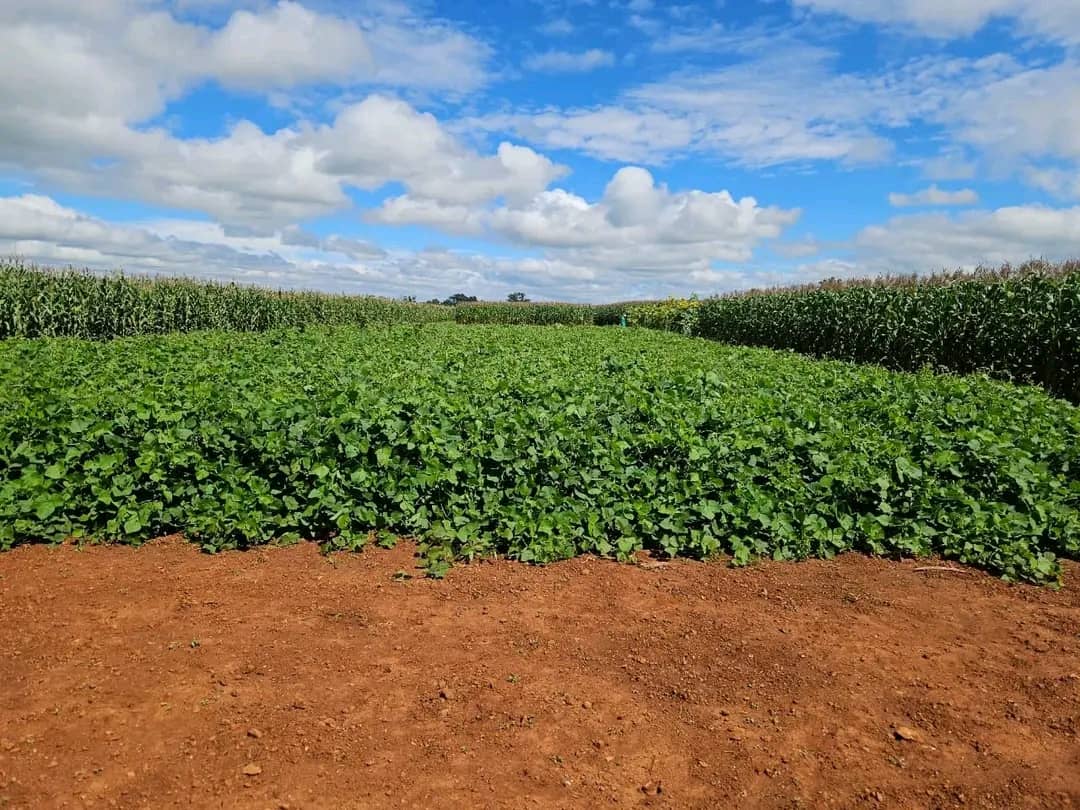
Hon. Haritatos urged producers to view themselves as businesspeople and custodians of the land. He emphasized that adopting innovative, market-driven practices is no longer optional but a necessity for growth.
Sustainability and data-driven decision-making were central themes of the address. The Deputy Minister reminded the audience that the quality of today’s seeds determines the success of tomorrow’s harvest.
He encouraged farmers to become lifelong students of their craft and to share their knowledge as ambassadors of the agricultural sector.
By focusing on quality seed genetics and efficient resource management, the government believes that agriculture will serve as the primary engine for Zimbabwe’s economic transformation.

Zim Export Ban Prompts China Embassy Compliance Alert

MP Jere Transforms Lives, Boosts Amendment No. 3

Govt Urges Tougher Measures on Drug Abuse

Operation restore order

Masasi High School Abuse Scandal Sparks Public Outcry

Kuwadzana Man Jailed for Reckless Driving and Driving Without a Licence
-
 Current Affairs4 months ago
Operation restore order
-
 Crime and Courts6 months ago
Masasi High School Abuse Scandal Sparks Public Outcry
-
 Crime and Courts6 months ago
Kuwadzana Man Jailed for Reckless Driving and Driving Without a Licence
-

 Current Affairs8 months ago
Breaking: ZIMSEC June 2025 Exam Results Now Available Online
-

 Current Affairs7 months ago
Munhumutapa Day: Zimbabwe’s Newest Public Holiday Set for Annual Observance
-

 Current Affairs5 months ago
BREAKING NEWS: ZANU PF Director General Ezekiel Zabanyana Fired
-

 Current Affairs7 months ago
No Racism in Our Cricket: Government
-

 World News5 months ago
Burkina Faso Reaps $18 Billion in Gold Revenue Under Ibrahim Traoré’s Leadership