
World News
Uganda Denies Plans to Block Internet During Election

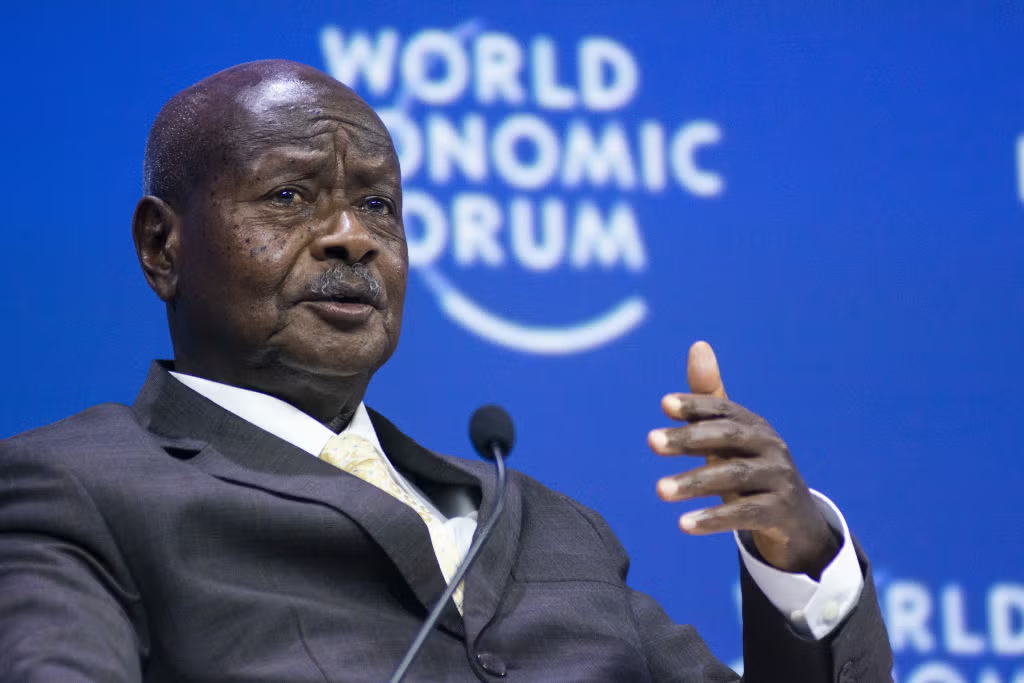
Ugandan authorities have dismissed claims that they intend to shut down internet access during next week’s general elections.
Concerns were reignited after the country’s leading opposition candidate repeated allegations that the government planned to disrupt online services to hinder mobilisation and the sharing of election results.
Those fears intensified on Friday when satellite internet provider Starlink limited its operations in Uganda following directives from the national communications regulator.
President Yoweri Museveni, who has ruled Uganda for four decades, is contesting the 15 January polls. His main rival is Robert Kyagulanyi, widely known as Bobi Wine, a former musician turned politician.
The election mirrors the 2021 contest, which was marred by violent protests, dozens of deaths and a four-day nationwide internet blackout.
Ahead of the vote, the government has also imposed restrictions on live coverage of riots, illegal demonstrations and violent incidents, arguing that such broadcasts could heighten unrest and cause public panic.
However, Uganda Communications Commission (UCC) Executive Director Nyombi Thembo rejected speculation about an internet shutdown, describing it as unfounded.
“There is currently no decision to switch off the internet,” Thembo told Capital FM, adding that the commission’s responsibility was to ensure stable and continuous connectivity across the country.
Similar assurances were issued by Amina Zawedde, the permanent secretary at the Ministry of Communications and National Guidance, who said government had neither announced nor implemented any plans to disrupt internet services during the election period.
She warned that circulating false or inflammatory information online could create unnecessary fear and instability, stressing that digital platforms were subject to existing laws.
“Online spaces are not above the law,” Zawedde said, noting that the Computer Misuse Act governs internet conduct, including the spread of misinformation and offensive content.
She further emphasised that only the Electoral Commission is legally authorised to announce election results, warning that the publication of unverified figures is unlawful.
“Freedom of expression must be exercised within the confines of the law,” she said.
Despite official reassurances, the opposition National Unity Platform (NUP) has introduced an offline vote-tracking application in anticipation of a possible blackout. The app, named Bitchart, was launched by Bobi Wine and is designed to use Bluetooth technology to share images of polling station result forms and voting data without internet access.
In his New Year address, Bobi Wine accused the government of planning another shutdown similar to those imposed during previous elections, which he said were aimed at silencing citizens and obstructing transparency.
Meanwhile, Amnesty International has alleged that Ugandan security forces are using intimidation tactics, including arbitrary arrests and torture, to suppress opposition supporters. The organisation claims to have documented cases of beatings and the use of tear gas against NUP supporters. The BBC has sought a response from the authorities.
Museveni came to power in 1986 after leading a rebel takeover of Kampala and has since won six elections, all of which opposition parties have challenged as fraudulent — accusations the government continues to deny.

Scientists in China and the United States have successfully used stem cells to create insulin-producing cells that restored the body’s ability to regulate blood sugar in some patients with Type 1 diabetes.
The experimental procedures, conducted by researchers in China and separately by Vertex Pharmaceuticals in the U.S., represent a significant leap beyond traditional disease management.
For over a century, diabetes has required patients to endure daily insulin injections and constant glucose monitoring.
These new cell-based therapies aim to rebuild the biological function that is lost in the disease.
According to details shared online by science commentator SciTech Girl, which have garnered significant attention from the medical community, the approach involves creating new islet cells from stem cells and transplanting them into patients.
In several individuals with Type 1 diabetes, whose pancreases no longer produce insulin, these transplanted cells have begun producing insulin again—eliminating the need for injected insulin.
“No pump. No syringe. Just living cells doing their job,” the report stated, summarising the dramatic outcome for some trial participants.
Medical experts caution that while the results are groundbreaking, they do not yet constitute a widespread, proven cure.
The trials remain small in scale, and the long-term durability and safety of the transplanted cells are still unknown.
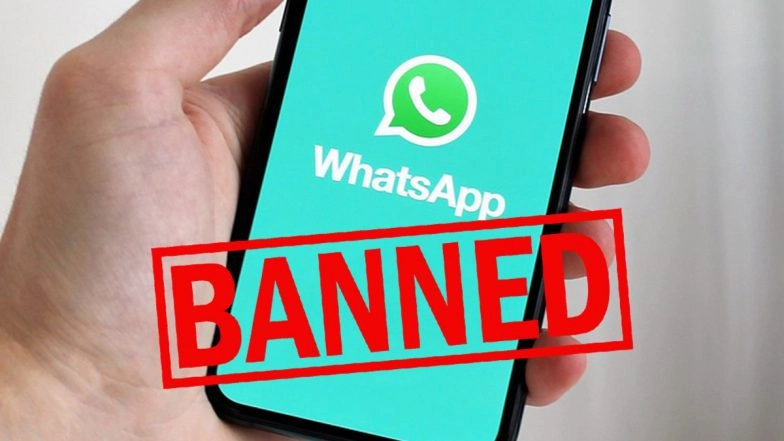
Russian authorities have moved to block Meta-owned WhatsApp across the country, citing the company’s failure to meet domestic legal requirements.
Officials say Meta did not establish a local office, declined to cooperate with data-sharing demands, and failed to remove content deemed unlawful.
The government has also linked the messaging platform to cases of fraud and alleged extremist activities.
Following the shutdown, many users in Russia are migrating to alternative platforms such as Telegram, VK Messenger, Yandex Messenger, and the government-supported MAX application.
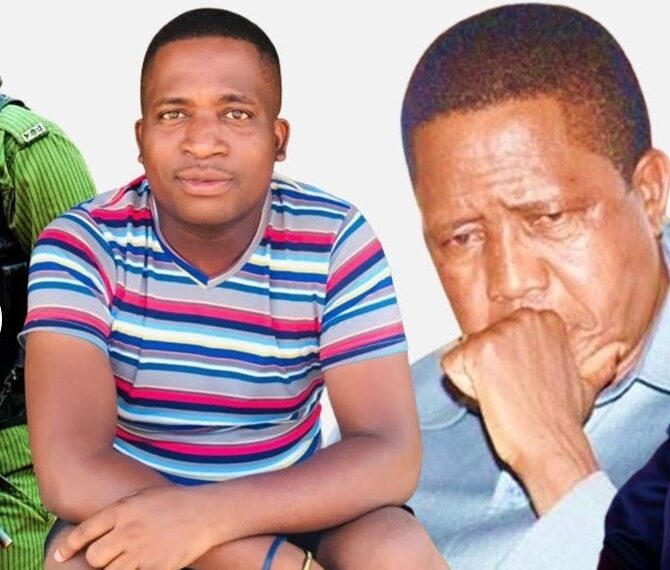
Dalisto Lungu, the son of Zambia’s late former president Edgar Lungu, has been stripped of assets worth more than US$1.26 million after a ruling by the Economic and Financial Crimes Court.
The court found that the properties were obtained through illicit means and ordered their forfeiture to the state. The seized assets include 79 motor vehicles, over 20 pieces of land located in various parts of Zambia, as well as a fuel service station.
In its judgment, the EFCC stated that Lungu failed to provide credible evidence of a lawful income or business operations that could reasonably explain his accumulation of such wealth.
Lungu disputed the allegations, insisting that the properties were legally acquired. However, the court ruled that his explanation was insufficient to counter the state’s case, paving the way for the assets to be confiscated.

“No Matter Where They Are in SA” — Govt Vows Full Medical Support for Zimbabweans

DIABETES CURE… OR THE BEGINNING OF THE END FOR INSULIN DEPENDENCE?

HIV Network Raises Concern Over Halted US Health Funding Talks

Operation restore order

Masasi High School Abuse Scandal Sparks Public Outcry

Kuwadzana Man Jailed for Reckless Driving and Driving Without a Licence
-
 Current Affairs3 months ago
Operation restore order
-
 Crime and Courts5 months ago
Masasi High School Abuse Scandal Sparks Public Outcry
-
 Crime and Courts5 months ago
Kuwadzana Man Jailed for Reckless Driving and Driving Without a Licence
-
 Current Affairs7 months ago
Breaking: ZIMSEC June 2025 Exam Results Now Available Online
-
 Current Affairs6 months ago
Munhumutapa Day: Zimbabwe’s Newest Public Holiday Set for Annual Observance
-
 Current Affairs5 months ago
BREAKING NEWS: ZANU PF Director General Ezekiel Zabanyana Fired
-
 Current Affairs6 months ago
No Racism in Our Cricket: Government
-
 Current Affairs6 months ago
Government Bans Tinted Car Windows in Nationwide Crime Crackdown