
World News
US Capture of Maduro Triggers International Backlash

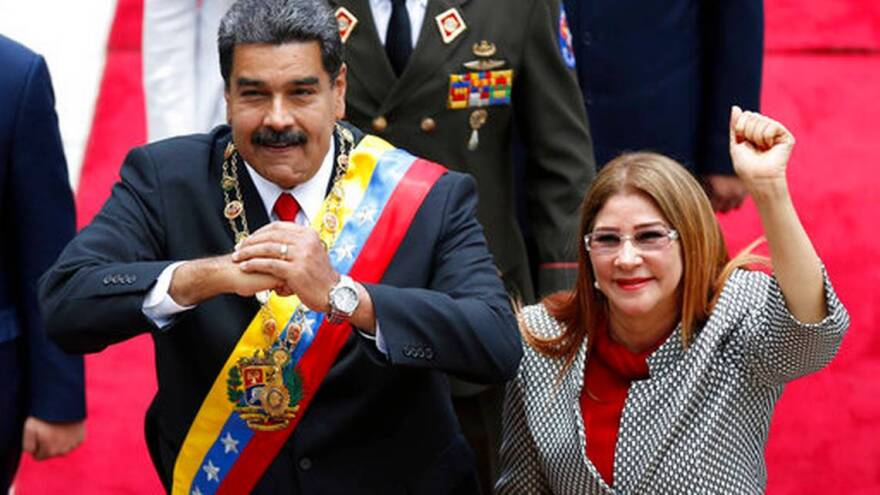
- Maduro and Wife Plead Not Guilty in New York Court to Narco-Terrorism Charges
- Trump Says US Will ‘Run’ Venezuela Temporarily; Allies Criticise Action at UN
- Operation Involved Pre-Dawn Strikes on Caracas, Dozens Reported Killed
Venezuelan President Nicolás Maduro and his wife, Cilia Flores, pleaded not guilty Monday to U.S. charges of narco-terrorism, drug trafficking and related crimes, two days after U.S. special forces captured them in a controversial military raid on Caracas that has drawn widespread global criticism.
Maduro, appearing handcuffed in a Manhattan federal courtroom, declared himself a “prisoner of war” and insisted, “I am innocent. I am a decent man, the president of my country.”
His wife also entered a not guilty plea.
The couple faces potential life sentences if convicted on allegations of flooding the U.S. with cocaine through ties to drug cartels.
The operation, confirmed by President Donald Trump as a “large-scale strike,” involved elite U.S. units, including Delta Force, and airstrikes that reportedly killed dozens, including civilians and security personnel.
Trump praised the mission as a “brilliant operation” and stated the U.S. would temporarily “run” Venezuela to oversee its vast oil reserves and facilitate a transition.pbs.org
International reaction was swift and largely negative. At an emergency UN Security Council meeting, even U.S. allies condemned the action as a violation of sovereignty and international law.
Venezuela’s UN ambassador accused Washington of an “illegal armed attack,” while protesters rallied in cities worldwide against the raid.
In Caracas, Vice President Delcy Rodríguez was sworn in as interim leader, denouncing the “kidnapping” but signalling openness to dialogue.
Maduro’s defence team vowed to challenge the legality of his capture, citing head-of-state immunity.
The indictment, unsealed after the raid, accuses Maduro of leading a corrupt regime tied to massive cocaine trafficking since 1999.
U.S. officials justified the operation by deeming Maduro illegitimate following the disputed 2024 elections.
Legal experts questioned the raid’s compliance with international norms, comparing it to past U.S. actions but noting the unprecedented abduction of a sitting president without extradition.
The incident has heightened tensions in Latin America, with fears of broader implications for regional sovereignty and U.S. foreign policy under Trump.



Scientists in China and the United States have successfully used stem cells to create insulin-producing cells that restored the body’s ability to regulate blood sugar in some patients with Type 1 diabetes.
The experimental procedures, conducted by researchers in China and separately by Vertex Pharmaceuticals in the U.S., represent a significant leap beyond traditional disease management.
For over a century, diabetes has required patients to endure daily insulin injections and constant glucose monitoring.
These new cell-based therapies aim to rebuild the biological function that is lost in the disease.
According to details shared online by science commentator SciTech Girl, which have garnered significant attention from the medical community, the approach involves creating new islet cells from stem cells and transplanting them into patients.
In several individuals with Type 1 diabetes, whose pancreases no longer produce insulin, these transplanted cells have begun producing insulin again—eliminating the need for injected insulin.
“No pump. No syringe. Just living cells doing their job,” the report stated, summarising the dramatic outcome for some trial participants.
Medical experts caution that while the results are groundbreaking, they do not yet constitute a widespread, proven cure.
The trials remain small in scale, and the long-term durability and safety of the transplanted cells are still unknown.
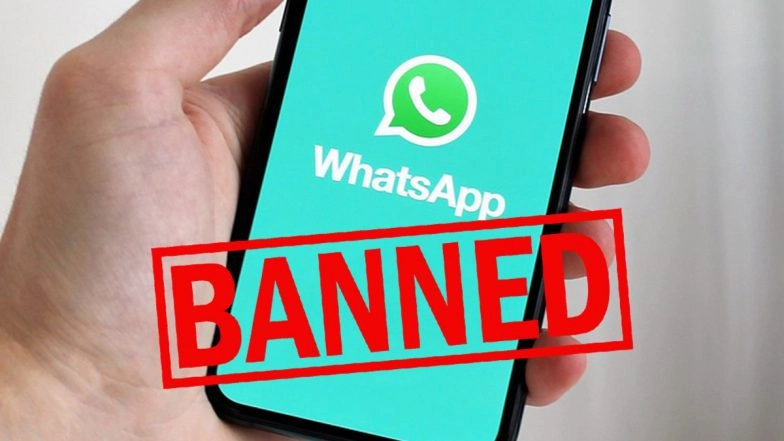
Russian authorities have moved to block Meta-owned WhatsApp across the country, citing the company’s failure to meet domestic legal requirements.
Officials say Meta did not establish a local office, declined to cooperate with data-sharing demands, and failed to remove content deemed unlawful.
The government has also linked the messaging platform to cases of fraud and alleged extremist activities.
Following the shutdown, many users in Russia are migrating to alternative platforms such as Telegram, VK Messenger, Yandex Messenger, and the government-supported MAX application.
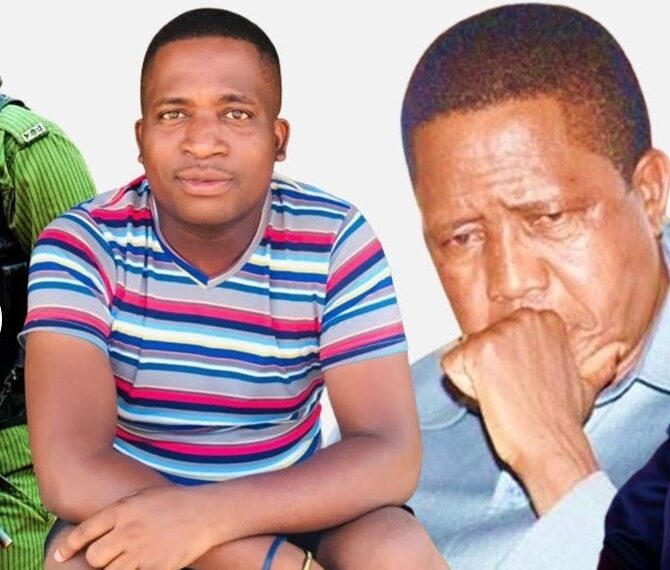
Dalisto Lungu, the son of Zambia’s late former president Edgar Lungu, has been stripped of assets worth more than US$1.26 million after a ruling by the Economic and Financial Crimes Court.
The court found that the properties were obtained through illicit means and ordered their forfeiture to the state. The seized assets include 79 motor vehicles, over 20 pieces of land located in various parts of Zambia, as well as a fuel service station.
In its judgment, the EFCC stated that Lungu failed to provide credible evidence of a lawful income or business operations that could reasonably explain his accumulation of such wealth.
Lungu disputed the allegations, insisting that the properties were legally acquired. However, the court ruled that his explanation was insufficient to counter the state’s case, paving the way for the assets to be confiscated.

“No Matter Where They Are in SA” — Govt Vows Full Medical Support for Zimbabweans

DIABETES CURE… OR THE BEGINNING OF THE END FOR INSULIN DEPENDENCE?

HIV Network Raises Concern Over Halted US Health Funding Talks

Operation restore order

Masasi High School Abuse Scandal Sparks Public Outcry

Kuwadzana Man Jailed for Reckless Driving and Driving Without a Licence
-
 Current Affairs3 months ago
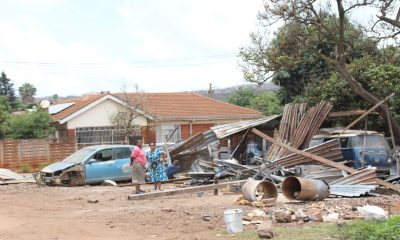
Operation restore order
-
 Crime and Courts5 months ago
Masasi High School Abuse Scandal Sparks Public Outcry
-
 Crime and Courts5 months ago
Kuwadzana Man Jailed for Reckless Driving and Driving Without a Licence
-
 Current Affairs7 months ago
Breaking: ZIMSEC June 2025 Exam Results Now Available Online
-
 Current Affairs6 months ago
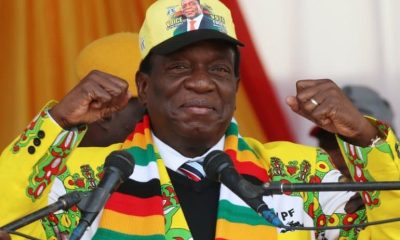
Munhumutapa Day: Zimbabwe’s Newest Public Holiday Set for Annual Observance
-
 Current Affairs5 months ago
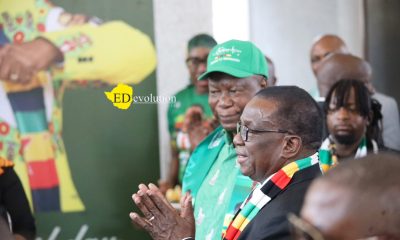
BREAKING NEWS: ZANU PF Director General Ezekiel Zabanyana Fired
-
 Current Affairs6 months ago
No Racism in Our Cricket: Government
-
 Current Affairs6 months ago
Government Bans Tinted Car Windows in Nationwide Crime Crackdown