Current Affairs
Prisons Empty Out: 4,305 Get Amnesty

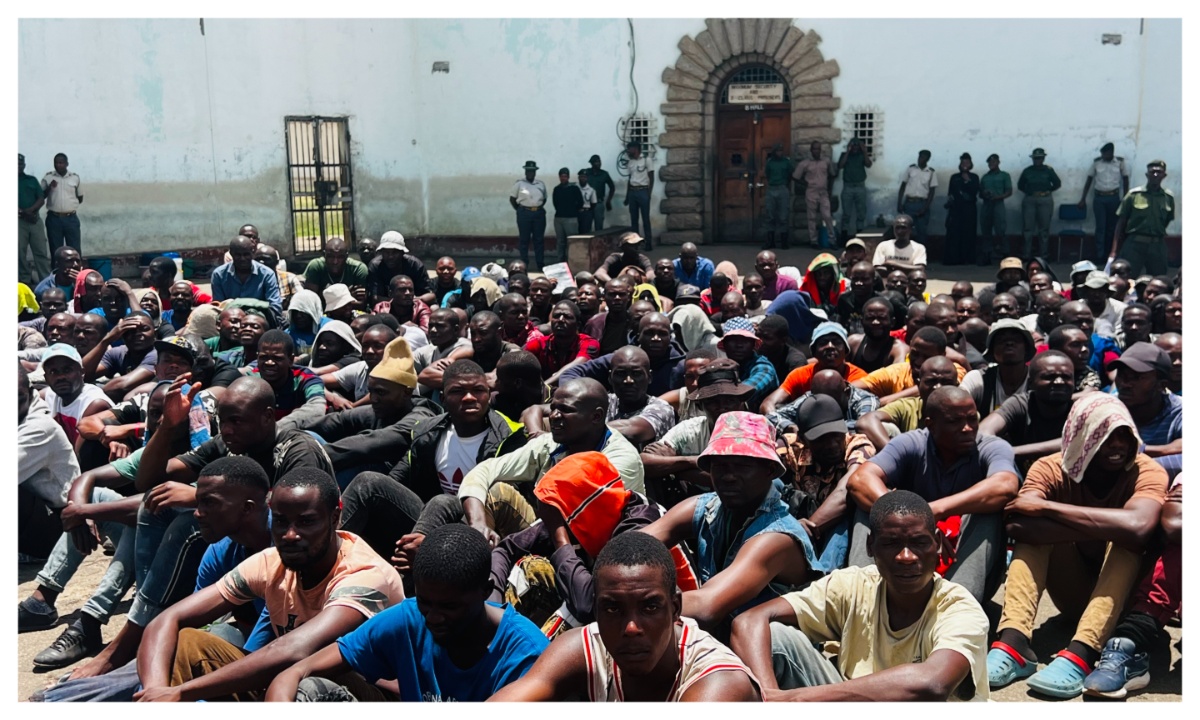
More than 4,000 inmates began walking out of correctional facilities across the country yesterday as Zimbabwe commenced implementation of the 2026 Presidential Amnesty, with officials describing the clemency as a gesture of national compassion and a strategic move to decongest prisons.
The release, formalised under Clemency Order Number One of 2026, saw 3,978 beneficiaries freed immediately, with an additional 327 inmates set for phased release in the coming days.
A total of 4,305 prisoners, comprising 4,082 men and 223 women, will ultimately benefit from the presidential pardon.

Addressing journalists in Harare, Minister of Justice, Legal and Parliamentary Affairs Ziyambi Ziyambi confirmed the commencement of the releases and extended gratitude to President Emmerson Mnangagwa for exercising his constitutional power of mercy.
“This is presidential amnesty, and we need to thank President Emmerson Mnangagwa for it. To those who are remaining in prison, have hope that you will get the chance as it goes,” Minister Ziyambi said.
The minister described the initiative as one that “reflects a profound commitment to restorative justice, national compassion and the strategic decongestion of correctional facilities”.
He also commended the Zimbabwe Prisons and Correctional Service (ZPCS) for their professional oversight of inmates, stating that the amnesty recognises “the capacity for human reform”.
Harare Central Prison Releases 484 Inmates
At Harare Central Prison, a total of 484 male inmates who had committed various crimes were released and sent back into the communities.
Speaking at the facility, Officer Commanding Harare Metropolitan Province Commissioner Charity Gezi emphasised that the prison service had equipped beneficiaries with skills to aid their reintegration.
“Our duty is to make sure that the prisoners are being taken good care of and educated on the importance of life.
Some have come out with an ordinary level education, which they started whilst in prison,” Commissioner Gezi said.
She appealed to families to support returning inmates and urged communities to embrace rehabilitation.
“Also, we encourage their relatives to welcome them back home and make sure you support them in whatever they want to do, which is crime-free,” she said.
Chikurubi Female Prison: 64 Women Released
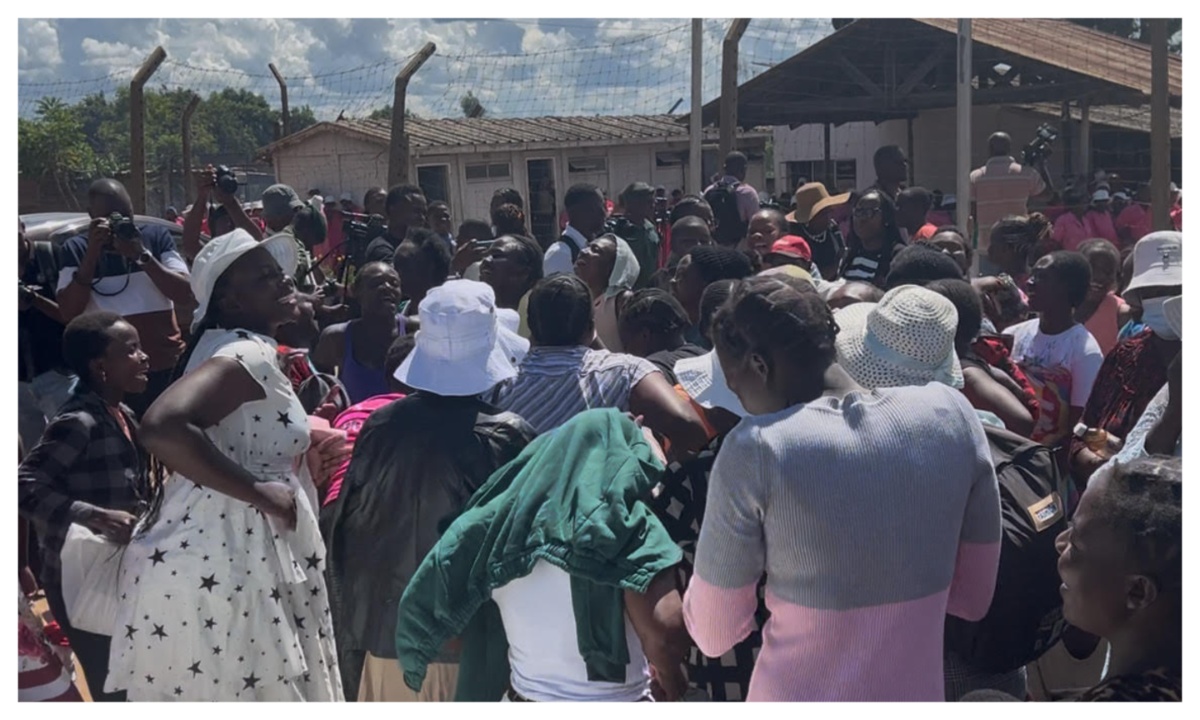
At Chikurubi Female Prison, 64 women were released under the amnesty.
Superintendent Cloria Tamanikwa, the Officer-In-Charge, addressed the beneficiaries directly, urging them to embrace their roles in society.
“Musha mukadzi, endai munochengeta mhuri dzenyu” (A home is a woman – go and look after your families), Superintendent Tamanikwa said.
“From here, we understand that all their relatives must accept them, and we have educated them to be mothers at home.”
She offered practical advice to women returning to potentially changed family circumstances: “Please, if you find your husband has moved on, ignore it and move on with your life. Do the jobs that we have taught you here”.
Freed Inmates Express Gratitude
Among those released was Prosper Mhonda, 37, who told Hurumende News Hub that he was grateful for his freedom.
“I am very happy. I was serving a jail term for theft. I committed the crime, but I am happy to be released from prison,” he said.
Molly Zimbowa, another beneficiary, expressed joy at reuniting with her family.
“I was sentenced for theft. I have served six months. I committed my crime outside. I am happy to be with my family soon, as I expected,” she said.
Outside the prison gates, families gathered to welcome their loved ones. Trish Matsoka, who was waiting for her husband Tatenda Junior Dzirugo, described her emotions as overwhelming.
“I am happy for this presidential initiative. Now I am reuniting with my husband. I don’t know how I can express my happiness after this initiative. I am happy and overwhelmed to see my husband again,” she said.
Ketai Muzavazi, mother of released inmate Kevin Muzavazi, praised the prison service for its role in her son’s rehabilitation.
“I commend the ZPCS members for taking care of my child. He was being taken good care of. I think with their education of my child, he will not commit another crime,” she said.
Eligibility and Exclusions
According to ZPCS, the amnesty targets vulnerable groups and inmates who have demonstrated significant progress in their rehabilitation.
Beneficiaries include convicted female inmates (excluding serious offences), juvenile offenders, prisoners serving sentences of 48 months or less, terminally ill inmates, those housed in open prisons, elderly prisoners aged 60 and above, and inmates who have served at least 20 years of life sentences.
However, the clemency explicitly excludes individuals convicted of serious crimes, including murder, treason, rape, armed robbery, human trafficking, public violence, and unlawful possession of firearms.
Inmates previously released under amnesty, escapees from lawful custody, and those serving sentences imposed by a Court Martial are also ineligible.
The amnesty comes against the backdrop of Zimbabwe’s prisons holding just over 24,000 inmates as of the second quarter of 2025, according to national data.
Minister Ziyambi Ziyambi said the initiative is intended to transform correctional facilities into genuine centres of rehabilitation while giving reformed offenders a second chance.
The clemency order was gazetted last month, with Secretary for Justice, Legal and Parliamentary Affairs Vimbai Nyemba announcing the provisions in the Government Gazette published on February 20.
The cabinet had initially approved the amnesty categories earlier in February, leaving prison authorities to determine final numbers based on records.
Minister Ziyambi urged beneficiaries to use their second chance responsibly, stating:
“To the beneficiaries, His Excellency has extended a hand of mercy. Use this opportunity to contribute positively to the development of our great nation as we work towards Vision 2030”.
Authorities have also appealed to communities, families and employers to support reintegration efforts, with the minister calling on “all Zimbabweans, families, community leaders and the private sector to receive these individuals with grace”