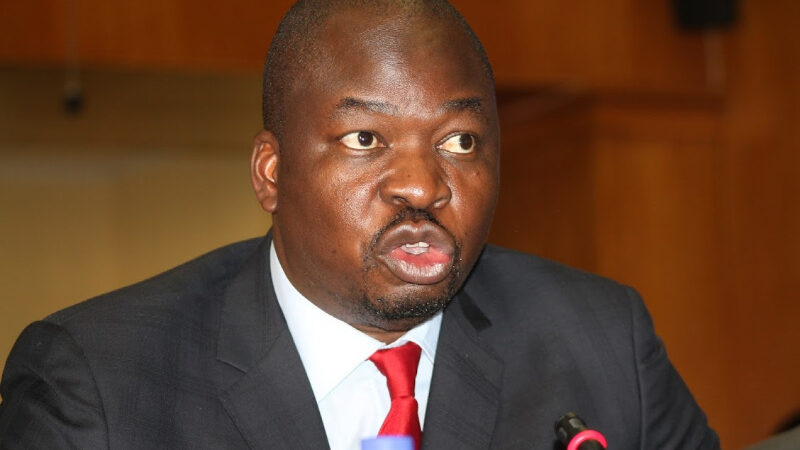

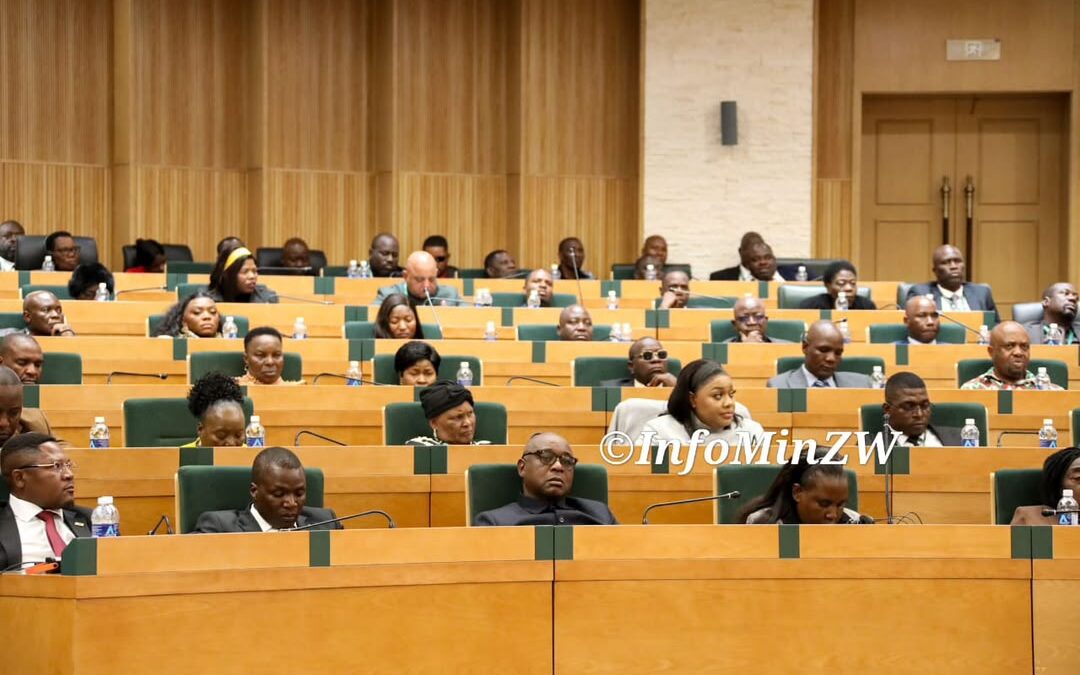
Parliament has passed the contested Constitutional Amendment Bill No. 3 after lawmakers voted overwhelmingly in favour of the measure, paving the way for President Emmerson Mnangagwa to sign it into law.
The Bill secured the required two-thirds majority, with 226 legislators voting in support while 41 opposed the constitutional changes.
The legislation now awaits the assent of President Mnangagwa, whose signature will make the amendments part of the country’s Constitution.
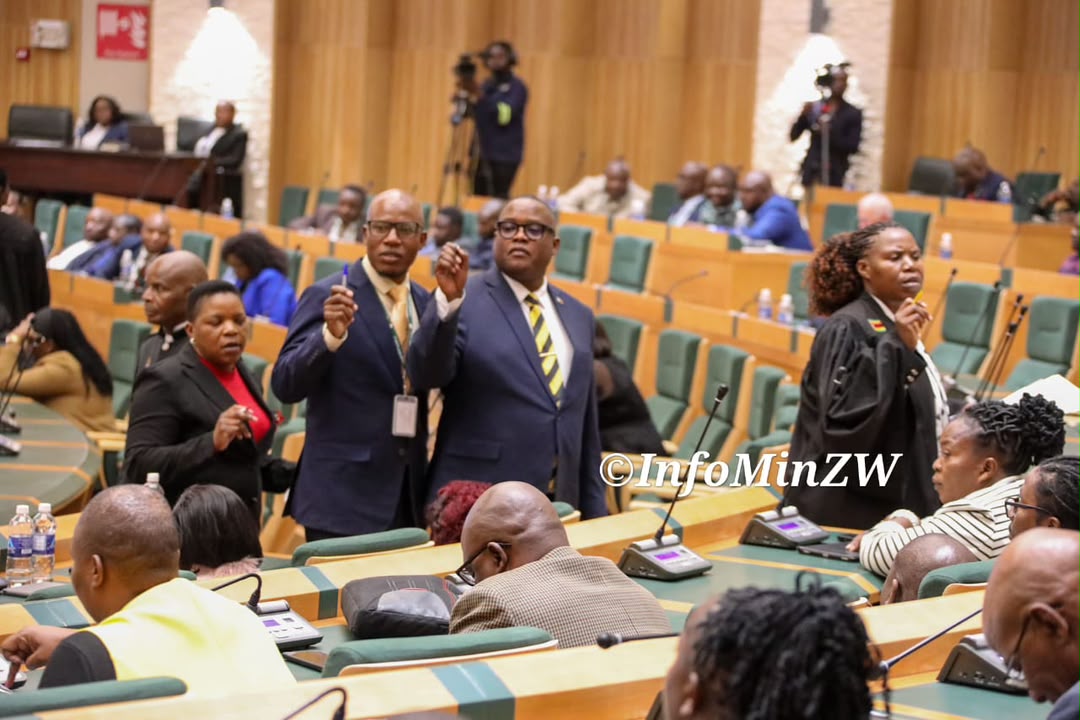
The passage of the Bill marks a significant victory for the ruling ZANU PF party, which used its parliamentary majority to push through the amendments despite sustained criticism from opposition parties, constitutional experts and civil society organisations.
Critics argue that the constitutional changes further concentrate power within the executive and weaken democratic safeguards designed to protect the independence of key institutions.
ALSO READ: 21-Day Clock Ticks for President Mnangagwa as CAB3 Nears Law
Opposition lawmakers who voted against the Bill described the outcome as a setback for constitutionalism and accountable governance.
The vote also exposed deep political divisions within and outside Parliament, with some ruling party members facing disciplinary action after publicly opposing the legislation.
Observers say the overwhelming vote reflects ZANU PF’s dominance in Parliament rather than broad national consensus on the proposed changes. Several civic groups had called for wider public consultation, arguing that constitutional amendments should reflect the will of citizens rather than the interests of the political elite.
The Bill’s passage comes amid growing public debate over constitutional reforms and concerns about the shrinking space for dissent. In recent weeks, some critics of the legislation have reported intimidation and political pressure for opposing the amendments.
Once signed by President Mnangagwa, Constitutional Amendment Bill No. 3 will become law, potentially reshaping aspects of Zimbabwe’s constitutional framework and reigniting debate over the direction of the country’s democracy.
Political analysts say the focus will now shift to the implementation of the amendments and the broader implications they may have for governance, institutional independence and democratic accountability in Zimbabwe.