Connect with us

Africa News

Foreign Military Attachés Tour ARDA Projects, Commend Zimbabwe’s Agricultural Drive

Published

on

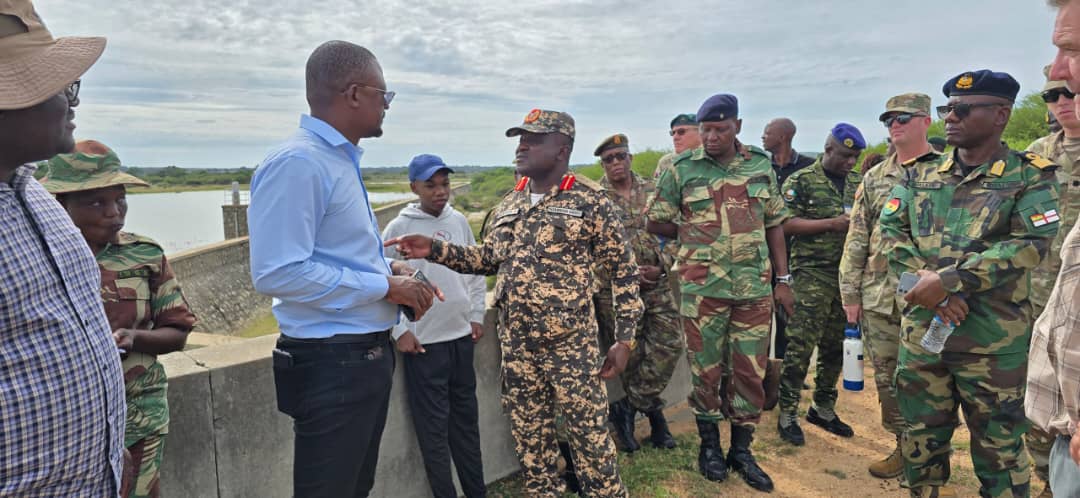
The Agricultural and Rural Development Authority (ARDA) today hosted members of the Foreign Military Attachés Association at its Antelope Estate for a familiarisation tour of key development projects being implemented across the country.

The visit offered the delegation an opportunity to appreciate Zimbabwe’s agricultural transformation efforts on the ground, particularly initiatives aimed at boosting productivity and strengthening food security.

Speaking on the sidelines of the tour, Defence Attaché for the United Kingdom to Zimbabwe, Lieutenant Colonel Alastair Kern, commended ARDA’s efforts to strengthen national food security and deliver meaningful socio-economic benefits within surrounding communities.
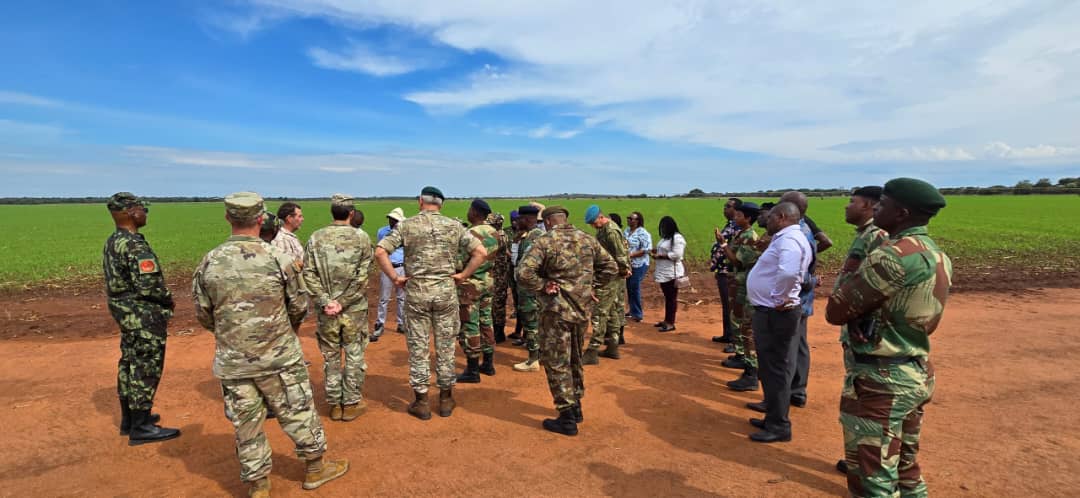
Echoing these sentiments, Zambia’s Defence Attaché to Zimbabwe, Brigadier General Maggie Nakamba, described the programme as impactful and worth emulating, noting that she would explore the possibility of implementing similar initiatives in her home country.

The delegation also expressed keen interest in the wheat production programme, with ARDA targeting 65,000 hectares this season as Zimbabwe consolidates gains towards wheat self-sufficiency. In Matabeleland South Province, a total of 4,000 hectares has been set aside for wheat production, with ARDA responsible for 3,100 hectares.

ARDA’s Chief Executive Officer, Mr. Tinotenda Mhiko, confirmed that planting is progressing well and remains on course to meet, and potentially surpass, the provincial target.
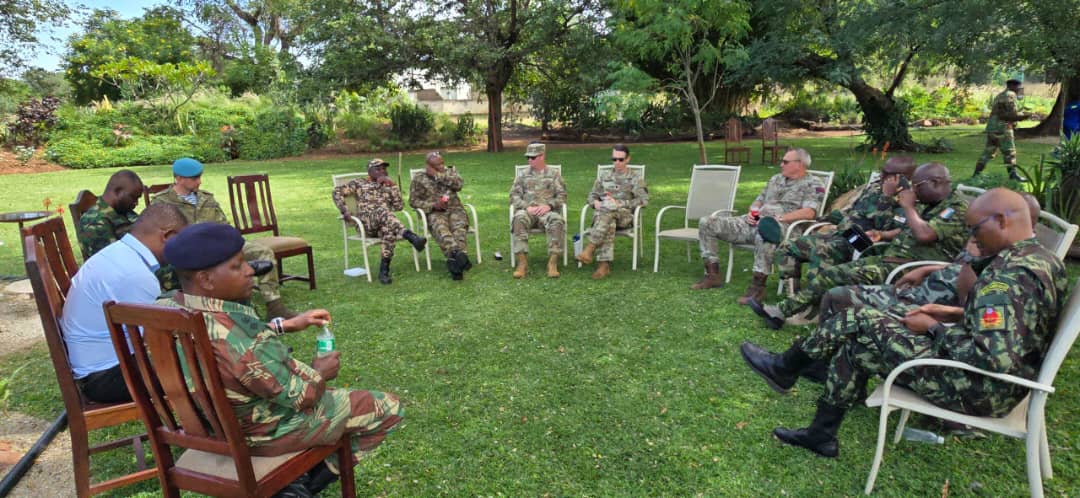
Director Operations Mr. Washington Katiyo shared the same sentiments, noting that ARDA remains committed to good agronomics in driving productivity and ensuring optimal yields.

The delegation comprised defence attachés from the United Kingdom, the United States of America, Zambia, South Africa, Côte d’Ivoire, Ghana, Belarus, Mozambique and Namibia, reflecting growing international interest in Zimbabwe’s agricultural development trajectory.

Continue Reading
Click to comment

Leave a Reply

Your email address will not be published. Required fields are marked *

Africa News

Zimbabwe set to join BRICS Bank

Published

on

BRICS Countries

Itai Mazire

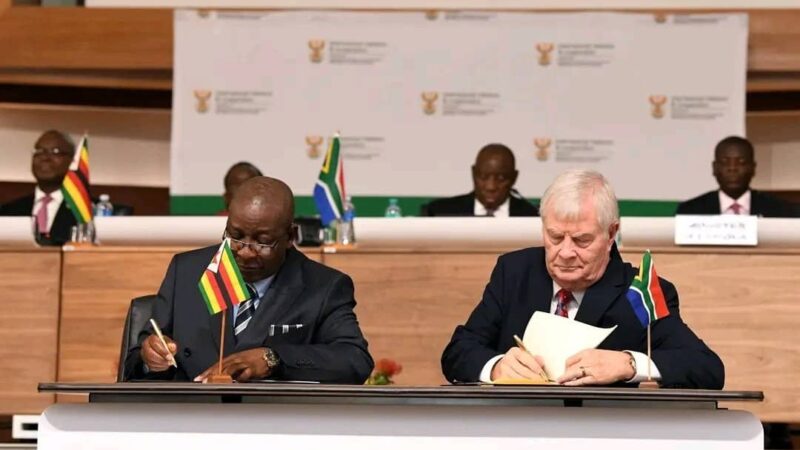
Zimbabwe has been given the green light to begin formal negotiations for membership to the New Development Bank, also known as the BRICS Bank, in a major diplomatic and economic breakthrough Finance, Economic Development and Investment Promotion Minister Professor Mthuli Ncube has said.

“The Government of the Republic of Zimbabwe welcomes the decision by the Board of Directors of the New Development Bank authorizing the commencement of formal negotiations regarding Zimbabwe’s membership of the Bank,” said Prof. Mthuli Ncube.

Prof. Mthuli revealed that official communication had been received from NDB President Dilma Rousseff confirming the start of the accession process.

“This landmark development represents a major milestone in Zimbabwe’s engagement and re-engagement agenda and reflects growing international confidence in the country’s economic reform programme.”

Membership is expected to unlock long-term development financing for key national priorities under the country’s NDS2 plan and Vision 2030, including infrastructure modernisation, energy security, industrialisation and climate resilience.

“Membership to the New Development Bank is expected to strengthen Zimbabwe’s capacity to mobilise long-term development financing for key national priorities under NDS2, as espoused by H.E. President Emmerson Mnangagwa’s mantra of ‘leaving no one and no place behind.”


“The Government remains committed to implementing bold reforms that promote sustainable economic growth, job creation, innovation and inclusive prosperity, while positioning Zimbabwe as a competitive and resilient upper middle-income economy,” said Prof. Ncube

The move advances Zimbabwe’s push to deepen South-South cooperation and integrate into the global financial revolution associated with BRICS.

Continue Reading

Africa News

“I Will Not Resign”: Ramaphosa Breaks Silence On Impeachment Threat

Published

on

South African President Cyril Ramaphosa has dismissed growing calls for his resignation following renewed pressure over the controversial Phala Phala scandal, insisting that he has no intention of leaving office.

Speaking on Monday, Ramaphosa said he would challenge in court a recent Constitutional Court ruling that reopened the possibility of impeachment proceedings against him.

The judgment found that Parliament acted unlawfully when it previously decided not to establish an impeachment inquiry linked to the Phala Phala matter in 2022.

“I am staying on and I will not resign,” Ramaphosa declared, putting an end to speculation about his political future.

The scandal centres on the theft of a large amount of foreign currency hidden inside furniture at the president’s Phala Phala game farm. Critics questioned both the source of the money and the manner in which the incident was handled.

An independent panel earlier concluded there was prima facie evidence suggesting Ramaphosa may have violated the Constitution and committed misconduct.

However, the president has consistently denied any wrongdoing, maintaining that the cash came from the legal sale of buffalo through his farming business.

The Constitutional Court ruled that Parliament should have properly considered an impeachment inquiry instead of dismissing the matter outright. Ramaphosa now plans to seek a judicial review of the panel’s findings, arguing that parts of the report were based on hearsay evidence.

Should Parliament proceed with impeachment discussions, opposition parties are expected to use the report as the foundation for attempts to remove him from office.

Political analyst Professor Richard Calland believes Ramaphosa is still likely to survive any parliamentary vote, although he noted that the president’s legal challenge may also be an effort to avoid a politically damaging impeachment hearing that could tarnish his legacy.

Continue Reading

Africa News

President Ramaphosa Condemns Violence Against Foreign Nationals

Published

on

President Cyril Ramaphosa has condemned recent violent protests and criminal acts targeting foreign nationals in South Africa, saying such actions do not represent the values of the country or the position of government.

In a statement issued on Monday, Ramaphosa said some individuals were taking advantage of the frustrations faced by poor communities to engage in unlawful activities, including demanding identification documents from people and conducting illegal searches of private property.

The South African leader said the government would not tolerate acts of intimidation, violence or lawlessness directed at foreign nationals.

“Such actions will not be tolerated,” Ramaphosa said, adding that everyone living in South Africa, including citizens and foreign nationals, was required to obey the law.

He stressed that while concerns around illegal immigration remained a challenge for government, they must be addressed through lawful and constitutional means rather than through vigilantism or attacks on migrants.

“The government is implementing measures to deal with undocumented migration in a manner that protects social stability, national security and public services,” he said.

According to the president, undocumented immigration has placed growing pressure on key public services such as healthcare, housing and municipal infrastructure in several communities across the country.

“The labour market had been affected, with some employers accused of exploiting undocumented foreign workers by paying them lower wages instead of employing South African citizens,” he added.

President Ramaphosa warned that criminality and violence would only worsen tensions and undermine efforts to find lasting solutions to the country’s socio-economic challenges.

The statement comes amid rising tensions in parts of South Africa where protests linked to immigration and unemployment have sparked concern among civil society groups and regional leaders.

The government has repeatedly called for calm and urged communities to work with law enforcement authorities instead of taking the law into their own hands.

Continue Reading

Trending