📲 Join our WhatsApp Channel for Breaking News!
Follow on WhatsAppThe Government has called for a shift from reactive disaster response to proactive preparedness, urging authorities to ensure essential supplies and emergency response equipment are available before disasters strike.
📰 For this and more exclusive stories, read our weekly digital print edition.
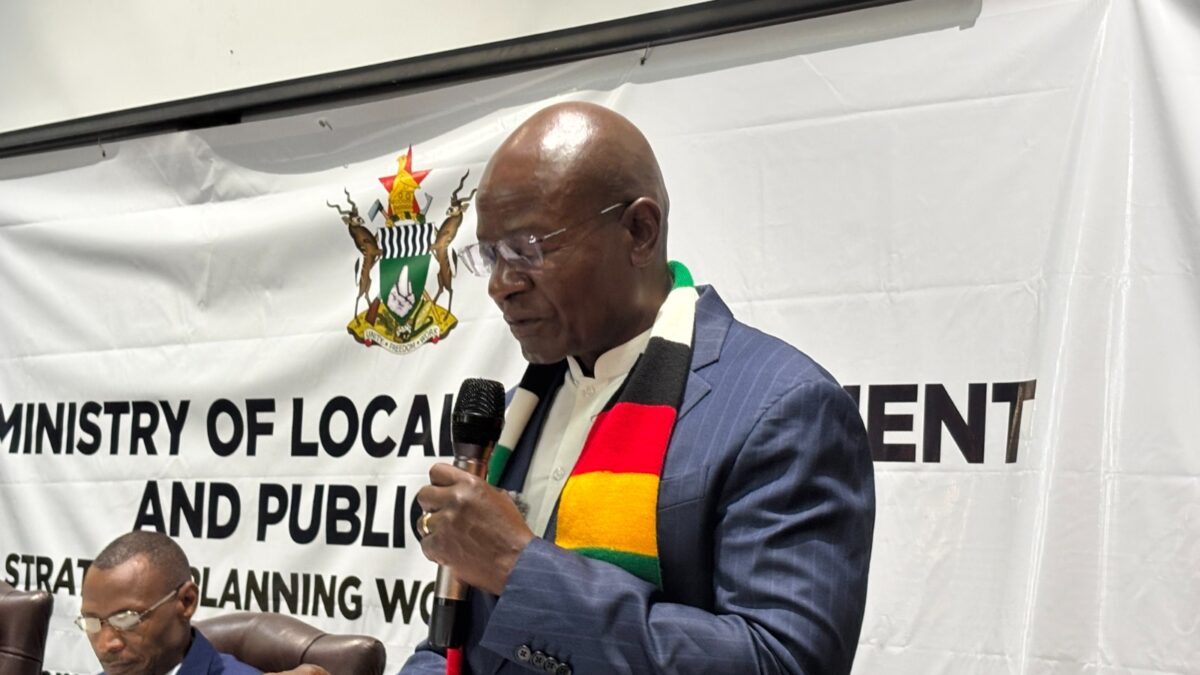
Read E-PaperLocal Government and Public Works Minister Daniel Garwe said Zimbabwe needed stronger preparedness mechanisms to respond effectively to recurring threats such as droughts, floods, tropical cyclones, disease outbreaks, veld fires and severe storms.
He made the remarks on Thursday in Bulawayo during a National Stakeholder Consultative Workshop on the Development of a National Prepositioning Strategy for Zimbabwe.
The workshop, supported by the World Food Programme (WFP) under the Regional Urban Preparedness Project Phase III, brought together government departments, development partners and other stakeholders to explore ways of strengthening the country’s disaster management systems.
Bindura University of Science Education and the National University of Science and Technology also contributed technical expertise to the discussions.
Garwe said the country could no longer afford to wait for emergencies before mobilising resources, stressing the need for a coordinated approach that allows critical supplies to be deployed without delays.
He said the proposed strategy would involve positioning essential relief materials and response equipment at strategic locations across the country to ensure they are readily available when disasters occur.
The supplies would include food, clean water, shelter materials, medical equipment, hygiene kits, rescue tools, fuel and transportation resources.
The minister said past experiences, including the devastation caused by Tropical Cyclone Idai, recurrent droughts, severe storms and disease outbreaks, had highlighted the importance of strengthening preparedness at national and local levels.
He emphasised that the strategy should take into account the different disaster risks facing communities across the country’s provinces.
Areas vulnerable to floods and cyclones, for instance, would require adequate shelter materials, water purification equipment and rescue supplies, while drought-prone communities would need timely interventions to safeguard livelihoods and food security.
Garwe also highlighted the importance of extending preparedness measures to rural communities, urban settlements and hard-to-reach areas, guided by seasonal forecasts, vulnerability assessments and disaster risk profiles.
He cautioned that an effective prepositioning system required more than simply purchasing and storing emergency supplies, saying proper warehousing, stock management, transportation arrangements and replenishment mechanisms were equally important.
The minister further called for clear institutional responsibilities, sustainable funding and accountability systems to ensure the strategy delivers tangible results.
He said cooperation among government ministries, local authorities, humanitarian organisations and the private sector would be critical to its success, while the Department of Civil Protection would remain central to coordinating national disaster response efforts.
Garwe urged stakeholders to identify weaknesses in existing emergency logistics and warehousing systems and draw lessons from regional and international experiences when developing a practical strategy that can be implemented at both national and local levels.
Get instant news updates delivered straight to your WhatsApp.